





Navigating the bustling aisles of a local farmers' market or supermarket produce section can sometimes feel overwhelming. With bins stacked high with colorful fruits and vegetables, knowing which items are at their peak flavor, texture, and nutritional prime is a valuable skill for any home cook. Selecting high-quality fresh produce goes beyond simply grabbing the shiniest apple or the largest bunch of greens; it requires a blend of sensory awareness, seasonal knowledge, and smart inspection techniques. When you bring home produce that is genuinely fresh and properly matured, you not only elevate the taste of your meals but also maximize your intake of essential vitamins, minerals, and dietary fiber. Whether you are stocking your pantry for the week or planning a specific menu, understanding what to look, smell, and feel for transforms grocery shopping from a chore into an intuitive culinary art. Decoding Peak Ripeness: Sensory Cues for Fresh Fruits Fruits offer some of the most dramatic indicators of ripeness and quality. Because many fruits continue to change after harvest, understanding their unique visual and tactile signals helps you avoid produce that is either unpleasantly tart or uncomfortably overripe. The Art of the Touch Test Texture is often the most reliable guide when evaluating stone fruits, melons, and berries. Stone Fruits: Peaches, nectarines, and plums should yield slightly to gentle palm pressure, particularly near the stem end, but they should never feel bruised or mushy. Melons: A ripe cantaloupe or honeydew should feature a slightly softened stem end and a …
Navigating the bustling aisles of a local farmers’ market or supermarket produce section can sometimes feel overwhelming. With bins stacked high with colorful fruits and vegetables, knowing which items are at their peak flavor, texture, and nutritional prime is a valuable skill for any home cook. Selecting high-quality fresh produce goes beyond simply grabbing the shiniest apple or the largest bunch of greens; it requires a blend of sensory awareness, seasonal knowledge, and smart inspection techniques.
When you bring home produce that is genuinely fresh and properly matured, you not only elevate the taste of your meals but also maximize your intake of essential vitamins, minerals, and dietary fiber. Whether you are stocking your pantry for the week or planning a specific menu, understanding what to look, smell, and feel for transforms grocery shopping from a chore into an intuitive culinary art.
Decoding Peak Ripeness: Sensory Cues for Fresh Fruits
Fruits offer some of the most dramatic indicators of ripeness and quality. Because many fruits continue to change after harvest, understanding their unique visual and tactile signals helps you avoid produce that is either unpleasantly tart or uncomfortably overripe.
The Art of the Touch Test
Texture is often the most reliable guide when evaluating stone fruits, melons, and berries.
- Stone Fruits: Peaches, nectarines, and plums should yield slightly to gentle palm pressure, particularly near the stem end, but they should never feel bruised or mushy.
- Melons: A ripe cantaloupe or honeydew should feature a slightly softened stem end and a sweet, aromatic fragrance. If a watermelon sounds deep and hollow when thumped, it is likely juicy and ready to eat.
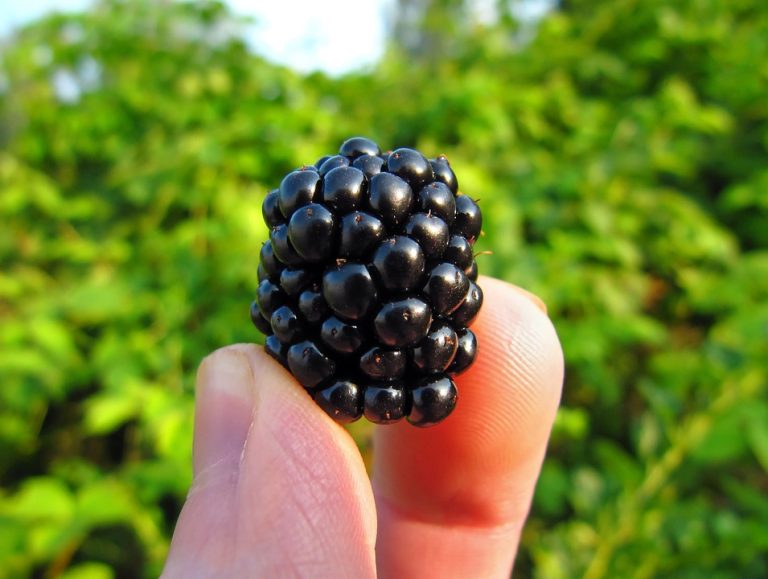
- Berries: Strawberries, raspberries, and blueberries should look plump and uniform in color. Check the bottom of the carton or container for any signs of staining or moisture, which often indicates crushed or leaking fruit hidden underneath.
Color and Uniformity
While vibrant color is generally associated with robust antioxidant content, color alone can be deceiving. For instance, some varieties of green apples remain tart even when fully ripe, while certain citrus fruits may have green patches on their rinds despite being sweet inside. Instead of relying purely on shade, look for a deep, rich hue characteristic of the specific variety and avoid fruit with dull patches, deep wrinkles, or excessive blemishes.
Navigating the Vegetable Aisle: Leafy Greens and Root Vegetables
Vegetables require a different set of evaluation criteria compared to fruits. Moisture retention, structural integrity, and firmness are the primary markers of a fresh vegetable.
Inspecting Leafy Greens and Cruciferous Vegetables
Spinach, kale, Swiss chard, and lettuce should look crisp and vibrant, with zero signs of yellowing, wilting, or slimy edges. Limp leaves indicate that the vegetable has lost vital moisture and spent too much time in transit or storage.
For heads of broccoli, cauliflower, and cabbage, look for tightly closed florets and compact structures. Avoid broccoli or cauliflower that displays yellowing flower buds or dark spots, as these are signs of aging and declining flavor quality.
Firmness in Root Vegetables and Tubers
Carrots, beets, parsnips, and potatoes should feel exceptionally firm and heavy for their size.
- Potatoes: Look for smooth skins without sprouts, green tinting (caused by light exposure), or soft spots.
- Onions and Garlic: Outer skins should be dry, papery, and tight around the bulb. Avoid bulbs that feel damp, spongy, or show green shoots emerging from the top.
The Seasonal Advantage: Why Timing Matters
One of the most effective strategies for selecting superior produce is aligning your shopping habits with natural growing seasons. Fruits and vegetables harvested at the peak of their natural growing cycle are allowed to mature fully on the plant, resulting in superior flavor development and optimal nutrient density.
- Spring: Focus on tender shoots, early greens, radishes, and asparagus spears that snap crisply when bent.
- Summer: Enjoy an abundance of sun-ripened berries, stone fruits, tomatoes, summer squash, and sweet corn.
- Autumn: Look for hearty winter squashes, crisp apples, pears, and brassicas that benefit from cooler temperatures.
- Winter: Opt for citrus fruits like oranges and grapefruits, along with storage-friendly root vegetables and sturdy greens.
Purchasing in-season produce often means items have traveled fewer miles to reach your local store, reducing the time between harvest and consumption and preserving delicate water-soluble vitamins like vitamin C and certain B vitamins.
Evaluating Organic Versus Conventional Options
When browsing the produce section, shoppers frequently encounter choices between organically grown and conventionally grown varieties. From a fundamental nutrition standpoint, both options provide essential dietary fiber, vitamins, and minerals that support overall health and wellness.
The primary distinction lies in agricultural practices, specifically regarding synthetic pesticides and fertilizers. If incorporating organic produce is a priority for your household due to personal preference, prioritizing items with thin, edible skins—such as berries, leafy greens, and peaches—can be a practical approach. Meanwhile, produce with thick, inedible protective rinds—such as avocados, bananas, onions, and melons—naturally shields the edible portion, making conventional options just as suitable for many home cooks. Ultimately, the most important factor in a balanced diet is consuming a wide variety of colorful fruits and vegetables, regardless of how they were farmed.
Inspecting Pre-Cut and Packaged Produce
In our fast-paced modern routines, pre-washed bagged salads, sliced melon cubes, and pre-cut vegetable medleys offer undeniable convenience. However, these options require careful visual inspection before purchase.
- Check for Moisture Balance: In packaged greens, look for bags that do not contain excess liquid or fogged-up condensation, which accelerates spoilage.
- Inspect the Cut Edges: On pre-sliced vegetables like carrots or squash, look at the cut surfaces. If they appear dry, white, or fuzzy, the product has been sitting out for too long.
- Assess Seal Integrity: Ensure that vacuum-sealed or plastic-wrapped containers are entirely intact with no tears, punctures, or loose seals that could introduce air and bacteria.
While pre-cut items save time in the kitchen, whole produce generally retains its internal moisture, structural integrity, and protective outer barriers longer once brought home.
Practical Storage Habits to Extend Freshness
Selecting great produce is only half the battle; proper post-shopping care ensures your investment stays crisp and flavorful until you are ready to cook.
- Keep Ethylene Producers Separate: Fruits like bananas, tomatoes, avocados, and apples release ethylene gas, a natural plant hormone that accelerates ripening and spoilage in nearby sensitive items like leafy greens, berries, and cucumbers. Store ethylene-sensitive produce in separate drawers or containers.
- Manage Moisture Wisely: Wash most fruits and vegetables only right before use rather than before storage. Excess moisture trapped on the surface promotes mold growth. Store leafy greens with a dry paper towel inside an airtight container or bag to absorb condensation.
- Know What Goes in the Fridge Versus the Counter: Tropical fruits (like bananas, pineapples, and whole citrus) and unripened stone fruits do best at room temperature until fully mature. Once ripe, many can be transferred to the refrigerator to slow further softening.
Frequently Asked Questions
How can I tell if a whole avocado is ready to eat?
Gently press near the stem end of the avocado. If it yields slightly to firm, gentle pressure without feeling mushy or leaving a deep indentation, it is ripe. You can also flick off the small stem cap; if the area underneath is bright green, the avocado is ready. If it is brown, the fruit is likely overripe inside.
Is it safe to eat fruits and vegetables with minor bruising?
Yes, minor bruising is generally safe, provided the skin is unbroken and there is no mold or sour odor. Simply cut away the bruised portion before consuming or cooking. However, severely bruised or leaking produce should be discarded, as damaged cell walls provide an entry point for spoilage microorganisms.
Do frozen fruits and vegetables have the same nutritional value as fresh?
Often, yes. Frozen produce is typically harvested at peak ripeness and flash-frozen within hours, which locks in vitamins and minerals. They are an excellent, budget-friendly alternative when fresh seasonal items are unavailable or out of season.
Why do some leafy greens wilt so quickly in the refrigerator?
Leafy greens lose moisture rapidly through transpiration. Once harvested, they no longer draw water from roots. Storing them in a breathable bag with a dry paper towel helps maintain optimal humidity and prevents them from drying out prematurely.
Are larger vegetables better quality than smaller ones?
Not necessarily. In many cases, medium-sized vegetables—such as zucchini, eggplants, and root vegetables—tend to have a more tender texture and sweeter flavor. Oversized produce can sometimes become woody, fibrous, or hollow in the center.
How should I store fresh herbs to prevent them from turning black?
Treat tender herbs like flowers by trimming the stems slightly and placing them upright in a jar with an inch of fresh water, loosely covered with a plastic bag in the refrigerator. Sturdier woody herbs like rosemary and thyme store well wrapped in a slightly damp paper towel inside an airtight container.
Disclaimer: Nutritional needs vary from person to person depending on age, activity level, health status, and personal dietary goals. Readers with specific medical conditions, food allergies, or unique health requirements should consult a qualified healthcare professional or registered dietitian for personalized guidance.