

SEO Meta Description: Learn about fructose malabsorption, common digestive symptoms, how it differs from food allergies, and practical ways to manage fruit and sugar intake. For many individuals, sitting down to enjoy a crisp autumn apple or a bowl of fresh summer cherries is a simple pleasure. However, for those navigating fructose malabsorption, these otherwise healthy foods can occasionally trigger an unexpected wave of abdominal discomfort, bloating, and unpredictable changes in digestion. Unlike a classic food allergy that provokes an immediate immune response, fructose malabsorption is a functional digestive quirk. It occurs when the small intestine struggles to efficiently absorb simple fruit sugar. Understanding how this condition operates can help individuals make informed dietary adjustments without unnecessarily sacrificing overall nutritional variety. What Is Fructose Malabsorption? Fructose is a monosaccharide, or simple sugar, found naturally in fruits, honey, root vegetables, and sweeteners like high-fructose corn syrup (HFCS) and agave nectar. In a typical digestive tract, specialized transport proteins in the small intestine—specifically a transporter known as GLUT5—absorb fructose into the bloodstream, where it is utilized for energy. When these transporters work slowly or are easily overwhelmed, excess unabsorbed fructose travels onward into the large intestine. Here, resident gut bacteria eagerly ferment the sugar, producing gases such as hydrogen and methane, along with fatty acids that draw water into the bowel. This biochemical process is the primary root cause behind the physical sensations associated with the condition. It is worth noting that fructose malabsorption is entirely distinct from hereditary fructose intolerance (HFI). …
SEO Meta Description: Learn about fructose malabsorption, common digestive symptoms, how it differs from food allergies, and practical ways to manage fruit and sugar intake.
For many individuals, sitting down to enjoy a crisp autumn apple or a bowl of fresh summer cherries is a simple pleasure. However, for those navigating fructose malabsorption, these otherwise healthy foods can occasionally trigger an unexpected wave of abdominal discomfort, bloating, and unpredictable changes in digestion.
Unlike a classic food allergy that provokes an immediate immune response, fructose malabsorption is a functional digestive quirk. It occurs when the small intestine struggles to efficiently absorb simple fruit sugar. Understanding how this condition operates can help individuals make informed dietary adjustments without unnecessarily sacrificing overall nutritional variety.
What Is Fructose Malabsorption?
Fructose is a monosaccharide, or simple sugar, found naturally in fruits, honey, root vegetables, and sweeteners like high-fructose corn syrup (HFCS) and agave nectar. In a typical digestive tract, specialized transport proteins in the small intestine—specifically a transporter known as GLUT5—absorb fructose into the bloodstream, where it is utilized for energy.
When these transporters work slowly or are easily overwhelmed, excess unabsorbed fructose travels onward into the large intestine. Here, resident gut bacteria eagerly ferment the sugar, producing gases such as hydrogen and methane, along with fatty acids that draw water into the bowel. This biochemical process is the primary root cause behind the physical sensations associated with the condition.
It is worth noting that fructose malabsorption is entirely distinct from hereditary fructose intolerance (HFI). HFI is a rare, serious genetic metabolic disorder diagnosed in infancy where the liver lacks a specific enzyme required to break down fructose. Fructose malabsorption, by contrast, is a far more common, manageable digestive sensitivity that develops later in life.
Recognizing Common Physical Patterns
When unabsorbed fructose reaches the colon, it can manifest in various ways depending on individual threshold levels, gut motility, and the overall composition of a meal. People often report a distinct set of physical cues after consuming high-fructose foods or beverages:
- Abdominal Bloating and Distension: A sensation of tightness or visible swelling in the midsection caused by gas production during bacterial fermentation.
- Excessive Flatulence: Increased gas release resulting from microbial breakdown processes in the lower gut.
- Cramping or Abdominal Pain: Mild to moderate discomfort as the bowel stretches and reacts to gas and fluid shifts.
- Irregular Bowel Habits: Alternating periods of loose stools or urgent bowel movements, particularly when large quantities of fructose are consumed quickly.
Because these symptoms overlap significantly with other gastrointestinal issues—such as lactose intolerance, celiac disease, or irritable bowel syndrome (IBS)—it is important not to assume that fructose is automatically the sole culprit whenever digestive upset occurs.
Clarifying Terminology: Allergy vs. Intolerance vs. Sensitivity
In everyday conversations, people frequently blur the lines between food allergies, food intolerances, and food sensitivities. However, they describe fundamentally different biological mechanisms:
- Food Allergy: Involves the immune system treating a specific food protein as a dangerous invader. Symptoms can appear rapidly and may range from hives and swelling to life-threatening anaphylaxis. Fructose is a sugar, not a protein, meaning true allergic reactions to simple sugars do not occur.
- Food Intolerance: A non-immune reaction typically rooted in the digestive system’s inability to break down a specific substance properly. Fructose malabsorption falls squarely into this category because it relates to transport limitations in the gut.
- Food Sensitivity: A broader, sometimes less-defined term often used to describe delayed or mild adverse physical reactions to certain foods that do not involve classic immune antibodies or simple enzyme deficiencies.
Understanding these distinctions helps clarify why managing fructose malabsorption relies on adjusting portions and dietary ratios rather than carrying epinephrine or avoiding cross-contamination out of fear of an allergic attack.
Common Dietary Sources of Fructose
Fructose is present in a wide array of foods, but its concentration and ratio relative to another sugar, glucose, matter significantly. Interestingly, glucose helps aid fructose absorption. Foods that contain an equal or higher amount of glucose compared to fructose are often much easier on the digestive system, whereas foods where fructose outnumbers glucose tend to trigger symptoms more readily.
Fruits and Vegetables
- Higher Fructose Options: Apples, pears, watermelons, mangoes, cherries, dried fruits (like raisins and figs), asparagus, and sugar snap peas.
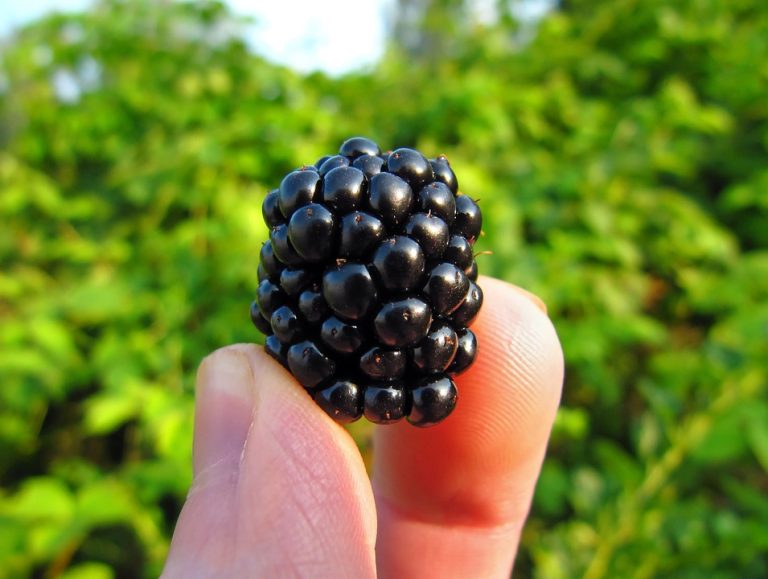
- Lower Fructose (Often Better Tolerated) Options: Bananas (when firm), blueberries, strawberries, raspberries, citrus fruits (oranges, lemons), spinach, carrots, and cucumbers.
Sweeteners and Packaged Foods
- High-fructose corn syrup (frequently found in commercial sodas, candies, and baked goods)
- Agave nectar and honey (which contain high proportions of free fructose)
- Certain sugar alcohols like sorbitol, which can independently worsen absorption issues
Practical Strategies for Dietary Balance
Successfully managing fructose malabsorption does not mean eliminating all sweet foods or abandoning a healthy, colorful diet. Instead, it is about finding a personal tolerance threshold through mindful eating habits.
1. Keep a Detailed Food and Symptom Diary
Before making sweeping dietary cuts, track what you eat and drink alongside any physical symptoms for two weeks. This simple record often reveals surprising patterns—such as whether discomfort only occurs when eating large fruit portions on an empty stomach, or if processed sweets are the true trigger.
2. Focus on Portion Control and Food Pairing
Eating a massive quantity of high-fructose fruit in one sitting is far more likely to overwhelm transport proteins than enjoying smaller portions spread across the day. Furthermore, pairing a piece of fruit with a source of protein or healthy fat (such as a handful of almonds or a spoonful of Greek yogurt) can slow gastric emptying and ease digestion.
3. Consult a Registered Dietitian
If symptoms persist, working with a qualified nutrition professional is invaluable. A registered dietitian can guide a structured, short-term reduction phase followed by a systematic reintroduction period. This prevents unnecessary, overly restrictive diets that could otherwise compromise overall fiber intake and dietary variety.
When to Seek Professional Medical Evaluation
Digestive health is complex, and persistent gastrointestinal symptoms should never be ignored or simply attributed to a self-diagnosed food sensitivity.
Consult a qualified healthcare professional or gastroenterologist if you experience:
- Unexplained or unintentional weight loss
- Blood in your stool or rectal bleeding
- Persistent fever accompanying digestive distress
- Symptoms that progressively worsen or disrupt your daily sleep and routine
- Onset of new digestive issues later in life
A physician can conduct proper diagnostic evaluations to rule out other medical conditions, ensuring you receive accurate guidance tailored to your specific health profile.
Frequently Asked Questions
Can fructose malabsorption resolve on its own over time?
For some individuals, digestive capacity can fluctuate depending on overall gut health, stress levels, and changes in the microbiome. While some people find their tolerance improves after a period of careful dietary management, others manage the condition long-term by consistently monitoring portion sizes of high-fructose foods.
Are all fruits off-limits if I have trouble absorbing fructose?
No. Fruits vary widely in their sugar composition. Many berries, citrus fruits, and firm bananas contain balanced ratios of glucose and fructose or lower overall amounts of free fructose, making them manageable for many people with this condition.
Why do some people react to honey and agave nectar?
Both honey and agave nectar contain higher proportions of free fructose relative to glucose. Without adequate glucose present to assist with transport across the intestinal wall, the surplus fructose is more likely to travel unabsorbed into the colon and cause gas and bloating.
Is fructose malabsorption the same thing as having an allergy to fruit?
No. An allergy involves an immune system reaction to a specific protein, whereas fructose malabsorption is a digestive limitation involving a simple sugar. People with fructose malabsorption do not experience typical allergic responses like hives or respiratory distress.
Should I completely eliminate high-fructose corn syrup from my diet?
While completely avoiding highly processed foods containing high-fructose corn syrup can reduce digestive discomfort for sensitive individuals, the primary goal is finding your personal threshold rather than aiming for absolute restriction. Reading ingredient labels helps you identify where added sweeteners appear.