

In today’s fast-paced world, the pursuit of wellness can often feel overwhelming. Between conflicting diet trends, demanding work schedules, and endless wellness advice online, it is easy to burn out before making any real progress. However, true healthy living does not require perfection, extreme restriction, or hours spent at the gym. Instead, it is built on the foundation of small, sustainable daily habits that nourish both your body and your mind. Welcome to The Health Care. In this guide, we will explore what it truly means to live a balanced lifestyle. We will look at evidence-based strategies to improve your nutrition, movement, sleep, and mental well-being—without turning your life upside down. What is Healthy Living? At its core, healthy living is an ongoing, dynamic process of making choices that lead toward a more balanced and fulfilling existence. It is not a rigid destination or a one-size-fits-all rulebook. What works for one person may not work for another, and that is entirely normal. Adopting a wellness-focused lifestyle means looking at your health holistically. Physical health, emotional resilience, mental clarity, and social connection all play a vital role in how you feel each day. By shifting your focus from quick fixes to long-term habits, you create a sustainable routine that supports your body through every stage of life. Pillar 1: Nourishing Your Body with Mindful Nutrition Food is information, energy, and fuel for your body. Yet, modern diet culture has turned eating into a source of stress and confusion. Embracing healthy living …
In today’s fast-paced world, the pursuit of wellness can often feel overwhelming. Between conflicting diet trends, demanding work schedules, and endless wellness advice online, it is easy to burn out before making any real progress. However, true healthy living does not require perfection, extreme restriction, or hours spent at the gym. Instead, it is built on the foundation of small, sustainable daily habits that nourish both your body and your mind.
Welcome to The Health Care. In this guide, we will explore what it truly means to live a balanced lifestyle. We will look at evidence-based strategies to improve your nutrition, movement, sleep, and mental well-being—without turning your life upside down.
What is Healthy Living?
At its core, healthy living is an ongoing, dynamic process of making choices that lead toward a more balanced and fulfilling existence. It is not a rigid destination or a one-size-fits-all rulebook. What works for one person may not work for another, and that is entirely normal.
Adopting a wellness-focused lifestyle means looking at your health holistically. Physical health, emotional resilience, mental clarity, and social connection all play a vital role in how you feel each day. By shifting your focus from quick fixes to long-term habits, you create a sustainable routine that supports your body through every stage of life.
Pillar 1: Nourishing Your Body with Mindful Nutrition
Food is information, energy, and fuel for your body. Yet, modern diet culture has turned eating into a source of stress and confusion. Embracing healthy living starts with simplifying your approach to food and focusing on quality, balance, and enjoyment.
Focus on Whole Foods
Whole, minimally processed foods provide the vitamins, minerals, and fiber your body needs to function optimally.
- Colorful Fruits and Vegetables: Aim to fill half your plate with produce. Different colors represent different antioxidants and phytonutrients.
- Quality Proteins: Incorporate lean meats, fish, eggs, beans, lentils, and tofu to support muscle repair and stable energy levels.
- Complex Carbohydrates: Choose whole grains like oats, quinoa, brown rice, and whole-wheat bread over refined sugars and white flours.
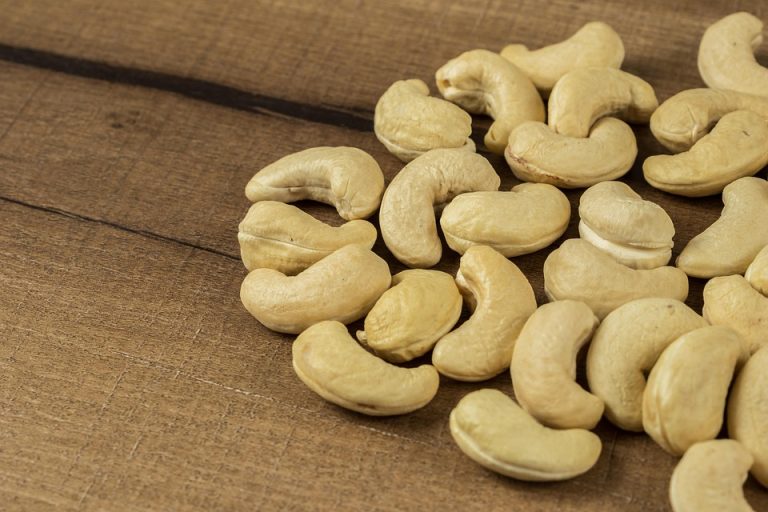
- Healthy Fats: Include sources like avocados, olive oil, nuts, and seeds to support brain function and hormone health.
The Power of Hydration
Water is essential for nearly every bodily function, including digestion, temperature regulation, and cognitive performance. Mild dehydration can lead to fatigue, headaches, and a lack of concentration. Keep a reusable water bottle with you throughout the day, and aim to sip consistently rather than waiting until you feel thirsty.
Pillar 2: Moving in Ways You Enjoy
Exercise is often viewed as a chore—something we “have” to do to undo what we ate or to change how we look. To maintain a routine long-term, it helps to reframe physical activity as a celebration of what your body can do, rather than a punishment.
Finding Your Movement Style
Physical activity should be enjoyable. If you hate running, do not force yourself to run. There are countless ways to incorporate movement into your day as part of healthy living:
- Cardiovascular Health: Brisk walking, swimming, cycling, or dancing get your heart rate up and support cardiovascular endurance.
- Strength Training: Lifting weights, using resistance bands, or doing bodyweight exercises (like push-ups and squats) helps maintain muscle mass, bone density, and metabolic health.
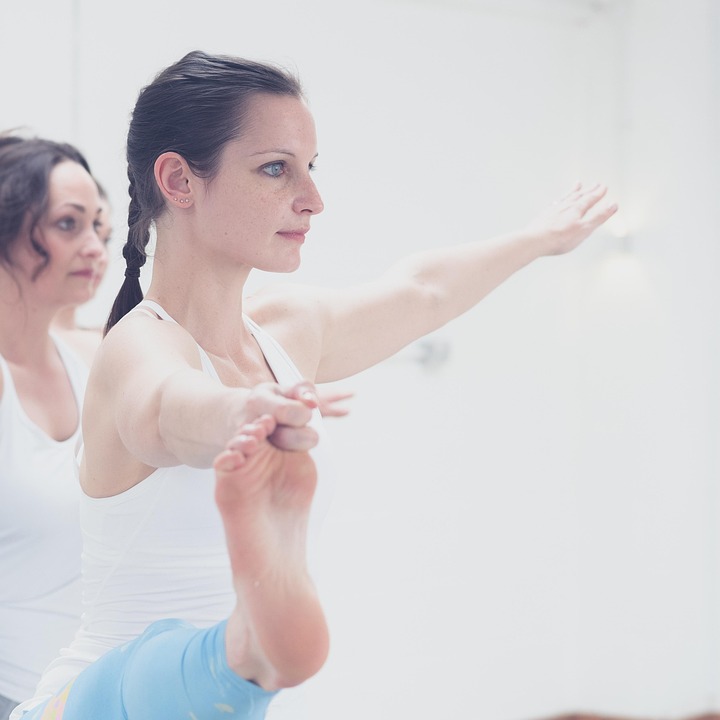
- Flexibility and Balance: Yoga, Pilates, and stretching improve mobility and reduce the risk of injury as you age.
Consistency always beats intensity. Committing to a daily 20-minute walk is far more beneficial for your long-term health than an exhausting workout you abandon after two weeks.
Pillar 3: Prioritizing Rest and Recovery
In our hustle culture, sleep is often the first thing we sacrifice. However, rest is not a luxury; it is a biological necessity. Quality sleep is when your body repairs tissues, consolidates memories, and regulates hormones that control appetite and stress.
Building Healthy Sleep Habits
To improve your sleep hygiene and support your healthy living goals, consider the following evidence-based tips:
- Maintain a Schedule: Go to bed and wake up at the same time every day, even on weekends, to regulate your internal biological clock.
- Create a Wind-Down Routine: Turn off screens at least 45 minutes before bed. The blue light emitted by phones and laptops can interfere with melatonin production.
- Optimize Your Environment: Keep your bedroom cool, dark, and quiet. Consider using blackout curtains or a white noise machine if needed.
- Watch Stimulants: Limit caffeine intake in the afternoon and evening, as its stimulating effects can linger in your system for hours.
Pillar 4: Nurturing Mental and Emotional Well-Being
Physical health and mental health are deeply interconnected. Chronic stress can take a heavy toll on your immune system, digestion, and cardiovascular health. Cultivating emotional resilience is a cornerstone of a balanced lifestyle.
Strategies for Stress Management
You cannot always eliminate stress from your life, but you can change how your body and mind respond to it.
- Mindfulness and Meditation: Spending just five to ten minutes a day focusing on your breath can help calm the nervous system and bring your awareness to the present moment.
- Social Connections: Strong relationships and a sense of community are consistently linked to greater longevity and happiness. Make time for friends and family who uplift you.
- Set Boundaries: Learn to say no to commitments that drain your energy, leaving room for activities that recharge you.
- Engage in Hobbies: Whether it is painting, gardening, reading, or playing an instrument, engaging in creative or leisure activities provides a healthy mental escape.
Key Takeaways
- Progress Over Perfection: Healthy living is about sustainable habits, not rigid rules or flawless execution.
- Eat Whole Foods: Prioritize a balanced diet rich in vegetables, fruits, lean proteins, and healthy fats while staying well-hydrated.
- Move Regularly: Find physical activities you genuinely enjoy and aim for a mix of cardio, strength, and flexibility training.
- Value Sleep: Treat rest as a non-negotiable pillar of your wellness routine by practicing good sleep hygiene.
- Protect Your Mental Health: Manage stress through mindfulness, healthy boundaries, and meaningful social connections.
Frequently Asked Questions
What is the most important part of healthy living?
There is no single “most important” part, as physical health, nutrition, sleep, and mental well-being all rely on one another. However, getting adequate sleep and eating a balanced diet are often considered foundational building blocks because they directly impact your daily energy levels and capacity to make other positive choices.
How do I start making healthy lifestyle changes without feeling overwhelmed?
Start small. Instead of overhauling your entire routine overnight, pick one manageable habit to focus on—such as drinking an extra glass of water each day or taking a 15-minute afternoon walk. Once that habit feels automatic, you can gradually introduce another small change.
How much physical activity do I need each week?
Health organizations generally recommend at least 150 minutes of moderate-intensity aerobic activity (such as brisk walking or cycling) and two days of muscle-strengthening activities per week. However, any movement is better than none, so tailor this to your current fitness level and build up gradually.
Can healthy living help prevent chronic illness?
While it does not guarantee disease prevention, adopting a balanced lifestyle—including a nutritious diet, regular physical activity, stress management, and avoiding smoking—is strongly associated with a lower risk of developing various chronic conditions, such as heart disease and type 2 diabetes.
How can I stay motivated when trying to build new habits?
Motivation naturally fluctuates. Instead of relying solely on motivation, focus on building systems and consistency. Set clear, realistic goals, track your progress, and be kind to yourself on days when your energy is low. Cultivating self-compassion helps you bounce back quickly after setbacks.