


In today’s fast-paced world, the pursuit of healthy living often feels like navigating a maze of conflicting advice. One day, a specific diet is trending; the next, it is deemed entirely ineffective. With so much information coming at us from social media, news outlets, and wellness gurus, it is easy to feel overwhelmed and give up before even starting. However, achieving genuine well-being does not require extreme restrictions, expensive supplements, or grueling daily workouts. True healthy living is about building realistic, sustainable habits that nourish your body, calm your mind, and fit seamlessly into your everyday routine. Welcome to The Health Care guide on sustainable wellness. In this article, we will explore the foundational pillars of a healthy lifestyle, providing you with evidence-based insights to help you thrive physically and mentally. What Does Healthy Living Really Mean? Many people define healthy living by a number on a scale or the way they look in the mirror. While physical appearance can sometimes reflect lifestyle choices, wellness goes far deeper. At its core, healthy living is an active process of making choices toward a healthy and fulfilling existence. It encompasses physical fitness, mental clarity, emotional resilience, and social connection. It is not an all-or-nothing game. Rather, it is about consistency over perfection—making choices that serve your long-term vitality rather than short-term fixes. Pillar 1: Nourishing Your Body with Whole Foods Nutrition is the fuel that powers your body, yet modern diets are often heavy on ultra-processed foods and low in essential nutrients. …
In today’s fast-paced world, the pursuit of healthy living often feels like navigating a maze of conflicting advice. One day, a specific diet is trending; the next, it is deemed entirely ineffective. With so much information coming at us from social media, news outlets, and wellness gurus, it is easy to feel overwhelmed and give up before even starting.
However, achieving genuine well-being does not require extreme restrictions, expensive supplements, or grueling daily workouts. True healthy living is about building realistic, sustainable habits that nourish your body, calm your mind, and fit seamlessly into your everyday routine.
Welcome to The Health Care guide on sustainable wellness. In this article, we will explore the foundational pillars of a healthy lifestyle, providing you with evidence-based insights to help you thrive physically and mentally.
What Does Healthy Living Really Mean?
Many people define healthy living by a number on a scale or the way they look in the mirror. While physical appearance can sometimes reflect lifestyle choices, wellness goes far deeper.
At its core, healthy living is an active process of making choices toward a healthy and fulfilling existence. It encompasses physical fitness, mental clarity, emotional resilience, and social connection. It is not an all-or-nothing game. Rather, it is about consistency over perfection—making choices that serve your long-term vitality rather than short-term fixes.
Pillar 1: Nourishing Your Body with Whole Foods
Nutrition is the fuel that powers your body, yet modern diets are often heavy on ultra-processed foods and low in essential nutrients. Adopting a balanced approach to eating is one of the most impactful steps you can take toward healthy living.
Focus on Whole, Nutrient-Dense Foods
Instead of counting every calorie or eliminating entire food groups, focus on adding more nutrient-dense whole foods to your plate.
- Colorful Vegetables and Fruits: These provide vital vitamins, minerals, and antioxidants that protect your cells from damage.
- Lean Proteins: Foods like fish, poultry, beans, and lentils support muscle repair, immune function, and overall growth.
- Complex Carbohydrates: Whole grains such as quinoa, brown rice, and oats offer sustained energy and support digestive health through fiber.
- Healthy Fats: Sources like avocados, nuts, seeds, and olive oil are essential for brain function and heart health.
The Power of Hydration
Water makes up about 60% of the adult human body. Proper hydration is crucial for regulating body temperature, lubricating joints, and flushing out waste. While individual needs vary based on activity level and climate, aiming for consistent water intake throughout the day is a cornerstone of healthy living.
Pillar 2: Moving Your Body with Joy
Exercise is often viewed as a chore—something we force ourselves to do as punishment for what we ate. This mindset makes it difficult to maintain a routine. Shifting your perspective on physical activity is essential for long-term healthy living.
Find Movement You Enjoy
The best workout is the one you will actually stick to. You do not need to spend hours on a treadmill if you despise running. Physical activity can take many forms:
- Brisk walking in your neighborhood
- Swimming or water aerobics
- Dancing in your living room
- Cycling through a local park
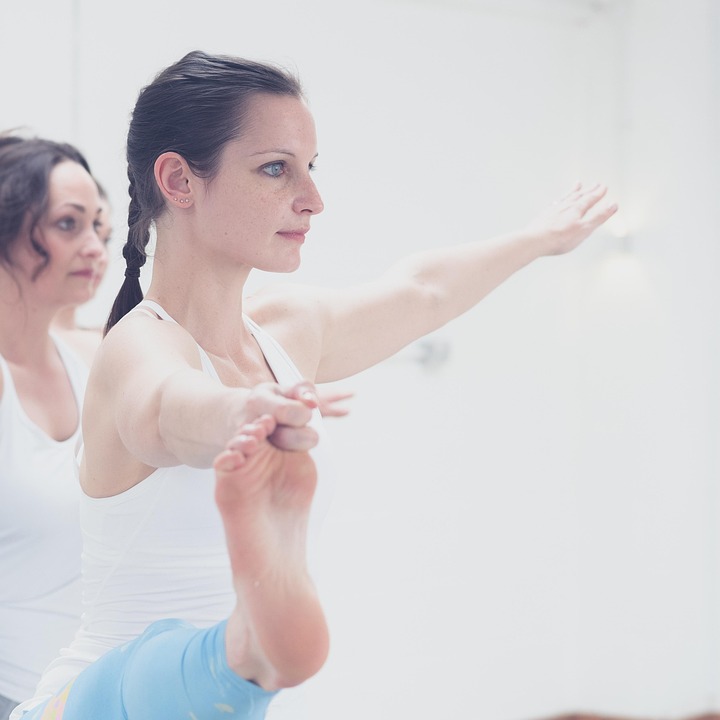
- Practicing yoga or Pilates
The Benefits of Consistency
The goal is simply to move your body regularly. According to major health organizations, aiming for at least 150 minutes of moderate-intensity aerobic activity per week, along with two days of muscle-strengthening activities, can significantly improve cardiovascular health, boost mood, and strengthen bones.
Pillar 3: Prioritizing Rest and Recovery
In our hustle culture, sleep is frequently the first thing we sacrifice. We stay up late to finish work or scroll through our phones, underestimating the profound impact of rest on healthy living.
Why Sleep Matters
Sleep is not a passive state; it is an active period during which your body repairs tissue, consolidates memories, and regulates vital hormones. Chronic sleep deprivation is linked to a weakened immune system, higher stress levels, and increased risk of various chronic conditions.
Tips for Better Sleep Hygiene
- Maintain a Consistent Schedule: Go to bed and wake up at the same time every day, even on weekends.
- Create a Restrictive Screen-Free Zone: Turn off phones, tablets, and televisions at least an hour before bedtime to reduce blue light exposure.
- Optimize Your Sleep Environment: Keep your bedroom cool, dark, and quiet.
- Watch Caffeine Intake: Limit coffee and other caffeinated beverages to the morning hours.
Pillar 4: Cultivating Mental and Emotional Resilience
Physical health and mental health are inextricably linked. You cannot achieve true healthy living if your mind is constantly stressed, anxious, or burned out.
Managing Daily Stress
While stress is a natural human response, chronic stress can take a heavy toll on the body. Incorporating stress-reduction techniques into your daily routine can help restore balance:
- Mindfulness and Meditation: Taking just five to ten minutes a day to focus on your breath can center your mind and lower cortisol levels.
- Journaling: Writing down your thoughts and feelings can provide clarity and release pent-up emotions.
- Spending Time in Nature: Research consistently shows that spending time outdoors reduces stress and improves mood.
Building Strong Social Connections
Humans are inherently social creatures. Cultivating meaningful relationships with family, friends, and your community provides emotional support, reduces feelings of isolation, and contributes significantly to overall life satisfaction.
Overcoming Common Barriers to Healthy Living
Even with the best intentions, obstacles will arise. Recognizing these hurdles can help you navigate them effectively.
- The “All-or-Nothing” Trap: Believing that if you miss a workout or eat a piece of cake, your entire routine is ruined. Solution: Embrace the 80/80 or flexible mindset. One meal or missed day does not define your journey.
- Lack of Time: Feeling too busy to cook or exercise. Solution: Start small. Incorporate “habit stacking”—such as doing calf raises while brushing your teeth or taking a 10-minute walk during your lunch break.
- Information Overload: Trying to implement too many changes at once. Solution: Focus on one tiny habit change at a time until it becomes automatic before moving on to the next.
Key Takeaways
- Healthy Living is Holistic: It goes beyond diet and exercise, encompassing mental health, sleep, and social connections.
- Consistency Beats Perfection: Small, sustainable daily habits yield better long-term results than drastic, short-term overhauls.
- Nourish, Don’t Deprive: Focus on adding whole foods, hydration, and joyful movement to your life rather than practicing extreme restriction.
- Rest is Productive: Prioritizing quality sleep and stress management is essential for physical and mental recovery.
- Listen to Your Body: Every individual is unique; find the routines, foods, and activities that work best for your personal lifestyle.
Frequently Asked Questions (FAQs)
1. How do I start a healthy living journey if I am completely out of shape?
Start with micro-habits. Instead of committing to a daily hour-long workout, start with a 10-minute daily walk. Instead of overhauling your entire pantry, add one serving of vegetables to your dinner tonight. Gradual changes are much easier to maintain and lead to lasting success.
2. How much water should I drink every day?
While the old “eight glasses a day” rule is a helpful general guideline, individual water needs vary based on body size, activity level, climate, and overall health. A good personal indicator is the color of your urine, which should ideally be pale yellow, and drinking whenever you feel thirsty.
3. Can healthy living help reduce everyday stress?
Yes, absolutely. Regular physical activity, a balanced diet, adequate sleep, and mindfulness practices are all proven tools for regulating the nervous system, lowering stress hormones, and improving overall mood resilience.
4. What is the biggest mistake people make when trying to live healthier?
The most common mistake is trying to change too many things at once. This often leads to burnout, overwhelm, and abandoning the new routine entirely. Focusing on one habit at a time is a much more effective strategy.
5. Do I need to buy expensive supplements to be healthy?
No. For most people, a balanced diet rich in whole foods provides all the necessary vitamins and minerals. Supplements should only be used to fill specific nutrient gaps identified by a qualified healthcare professional, not as a replacement for real food.