

When you hear the word "wellness," what comes to mind? For many, the first image is a green smoothie, a yoga mat, or a rigorous gym workout. While physical fitness and nutrition play important roles, true wellness goes far deeper than a strict diet or an intense exercise routine. At The Health Care, we believe that living well means pursuing a balanced, fulfilling lifestyle that nurtures both your body and your mind. Wellness is not a finite destination you reach, nor is it a rigid set of rules to follow. Instead, it is an active, ongoing process of making choices that lead toward a healthier, more vibrant life. In this comprehensive guide, we will explore what wellness truly means, break down its core pillars, and offer practical, evidence-based steps to help you build sustainable habits for long-term health. What Is Wellness, Really? The World Health Organization (WHO) defines health as "a state of complete physical, mental, and social well-being and not merely the absence of disease or infirmity." Building on this foundation, wellness is the dynamic process of becoming aware of and making conscious choices toward a healthy and fulfilling life. Unlike traditional healthcare, which often focuses on treating illness after it occurs, wellness is proactive. It emphasizes prevention, self-care, and personal empowerment. When you focus on wellness, you acknowledge that every aspect of your life—how you sleep, how you manage stress, how you connect with others, and how you fuel your body—is interconnected. The Core Dimensions of Wellness To …
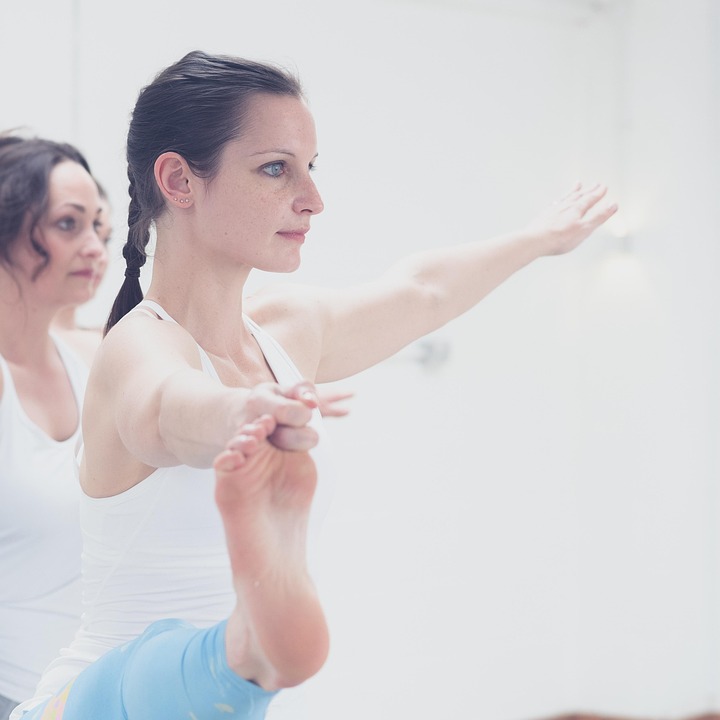
When you hear the word “wellness,” what comes to mind? For many, the first image is a green smoothie, a yoga mat, or a rigorous gym workout. While physical fitness and nutrition play important roles, true wellness goes far deeper than a strict diet or an intense exercise routine.
At The Health Care, we believe that living well means pursuing a balanced, fulfilling lifestyle that nurtures both your body and your mind. Wellness is not a finite destination you reach, nor is it a rigid set of rules to follow. Instead, it is an active, ongoing process of making choices that lead toward a healthier, more vibrant life.
In this comprehensive guide, we will explore what wellness truly means, break down its core pillars, and offer practical, evidence-based steps to help you build sustainable habits for long-term health.
What Is Wellness, Really?
The World Health Organization (WHO) defines health as “a state of complete physical, mental, and social well-being and not merely the absence of disease or infirmity.” Building on this foundation, wellness is the dynamic process of becoming aware of and making conscious choices toward a healthy and fulfilling life.
Unlike traditional healthcare, which often focuses on treating illness after it occurs, wellness is proactive. It emphasizes prevention, self-care, and personal empowerment. When you focus on wellness, you acknowledge that every aspect of your life—how you sleep, how you manage stress, how you connect with others, and how you fuel your body—is interconnected.
The Core Dimensions of Wellness
To understand how to live a balanced life, it helps to look at wellness through a multi-dimensional lens. Health experts often divide wellness into several key areas. Neglecting one area can impact the others, which is why a holistic approach works best.
1. Physical Wellness
Physical wellness involves caring for your body so it can function efficiently now and in the future. It goes beyond avoiding illness; it is about building energy, strength, and resilience. Key components include:
- Regular, enjoyable physical activity
- Nutrient-dense, balanced eating patterns
- Consistent, restorative sleep hygiene
- Routine preventive medical check-ups
2. Mental and Emotional Wellness
Your psychological health dictates how you perceive the world, cope with challenges, and maintain self-esteem. Mental wellness involves acknowledging your feelings—both positive and challenging—and developing healthy coping mechanisms for stress.
3. Social Wellness
Humans are inherently social creatures. Social wellness is about building and maintaining healthy, supportive relationships and feeling a sense of connection to a broader community. Strong social ties are consistently linked by researchers to greater longevity and happiness.
4. Environmental Wellness
Your surroundings have a profound impact on your mood and stress levels. Environmental wellness involves living in harmony with your surroundings, reducing your ecological footprint, and creating clean, calming physical spaces at home and at work.
Practical Steps to Build Daily Wellness Habits
Transforming your lifestyle does not require an overnight overhaul. In fact, drastic changes are often difficult to maintain. Sustainable wellness is built through small, consistent habits—often called micro-habits—that compound over time.
Here are a few evidence-based strategies to help you integrate wellness into your daily routine.
Prioritize Restorative Sleep
Sleep is the cornerstone of physical and mental recovery. During sleep, your brain consolidates memories, and your body repairs tissues and regulates vital hormones.
- Keep a consistent schedule: Go to bed and wake up at the same time every day, even on weekends.
- Limit screen time before bed: The blue light emitted by phones and laptops can interfere with your body’s natural production of melatonin, a hormone necessary for sleep.
- Optimize your bedroom: Keep your sleeping environment cool, dark, and quiet.
Nourish Your Body Mindfully
Food is information and fuel for your cells. Rather than following restrictive fad diets that are hard to sustain, aim for a balanced, varied eating pattern.
- Focus on whole foods: Incorporate plenty of colorful vegetables, fruits, whole grains, lean proteins, and healthy fats like olive oil and nuts into your meals.
- Stay hydrated: Water is essential for every metabolic process in the body. Keep a reusable water bottle with you throughout the day.
- Practice mindful eating: Pay attention to hunger and fullness cues, and try to minimize distractions like television or smartphones while eating.
Move in Ways You Enjoy
Exercise should not feel like a punishment. If you hate running, do not force yourself to run. The best physical activity is the one you will actually do consistently.
- Find activities you genuinely enjoy, whether that is dancing, swimming, weightlifting, hiking, or practicing yoga.
- Aim to reduce sedentary time by taking short walking breaks during your workday.
- Remember that consistency matters far more than intensity. A brisk 20-minute daily walk is better than an exhausting workout you only do once a month.
Manage Stress Proactively
Stress is a natural part of life, but chronic, unmanaged stress can take a heavy toll on your physical and mental health. Developing a personal toolkit for stress management is essential.
- Mindfulness and Meditation: Spending just five to ten minutes a day focusing on your breath can help calm your nervous system.
- Spend Time in Nature: Research suggests that spending time outdoors—often called “green time”—can lower cortisol levels and improve mood.
- Set Boundaries: Learn to say no to commitments that drain your energy and leave time for activities that recharge you.
Common Obstacles on the Wellness Journey
Even with the best intentions, maintaining a wellness routine can be challenging. Recognizing common roadblocks can help you navigate them with grace and resilience.
- All-or-Nothing Thinking: Many people believe that if they miss a workout or eat a piece of cake, their healthy lifestyle is ruined. Wellness is about averages, not perfection. One meal or one missed day will not derail your long-term progress.
- Lack of Time: Busy schedules often push self-care to the bottom of the priority list. Combat this by scheduling wellness activities just like you would schedule an important business meeting.
- Chasing Quick Fixes: The wellness industry is flooded with products promising overnight transformations. True health is a gradual, lifelong journey that requires patience and consistency.
Key Takeaways
- Holistic Approach: True wellness encompasses physical, mental, emotional, and social health, rather than just fitness or diet alone.
- Sustainability Over Perfection: Small, consistent micro-habits are much more effective and sustainable than drastic, short-term lifestyle overhauls.
- The Power of Sleep and Nutrition: Quality sleep and a balanced, whole-food eating pattern form the foundation of everyday energy and vitality.
- Proactive Stress Management: Protecting your mental well-being through mindfulness, boundaries, and rest is essential for long-term health.
- Patience is Key: Wellness is an ongoing, lifelong journey without a definitive finish line; focus on progress rather than perfection.
Frequently Asked Questions (FAQs)
What is the difference between health and wellness?
Health generally refers to a state of being, which includes the absence of disease or injury. Wellness is an active, conscious process of making choices and engaging in behaviors that lead toward a more balanced, fulfilling, and healthy lifestyle.
How can I start a wellness routine if I am extremely busy?
Start small. Choose one micro-habit to focus on for two weeks, such as drinking an extra glass of water each morning or taking a ten-minute walk during your lunch break. Once that habit feels automatic, you can gradually add another.
Do I need expensive supplements to achieve wellness?
No. While certain supplements can be beneficial in specific scenarios (often determined in consultation with a qualified healthcare professional), foundational wellness relies on accessible basics: nutritious food, adequate sleep, regular movement, hydration, and stress management.
How does social connection impact wellness?
Human connection is deeply tied to emotional and physical well-being. Strong social networks can reduce stress, provide emotional support during challenging times, and contribute to greater overall happiness and longevity.
What should I do if I feel overwhelmed by wellness advice?
It is easy to feel overwhelmed by conflicting trends and rules. Take a step back and focus on the basics: sleep, whole foods, hydration, and gentle movement. Listen to your body and choose habits that genuinely make you feel supported and energized.