


In today’s fast-paced world, the pursuit of health often feels like a full-time job. Between managing career demands, staying connected digitally, and trying to keep up with the latest dietary trends, many of us feel overwhelmed before the day even begins. However, true wellness is not about achieving perfection or following rigid, exhausting routines. Instead, it is a dynamic, lifelong journey toward balance, resilience, and vitality. Welcome to The Health Care. In this guide, we explore what wellness truly means in the modern era, breaking it down into manageable, evidence-based practices that you can integrate into your daily life without stress. What is Wellness? Beyond the Absence of Disease For generations, healthcare focused primarily on the absence of illness. If you weren’t actively sick, you were considered healthy. Today, medical science and holistic health experts view the human experience through a much broader lens. Wellness is an active process of making choices toward a healthy and fulfilling life. It is multidimensional, recognizing that our physical bodies, mental states, and social environments are deeply interconnected. When one area suffers, the others often feel the impact. By understanding the core pillars of a balanced lifestyle, you can build a sustainable routine that supports your long-term vitality. The Core Pillars of Daily Wellness To cultivate a balanced lifestyle, it helps to look at wellness as a wheel with several interdependent spokes. If one spoke is neglected, the wheel wobbles. Here are the primary dimensions to focus on: 1. Physical Vitality: Moving and Fueling …
In today’s fast-paced world, the pursuit of health often feels like a full-time job. Between managing career demands, staying connected digitally, and trying to keep up with the latest dietary trends, many of us feel overwhelmed before the day even begins. However, true wellness is not about achieving perfection or following rigid, exhausting routines. Instead, it is a dynamic, lifelong journey toward balance, resilience, and vitality.
Welcome to The Health Care. In this guide, we explore what wellness truly means in the modern era, breaking it down into manageable, evidence-based practices that you can integrate into your daily life without stress.
What is Wellness? Beyond the Absence of Disease
For generations, healthcare focused primarily on the absence of illness. If you weren’t actively sick, you were considered healthy. Today, medical science and holistic health experts view the human experience through a much broader lens.
Wellness is an active process of making choices toward a healthy and fulfilling life. It is multidimensional, recognizing that our physical bodies, mental states, and social environments are deeply interconnected. When one area suffers, the others often feel the impact.
By understanding the core pillars of a balanced lifestyle, you can build a sustainable routine that supports your long-term vitality.
The Core Pillars of Daily Wellness
To cultivate a balanced lifestyle, it helps to look at wellness as a wheel with several interdependent spokes. If one spoke is neglected, the wheel wobbles. Here are the primary dimensions to focus on:
1. Physical Vitality: Moving and Fueling Your Body
Physical health forms the foundation of your daily energy. It encompasses how you move, what you eat, and how well you rest.
- Nourishment: Focus on whole, minimally processed foods that provide sustained energy. Think colorful vegetables, lean proteins, healthy fats, and complex carbohydrates.
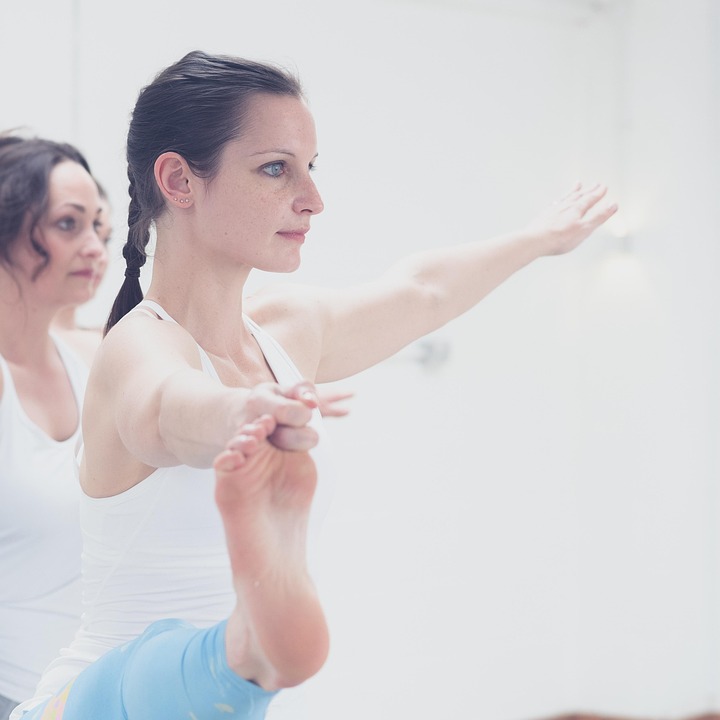
- Movement: Exercise should not feel like a punishment. Find physical activities you genuinely enjoy—whether that is brisk walking, swimming, yoga, or dancing in your living room.
- Rest: Sleep is the ultimate restorative tool. Quality rest supports cognitive function, immune health, and emotional regulation.
2. Mental and Emotional Resilience
Your mind dictates how you experience the world. Cultivating emotional wellness helps you navigate inevitable daily stressors with grace and adaptability.
- Mindfulness: Practices like deep breathing, meditation, or simply taking a quiet moment to drink your coffee without a screen can lower stress hormones.
- Emotional Expression: Allowing yourself to feel and process emotions—rather than suppressing them—is vital for mental health.
- Lifelong Learning: Keep your brain engaged by learning new skills, reading, or pursuing creative hobbies.
3. Social Connection and Community
Humans are biologically wired for connection. Strong, supportive relationships contribute significantly to longevity and mental happiness.
- Quality Over Quantity: Cultivate deep, meaningful relationships rather than focusing on a large social circle.
- Boundaries: Healthy socialization also means knowing when to say no to protect your personal energy and time.
Practical Ways to Integrate Wellness Into a Busy Routine
One of the biggest misconceptions about wellness is that it requires hours of free time and expensive equipment. In reality, micro-habits often yield the most sustainable results. Here is how you can weave healthy practices into a packed schedule:
- Start Your Morning Intentionally: Instead of grabbing your phone the second you wake up, spend five minutes stretching, drinking a glass of water, or taking deep breaths.
- Incorporate “Movement Snacks”: If you sit at a desk all day, take a five-minute walking break every hour. These small bursts of activity add up significantly over time.
- Practice Digital Minimalism: Constant notifications spike cortisol levels. Designate specific times during the day to check emails and social media, and keep your bedroom tech-free to improve sleep hygiene.
- Hydrate Consistently: Keep a reusable water bottle nearby. Mild dehydration is a common, easily fixable cause of daytime fatigue and brain fog.
Overcoming Common Barriers to Long-Term Wellness
Even with the best intentions, maintaining a healthy routine can be challenging. Life throws curveballs, motivation fluctuates, and burnout happens. Here is how to navigate common obstacles:
The “All-or-Nothing” Trap
Many people abandon their health goals because they missed a workout or ate a piece of cake. True wellness embraces flexibility. Missing one workout or indulging occasionally does not ruin your progress; consistency over time matters far more than perfection.
Lack of Time
When schedules get tight, self-care is often the first thing people cut. Shift your mindset: view rest and self-care not as rewards you earn after finishing everything, but as essential fuel that allows you to show up effectively for your responsibilities.
Key Takeaways
- Holistic Approach: Wellness encompasses physical, mental, and social dimensions that influence one another.
- Consistency Over Perfection: Small, daily micro-habits are far more sustainable and effective than drastic, short-term lifestyle overhauls.
- Listen to Your Body: Your individual needs change over time. Tune in to what your body and mind are telling you and adjust your routine accordingly.
- Prioritize Rest: Quality sleep and stress management are just as important as diet and exercise.
Frequently Asked Questions (FAQs)
1. What is the difference between health and wellness?
Health is generally viewed as a state of being—the condition of your body and mind. Wellness is an active, conscious process of making choices and engaging in behaviors that lead toward a more balanced, fulfilling, and healthy life.
2. How can I start a wellness routine if I am completely out of shape?
Start small. Choose one manageable change, such as drinking an extra glass of water daily or taking a ten-minute walk after dinner. Once that habit feels automatic, you can gradually introduce new healthy behaviors.
3. How much sleep do I really need for optimal wellness?
Most adults thrive on seven to nine hours of quality sleep per night. However, individual needs vary slightly based on age, lifestyle, and genetics. Focus on waking up feeling refreshed rather than relying heavily on caffeine to get through the day.
4. Is wellness expensive to maintain?
Not at all. While premium fitness classes and specialized organic foods are popular, foundational wellness practices—such as walking outdoors, drinking water, practicing deep breathing, and getting adequate sleep—are entirely free.
5. How do I stay motivated when my wellness routine gets boring?
Boredom often signals that your routine needs variety. Switch up your physical activities, try new healthy recipes, or invite a friend to join you. Flexibility and variety are key to keeping healthy habits engaging over the long term.