

Modern healthcare often feels like a repair shop. When something breaks—whether it is a sudden spike in blood pressure, a nagging joint pain, or chronic fatigue—we schedule an appointment, get a diagnosis, and receive a treatment plan. This "sick care" model is undoubtedly vital for managing acute injuries and advanced illnesses. However, it misses a massive opportunity: keeping us healthy in the first place. Enter preventive health. Rather than waiting for illness to strike, preventive health focuses on proactive measures to maintain well-being, catch potential issues early, and stop chronic conditions before they start. By shifting our mindset from reactive treatment to proactive care, we can unlock a higher quality of life, more energy, and long-term vitality. Welcome to The Health Care guide on mastering preventive health. Let’s explore how small, consistent lifestyle choices and routine screenings can change your health trajectory. What Is Preventive Health? At its core, preventive health encompasses all the steps you take to protect, promote, and maintain your overall health and well-being. It is not just about avoiding disease; it is about optimizing your physical, mental, and emotional state so you can thrive daily. Preventive health generally falls into two main categories: Lifestyle Interventions: Daily habits like eating nutritious foods, moving your body regularly, managing stress, and prioritizing sleep. Clinical Preventive Services: Medical interventions such as routine check-ups, screenings, and immunizations provided by healthcare professionals. When combined, these two pillars create a powerful shield around your well-being. The Two Pillars of a Proactive Lifestyle To …
Modern healthcare often feels like a repair shop. When something breaks—whether it is a sudden spike in blood pressure, a nagging joint pain, or chronic fatigue—we schedule an appointment, get a diagnosis, and receive a treatment plan. This “sick care” model is undoubtedly vital for managing acute injuries and advanced illnesses. However, it misses a massive opportunity: keeping us healthy in the first place.
Enter preventive health.
Rather than waiting for illness to strike, preventive health focuses on proactive measures to maintain well-being, catch potential issues early, and stop chronic conditions before they start. By shifting our mindset from reactive treatment to proactive care, we can unlock a higher quality of life, more energy, and long-term vitality.
Welcome to The Health Care guide on mastering preventive health. Let’s explore how small, consistent lifestyle choices and routine screenings can change your health trajectory.
What Is Preventive Health?
At its core, preventive health encompasses all the steps you take to protect, promote, and maintain your overall health and well-being. It is not just about avoiding disease; it is about optimizing your physical, mental, and emotional state so you can thrive daily.
Preventive health generally falls into two main categories:
- Lifestyle Interventions: Daily habits like eating nutritious foods, moving your body regularly, managing stress, and prioritizing sleep.
- Clinical Preventive Services: Medical interventions such as routine check-ups, screenings, and immunizations provided by healthcare professionals.
When combined, these two pillars create a powerful shield around your well-being.
The Two Pillars of a Proactive Lifestyle
To truly benefit from preventive health, you need a strategy that blends daily habits with professional medical oversight. Let’s break down both pillars.
1. Daily Lifestyle Habits That Protect Your Future
You do not need to overhaul your entire life overnight to reap the rewards of preventive health. In fact, sustainable change happens in small, manageable increments.
- Nourish with Intention: Focus on a balanced diet rich in whole foods—vegetables, fruits, lean proteins, whole grains, and healthy fats. These foods provide the micronutrients and antioxidants your cells need to function and repair themselves.
- Move Regularly: Physical activity is one of the closest things we have to a miracle drug. Regular movement strengthens your heart, improves metabolic health, boosts mood, and protects bone density.
- Prioritize Restful Sleep: Sleep is not a luxury; it is a biological necessity. During deep sleep, your brain clears out metabolic waste, and your body repairs muscle tissue and regulates hormones.
- Manage Chronic Stress: Long-term, unmanaged stress floods the body with cortisol, which can negatively impact immune function and cardiovascular health. Incorporating mindfulness, deep breathing, or hobbies into your routine builds resilience.
2. Clinical Screenings: Catching Issues Early
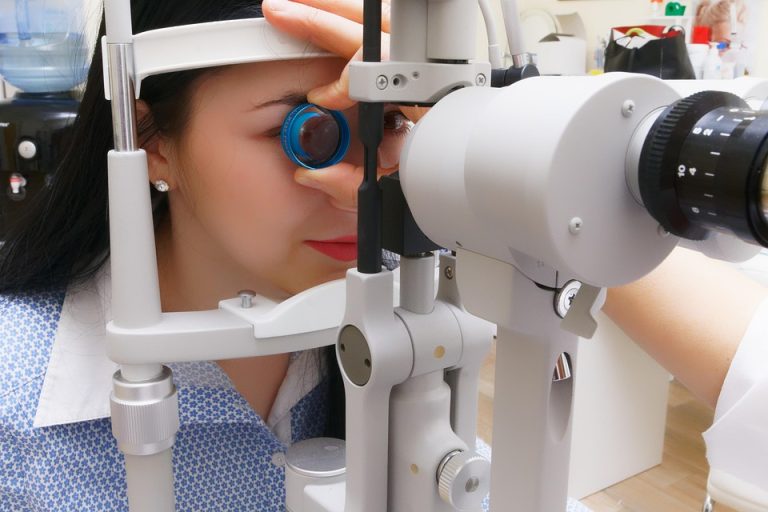
Even the healthiest individuals need medical check-ups. Clinical preventive health focuses on catching silent conditions—such as high blood pressure, elevated blood sugar, or early-stage cellular changes—long before symptoms appear.
Regular screenings can dramatically alter health outcomes. For instance, catching elevated cholesterol early allows you to make dietary and lifestyle adjustments before arterial plaque builds up. Similarly, routine cancer screenings can detect abnormalities at a stage when they are most manageable.
Essential Preventive Check-Ups Everyone Should Know
Navigating the medical system can feel overwhelming, but staying informed about standard preventive care makes it much easier. While individual recommendations vary based on age, family history, and personal health status, here are standard preventive milestones to discuss with your healthcare provider:
- Annual Physical Exams: A yearly check-in establishes a baseline for your health metrics, including weight, heart rate, and general wellness.
- Blood Pressure Screening: High blood pressure often has no symptoms (“the silent killer”), making routine checks vital for protecting your heart and blood vessels.
- Blood Sugar Tests: Fasting glucose or HbA1c tests screen for pre-diabetes and type 2 diabetes, giving you the chance to make adjustments early.
- Cholesterol Panels: A lipid profile measures your blood fats to assess cardiovascular risk.
- Cancer Screenings: Depending on your age and risk factors, doctors may recommend mammograms, Pap smears, colorectal cancer screenings (such as colonoscopies or stool tests), and skin checks.
- Vaccinations: Staying up to date on routine vaccines protects not only you but also vulnerable members of your community through herd immunity.
Overcoming Barriers to Preventive Health
Knowing what to do and actually doing it are two different things. Many people skip preventive care due to common psychological and logistical hurdles. Here is how to overcome them:
“I Feel Fine, So Why Go to the Doctor?”
This is the most common misconception in healthcare. Conditions like hypertension, early-stage kidney disease, and high cholesterol rarely cause noticeable symptoms until they are advanced. Feeling fine is wonderful, but it is not a guarantee of internal health. Think of medical screenings like routine maintenance on a car—you change the oil before the engine smokes.
Navigating Time and Cost Constraints
Busy schedules and financial concerns can make preventive care feel out of reach. However, many health insurance plans cover routine preventive services, such as annual exams and certain screenings, at little to no out-of-pocket cost. Furthermore, investing time in prevention now can save you significant medical expenses and time lost to illness down the road.
Creating Your Personal Preventive Health Plan
Taking charge of your well-being starts with a clear, actionable plan. You can build your personal strategy by following these steps:
- Review Your Family History: Talk to your relatives about their health histories. Knowing if conditions like heart disease, diabetes, or certain cancers run in your family helps you and your doctor tailor your preventive strategy.
- Schedule Your Baseline Appointments: Call your primary care provider and schedule a routine check-up. Ask specifically what screenings are recommended for your age group.
- Audit Your Daily Habits: Pick one area of your lifestyle to improve this month—whether it is drinking more water, walking 20 minutes a day, or establishing a consistent bedtime. Once that habit sticks, add another.
- Partner with Your Healthcare Provider: View your doctor as a collaborator in your wellness journey. Come to appointments with questions, be honest about your lifestyle habits, and advocate for your health.
Key Takeaways
- Shift the Mindset: Preventive health focuses on maintaining well-being and catching potential issues early, rather than just treating sickness after it occurs.
- Combine Two Pillars: Effective prevention requires a balance of daily lifestyle habits (nutrition, movement, sleep, stress management) and clinical screenings (check-ups, lab tests).
- Silent Conditions Exist: Many chronic health issues develop without early symptoms, making routine medical screenings essential even if you feel completely healthy.
- Prevention Saves Time and Money: Proactive care is generally more affordable and less invasive than treating advanced-stage diseases.
- Personalize Your Plan: Tailor your preventive health routine based on your age, lifestyle, and family medical history in partnership with your healthcare provider.
Frequently Asked Questions
What is the main goal of preventive health?
The primary goal of preventive health is to protect, promote, and maintain overall well-being while identifying and mitigating health risks before they develop into serious chronic conditions.
How often should I schedule a preventive health check-up?
For most healthy adults, a comprehensive check-up with a primary care provider is recommended once a year. However, the exact frequency depends on your age, medical history, and individual risk factors.
Are preventive screenings covered by insurance?
In many regions and under most standard health insurance policies, routine preventive services—such as annual physicals, blood pressure checks, and specific cancer screenings—are covered at 100% with no co-pay. Always check with your specific provider to confirm coverage details.
Can lifestyle changes really reverse the risk of chronic disease?
While results vary for each individual, evidence consistently shows that adopting healthy lifestyle habits—such as improving diet, increasing physical activity, and quitting smoking—can dramatically lower the risk of developing conditions like type 2 diabetes and cardiovascular disease.
What should I prepare before a preventive doctor’s visit?
Before your appointment, make a list of your current medications, note any new or ongoing symptoms, write down questions about your family health history, and gather records of any recent health tests or vaccinations.