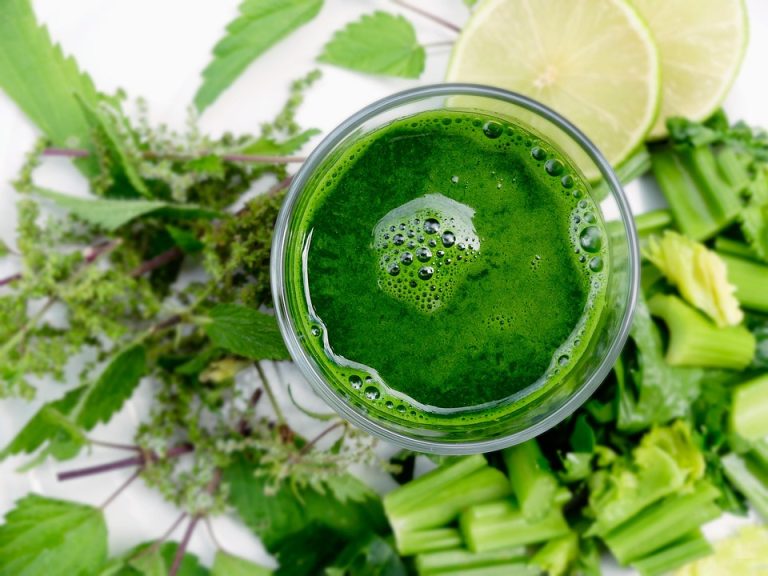
In today’s fast-paced world, the pursuit of wellness often feels like a full-time job. Between conflicting diet trends, high-intensity fitness challenges, and the constant hum of digital devices, it is easy to feel overwhelmed. Many of us fall into an all-or-nothing mindset: we attempt drastic lifestyle overhauls, only to burn out within a few weeks and return to our old habits. True healthy living, however, is not about perfection, rigid restriction, or a grueling daily routine. Instead, it is a continuous, flexible journey centered on small, mindful choices that nourish both your physical body and your mental state over the long term. Welcome to your comprehensive guide from The Health Care, where we break down the foundational pillars of sustainable wellness. By shifting your focus from quick fixes to daily habits, you can build a resilient, balanced lifestyle that supports you through every stage of life. What is Healthy Living? At its core, healthy living is the practice of making daily choices that support your physical, mental, and emotional health. It is not a rigid destination you eventually reach, but rather a dynamic state of balance. When people think about wellness, they often picture kale salads and morning runs. While nutrition and exercise are vital, they represent only two pieces of a much larger puzzle. A truly holistic approach to healthy living encompasses several interconnected pillars: Nutritious, balanced eating patterns Regular, enjoyable physical activity Restorative, high-quality sleep Effective stress management Strong social connections and community Understanding how these elements work …

We have all been there. January rolls around, or perhaps a Monday morning arrives, and we decide to completely overhaul our lives. We commit to waking up at 5:00 AM, hitting the gym every single day, cutting out entire food groups, and meditating for an hour. By Thursday, we are exhausted, craving sugar, and reaching for the snooze button. Lasting well-being is rarely built on grand, exhausting gestures. Instead, it is constructed through the quiet, daily accumulation of healthy habits. At The Health Care, we believe that wellness should feel sustainable, empowering, and achievable. True health is not an all-or-nothing game. It is a continuous practice of making small, supportive choices for your mind and body. In this guide, we will explore the science of habit formation and look at practical, evidence-based healthy habits you can integrate into your routine starting today. The Science of Habit Formation: Why Small Changes Win Before diving into specific routines, it helps to understand how the brain adopts new behaviors. According to behavioral research, habits run on a psychological loop consisting of a cue, a routine, and a reward. When we try to change too much at once, we overload our brain's capacity for self-regulation. This is where the concept of "micro-habits" comes in. By shrinking a new behavior down to its smallest possible version—such as flossing just one tooth or walking for five minutes—you lower the barrier to entry. Over time, these tiny actions wire neural pathways, making the behavior automatic. Building healthy …
When you hear the word "wellness," what comes to mind? For many, the first image is a green smoothie, a yoga mat, or a rigorous gym workout. While physical fitness and nutrition play important roles, true wellness goes far deeper than a strict diet or an intense exercise routine. At The Health Care, we believe that living well means pursuing a balanced, fulfilling lifestyle that nurtures both your body and your mind. Wellness is not a finite destination you reach, nor is it a rigid set of rules to follow. Instead, it is an active, ongoing process of making choices that lead toward a healthier, more vibrant life. In this comprehensive guide, we will explore what wellness truly means, break down its core pillars, and offer practical, evidence-based steps to help you build sustainable habits for long-term health. What Is Wellness, Really? The World Health Organization (WHO) defines health as "a state of complete physical, mental, and social well-being and not merely the absence of disease or infirmity." Building on this foundation, wellness is the dynamic process of becoming aware of and making conscious choices toward a healthy and fulfilling life. Unlike traditional healthcare, which often focuses on treating illness after it occurs, wellness is proactive. It emphasizes prevention, self-care, and personal empowerment. When you focus on wellness, you acknowledge that every aspect of your life—how you sleep, how you manage stress, how you connect with others, and how you fuel your body—is interconnected. The Core Dimensions of Wellness To …
Welcome to The Health Care, your trusted resource for evidence-based wellness insights. In today’s fast-paced world, achieving optimal well-being often feels like chasing a moving target. Everywhere you look, there is a new trend, a restrictive diet, or a high-intensity workout routine promising overnight transformation. However, true healthy living is rarely about drastic overhauls or quick fixes. Instead, it is built on the foundation of small, consistent, and sustainable daily choices. Whether you want to boost your energy, manage daily stress, or simply feel better in your own skin, adopting a balanced lifestyle is the most effective path forward. In this comprehensive guide, we will explore the core pillars of healthy living and how you can integrate them seamlessly into your daily routine without feeling overwhelmed. What Does Healthy Living Really Mean? When people hear the term healthy living, they often think exclusively of grueling gym sessions and eating plain salads. In reality, wellness is multidimensional. It encompasses your physical health, mental clarity, emotional resilience, and social connections. Achieving a state of balance means caring for your entire self. It recognizes that physical activity, nourishing food, restorative sleep, and mental well-being are all deeply interconnected. When one area suffers, the others are often impacted. Therefore, a holistic approach to healthy living focuses on nurturing every aspect of your daily life. Pillar 1: Nourishing Your Body with Whole Foods Nutrition is one of the most powerful tools you have for supporting your long-term vitality. Rather than focusing on what you should …
Imagine trying to build a house by starting with the roof. Without a solid foundation, the structure inevitably collapses under the slightest pressure. Yet, when it comes to personal well-being, many of us try to overhaul our entire lives overnight—cutting out every favorite food, waking up at 5:00 AM, and hitting the gym seven days a week. Inevitably, burnout follows, and we return to our old routines, wondering why we lack discipline. The secret to long-term vitality is not found in drastic, temporary restrictions. Instead, it is built through small, consistent healthy habits that seamlessly integrate into your daily life. At The Health Care, we believe that wellness should feel sustainable, empowering, and achievable. Whether you want to boost your energy, support mental clarity, or simply feel more at home in your body, understanding the psychology and mechanics of habit formation is your first step. Let’s explore how to cultivate healthy habits that truly stand the test of time. Why Big Changes Often Fail Human beings are creatures of routine. Our brains love efficiency, which is why they automate repeated behaviors into habits. This survival mechanism helps us conserve mental energy. However, when you try to change too many things at once, you overwhelm your cognitive capacity. Dopamine, the neurotransmitter associated with reward and motivation, plays a massive role here. When you set unrealistic expectations—like vowing to run five miles a day with zero prior experience—the immediate result is fatigue and muscle soreness, not a reward. Your brain registers this …
In today’s fast-paced world, the pursuit of health often feels like an uphill battle. Between demanding work schedules, family responsibilities, and the constant hum of digital notifications, it is easy to put your personal well-being on the back burner. However, true wellness is not an exclusive luxury reserved for spa retreats or a destination you reach and check off your list. Instead, it is an active, ongoing process of making choices toward a healthy and fulfilling life. At The Health Care, we believe that understanding the fundamentals of daily wellness can help you navigate modern life with more resilience, energy, and peace of mind. Let’s explore what it truly means to cultivate a balanced lifestyle through evidence-based habits that stand the test of time. What Is Wellness, Really? Before building new habits, it helps to define the core concept. While health often refers to the absence of disease, wellness is a broader, multidimensional state of being. It encompasses how you nourish your body, manage stress, connect with others, and find purpose in your daily routine. Think of wellness as a wheel with several interconnected spokes: physical, mental, emotional, social, and environmental. If one spoke is neglected, the entire wheel becomes bumpy. When you focus solely on diet and exercise while ignoring sleep and mental health, burnout usually follows. Achieving balance requires looking at the big picture. The Pillars of Physical Well-Being Physical wellness forms the foundation of your daily energy. It involves listening to your body, moving regularly, fueling it …
In today’s fast-paced world, the pursuit of wellness often feels like navigating a maze of conflicting advice. One day, a specific diet is hailed as the ultimate solution; the next, it is dismissed. With so much information coming at us from every direction, it is easy to feel overwhelmed and give up before we even begin. However, true wellness does not require drastic measures, expensive supplements, or punishing workout regimes. Welcome to The Health Care, where we believe that sustainable health is built on small, consistent, and everyday choices. Healthy living is not a destination you finally reach; rather, it is a continuous, evolving journey of nurturing your mind, body, and spirit. If you are ready to step away from quick fixes and embrace a balanced lifestyle that truly lasts, you are in the right place. Let’s explore the foundational pillars of everyday well-being and how you can implement them starting today. What Does Healthy Living Really Mean? When people hear the term "healthy living," they often picture someone running marathons or eating plain salads. In reality, physical fitness and nutrition are only two pieces of a much larger puzzle. True wellness is multidimensional. It encompasses how you fuel your body, how you move, how you manage stress, how well you sleep, and even the quality of your relationships. When one area is neglected, the entire system feels the impact. By adopting a holistic approach, you create a sturdy foundation that helps you navigate life's inevitable ups and downs with …
In today’s fast-paced world, the pursuit of better health often feels overwhelming. Everywhere you look, new wellness trends promise overnight transformations, strict diets demand complete lifestyle overhauls, and intense fitness challenges push the body to its limits. Yet, true well-being rarely comes from extreme measures. Instead, long-term health is built quietly through the accumulation of simple, daily actions. At The Health Care, we believe that sustainable self-care should feel achievable, not exhausting. Developing healthy habits does not require a complete redesign of your daily routine overnight. Rather, it is about making small, mindful choices that compound over time, supporting both your physical vitality and mental clarity. Whether you are looking to boost your energy, improve your sleep, or simply establish a greater sense of balance, adopting realistic healthy habits is the most effective path forward. Let’s explore the evidence-based practices that can help you build a healthier, happier lifestyle from the ground up. What Are Healthy Habits and Why Do They Matter? Before diving into specific routines, it helps to understand the psychology behind behavior change. Healthy habits are automatic behaviors that positively influence your physical, mental, or emotional well-being. When an action becomes a habit, your brain requires less conscious effort to execute it, making consistency much easier to maintain. According to behavioral research, routines replace the need for constant willpower. When you rely solely on motivation to eat well or exercise, you are bound to struggle on days when energy is low. By contrast, embedding positive routines into …
When you hear the word "wellness," what comes to mind? For many of us, the image conjured is one of rigid discipline: grueling 5:00 AM workouts, expensive green smoothies, perfectly organized supplement shelves, and hours of silent meditation. While these practices work wonders for some, they often leave the rest of us feeling overwhelmed, exhausted, and ready to quit before we even begin. At The Health Care, we believe it is time to redefine what wellness truly means. True health is not about achieving perfection, nor is it a destination on a map that you eventually reach. Instead, wellness is a dynamic, lifelong journey of making choices that support your physical, mental, and emotional vitality. In this comprehensive guide, we will explore how to build a realistic, science-backed wellness routine that fits your actual life—no extreme juice cleanses or ironclad rules required. What Does Wellness Really Mean? For decades, modern culture treated health as the mere absence of disease. If you weren't actively sick, you were considered "well." Today, health experts view wellness through a much broader, more holistic lens. Wellness encompasses multiple interconnected dimensions. When one area of your life is neglected, the others often feel the strain. Think of yourself as an ecosystem; if the soil is dry, the whole garden suffers. The Core Pillars of Daily Health Physical Wellness: Nourishing your body with whole foods, staying hydrated, moving regularly, and getting restorative sleep. Mental and Emotional Wellness: Managing stress, processing difficult emotions, practicing self-compassion, and keeping your …