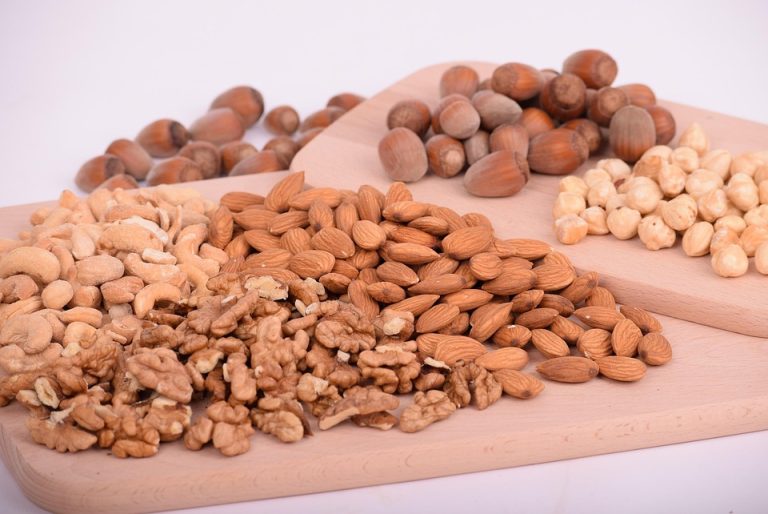
In today’s fast-paced world, the pursuit of wellness often feels like a moving target. We are constantly bombarded with conflicting advice about the latest superfoods, grueling workout regimes, and restrictive wellness trends. Yet, true well-being is rarely found in extreme measures. Instead, a truly healthy lifestyle is built on the quiet, consistent choices we make every single day. Welcome to The Health Care guide on sustainable living. Whether you are looking to boost your daily energy, improve your mental clarity, or simply feel more at home in your body, the path forward doesn't require a total life overhaul. It requires understanding the core pillars of health and learning how to integrate them into your routine naturally. Let’s explore what it truly means to cultivate a healthy lifestyle and how you can take practical, evidence-based steps toward a more vibrant you. What Does a Healthy Lifestyle Actually Mean? When people hear the phrase healthy lifestyle, they often picture endless hours at the gym and salads for every meal. However, modern health science views wellness through a much broader, more compassionate lens. At its core, a healthy lifestyle is a dynamic balance of physical, mental, and emotional habits that support your body’s natural functions and enhance your quality of life. It isn’t about perfection; it is about consistency, flexibility, and self-care. Adopting these habits can reduce your risk of various chronic conditions, improve your mood, and help you age with vitality. Let's break down the foundational pillars that make up this balanced …
In today's fast-paced world, the concept of wellness often feels like a moving target. Between juggling career demands, family responsibilities, and the constant hum of digital notifications, it is easy to feel overwhelmed. Many of us treat well-being as an afterthought—something we will focus on "once things settle down." However, waiting for life to become calm is rarely an effective strategy. True wellness is not a destination you finally reach; it is an ongoing, dynamic process of making choices that lead toward a more balanced and fulfilling existence. When we shift our perspective from chasing perfection to building sustainable daily habits, living well becomes much more achievable. Welcome to The Health Care guide on modern well-being. In this article, we will explore what it truly means to cultivate wellness in everyday life, breaking it down into manageable, evidence-based steps that support both your physical and mental vitality. What Does Wellness Really Mean? Before diving into daily habits, it helps to define the core concept. Many people use the terms "health" and "wellness" interchangeably, but there is a subtle, important distinction. Health is often viewed as a state of being—the absence of disease or illness. Wellness, on the other hand, is an active pursuit. It involves conscious choices regarding your lifestyle, nutrition, mental state, and environment that contribute to a higher quality of life. The Multidimensional Nature of Well-Being Achieving true balance requires looking beyond physical fitness and nutrition. Experts often categorize well-being into several interconnected dimensions: Physical: Caring for your …
Welcome back to The Health Care, your trusted destination for practical, science-backed wellness insights. When people think about improving their health, they often picture dramatic lifestyle overhauls: waking up at 5:00 AM to run five miles, cutting out entire food groups, or spending hours in the gym. While these intense approaches work for some, they are rarely sustainable for the average person. True well-being is not built on extreme measures. Instead, it is the result of small, consistent daily health tips applied over time. By weaving simple, healthy habits into your everyday routine, you can boost your energy, protect your long-term wellness, and feel your absolute best without feeling overwhelmed. In this comprehensive guide, we explore evidence-based daily health tips designed to nurture your body and mind. Why Daily Habits Matter More Than Quick Fixes Your body responds to patterns, not isolated events. Eating one healthy salad will not transform your physiology, just as eating one burger will not ruin it. It is what you do consistently—day in and day out—that shapes your health outcomes. Implementing daily health tips helps build neural pathways that turn positive behaviors into automatic routines. When healthy choices require less mental effort, maintaining them becomes second nature. Let’s break down the most impactful, science-supported areas of daily wellness. H2: Fueling Your Body Wisely What you put on your plate affects everything from your immune system to your cognitive function. Rather than following restrictive fad diets, focus on nourishment and balance. Prioritize Whole, Nutrient-Dense Foods One …
We live in a culture that is quick to react. When a pipe bursts, we call a plumber. When our car makes a strange noise, we rush to the mechanic. Too often, we apply this exact same reactive mindset to our bodies, waiting for a major symptom, illness, or crisis to appear before we finally pay attention to our health. Fortunately, a major shift is underway. People are beginning to realize that waiting for disease to strike is no longer a viable strategy for a long, vibrant life. Welcome to the era of preventive health—a proactive approach to well-being that focuses on stopping health problems before they even start. At The Health Care, we believe that understanding and implementing preventive care is the single most powerful step you can take for your future. Let’s explore what preventive health truly means, why it matters, and how you can integrate simple, evidence-based habits into your daily routine. What Is Preventive Health? At its core, preventive health encompasses the measures taken to prevent diseases, injuries, and other health conditions rather than curing them or treating their symptoms after they develop. Think of it as building a fortress rather than repairing the walls after an invasion. Preventive health is divided into three main categories: Primary Prevention: Measures to prevent a disease from ever occurring. This includes maintaining a nutritious diet, exercising regularly, getting vaccinated, and avoiding harmful substances like tobacco. Secondary Prevention: Early detection and prompt treatment of a disease to halt its progress …
Welcome to The Health Care, your trusted resource for evidence-based living and mindful self-care. In today’s fast-paced world, achieving optimal health can often feel like an overwhelming task. Between career demands, family responsibilities, and constant screen time, many of us wonder how to fit self-care into an already packed schedule. The good news is that true vitality does not require drastic lifestyle overhauls, expensive supplements, or grueling hours at the gym. Sustainable health is built upon small, intentional choices practiced consistently over time. By integrating practical wellness tips into your daily routine, you can foster a balanced lifestyle that supports both your physical body and your mental well-being. Let’s explore how you can build a healthier, more vibrant life through manageable, everyday habits. What Does Holistic Wellness Really Mean? Before diving into specific actions, it helps to understand what wellness actually represents. True wellness goes beyond the mere absence of illness. According to health experts, it is an active process of making choices toward a healthy and fulfilling existence. Holistic wellness encompasses several interconnected dimensions: Physical health: Nutrition, movement, sleep, and medical self-care. Mental and emotional health: Stress management, emotional resilience, and mindfulness. Social health: Meaningful connections with family, friends, and community. Environmental health: Surrounding yourself with clean air, organized spaces, and natural light. When one area suffers, others often follow. Therefore, adopting a well-rounded approach to your daily routine creates a positive ripple effect across every aspect of your life. Nutritional Wellness Tips: Fueling Your Body Wisely What you …
In today’s fast-paced world, the pursuit of wellness can often feel overwhelming. Between conflicting diet trends, demanding work schedules, and endless wellness advice online, it is easy to burn out before making any real progress. However, true healthy living does not require perfection, extreme restriction, or hours spent at the gym. Instead, it is built on the foundation of small, sustainable daily habits that nourish both your body and your mind. Welcome to The Health Care. In this guide, we will explore what it truly means to live a balanced lifestyle. We will look at evidence-based strategies to improve your nutrition, movement, sleep, and mental well-being—without turning your life upside down. What is Healthy Living? At its core, healthy living is an ongoing, dynamic process of making choices that lead toward a more balanced and fulfilling existence. It is not a rigid destination or a one-size-fits-all rulebook. What works for one person may not work for another, and that is entirely normal. Adopting a wellness-focused lifestyle means looking at your health holistically. Physical health, emotional resilience, mental clarity, and social connection all play a vital role in how you feel each day. By shifting your focus from quick fixes to long-term habits, you create a sustainable routine that supports your body through every stage of life. Pillar 1: Nourishing Your Body with Mindful Nutrition Food is information, energy, and fuel for your body. Yet, modern diet culture has turned eating into a source of stress and confusion. Embracing healthy living …
In a world filled with quick fixes, 30-day challenges, and endless wellness trends, true well-being often feels complicated. Everywhere you look, another headline promises an overnight transformation if you just buy a specific supplement, follow a restrictive diet, or wake up at 4:00 AM. However, sustainable wellness is rarely about radical overhauls. Instead, it is built on the quiet, consistent power of healthy habits. At The Health Care, we believe that understanding how your body and mind work is the first step toward lasting health. Rather than striving for perfection, cultivating small, evidence-based routines can transform your daily life. Let’s explore how to build and maintain healthy habits that support your physical and mental well-being for the long run. Why Big Changes Often Fail Have you ever tried to completely change your lifestyle overnight? You might have decided to cut out sugar, hit the gym six days a week, and sleep eight hours a night—all starting on a Monday. By Wednesday, you are exhausted, sore, and craving comfort food. This happens because the human brain prefers familiar patterns. Radical changes trigger resistance, leading to burnout. Sustainable health is not about dramatic transformations; it is about the compound effect of small daily choices. The Science of Habit Formation Research in behavioral psychology shows that habits are formed through a neurological loop: cue, routine, and reward. When you understand this loop, you can design your environment to make healthy habits easier to adopt and unhealthy ones harder to maintain. Pillar 1: Nourishing …
In a world filled with endless wellness trends, miracle supplements, and extreme fitness challenges, achieving true wellness can feel overwhelming. Every day, we are bombarded with conflicting advice on what to eat, how to work out, and how to live. But here is the truth: a truly healthy lifestyle is not about rigid perfection or restrictive rules. Instead, it is built on a foundation of small, consistent, and sustainable daily habits that nourish both your body and your mind. Welcome to The Health Care. In this guide, we will cut through the noise and explore evidence-based strategies to help you cultivate a healthy lifestyle that fits your unique routine, supports your long-term vitality, and helps you feel your best every single day. What Does a Healthy Lifestyle Really Mean? When people hear the term healthy lifestyle, they often picture grueling gym sessions and bland salads. In reality, wellness is multidimensional. It encompasses physical, mental, and emotional well-being. Rather than focusing solely on weight or physical appearance, a balanced approach considers how you fuel your body, how you move, how you manage stress, and how well you rest. When these pillars work together, you create a resilient system capable of handling life’s daily stressors. Pillar 1: Nourishing Your Body with Mindful Nutrition Food is information, fuel, and pleasure. Adopting a healthy lifestyle does not mean banning your favorite foods or following complicated diets. Instead, it is about shifting your focus toward nutrient-dense choices that support optimal bodily function. Focus on Whole …
In today’s fast-paced world, the pursuit of health often feels like a full-time job. Between managing career demands, family responsibilities, and the endless stream of digital notifications, it is easy to feel overwhelmed. Many people believe that achieving true wellness requires drastic lifestyle changes, expensive supplements, or hours spent at the gym. However, sustainable wellness is rarely about perfection or extreme routines. Instead, it is found in the quiet, everyday habits that nurture your mind, body, and spirit. Welcome to The Health Care guide on modern wellness. In this article, we will explore what it truly means to live a balanced life, separate health myths from evidence-based practices, and provide you with practical, realistic steps to help you thrive. What Is Wellness, Really? Before we dive into actionable tips, it is helpful to define the core concept. Wellness is not simply the absence of disease. According to the World Health Organization and leading health institutions, health is a state of complete physical, mental, and social well-being. Therefore, wellness is the active process of making choices toward a healthy and fulfilling life. Think of wellness as a multidimensional wheel. If one spoke of the wheel is neglected, the entire structure feels bumpy. These core dimensions typically include: Physical well-being Mental and emotional health Social connection Environmental surroundings Intellectual stimulation By focusing on these interconnected areas, you can build a resilient foundation that supports you through life's inevitable ups and downs. Pillar 1: Nourishing Your Body Mindfully Nutrition is often the first …