

When you look around a crowded room, the vast spectrum of human diversity is immediately striking. Some people possess deep brown eyes, while others have bright blue irises; some individuals can easily metabolize dairy products without a second thought, while others experience severe digestive distress due to lactose intolerance. While environmental influences, upbringing, and lifestyle choices play undeniable roles in shaping who we are, a profound architect of this diversity operates quietly inside nearly every cell of our bodies: genetic variation. In this comprehensive guide, we will explore the fascinating science of genetic variation, examining how minute differences in our DNA sequence dictate everything from our physical appearance to our predisposition toward certain chronic health conditions. Whether you are curious about why you inherited your mother’s curly hair or want to understand how scientists evaluate hereditary disease risks, breaking down the mechanics of genetic variation is the first step toward true health literacy. What is Genetic Variation? (A Beginner-Friendly Explainer) To understand genetic variation, we must first look at the blueprint of life: deoxyribonucleic acid, or DNA. Inside the nucleus of almost every cell in the human body lies approximately three billion pairs of chemical bases, often referred to by the letters A (adenine), T (thymine), C (cytosine), and G (guanine). The precise sequence of these four letters spells out the instructions needed to build, maintain, and repair our bodies. The Universal Blueprint: Remarkably, the human genome is about 99.9% identical across all people regardless of geographic ancestry. We all …
When you look around a crowded room, the vast spectrum of human diversity is immediately striking. Some people possess deep brown eyes, while others have bright blue irises; some individuals can easily metabolize dairy products without a second thought, while others experience severe digestive distress due to lactose intolerance.
While environmental influences, upbringing, and lifestyle choices play undeniable roles in shaping who we are, a profound architect of this diversity operates quietly inside nearly every cell of our bodies: genetic variation.
In this comprehensive guide, we will explore the fascinating science of genetic variation, examining how minute differences in our DNA sequence dictate everything from our physical appearance to our predisposition toward certain chronic health conditions. Whether you are curious about why you inherited your mother’s curly hair or want to understand how scientists evaluate hereditary disease risks, breaking down the mechanics of genetic variation is the first step toward true health literacy.
What is Genetic Variation? (A Beginner-Friendly Explainer)
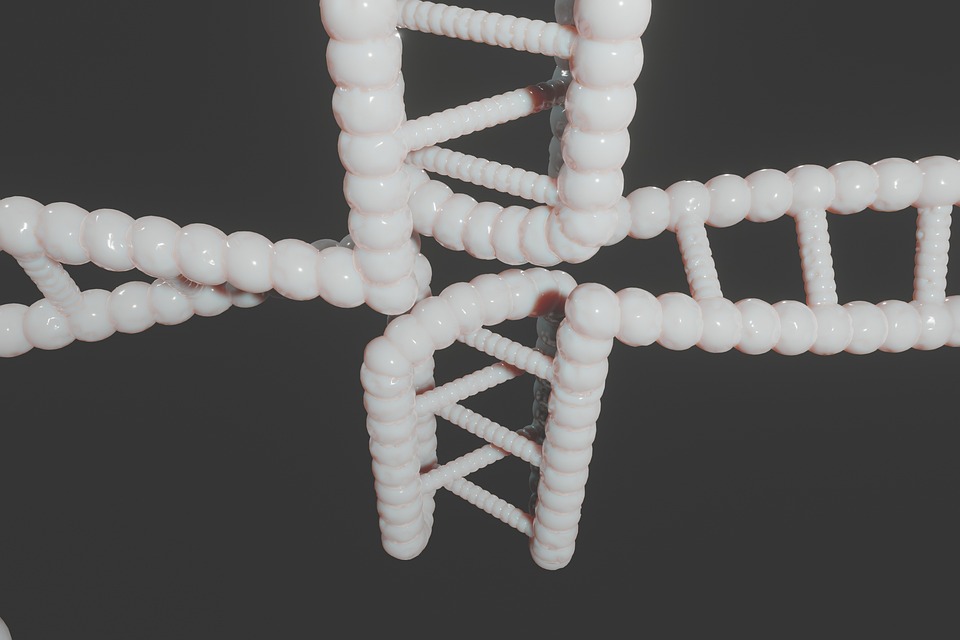
To understand genetic variation, we must first look at the blueprint of life: deoxyribonucleic acid, or DNA.
Inside the nucleus of almost every cell in the human body lies approximately three billion pairs of chemical bases, often referred to by the letters A (adenine), T (thymine), C (cytosine), and G (guanine). The precise sequence of these four letters spells out the instructions needed to build, maintain, and repair our bodies.
- The Universal Blueprint: Remarkably, the human genome is about 99.9% identical across all people regardless of geographic ancestry. We all share the same fundamental biological machinery—hearts, lungs, neural pathways, and metabolic systems.
- The 0.1% Difference: That remaining 0.1% difference represents the vast landscape of genetic variation. While 0.1% sounds minuscule, across a three-billion-letter genome, it translates to roughly three million distinct places where human DNA sequences diverge from person to person.
Think of the human genome as a master cookbook shared by all of humanity. While everyone uses the same foundational book to cook meals, genetic variation introduces regional tweaks, ingredient substitutions, and spice adjustments. These small tweaks are why one recipe yields a mild dish while another creates something entirely unique.
The Primary Drivers of Genetic Variation
Genetic variation does not happen by accident; it is the result of continuous biological processes that occur over generations. To appreciate how our DNA changes and diversifies, it helps to examine the three main evolutionary and cellular mechanisms responsible for genetic variation:
1. Mutations: The Ultimate Source of Novel DNA
In popular culture, the word “mutation” often conjures images of science-fiction superheroes or catastrophic biological failures. In genetics, however, a mutation is simply a permanent alteration in the DNA sequence that makes up a gene.
Mutations can occur spontaneously during cell division when DNA replication makes a minor copying error, or they can be induced by environmental factors (known as mutagens), such as ultraviolet radiation from the sun or exposure to certain chemicals.
- Point Mutations: A single DNA base is swapped for another (e.g., a C turns into a T).
- Insertions and Deletions (Indels): Extra bases are added, or existing bases are removed from the sequence.
2. Genetic Recombination (Crossing Over)
During the formation of reproductive cells (sperm and egg) through a specialized cell division process called meiosis, chromosomes line up in pairs. Before these pairs separate, they frequently swap segments of DNA. This process, known as recombination or “crossing over,” shuffles maternal and paternal genes into brand-new combinations. This is why siblings—despite having the same biological parents—can look and act so differently from one another.
3. Independent Assortment
During meiosis, maternal and paternal chromosomes are distributed randomly into gametes. The sheer number of potential chromosome combinations that can occur during this shuffle ensures that no two sperm or egg cells are ever genetically identical.
Types of Genetic Variations in the Human Genome
Not all genetic variations look or behave the same way. Geneticists categorize these differences based on their size, structure, and frequency within populations.
Single Nucleotide Polymorphisms (SNPs)
By far the most common type of genetic variation in humans is the Single Nucleotide Polymorphism, commonly pronounced as “snip.” An SNP represents a difference in a single DNA building block (nucleotide) at a specific position in the genome.
- Example: At a particular location on chromosome 19, one person might have the nucleotide A, while another person has the nucleotide G.
- Health Relevance: SNPs serve as biological signposts. While many SNPs have no noticeable impact on health or development, others can act as vital indicators of how a person might respond to certain medications, environmental toxins, or disease risks.
Copy Number Variations (CNVs)
Instead of a single letter change, Copy Number Variations involve large chunks of DNA—ranging from a thousand to millions of base pairs—that are duplicated or deleted. As a result, different people may have varying “copies” of a specific gene. CNVs can influence human susceptibility to certain medical conditions, dietary requirements, and even height.
How Genetic Variation Shapes Everyday Health and Disease
Understanding genetic variation is not merely an academic exercise; it has profound implications for clinical medicine, pharmacology, and preventative healthcare.
Monogenic vs. Polygenic Traits and Diseases
To see how genetic variation impacts health, it is helpful to distinguish between two categories of genetic traits:
- Monogenic (Simple) Traits: These are conditions or traits controlled by variation within a single gene. Classic examples include cystic fibrosis, Huntington’s disease, and sickle cell anemia. In these cases, inheriting a specific variant dramatically increases the likelihood of developing the condition, often regardless of environmental factors.
- Polygenic (Complex) Traits: Most common human traits and chronic conditions—such as height, intelligence, skin color, type 2 diabetes, heart disease, and hypertension—are polygenic. This means they are influenced by hundreds or even thousands of small genetic variations working in concert, combined with lifestyle and environmental exposures.
The Pharmacogenomics Connection: Why Drugs Affect Us Differently
Have you ever wondered why a standard dose of a painkiller or antidepressant works wonders for a friend, but causes severe side effects or zero relief for you?
The answer often lies in genetic variation related to pharmacogenomics—the study of how genes affect a person’s response to drugs. Variations in genes that code for liver enzymes (such as the CYP450 family) determine how rapidly or slowly your body metabolizes pharmaceutical drugs.
- Fast Metabolizers: Process medications so quickly that the drug leaves the system before it can therapeutic effect.
- Slow Metabolizers: Process medications sluggishly, leading to a dangerous buildup of the drug in the bloodstream and increasing the risk of adverse side effects.
Gene-Environment Interaction: Nature and Nurture in Harmony
One of the most common misconceptions in public health is genetic determinism—the belief that “DNA is destiny.” In reality, genetic variation rarely operates in a vacuum. The field of epigenetics and gene-environment interaction demonstrates that our lifestyles can heavily modulate how our genes are expressed.
Consider cardiovascular disease. A person may inherit a constellation of genetic variations that predispose them to elevated cholesterol levels. However, if that individual adopts a heart-healthy Mediterranean diet, engages in regular cardiovascular exercise, avoids tobacco use, and manages stress effectively, the clinical manifestation of those genetic risks can be significantly mitigated or delayed.
Conversely, an individual with low genetic susceptibility to a condition might still develop it if exposed to severe environmental risk factors over a prolonged period. Genetic variation establishes our physiological tendencies, but lifestyle choices often write the final chapter.
Genetic Testing: Unlocking Personal DNA Insights
With the advent of direct-to-consumer genetic testing kits and clinical genomic sequencing, exploring one’s own genetic variation has never been more accessible. However, understanding what these tests can—and cannot—tell you is essential.
Carrier Screening and Diagnostic Testing
In clinical settings, healthcare providers use genetic testing to identify specific disease-causing variants. Carrier screening helps prospective parents determine if they carry recessive gene variants for conditions like Tay-Sachs disease or cystic fibrosis. Diagnostic testing, meanwhile, confirms or rules out a suspected genetic condition in an individual who is already exhibiting symptoms.
Consumer Genetic Risks and Limitations
Recreational DNA tests often report on wellness traits, ancestry percentages, and elevated health risks based on SNP profiling. It is vital to remember that these reports typically provide probabilities, not certainties. Finding an SNP associated with an elevated risk for a condition does not mean you will definitely develop that disease; rather, it serves as a prompt for proactive health management and discussion with a qualified medical professional or genetic counselor.
Practical Takeaways for Health-Conscious Individuals
- Acknowledge Your Family Health History: Because genetic variations are passed down through generations, your family tree is your first personalized health report. Documenting conditions that run in your family provides invaluable clues about your hereditary predispositions.
- Focus on Modifiable Factors: You cannot rewrite your inherited DNA sequence, but you can control your lifestyle. Prioritizing sleep, nutrition, physical activity, and regular medical screenings helps counteract underlying genetic vulnerabilities.
- Consult Professionals Before Making Medical Decisions: If you receive unexpected results from a genetic screening test, avoid making radical health changes independently. Always consult a primary care physician, specialist, or licensed genetic counselor to interpret data accurately within the context of your overall health profile.
Conclusion
Genetic variation is the biological engine driving human diversity, adaptability, and complexity. While our individual DNA sequences share an overwhelming amount of commonality, the subtle 0.1% variation makes each of us completely unique. By understanding how these genetic differences influence our metabolic pathways, disease risks, and responses to medication, we can transition from passive participants in our healthcare to informed partners working alongside medical professionals to optimize lifelong wellness.
Frequently Asked Questions (FAQs)
1. Does having a genetic risk variant mean I will definitely develop that disease?
Answer: No. For the vast majority of common health conditions (such as heart disease, diabetes, and certain cancers), genetic variations only alter your susceptibility or relative risk. Environmental factors, lifestyle habits, diet, and regular medical screenings play massive roles in whether a genetic predisposition ever develops into an active health issue.
2. Can my genetic variations change over time?
Answer: Your fundamental germline DNA sequence—the code you inherit from your parents—remains stable throughout your life. However, how your genes are expressed (turned “on” or “off”) can change over time due to environmental exposures, aging, and lifestyle choices through a process known as epigenetic modification.
3. Are all genetic variations harmful?
Answer: Not at all. Many genetic variations are completely neutral, having no discernible impact on health or appearance. Other variations are beneficial, helping human populations adapt to diverse climates, dietary shifts, and infectious pathogens over thousands of years of evolution.
4. How reliable are direct-to-consumer genetic tests for health risks?
Answer: Direct-to-consumer genetic tests are generally accurate at identifying specific genetic markers (SNPs) they screen for, but they usually only cover a fraction of the total genetic variations linked to any given condition. They are designed for informational and educational purposes and should never be used as a definitive clinical diagnosis.
5. What is the difference between a gene and a genome?
Answer: A gene is a specific functional segment of DNA that contains instructions for making a particular protein (or set of proteins). The genome is the complete, comprehensive set of all genetic material—all of an organism’s genes and non-coding DNA sequences combined.