

In our relentless pursuit of wellness, we often equate progress with motion. We track our steps, optimize our workouts, pack our schedules with nutrient-prep sessions, and push through mental fatigue with sheer willpower. Yet, true vitality isn't built on hustle alone. It requires a delicate, often-overlooked counterpart: active rest. If you have ever found yourself collapsing onto the couch after a grueling week, only to wake up just as exhausted, you've experienced the trap of passive exhaustion. True recovery isn't just about turning off your brain or lying completely still; it is about engaging in low-intensity, restorative practices that keep your lymphatic system moving, calm your nervous system, and clear mental static without draining your energy reserves. Let’s explore how integrating strategic downtime into your routine can revolutionize your physical and mental well-being. What Exactly Is Active Rest? Active rest sits in the sweet spot between strenuous exertion and total physical inactivity. While a lazy Sunday can feel comforting, complete immobility can sometimes leave muscles stiff and minds ruminating. Active rest uses gentle, rhythmic movement or mindful engagement to stimulate blood flow, deliver oxygen to fatigued tissues, and lower cortisol levels. Think of it as maintenance mode for your body. Just as a high-performance vehicle needs oil changes and alignment—not just time parked in the garage—your mind and body require gentle maintenance to function optimally. The Hidden Toll of Chronic "Always-On" Culture Before looking at solutions, it helps to understand why your body protests the modern pace of life. When …
In our relentless pursuit of wellness, we often equate progress with motion. We track our steps, optimize our workouts, pack our schedules with nutrient-prep sessions, and push through mental fatigue with sheer willpower. Yet, true vitality isn’t built on hustle alone. It requires a delicate, often-overlooked counterpart: active rest.
If you have ever found yourself collapsing onto the couch after a grueling week, only to wake up just as exhausted, you’ve experienced the trap of passive exhaustion. True recovery isn’t just about turning off your brain or lying completely still; it is about engaging in low-intensity, restorative practices that keep your lymphatic system moving, calm your nervous system, and clear mental static without draining your energy reserves.
Let’s explore how integrating strategic downtime into your routine can revolutionize your physical and mental well-being.
What Exactly Is Active Rest?
Active rest sits in the sweet spot between strenuous exertion and total physical inactivity. While a lazy Sunday can feel comforting, complete immobility can sometimes leave muscles stiff and minds ruminating. Active rest uses gentle, rhythmic movement or mindful engagement to stimulate blood flow, deliver oxygen to fatigued tissues, and lower cortisol levels.
Think of it as maintenance mode for your body. Just as a high-performance vehicle needs oil changes and alignment—not just time parked in the garage—your mind and body require gentle maintenance to function optimally.
The Hidden Toll of Chronic “Always-On” Culture
Before looking at solutions, it helps to understand why your body protests the modern pace of life. When you are constantly switching between work tasks, family responsibilities, and high-intensity exercise, your sympathetic nervous system—the “fight or flight” mechanism—remains perpetually engaged.
Over time, this chronic state of hyper-arousal leads to:
- Micro-inflammation: Persistent stress hormones impair tissue repair.
- Cognitive fatigue: Mental bandwidth shrinks, leading to decision fatigue and brain fog.
- Diminished returns: Overtrained muscles stop gaining strength, and stressed minds stop generating creative ideas.
Strategic downtime acts as a circuit breaker, signaling to your brain that it is safe to shift into the parasympathetic “rest and digest” state where deep cellular repair happens.
4 Low-Effort Ways to Practice Active Rest Daily
You don’t need a dedicated retreat or hours of free time to reap the benefits. Here are four practical, accessible ways to weave active rest into a busy schedule.
1. The Mindful Stroll (Without the Podcasts)
Walking is the ultimate form of active recovery. However, many of us ruin its restorative power by filling our ears with work podcasts, frantic phone calls, or true-crime audiobooks.
- How to do it: Take a 15-to-20-minute walk outside with no audio playing. Let your eyes scan the horizon, notice the changing texture of the pavement or trees, and let your thoughts wander without a destination. This gentle movement flushes metabolic waste from your lower body while giving your prefrontal cortex a much-needed break.
2. Mobility Flows and Dynamic Stretching
Instead of treating stretching as a five-minute chore to rush through post-workout, turn it into a standalone restorative ritual.
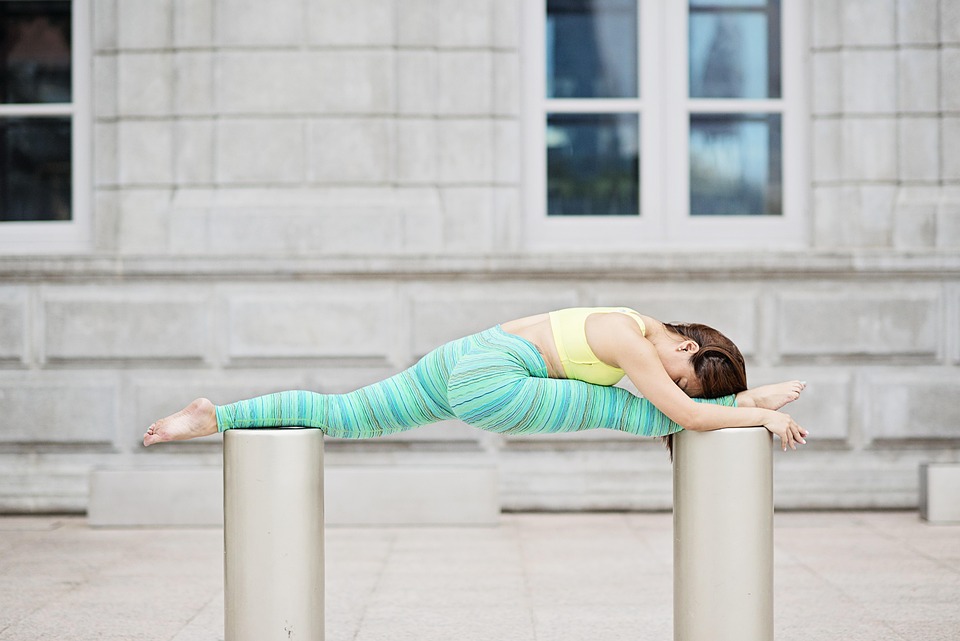
- How to do it: Spend 10 minutes moving slowly through cat-cow stretches, thoracic spinal twists, and gentle hip openers. Focus heavily on your exhale. This relieves tension accumulated from sitting at a desk and restores natural joint lubrication.
3. Tactile Creativity (Analog Hobbies)
Scrolling through social media feels like rest, but your brain is actually working overtime to process a firehose of visual and emotional data. True mental rest often looks like working with your hands.
- How to do it: Pick up a tactile hobby that requires zero digital screens—knitting, sketching, doodling, gardening, or even kneading bread dough. This engages the hands in a repetitive, rhythmic loop that quiets the default mode network in the brain, reducing anxiety and rumination.
4. Box Breathing and Physiological Sighs
If you have less than five minutes, breathwork is the fastest physiological hack to induce calm.
- How to do it: Try the “physiological sigh”—two quick inhales through the nose followed by one long, slow exhale through the mouth. Repeat this three or four times to instantly drop your heart rate and signal safety to your nervous system.
Redefining Productivity: Why Rest is an Investment
Shifting your mindset around downtime is often the hardest hurdle. Many high-achievers view rest as a luxury earned only after exhaustion. In reality, rest is a biological prerequisite for sustained excellence.
When you schedule active rest into your week with the same intentionality you apply to meetings or workouts, everything improves: your immune resilience, your patience with others, your physical strength, and your problem-solving capabilities.
Frequently Asked Questions
Is sleeping enough, or do I still need active rest?
Sleep is irreplaceable for neurological clearance and muscle repair, but it is not a substitute for waking downtime. Active rest helps manage daily cortisol spikes and muscular stiffness that accumulate while you are awake and upright.
Can active rest replace my regular workouts?
It shouldn’t replace them entirely, but it can replace high-intensity days when you feel run-down. If you wake up exhausted, swapping a heavy gym session for a mobility flow and a walk is a smart, injury-preventing pivot.
How do I know if I need passive rest or active rest?
If you are suffering from severe sleep deprivation or physical illness, choose passive rest (sleep, lying quietly). If you feel mentally burnt out from sitting or emotionally drained from work, active rest (walking, stretching, crafting) is generally much more effective.
Final Thoughts: Give Yourself Permission to Slow Down
Wellness is not an endurance contest where the person who does the most wins. True health is found in rhythm—the dynamic interplay between effort and ease, exertion and recovery. By embracing active rest, you stop fighting your biology and start working with it, unlocking a deeper, more sustainable kind of energy.