

Meta Description: Discover how to navigate the supermarket like a professional nutritionist. Learn smart food selection strategies to build a wholesome, balanced diet. When was the last time you walked down a supermarket aisle and felt completely overwhelmed? With thousands of items competing for your attention—each plastered with health claims, bright colors, and buzzwords like "natural," "superfood," or "light"—making confident purchasing decisions can feel like solving a puzzle without all the pieces. Yet, your journey toward better eating habits doesn't begin in the kitchen; it starts in the grocery cart. The foods you choose to bring home ultimately dictate the meals you prepare, the nutrients you absorb, and how easily you can maintain a balanced lifestyle. Navigating the modern food landscape requires more than just a standard shopping list. It calls for a strategic mindset, an understanding of how to read past clever marketing, and a clear vision of what true nutritional value looks like. Let’s explore how you can transform your weekly shopping routine into an empowering exercise in smart food selection. Decoding the Supermarket Landscape Supermarkets are carefully engineered environments. From the layout of the perimeter—where fresh produce, dairy, and proteins typically reside—to the strategic placement of impulse items near the checkout lanes, every square foot is designed to influence your purchasing behavior. Understanding this environment is your first line of defense against marketing ploys. While front-of-package labels often highlight a single isolated nutrient—such as "low fat," "made with whole grains," or "a source of fiber"—they rarely tell …
Meta Description: Discover how to navigate the supermarket like a professional nutritionist. Learn smart food selection strategies to build a wholesome, balanced diet.
When was the last time you walked down a supermarket aisle and felt completely overwhelmed? With thousands of items competing for your attention—each plastered with health claims, bright colors, and buzzwords like “natural,” “superfood,” or “light”—making confident purchasing decisions can feel like solving a puzzle without all the pieces.
Yet, your journey toward better eating habits doesn’t begin in the kitchen; it starts in the grocery cart. The foods you choose to bring home ultimately dictate the meals you prepare, the nutrients you absorb, and how easily you can maintain a balanced lifestyle.
Navigating the modern food landscape requires more than just a standard shopping list. It calls for a strategic mindset, an understanding of how to read past clever marketing, and a clear vision of what true nutritional value looks like. Let’s explore how you can transform your weekly shopping routine into an empowering exercise in smart food selection.
Decoding the Supermarket Landscape
Supermarkets are carefully engineered environments. From the layout of the perimeter—where fresh produce, dairy, and proteins typically reside—to the strategic placement of impulse items near the checkout lanes, every square foot is designed to influence your purchasing behavior.
Understanding this environment is your first line of defense against marketing ploys. While front-of-package labels often highlight a single isolated nutrient—such as “low fat,” “made with whole grains,” or “a source of fiber”—they rarely tell the whole story about a food’s overall nutritional profile.
To make choices that truly support your well-being, you need to look beyond the exterior packaging and develop a habit of evaluating foods based on their actual substance, processing level, and ingredient synergy.
The Art of Reading Nutrition Labels Beyond the Buzzwords
When you pick up a packaged food item, where does your eye go first? Most people glance immediately at the calorie count. However, calories only tell you about energy quantity, not energy quality.
Developing label literacy means looking deeper into the packaging details to understand what you are actually consuming.
Inspecting the Ingredient List
The ingredient list is arguably more informative than the nutrition facts panel itself. Ingredients are listed in descending order by weight.
- Keep it concise: Products with shorter ingredient lists often feature fewer artificial additives, added sugars, and industrial preservatives.
- Identify hidden sugars: Sugar goes by dozens of different names—high fructose corn syrup, maltose, agave nectar, cane juice, and dextrose. Recognizing these variations helps you gauge the true sweetness level of packaged goods.
- Spot the grain quality: Look for terms like “100% whole wheat” or “whole oats” rather than just “wheat flour,” which often indicates heavily refined grains stripped of their natural fiber and nutrients.
Navigating Fresh Produce: Quality and Variety
The produce section is the vibrant heart of any grocery store. Filling your cart with a diverse array of colorful fruits and vegetables ensures a rich intake of essential vitamins, minerals, dietary fiber, and plant compounds known as phytochemicals.
Prioritizing Seasonal and Local Selections
Choosing produce that is currently in season often yields the best flavor and optimal nutrient retention. When fruits and vegetables ripen naturally and travel shorter distances to your local store, they require less artificial ripening and preservation.
Embracing the Spectrum of Color
Different colors in produce generally correspond to different micronutrient profiles:
- Deep reds and purples (like berries, beets, and red cabbage) often feature anthocyanins, powerful antioxidant compounds.
- Greens (such as spinach, kale, and broccoli) supply vitamin K, folate, and calcium.
- Oranges and yellows (including carrots, sweet potatoes, and bell peppers) are rich sources of beta-carotene, which the body converts into vitamin A.
Selecting Quality Proteins for Balanced Meals
Proteins are fundamental building blocks for tissues, enzymes, and immune function. Whether your preference leans toward plant-based sources, animal-based options, or a flexible combination of both, quality matters significantly.
Plant-Based Protein Varieties
Legumes, lentils, chickpeas, and beans are nutritional powerhouses. They provide not only substantial protein but also complex carbohydrates and high amounts of soluble and insoluble fiber. When selecting canned varieties, look for “low sodium” or “no salt added” options to keep sodium intake balanced.
Animal-Based Protein Choices
If you incorporate animal proteins into your routine, look for minimal processing. Fresh poultry, lean cuts of meat, eggs, and sustainably sourced seafood offer complete amino acid profiles. When buying packaged meats like deli slices or sausages, check labels for added sodium, nitrates, and fillers.
Whole Grains vs. Refined Counterparts
Grains have sustained human civilizations for millennia, but modern processing has dramatically altered how we consume them.
- Refined grains (like white flour and white rice) undergo processing that strips away the nutrient-dense bran and germ, leaving primarily the starchy endosperm.
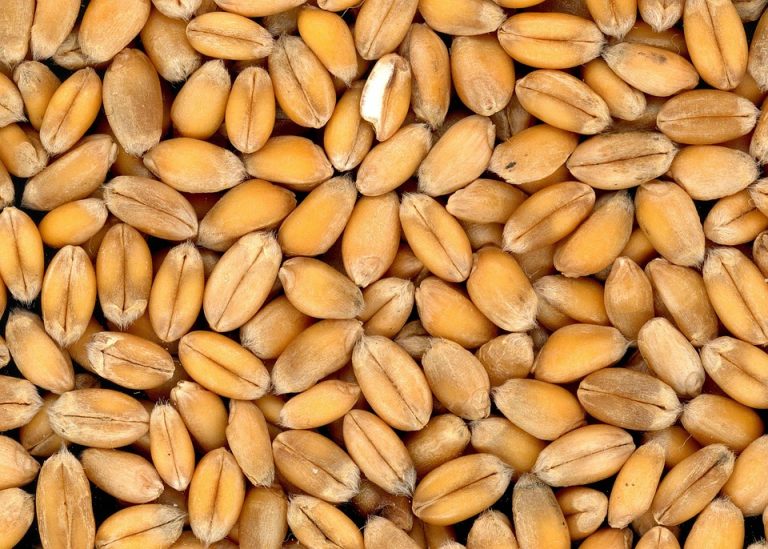
- Whole grains (such as quinoa, brown rice, barley, farro, and oats) retain all parts of the grain seed, delivering steady energy, sustained satiety, and crucial B vitamins.
When stocking your pantry, aim to swap out refined grain staples for their whole-grain alternatives gradually. This simple shift supports more stable blood sugar levels and improved digestive health throughout the week.
Practical Shopping Strategies for Success
Transforming your grocery habits doesn’t happen overnight. Implementing a few structured habits can make the process seamless and sustainable:
- Shop with a Plan: Wandering the aisles without a list invites impulse purchases of highly processed, nutrient-poor convenience foods. Map out your meals for the week before you leave home.
- Never Shop Hungry: Shopping on an empty stomach makes everything look appealing, increasing the likelihood of buying items you don’t actually need or want.
- Respect the Perimeter: Spend the majority of your shopping time along the outer edges of the store where fresh, whole foods are typically displayed, venturing into inner aisles selectively for pantry staples like grains, spices, and canned beans.
- Inspect Unit Pricing: Smart shopping also involves financial mindfulness. Compare unit prices (cost per ounce or gram) to ensure you are getting the best value for your nutritional investments.
Conclusion
Your grocery cart is a direct reflection of your commitment to personal well-being. By moving past clever marketing tactics, learning to read ingredient lists with a critical eye, and prioritizing whole, minimally processed foods, you take full control of your nutrition at its foundational source. Remember that small, consistent changes in how you shop lead to profound improvements in how you eat, feel, and live.
Frequently Asked Questions
1. How can I tell if a product is truly a whole grain?
Check the ingredient list. The first ingredient should explicitly state “whole” (e.g., “whole-grain oats” or “whole wheat”). If a product simply says “wheat flour” or “multigrain” without the word “whole,” it likely contains refined grains.
2. Are frozen fruits and vegetables as nutritious as fresh ones?
Yes, often just as nutritious—and sometimes more so. Frozen produce is typically harvested at peak ripeness and flash-frozen immediately, locking in vitamins and minerals. They are also an economical way to reduce food waste.
3. What does “organic” really mean on a food label?
Organic labeling indicates that agricultural products have been grown and processed according to federal standards regarding soil quality, animal raising practices, pest and weed control, and the avoidance of synthetic fertilizers and genetically modified organisms (GMOs). It relates to farming methods rather than direct nutritional superiority.
4. How can I reduce sodium when buying canned or packaged foods?
Look for terms like “low sodium,” “reduced sodium,” or “no salt added” on the front of the package. Alternatively, rinsing canned beans and vegetables thoroughly under cold water can remove a significant portion of the surface sodium.
5. Is it necessary to buy expensive “superfoods” to eat healthily?
Not at all. Many everyday, budget-friendly foods—such as carrots, oats, eggs, frozen peas, lentils, and bananas—offer exceptional nutritional value without high price tags. True healthy eating relies on dietary variety and overall pattern quality rather than trendy, costly specialty items.
6. What should I do if I have specific medical dietary restrictions?
Nutritional needs vary widely based on individual health status, medical conditions, and personal factors. If you manage a specific health condition, food allergy, or dietary restriction, consult a qualified healthcare professional or registered dietitian for personalized guidance.