

Walk down any grocery store grain aisle, and you are bound to see neat rows of small, bead-like seeds resting quietly beside the rice and oats. Despite its familiar presence, this pantry staple often gets treated with a bit of kitchen hesitation. People buy a bag with grand intentions of upgrading their lunch bowls, only to let it sit on the shelf because they aren't quite sure how to make it taste exciting or fit seamlessly into a busy routine. Understanding how to source, store, and cook this versatile ingredient can completely change how you approach everyday home cooking. Far from being just another passing wellness trend, this ancient seed offers a unique texture and nutty flavor profile that adapts remarkably well to a wide range of culinary traditions. If you have ever wanted to move past basic meal prep routines and truly make the most of what this whole grain alternative has to offer, a closer look at the details—from the grocery shelf to your dinner plate—will give you the confidence you need. Navigating the Grain Aisle: How to Select Quality Quinoa Bringing home a great culinary foundation starts long before you turn on the stove. When browsing the shelves, you will likely encounter a few different varieties, most notably white, red, and black, alongside pre-blended tri-color packages. White varieties: These tend to cook up the fluffiest and have the mildest flavor, making them the most seamless swap for white rice in traditional side dishes or grain bowls. Red …
Walk down any grocery store grain aisle, and you are bound to see neat rows of small, bead-like seeds resting quietly beside the rice and oats. Despite its familiar presence, this pantry staple often gets treated with a bit of kitchen hesitation. People buy a bag with grand intentions of upgrading their lunch bowls, only to let it sit on the shelf because they aren’t quite sure how to make it taste exciting or fit seamlessly into a busy routine.
Understanding how to source, store, and cook this versatile ingredient can completely change how you approach everyday home cooking. Far from being just another passing wellness trend, this ancient seed offers a unique texture and nutty flavor profile that adapts remarkably well to a wide range of culinary traditions. If you have ever wanted to move past basic meal prep routines and truly make the most of what this whole grain alternative has to offer, a closer look at the details—from the grocery shelf to your dinner plate—will give you the confidence you need.
Navigating the Grain Aisle: How to Select Quality Quinoa
Bringing home a great culinary foundation starts long before you turn on the stove. When browsing the shelves, you will likely encounter a few different varieties, most notably white, red, and black, alongside pre-blended tri-color packages.
- White varieties: These tend to cook up the fluffiest and have the mildest flavor, making them the most seamless swap for white rice in traditional side dishes or grain bowls.
- Red and black options: These hold their shape and structure significantly better during cooking, offering a firmer, slightly chewier bite and a deeply earthy, robust taste that stands up well to bold dressings and hearty vegetables.
When examining packaging, look for clear bags or tightly sealed containers where the seeds flow freely without clumping, which can be an indicator of moisture exposure. Bulk bins are fantastic for budget-friendly shopping, but always ensure the bins have secure lids and high turnover to guarantee optimal freshness. Organic certifications and non-GMO project verifications are widely available for this crop, giving you plenty of options depending on your household shopping preferences.
Preserving Freshness: Proper Storage Techniques
Because whole grains and seeds contain natural plant oils, improper pantry storage can lead to staleness or rancidity over time. Protecting your investment requires just a few simple adjustments to your kitchen routine.
For everyday use, transfer your uncooked seeds out of paper or flimsy plastic packaging and into an airtight glass or heavy-duty plastic container. Store this container in a cool, dark, and dry pantry away from the direct heat of your stove or oven. Under these conditions, a bag of raw seeds will easily maintain its quality for over a year.
If you bought a large quantity from the bulk section or prefer to stock up during grocery sales, freezing is an excellent option for long-term preservation. Pop your sealed containers directly into the freezer, where the seeds can safely remain for up to two years without losing their structural integrity or distinct nutty flavor profile. There is no need to thaw them before cooking; simply measure out what you need straight from the freezer, give it a quick rinse, and proceed with your recipe.
Beyond the Basic Boil: Creative Culinary Applications
While simmering grains in water or vegetable broth is the standard method, treating this ingredient with a bit of culinary creativity opens up entirely new meal possibilities. The secret to avoiding mushy textures lies in mastering the moisture ratio—typically a two-to-one liquid-to-seed proportion—and allowing the cooked grains to rest off the heat before fluffing them gently with a fork.
Morning Breakfast Bowls
Swap out traditional rolled oats for a warm morning porridge. Simmer your seeds in a mixture of dairy or plant-based milk with a dash of cinnamon, vanilla extract, and a pinch of salt. Once cooked to a creamy consistency, top your bowl with sliced bananas, toasted walnuts, a drizzle of maple syrup, and a spoonful of almond butter for a comforting start to the day.
Midday Crunch and Texture
Raw or lightly toasted seeds can add an unexpected crunch to midday meals. Try sprinkling dry, pre-rinsed seeds onto a baking sheet and toasting them at 350°F (175°C) for about 10–12 minutes until golden and aromatic. Toss these toasted kernels into crunchy green salads, fold them into homemade veggie burger patties to improve binding, or use them as a textural coating for baked chicken tenders.
One-Pan Weeknight Suppers
Simplify your evening clean-up by cooking your grains directly in a flavorful sauce. Sauté onions, garlic, and diced bell peppers in a wide skillet, stir in dry uncooked seeds and your favorite spices like cumin and smoked paprika, then pour in crushed tomatoes and broth. Cover and let everything simmer together until the liquid is fully absorbed, creating a rich, risotto-style dish with minimal effort.
Smart Meal Planning with Whole Plant Proteins
Integrating nutrient-dense ingredients into a balanced family menu doesn’t have to feel complicated. Unlike many other plant-based carbohydrate sources, this complete protein provides all nine essential amino acids that the human body cannot synthesize on its own. This makes it a fantastic cornerstone for meatless meals or as a reliable dietary supplement for active individuals and growing families.
To build satisfying, nutritionally balanced plates throughout the week, consider pairing your cooked grains with complementary food groups:
- Healthy Fats: Toss warm grains with cold-pressed olive oil, diced avocado, or toasted pumpkin seeds to aid in the absorption of fat-soluble nutrients.
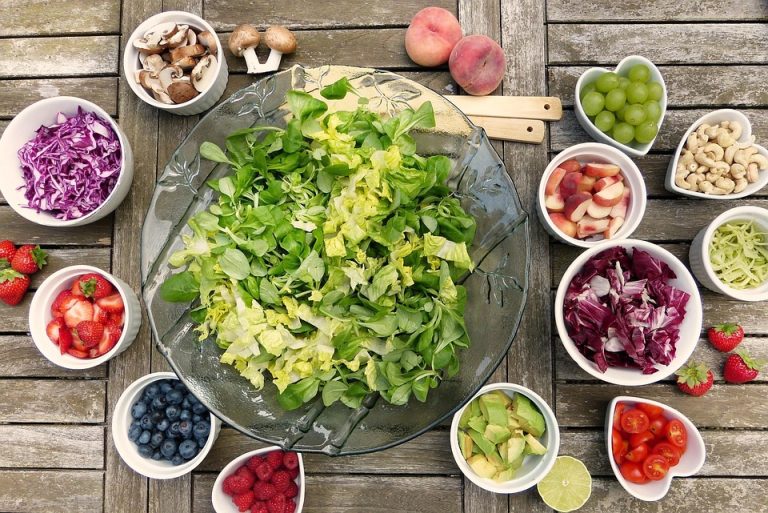
- Vibrant Produce: Mix in roasted root vegetables, fresh leafy greens, or juicy cherry tomatoes to introduce dietary fiber, vitamins, and contrasting textures.
- Flavor Enhancers: Brighten up neutral flavors with fresh lemon juice, chopped parsley, cilantro, crumbled feta cheese, or a tangy vinaigrette.
By keeping a batch pre-cooked in your refrigerator—where it will comfortably stay fresh for three to five days—you can instantly assemble wholesome lunch bowls, stuff roasted bell peppers, or bulk up comforting vegetable soups on busy weeknights.
Frequently Asked Questions
Do I really need to rinse my quinoa before cooking?
Yes, rinsing is generally recommended unless the package explicitly states that the seeds have been pre-washed. Quinoa is naturally coated with a bitter-tasting plant compound called saponin, which acts as the plant’s defense mechanism against insects. A quick rinse using a fine-mesh strainer under cold running water removes this residue completely, ensuring a clean, pleasant, nutty flavor.
Can I cook quinoa in a rice cooker or instant pot?
Absolutely. Both appliances make foolproof cooking methods. For a rice cooker, simply use the same two-to-one liquid-to-grain ratio and select the standard white rice setting. For an electric pressure cooker, combine equal parts rinsed seeds and liquid (a 1:1 ratio works best under pressure), cook on high pressure for one minute, and allow a natural pressure release for 10 minutes before fluffing.
Is this grain naturally gluten-free?
Yes, quinoa is 100% gluten-free, making it an exceptional alternative for individuals with celiac disease, non-celiac gluten sensitivity, or those simply choosing to follow a gluten-free lifestyle. However, if you have a severe allergy or sensitivity, always check the product packaging for certified gluten-free labels to ensure the food was processed in a dedicated facility free from cross-contamination with wheat, barley, or rye.
What is the best way to reheat leftover cooked quinoa?
Leftovers can sometimes dry out in the refrigerator. To restore its original fluffy texture, place your cooked grains in a microwave-safe bowl, add a tablespoon or two of water or broth, cover the bowl with a damp paper towel, and microwave in 30-second increments until heated through. Alternatively, you can warm it gently on the stovetop over low heat with a splash of liquid.
Can I feed quinoa to infants and young children?
Yes, cooked and thoroughly pureed or softened grains can be introduced to infants as they begin solid foods, typically around six months of age, following standard pediatric guidelines for single-ingredient introductions. Because it is soft, easy to chew when cooked properly, and rich in essential nutrients, it makes a wonderful, gentle finger food or porridge base for toddlers.
Disclaimer: Nutritional needs vary greatly from person to person depending on age, activity level, health status, and personal dietary goals. Readers managing specific medical conditions, food allergies, pregnancy, or specialized dietary requirements should consult a qualified healthcare professional or registered dietitian for personalized guidance.
SEO Meta Description: Master the art of cooking, storing, and selecting quinoa with our practical guide. Discover creative meal ideas, smart kitchen tips, and easy family recipes.