

SEO Title: Master Your Plate: The Ultimate Guide to Nutrient-Dense Eating Meta Description: Discover how to build a nutrient-dense plate with expert strategies, smart food swaps, and practical daily habits for long-term vitality. When it comes to building a balanced lifestyle, the conversation often gets bogged down by calorie counts, restriction, and rigid rules. Yet, the foundation of lasting vitality is much simpler and far more rewarding: shifting your focus toward the concept of nutrient-dense eating. Rather than asking what you need to cut out of your daily routine, this approach encourages you to look closely at what you can add to amplify your well-being. By prioritizing whole foods that deliver a robust package of vitamins, minerals, dietary fiber, and essential compounds per calorie, you transform your meals from mere fuel into a powerful tool for health. Let’s explore how you can evaluate your plate, make smarter grocery selections, and integrate nutrient-rich choices into your everyday life without turning mealtime into a complicated science experiment. Decoding the Concept of Nutrient Density To understand how to upgrade your meals, it helps to look beyond the surface of what’s on your fork. Nutrient density is a measure of the essential micronutrients and beneficial plant compounds a food delivers relative to its energy (calorie) content. Consider two common afternoon snacks: a standard 100-calorie pack of processed crackers and a small apple with a tablespoon of natural almond butter. While both provide a similar amount of energy, their internal profiles tell entirely different stories: …
SEO Title: Master Your Plate: The Ultimate Guide to Nutrient-Dense Eating
Meta Description: Discover how to build a nutrient-dense plate with expert strategies, smart food swaps, and practical daily habits for long-term vitality.
When it comes to building a balanced lifestyle, the conversation often gets bogged down by calorie counts, restriction, and rigid rules. Yet, the foundation of lasting vitality is much simpler and far more rewarding: shifting your focus toward the concept of nutrient-dense eating. Rather than asking what you need to cut out of your daily routine, this approach encourages you to look closely at what you can add to amplify your well-being.
By prioritizing whole foods that deliver a robust package of vitamins, minerals, dietary fiber, and essential compounds per calorie, you transform your meals from mere fuel into a powerful tool for health. Let’s explore how you can evaluate your plate, make smarter grocery selections, and integrate nutrient-rich choices into your everyday life without turning mealtime into a complicated science experiment.
Decoding the Concept of Nutrient Density
To understand how to upgrade your meals, it helps to look beyond the surface of what’s on your fork. Nutrient density is a measure of the essential micronutrients and beneficial plant compounds a food delivers relative to its energy (calorie) content.
Consider two common afternoon snacks: a standard 100-calorie pack of processed crackers and a small apple with a tablespoon of natural almond butter. While both provide a similar amount of energy, their internal profiles tell entirely different stories:
- Refined Snack Options: Often stripped of natural fiber and minerals during manufacturing, these items tend to offer quick energy followed by a rapid dip in blood sugar, leaving you reaching for more food shortly after.
- Whole Food Combinations: The apple provides soluble and insoluble fiber alongside vitamin C and potassium, while the almond butter introduces healthy unsaturated fats, plant-based protein, and magnesium. This combination supports sustained energy and steady satiety.
Shifting your focus toward nutrient-rich selections doesn’t mean your plate has to look like a strict clinical prescription. It simply means choosing items that work harder for your body, providing the raw materials required for cellular repair, immune support, and daily vitality.
Key Building Blocks of a Vibrant, Wholesome Plate
Constructing a balanced meal does not require culinary school training or an obsession with tracking macros. Instead, think of your plate as a canvas made up of a few key nutritional pillars. When these elements work together, you naturally boost your intake of vital compounds.
Colorful Produce as Your Foundation
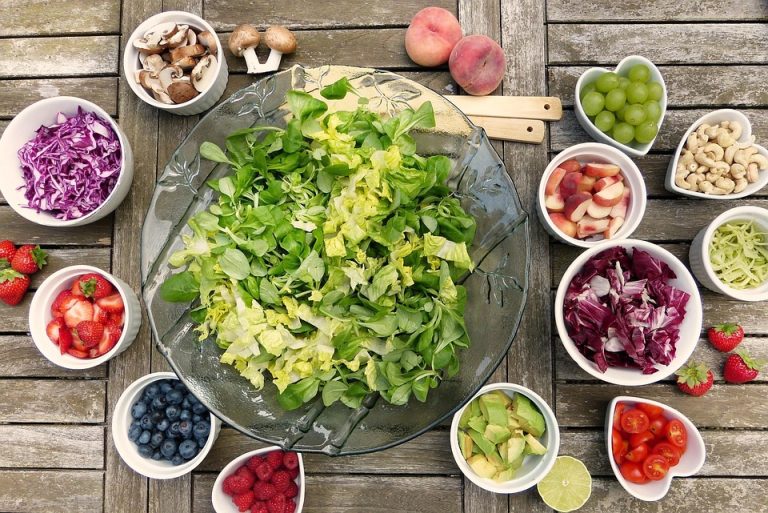
Veggies and fruits should occupy the largest visual share of your plate. Different colors indicate different phytonutrients—natural plant compounds that act as powerful antioxidants.
- Deep Greens: Spinach, kale, and Swiss chard offer iron, calcium, and folate.
- Bright Reds and Oranges: Tomatoes, bell peppers, and carrots provide beta-carotene and lycopene.
- Rich Purples and Blues: Blueberries and red cabbage supply anthocyanins to support cellular health.
Quality Proteins for Structure and Satiety
Protein is essential for muscle maintenance, enzyme production, and keeping hunger cues stable. Incorporating a source of protein at every meal helps regulate digestion speed, preventing sharp blood sugar spikes. Options range from sustainably sourced fish and poultry to plant-based champions like lentils, chickpeas, edamame, and organic tofu.
Complex Carbohydrates for Sustained Energy
Carbohydrates are your body’s preferred energy source, particularly for your brain and nervous system. The secret lies in choosing complex, unrefined forms that retain their natural fiber matrix. Quinoa, farro, sweet potatoes, oats, and brown rice digest slowly, ensuring a gentle, sustained release of glucose into the bloodstream.
Healthy Fats for Absorption and Brain Health
Dietary fats are crucial for hormone synthesis, protecting vital organs, and helping your body absorb fat-soluble vitamins (A, D, E, and K). Extra virgin olive oil, avocados, chia seeds, hemp hearts, and raw walnuts are exceptional additions that elevate both the flavor and nutritional profile of any dish.
Practical Strategies for Smart Grocery Shopping
Your journey toward better nutrition begins long before you turn on the stove—it starts in the grocery store aisles. Strategic shopping habits make it significantly easier to assemble wholesome meals at home without unnecessary stress.
Navigate the Perimeter First
Most supermarkets are designed with fresh produce, dairy or plant-based alternatives, and the butcher or seafood counter positioned around the outer perimeter. Spending the majority of your shopping time in these sections naturally guides you toward fresh, minimally processed ingredients.
Master the Freezer Aisle
Fresh produce is fantastic, but frozen fruits and vegetables are often just as nutritious—if not more so. Because they are typically picked and flash-frozen at the peak of ripeness, their micronutrient content is locked in. Keeping a stash of frozen berries for morning smoothies or frozen broccoli florets for quick weeknight stir-fries ensures you always have healthy options on hand.
Read Labels with Confidence
When venturing into the inner aisles for canned beans, whole grains, or packaged goods, make ingredient transparency your top priority. Look for short, recognizable ingredient lists. A jar of marinara sauce featuring crushed tomatoes, olive oil, garlic, and basil is far preferable to one loaded with added sugars, artificial preservatives, and seed oils.
Transforming Everyday Meal Ideas
Integrating nutrient-dense habits into a busy schedule requires practical, approachable meal ideas. Here is how you can elevate your daily routine from morning to night.
Energizing Morning Combinations
Instead of reaching for a sugary pastry that causes an energy crash by mid-morning, try these nutrient-packed breakfasts:
- Savory Avocado Toast: A slice of sprouted grain bread topped with mashed avocado, hemp seeds, a squeeze of fresh lemon juice, and a soft-boiled egg.
- Berry-Almond Oatmeal: Rolled oats cooked in unsweetened almond milk, stirred with a spoonful of ground flaxseed, and topped with wild blueberries and a drizzle of raw honey.
Midday Nourishment
Lunch should recharge your batteries rather than weigh you down.
- Mediterranean Grain Bowl: A base of cooked quinoa topped with diced cucumbers, cherry tomatoes, kalamata olives, grilled chicken or roasted chickpeas, and a generous drizzle of tahini dressing.
- Lentil and Vegetable Soup: A comforting, fiber-rich soup loaded with diced carrots, celery, onions, and brown lentils simmered in a rich vegetable broth with rosemary and thyme.
Satisfying Evening Plates
Dinner is a wonderful opportunity to wind down while nourishing your body for overnight repair.
- Baked Salmon with Roasted Roots: A wild-caught salmon fillet seasoned with dill and lemon, served alongside roasted brussels sprouts and sweet potato wedges cooked in avocado oil.
- Tofu and Snap Pea Stir-Fry: Firm tofu cubes sautéed with garlic, ginger, sugar snap peas, and shiitake mushrooms, served over a bed of black forbidden rice.
Frequently Asked Questions
What does “nutrient-dense” actually mean?
Nutrient density refers to the amount of vitamins, minerals, fiber, and beneficial plant compounds a food contains relative to its total calorie count. Foods high in nutrient density—such as leafy greens, berries, nuts, and legumes—offer maximum health benefits with minimal empty calories.
Do I need to buy organic produce to eat a healthy diet?
Not necessarily. While organic options can reduce your exposure to synthetic pesticide residues, conventionally grown fruits and vegetables are still exceptionally nutritious. The most important dietary factor is eating a wide variety of plant foods, regardless of whether they are organic or conventional. Thoroughly washing all produce is a great standard practice.
How can I eat healthily on a budget?
Eating well doesn’t require expensive specialty superfoods. Budget-friendly staples include dried beans, lentils, brown rice, frozen vegetables, canned tuna or salmon, seasonal produce, and eggs. Buying these items in bulk and planning your meals ahead of time can significantly reduce your grocery expenses.
Are carbohydrates bad for my health?
Carbohydrates are not inherently bad; in fact, they are essential for optimal physical and mental function. The key is distinguishing between refined carbohydrates (like white bread, pastries, and sugary sodas) and complex carbohydrates (like oats, quinoa, beans, and starchy vegetables), which provide sustained energy and vital dietary fiber.
How much water should I drink alongside a healthy diet?
Hydration is a crucial component of overall wellness that often gets overlooked. While individual needs vary based on activity level, climate, and body size, aiming for consistent water intake throughout the day supports digestion, nutrient transport, and cellular function. Listen to your body’s natural thirst cues.
Can individuals with food allergies still practice nutrient-dense eating?
Absolutely. Nutrient density is not tied to any single food group. If you have specific food allergies or intolerances (such as gluten, dairy, or nuts), you can easily find alternative nutrient-rich sources, such as seeds for healthy fats, gluten-free pseudograins like amaranth and buckwheat, and calcium-fortified plant milks.
Disclaimer: Nutritional needs vary greatly from person to person based on factors such as age, activity level, medical history, and individual health goals. The information provided in this article is for educational purposes only and should not replace professional medical or dietary advice. Always consult with a qualified healthcare provider or registered dietitian before making significant changes to your diet.