
Practical & How-To (Action-oriented)

nutrition for healthy living

Meta Description: Discover how to seamlessly integrate chia seeds into your daily diet. Explore practical prep techniques, smart flavor pairings, and realistic portion guidance. For decades, tiny pantry staples have quietly sat in the back of spice racks or baking drawers, overlooked until a wellness trend brings them into the spotlight. Among these, chia seeds stand out not for a fleeting moment of social media fame, but for their remarkable ability to transform texture, elevate culinary creations, and quietly boost the nutrient density of everyday meals. Yet, owning a bag of chia seeds and actually knowing how to work them into a sustainable routine are two different things. Many people purchase a package with the best intentions, only to let it sit because they are unsure of how to prep them beyond a basic pudding. Unlocking the full potential of chia seeds is less about following rigid culinary rules and more about understanding how they behave in the kitchen. By looking at how these power-packed seeds interact with liquids, absorb flavors, and enhance common dishes, you can turn a simple pantry item into an effortless staple for vibrant, wholesome eating. Decoding the Physical Properties of Chia Seeds Before tossing chia seeds into your morning routine, it helps to understand what makes them tick—or rather, what makes them gel. When dry chia seeds come into contact with water, milk, or juice, they undergo a fascinating transformation. Each seed is coated in soluble fiber that rapidly expands, forming a mucilaginous outer layer. …


Meta Description: Discover how to seamlessly integrate chia seeds into your daily diet. Explore practical prep techniques, smart flavor pairings, and realistic portion guidance.

For decades, tiny pantry staples have quietly sat in the back of spice racks or baking drawers, overlooked until a wellness trend brings them into the spotlight. Among these, chia seeds stand out not for a fleeting moment of social media fame, but for their remarkable ability to transform texture, elevate culinary creations, and quietly boost the nutrient density of everyday meals.

Yet, owning a bag of chia seeds and actually knowing how to work them into a sustainable routine are two different things. Many people purchase a package with the best intentions, only to let it sit because they are unsure of how to prep them beyond a basic pudding.

Unlocking the full potential of chia seeds is less about following rigid culinary rules and more about understanding how they behave in the kitchen. By looking at how these power-packed seeds interact with liquids, absorb flavors, and enhance common dishes, you can turn a simple pantry item into an effortless staple for vibrant, wholesome eating.


Decoding the Physical Properties of Chia Seeds

Before tossing chia seeds into your morning routine, it helps to understand what makes them tick—or rather, what makes them gel. When dry chia seeds come into contact with water, milk, or juice, they undergo a fascinating transformation. Each seed is coated in soluble fiber that rapidly expands, forming a mucilaginous outer layer. This hydrocolloid action is the secret behind their unique texture.

This structural quirk changes how foods feel in your mouth and how your digestive tract processes them. Because that outer layer swells significantly, dry chia seeds can absorb up to twelve times their weight in liquid.

  • Dry vs. Hydrated: Eating them completely dry can sometimes cause them to absorb moisture from your mouth or throat uncomfortably. Hydrating them beforehand—even for just five minutes—makes them much easier to enjoy and allows your body to process them more smoothly.
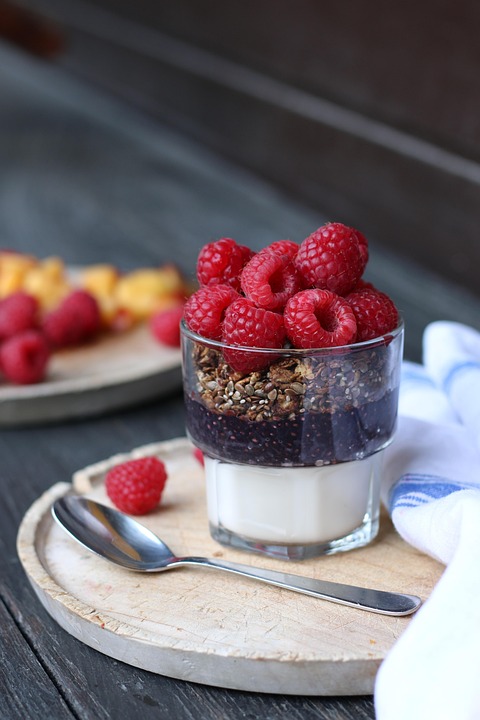
  • The Crunch Factor: If you prefer a bit of texture, sprinkling raw seeds over a dense food like yogurt or a thick smoothie bowl provides a pleasant poppy crunch without the gelatinous coating taking over.

Smart Integration Strategies for Busy Schedules

Healthy eating habits stick around only when they demand minimal friction. If prepping your meals feels like a complicated science experiment, you are far less likely to keep it up. Chia seeds shine precisely because they require virtually zero cooking.

The Morning Routine Upgrade

Mornings are rarely calm, which makes speed a priority. Instead of waiting for a complex breakfast to cook, you can set up your food the night before.

  • Quick-Set Overnight Oats: Combine rolled oats, your preferred milk, a splash of vanilla, and a tablespoon of chia seeds in a mason jar before going to sleep. By morning, the seeds will have soaked up the excess liquid, turning a runny oat mixture into a rich, spoonable consistency that requires zero morning effort.
  • Instant Smoothie Thickeners: If your morning fruit blend always ends up watery, drop a teaspoon of seeds straight into the blender blades before pulsing. They act as a natural stabilizer, giving your drink a velvety body without altering the flavor profile.

Midday and Evening Enhancements

You do not have to limit these seeds to breakfast. Their neutral, slightly nutty flavor profile means they blend seamlessly into savory and sweet landscapes alike.

  • Salad Dressings and Vinaigrettes: Whisking a half-teaspoon of seeds into an olive oil and lemon dressing adds visual speckles and helps emulsify the liquid, keeping the oil and acid from separating too quickly on your greens.
  • Textural Boost for Soups and Stews: Stirring a small spoonful into a simmering pot of lentil soup or vegetable stew in the final minutes of cooking can subtly thicken the broth without the need for heavy cream or refined flour.

Flavor Pairings and Culinary Companions

Because chia seeds have a remarkably mild taste, they act as a culinary chameleon, absorbing whatever flavors surround them. However, pairing them with the right ingredients elevates both the taste and the overall satisfaction of your meal.

Pairing CategoryIdeal IngredientsWhy It Works
Creamy & RichCoconut milk, Greek yogurt, almond butterThe fats balance the neutral seeds, creating a luxurious mouthfeel.
Bright & TartRaspberries, lemon zest, passion fruitSharp, acidic flavors cut through the dense texture, keeping the dish lively.
Warm & EarthyCinnamon, cardamom, roasted pecansSpices bring out the subtle nuttiness inherent in the seed coat.

When building a dish, think about contrast. If your base is very soft and gelatinous—like a classic vanilla seed gel—always top it with something crisp, such as toasted cacao nibs, fresh sliced strawberries, or pumpkin seeds. This interplay of textures keeps your palate engaged.

Navigating Portions and Daily Integration

When introducing any fiber-rich food into your daily rhythm, moderation is your best ally. Because chia seeds pack a serious punch of both soluble and insoluble fiber, flooding your system with large amounts overnight can catch your digestive tract off guard.

  • Start Small: Begin with a single teaspoon per day. Let your body adjust over the course of a week before moving up to a standard tablespoon serving.
  • Hydration is Key: Because these seeds love to absorb water, make sure you are drinking adequate fluids throughout the day. Water helps the fiber move smoothly through your digestive system.
  • Consistency Over Quantity: Eating two tablespoons once a week is far less effective than incorporating a small teaspoon consistently across your weekly meals. Think of them as a nutritional seasoning rather than the main event.


Frequently Asked Questions

Do chia seeds need to be ground up before eating, like flax seeds?

Unlike flax seeds, which have a hard outer shell that the human body cannot easily break down unless milled, chia seeds do not strictly need to be ground. Their outer layers are permeable enough to be processed, and they naturally soften when exposed to liquids. However, grinding them won’t hurt if you prefer a smoother texture in baked goods.

Can I cook or bake with chia seeds, or does heat destroy their nutrition?

You can safely bake with them! Chia seeds are remarkably stable when exposed to moderate heat. They hold up well in homemade whole-grain bread, muffins, pancakes, and energy bars without losing their structural integrity or beneficial profile.

What is the best way to store a large bag of chia seeds to keep them fresh?

Because chia seeds contain healthy oils, they should be kept in a cool, dark, and dry place. An airtight glass jar or container in your pantry works wonderfully. If you live in a very warm or humid climate, storing them in the refrigerator can help extend their shelf life and prevent the oils from going stale.

Can I use chia seeds as a direct egg substitute in baking?

Yes, you can create what is often called a “chia egg.” Mix one tablespoon of finely ground or whole chia seeds with three tablespoons of water, stir well, and let it sit for about five to ten minutes until it forms a thick, gelatinous clump. This mixture can replace one egg in many vegan baking recipes, such as quick breads, cookies, and pancakes.

Is it normal for chia seeds to stick to my teeth?

Absolutely. Because of their gummy outer mucilage, they have a tendency to cling to dental surfaces. Having a glass of water nearby or brushing your teeth after a chia-heavy meal easily resolves this minor quirk.

How long does prepared chia pudding last in the refrigerator?

Once mixed with milk or a liquid of your choice, chia pudding will typically keep well in a sealed container in the refrigerator for up to four to five days. It makes a fantastic option for batch-prepping quick weekday breakfasts ahead of time.

Disclaimer: Nutritional needs vary greatly from person to person. The information provided here is for general educational purposes and should not replace professional medical advice, personalized dietary counseling, or treatment for specific health conditions. Individuals with underlying medical concerns, allergies, or specific dietary restrictions should consult a qualified healthcare professional before making major changes to their routine.


Related Posts

daily health tips
October 19, 2026
Your Daily Health Reset: 4 Ways to Recharge by Noon

We have all experienced acute stress—that sudden spike of adrenaline when you narrowly avoid a fender-bender or have to deliver an unexpected presentation. In those moments, your body gears up for "fight or flight," your heart races, and once the threat passes, your nervous system naturally resets. However, modern life often presents a different challenge entirely: chronic stress. When your mind and body remain trapped in a prolonged state of high alert due to relentless work pressures, financial anxiety, or constant digital connectivity, the physical toll begins to compound. Understanding how to recognize this invisible wear-and-tear is the first step toward reclaiming your long-term health and well-being. What Happens Inside Your Body Under Prolonged Stress? Unlike short-term tension, chronic stress keeps your hypothalamic-pituitary-adrenal (HPA) axis humming at a high frequency. This leads to an overproduction of cortisol and adrenaline over weeks, months, or even years. While these hormones are vital for survival in small doses, keeping them constantly elevated can create systemic friction within your body: Immune System Suppression: Long-term cortisol elevation dampens your immune response, making you more susceptible to frequent colds and slower wound healing. Digestive Disruption: The gut-brain axis takes a heavy hit. Chronic tension frequently manifests as bloating, sluggish digestion, or exacerbated inflammatory bowel issues. Cardiovascular Strain: Sustained high blood pressure and elevated heart rates put continuous pressure on your arteries and heart muscle. Subtle Signs You Might Be Normalized to Stress Many people wear high stress levels like a badge of honor, eventually assuming that …

food sensitivities
October 19, 2026
Food Allergy vs. Food Intolerance vs. Food Sensitivity: What’s the Difference?

For some individuals, biting into a crisp apple, enjoying a bowl of fresh cherries, or sweetening tea with honey can lead to unexpected digestive distress. While fruit and natural sweeteners are widely celebrated as cornerstones of wellness, processing certain sugars is not always seamless for every digestive tract. When the small intestine struggles to absorb simple fruit sugars efficiently, it can lead to a condition known as fructose malabsorption. Unlike traditional food allergies that trigger immune system responses, or celiac disease which involves an autoimmune reaction to gluten, fructose malabsorption is rooted in how the digestive system handles specific carbohydrates. Recognizing how this process works can empower individuals to make informed dietary choices without unnecessarily sacrificing nutritional variety or enjoyment at the mealtimes table. What Is Fructose Malabsorption? Fructose is a simple sugar, or monosaccharide, naturally found in fruits, berries, honey, and some root vegetables. It is also a component of table sugar (sucrose, which is a molecule made of bonded glucose and fructose) and high-fructose corn syrup. Under normal circumstances, specialized transport proteins in the lining of the small intestine—specifically a transporter known as GLUT5—help move fructose out of the gut and into the bloodstream. In individuals with fructose malabsorption, these transport mechanisms operate less efficiently. When excess unabsorbed fructose travels further down into the large intestine, resident gut bacteria interact with it. These bacteria rapidly ferment the sugar, producing gases such as hydrogen and methane. Additionally, the unabsorbed sugar draws extra water into the intestinal lumen through osmosis. …

healthy lifestyle tips
October 19, 2026
The 10-Minute Routine That Will Transform Your Health

Let’s be honest: the alarm goes off, your hand instinctively reaches for your phone, and before your feet even touch the floor, your mind is already racing through a checklist of emails, deadlines, and responsibilities. By 10:00 AM, you are reaching for your second (or third) cup of coffee, desperately trying to jumpstart a brain that feels like it’s wading through wet concrete. If this sounds like your daily routine, you aren’t alone. Modern life has conditioned us to rely on external stimulants to force wakefulness. But what if sustainable, all-day energy didn't come from a roasting bean, but rather from how you spend the first twenty minutes of your day? Welcome to the world of morning micro-habits—tiny, frictionless actions designed to optimize your biology, reset your circadian rhythm, and elevate your vitality naturally. Here is how you can transform your mornings without overhauling your entire schedule. What Are Micro-Habits, and Why Do They Work for Energy? When we think about changing our health habits, we often set ourselves up for failure by trying to do too much. We vow to wake up an hour earlier, run three miles, meditate for twenty minutes, and drink a green smoothie every single day. By Wednesday, we’re exhausted and back to square one. Micro-habits take the opposite approach. Rooted in behavioral psychology and physiology, these are actions that take two minutes or less to complete. Because they require minimal willpower, your brain doesn't resist them. Yet, when stacked together, these small shifts send …

vitamins and minerals
October 19, 2026
Stop Wasting Money on Multivitamins Until You Read This

Meta Description: Discover how to pick, store, and prepare sweet potatoes like a pro. Learn smart grocery selection, shelf-life secrets, and easy cooking ideas. Root vegetables have anchored human diets for millennia, yet few match the culinary versatility and nutrient density of the humble sweet potato. Available in a spectrum of vibrant colors—from classic orange to deep purple and pale white—these tubers are a powerhouse of complex carbohydrates, dietary fiber, and essential micronutrients. However, bringing home the best tubers from the farmers' market or supermarket and transforming them into a satisfying part of your weekly menu requires a bit of know-how. From navigating the produce aisle to mastering the nuances of home preservation and everyday cooking, here is everything you need to know to get the most out of every sweet potato you buy. Navigating the Produce Aisle: How to Select the Best Tubers Selecting high-quality sweet potatoes sets the stage for both optimal flavor and successful cooking. When you are sorting through the bins, your senses are your best tool. What to Look For Firmness: Give each potential candidate a gentle squeeze. A good sweet potato should be completely hard with no give or soft spots. Skin Integrity: Inspect the outer skin closely. Look for smooth, taut surfaces free from deep wrinkles, bruising, cracks, or sprouting. Minor blemishes are fine, but deep cuts can lead to rapid decay. Color Consistency: Depending on the variety—whether you are buying a Garnet, Jewel, or Japanese white sweet potato—the skin color should look …

healthy digestion
October 18, 2026
* The Bloat is Real: How to Fix Your Digestion and Feel Like Yourself Again

It starts with a glass of bold red wine paired with aged sharp cheddar at a weekend gathering. Within an hour, your face feels remarkably flushed, a mild headache begins to throb behind your eyes, and a wave of unexpected nasal congestion sets in. For many people, these overlapping symptoms seem baffling and disconnected. They are not classic signs of a sudden food allergy, nor do they clearly point to a typical digestive upset. Instead, these reactions often trace back to a lesser-understood physiological puzzle: histamine intolerance. Unlike true immunological food allergies that trigger rapid, potentially life-threatening immune responses, histamine intolerance is fundamentally a metabolic issue. It occurs when the body struggles to break down dietary histamines efficiently, leading to a buildup that mimics various systemic and digestive complaints. Exploring how this chemical accumulates, recognizing the overlapping patterns of sensitivity, and navigating daily nutrition with balance can help demystify these confusing reactions. What Is Histamine and Why Does Intolerance Happen? Histamine is a naturally occurring organic compound known as a biogenic amine. Within the human body, it plays several vital regulatory roles. It acts as a neurotransmitter in the central nervous system, helps regulate stomach acid production, and serves as a key signaling molecule in the immune system’s inflammatory response. Under normal circumstances, the body manages dietary and internal histamines smoothly. Enzymes—most notably diamine oxidase (DAO) in the digestive tract and histamine-N-methyltransferase (HNMT) in tissues—rapidly break down histamines before they can trigger widespread effects. Histamine intolerance develops when there is …

genetics and disease
October 18, 2026
The Ghost in Your Genome: How Epigenetics is Rewriting the Rules of Medicine

When we talk about human health, we often focus on what we can see and control: the foods we eat, our daily exercise routines, and the stress we manage at work. Yet beneath the surface of every conscious choice lies an intricate, microscopic library: our genome. For decades, science has moved past the simplistic notion that we are entirely at the mercy of our DNA, or conversely, that our genes have zero bearing on our personal wellness. Instead, modern genetics reveals a dynamic partnership between inherited biological instructions and the world we inhabit. Understanding this relationship starts with exploring genetic variation—the tiny differences in our DNA sequences that make each of us completely unique and influence how our bodies navigate health, wellness, and disease. What is Genetic Variation, Really? To understand genetic variation, it helps to imagine the human genome as a massive, multi-volume instruction manual for building and maintaining a living body. This manual is written using an alphabet of just four chemical letters: Adenine (A), Cytosine (C), Guanine (G), and Thymine (T). Across all human beings, this instruction manual is remarkably similar—about 99.9% identical, to be exact. That remaining 0.1%, however, accounts for billions of individual "spelling differences" across our chromosomes. These spelling variations are what scientists call genetic variants or polymorphisms. The Recipe Book Analogy Think of genetic variation like different regional recipes for chocolate chip cookies. While every version of the recipe shares the core ingredients—flour, sugar, butter, and chocolate—slight alterations in amounts, baking temperatures, or …