





When you look in the mirror, you notice the obvious traits: the color of your eyes, the curl of your hair, or perhaps the shape of your nose. These are the visible signatures of your genetic code. But beneath the surface, your DNA is quietly orchestrating a complex symphony of biological processes that influence everything from how quickly your body metabolizes your morning coffee to how your immune system responds to a seasonal bug. For many people, the world of genetics feels like an exclusive club reserved for scientists in white coats peering into microscopes. In reality, understanding the basics of human genetics is one of the most empowering steps you can take for your personal wellness. By looking at how our genes work, how they are passed down through generations, and how they interact with our daily habits, we can demystify our bodies and make more informed choices about our health care. What Is DNA? The Ultimate Biological Instruction Manual To understand genetics, we have to start at the absolute foundation of life: the cell. Inside almost every single cell in your body is a nucleus, and inside that nucleus lies your DNA (deoxyribonucleic acid). Think of DNA as a master instruction manual. If your body is a massive, highly sophisticated manufacturing plant, your DNA contains the precise blueprints needed to build, repair, and maintain every single machine inside it—namely, your proteins. The Alphabet of Life DNA is structured like a twisted ladder, a shape scientists call a double …
When you look in the mirror, you notice the obvious traits: the color of your eyes, the curl of your hair, or perhaps the shape of your nose. These are the visible signatures of your genetic code. But beneath the surface, your DNA is quietly orchestrating a complex symphony of biological processes that influence everything from how quickly your body metabolizes your morning coffee to how your immune system responds to a seasonal bug.
For many people, the world of genetics feels like an exclusive club reserved for scientists in white coats peering into microscopes. In reality, understanding the basics of human genetics is one of the most empowering steps you can take for your personal wellness. By looking at how our genes work, how they are passed down through generations, and how they interact with our daily habits, we can demystify our bodies and make more informed choices about our health care.
What Is DNA? The Ultimate Biological Instruction Manual
To understand genetics, we have to start at the absolute foundation of life: the cell. Inside almost every single cell in your body is a nucleus, and inside that nucleus lies your DNA (deoxyribonucleic acid).
Think of DNA as a master instruction manual. If your body is a massive, highly sophisticated manufacturing plant, your DNA contains the precise blueprints needed to build, repair, and maintain every single machine inside it—namely, your proteins.
The Alphabet of Life
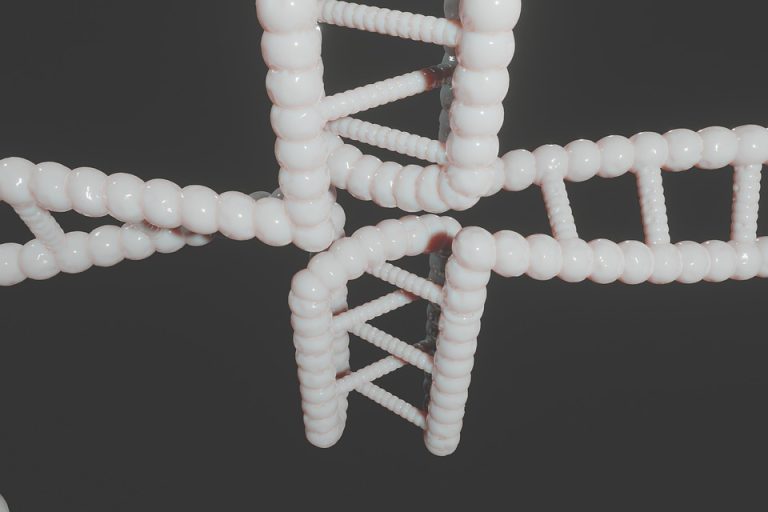
DNA is structured like a twisted ladder, a shape scientists call a double helix. The rungs of this ladder are made up of four chemical building blocks, known as nucleotides:
- Adenine
- Thymine
- Cytosine
- Guanine
These four letters—A, T, C, and G—write out the entire code of life. Just as thousands of words can be created using the 26 letters of the English alphabet, your body spells out tens of thousands of different proteins using just these four chemical letters arranged in varying sequences.
From Genes to Proteins
A gene is simply a specific segment of DNA that contains the instructions for making a specific protein or set of proteins. Proteins are the true workhorses of your biology. They form your muscles, carry oxygen through your bloodstream via hemoglobin, digest your food through enzymes, and regulate your mood through neurotransmitters. When a gene functions properly, it successfully manufactures the protein your body needs. When a change or mutation occurs in that gene, the resulting protein might look or act a little differently.
Heredity: How Traits Travel Through Families
Have you ever wondered why you might have your mother’s sharp cheekbones or your grandfather’s propensity for seasonal allergies? The transmission of traits from parents to offspring is known as heredity, and it is governed by the predictable laws of genetics.
[ Grandparents’ DNA ] —> [ Parents’ DNA ] —> [ Your DNA ]
(Passing down a unique mosaic of genetic variations)
Chromosomes: The Library Shelves
If DNA is the text of the instruction manual, chromosomes are the bound volumes on the library shelf. Humans typically have 23 pairs of chromosomes—for a total of 46—with one set inherited from your biological mother and the other from your biological father.
When biological parents conceive, they do not pass down their entire genetic code intact. Instead, through a specialized process of cell division called meiosis, genetic material is shuffled and recombined. This genetic shuffling ensures that siblings (other than identical twins) receive entirely unique combinations of traits, explaining why brothers and sisters can look and act so differently despite sharing the same parents.
Dominant Versus Recessive Traits
Some inherited traits follow straightforward patterns, often categorized as dominant or recessive:
- Dominant Traits: These require only a single copy of a mutated or variant gene (from one parent) for the trait or condition to be expressed.
- Recessive Traits: These require two copies of the variant gene (one from each parent) for the trait or condition to appear. If a person inherits only one copy, they are typically considered a “carrier”—they do not exhibit the trait themselves, but they can pass the gene variant down to their children.
However, modern genetics has revealed that most everyday health traits are far more complex than simple dominant-recessive models. Traits like height, weight, and baseline cardiovascular health are polygenic, meaning they are influenced by the combined interactions of dozens, hundreds, or even thousands of different genes working in concert.
Nature vs. Nurture: The Gene-Environment Interaction
For decades, popular culture debated whether human health and behavior were driven more by “nature” (our genetics) or “nurture” (our environment and upbringing). Modern science views this debate as a false dichotomy.
In reality, health is almost always the result of a continuous, dynamic dialogue between your genes and your environment.
Epigenetics: The Dimmer Switch on Your DNA
If your DNA sequence is a permanent script, epigenetics acts like a set of editorial notes written in the margins. Epigenetic markers are chemical modifications that attach to your DNA or the proteins (histones) that package it. These markers do not change the underlying genetic code itself; instead, they act like dimmer switches, turning specific genes either “on” or “off” (or adjusting their volume up and down).
What controls these epigenetic dimmer switches? Largely, your lifestyle and environment. Factors such as:
- Nutritional intake and diet quality
- Chronic stress levels
- Physical activity and exercise habits
- Exposure to environmental toxins, pollutants, or tobacco smoke
- Sleep quality and circadian rhythms
…can all influence epigenetic patterns over time. This means that while you cannot change the DNA sequence you were born with, your daily choices can significantly influence how your genes are expressed.
Genetic Risk and Everyday Wellness
When people hear the word “genetics” in a medical context, they often think of rare, single-gene disorders like cystic fibrosis or Huntington’s disease. However, most adults are more likely to encounter complex genetic risks related to common conditions like type 2 diabetes, high blood pressure, or heart disease.
Understanding Risk Probability
Having a genetic predisposition for a health condition does not mean a diagnosis is guaranteed. Genetic risk is generally communicated in terms of probability, not certainty.
- High Penetrance Genes: In some rare cases, inheriting a specific gene variant carries a very high likelihood of developing a condition (such as certain mutations in the BRCA1 or BRCA2 genes related to breast and ovarian cancer).
- Low Penetrance / Polygenic Risk: For most common health concerns, you might carry multiple subtle gene variants that slightly increase your susceptibility. However, without the compounding pressures of an unhealthy lifestyle or environmental triggers, those genes may never lead to clinical disease.
This probabilistic nature of genetics is precisely why proactive health care focuses so heavily on modifiable risk factors. Knowing your family history and genetic tendencies allows you and your healthcare provider to implement preventative strategies long before any issues arise.
Practical Takeaways: How to Use Your Genetic Knowledge
You don’t need a degree in molecular biology to put genetic principles to work for your health. Here are four practical ways to integrate an understanding of genetics into your daily wellness routine:
- Map Your Family Health History: Talk candidly with your biological parents, siblings, grandparents, and extended family members. Document chronic illnesses, ages of onset, and causes of death. Share this comprehensive family health tree with your primary care provider during your annual exams.
- Focus on Modifiable Factors: Remember that your genes are not your destiny. Prioritize a nutrient-dense diet, consistent physical activity, restorative sleep, and stress management to keep your epigenetic “dimmer switches” operating in your favor.
- Approach Direct-to-Consumer Genetic Tests Wisely: If you choose to use commercial ancestry or health-related DNA testing kits, understand their limitations. These tests often look at only a small fraction of your total genome. Always consult a qualified physician or a certified genetic counselor to interpret complex or unexpected results.
- Partner With Healthcare Professionals: Do not try to diagnose yourself using raw genetic data downloaded from third-party websites. Work with clinical professionals who can interpret genetic information within the full context of your physical exams, blood panels, and personal medical history.
Conclusion
Genetics is not a rigid script that dictates your physical future; rather, it is a dynamic, responsive toolkit. By understanding the basics of how DNA instructs your cells, how hereditary traits travel through your family tree, and how your everyday environment interacts with your genes, you transform from a passive passenger into an active manager of your own well-being. Embrace the insights your biology offers, and let them guide you toward a healthier, more informed lifestyle.
Frequently Asked Questions
Can my DNA change over time?
Your core DNA sequence (the order of your A, T, C, and G nucleotides) remains remarkably stable throughout your life. However, your cells can acquire random mutations over time due to environmental exposures (like UV radiation from the sun) or errors during cell division. Additionally, while your DNA sequence doesn’t change, the expression of your genes can shift constantly via epigenetics based on your lifestyle and environment.
If both of my parents have a certain health condition, will I definitely get it?
Not necessarily. It depends entirely on whether the condition is caused by a single dominant gene, multiple genes interacting together, or environmental factors shared by your family. Even with conditions that have a strong hereditary component, lifestyle choices, preventative screenings, and early interventions can significantly alter your personal outcome.
What is the difference between a geneticist and a genetic counselor?
A geneticist is a medical doctor (M.D.) or scientist who specializes in diagnosing, treating, and researching genetic disorders and chromosomal abnormalities. A genetic counselor is a specialized healthcare professional with advanced training in medical genetics and counseling. They help patients understand complex genetic test results, assess hereditary disease risks, and navigate emotionally challenging family health situations.
Are direct-to-consumer genetic tests diagnostic?
No. Most commercial DNA tests are designed for informational, wellness, or ancestry purposes and are not considered diagnostic medical tests. If a commercial test indicates a potential health risk, it must always be validated through clinical-grade genetic testing ordered by a licensed physician or medical specialist.