

SEO Meta Description: Explore what fructans are, how they impact digestive comfort, and practical strategies for balanced meal planning without unnecessary food restrictions. For many individuals, the journey toward lasting digestive comfort involves looking beyond broad categories and examining specific types of carbohydrates found in everyday foods. While terms like gluten and dairy frequently dominate conversations about gut wellness, other components—such as specific short-chain carbohydrates—play a significant role in how our bodies process meals. Among these components, fructans have garnered increasing attention in nutritional science and gastroenterology. Understanding what fructans are, where they appear in our daily diets, and how they interact with our digestive systems can help you make informed, balanced choices for your overall well-being. What Are Fructans and Where Do They Hide? Fructans are a type of oligosaccharide—specifically, chains of fructose molecules linked together with a glucose molecule at the end. They belong to a broader category of fermentable carbohydrates known in the nutrition world as FODMAPs (Fermentable Oligosaccharides, Disaccharides, Monosaccharides, and Polyols). In nature, plants use fructans as a form of energy storage. Because human small intestines lack the specific enzymes required to break the chemical bonds holding these fructose chains together, fructans pass through the upper digestive tract largely unabsorbed. When they reach the large intestine, resident gut bacteria ferment them, a natural process that can produce gas and other byproducts. Fructans are naturally present in a wide variety of nutritious plant foods that form the foundation of a wholesome diet. Some of the most …
SEO Meta Description: Explore what fructans are, how they impact digestive comfort, and practical strategies for balanced meal planning without unnecessary food restrictions.
For many individuals, the journey toward lasting digestive comfort involves looking beyond broad categories and examining specific types of carbohydrates found in everyday foods. While terms like gluten and dairy frequently dominate conversations about gut wellness, other components—such as specific short-chain carbohydrates—play a significant role in how our bodies process meals.
Among these components, fructans have garnered increasing attention in nutritional science and gastroenterology. Understanding what fructans are, where they appear in our daily diets, and how they interact with our digestive systems can help you make informed, balanced choices for your overall well-being.
What Are Fructans and Where Do They Hide?
Fructans are a type of oligosaccharide—specifically, chains of fructose molecules linked together with a glucose molecule at the end. They belong to a broader category of fermentable carbohydrates known in the nutrition world as FODMAPs (Fermentable Oligosaccharides, Disaccharides, Monosaccharides, and Polyols).
In nature, plants use fructans as a form of energy storage. Because human small intestines lack the specific enzymes required to break the chemical bonds holding these fructose chains together, fructans pass through the upper digestive tract largely unabsorbed. When they reach the large intestine, resident gut bacteria ferment them, a natural process that can produce gas and other byproducts.
Fructans are naturally present in a wide variety of nutritious plant foods that form the foundation of a wholesome diet. Some of the most common dietary sources include:
- Alliums: Garlic, onions, shallots, leeks, and scallions.
- Grains: Wheat, barley, and rye.
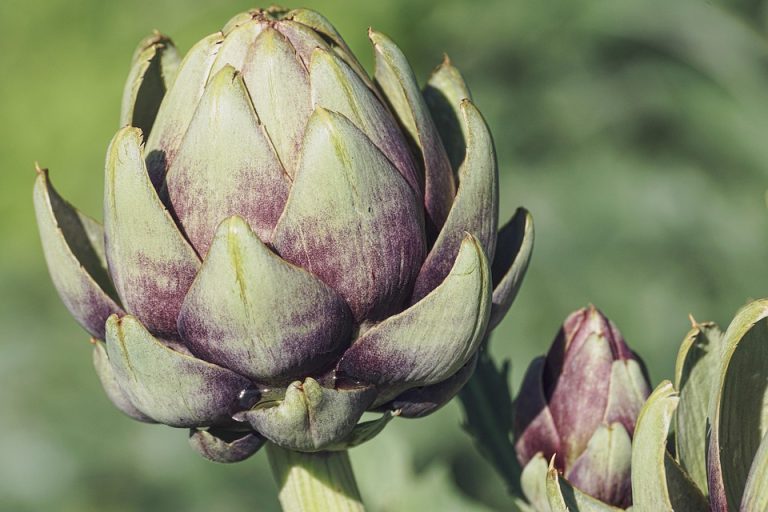
- Vegetables: Artichokes (both Globe and Jerusalem), asparagus, beetroot, and brussels sprouts.
- Fruits: Custard apples, nectarines, and dried fruits like dates and raisins.
Because these ingredients form the flavor base of countless culinary traditions, identifying how your body responds to them is a nuanced process rather than a simple matter of elimination.
Fructans vs. Gluten: Untangling Common Kitchen Confusions
In everyday conversation, the digestive discomfort that arises after eating a plate of pasta or a slice of artisanal bread is frequently blamed on gluten—a protein found in wheat, barley, and rye. However, researchers have discovered that for many individuals who experience bloating and abdominal distress after consuming wheat products, fructans may actually be the underlying culprit rather than the gluten protein itself.
Distinguishing between these components is vital for maintaining a varied, nutritious diet:
- Gluten is a structural protein. For individuals with celiac disease, an autoimmune condition, even trace amounts of gluten trigger an immune reaction that damages the small intestine. Non-celiac gluten sensitivity is also recognized, though diagnostic criteria continue to evolve.
- Fructans are carbohydrates. They do not trigger an immune response or cause intestinal tissue damage, but rather influence fermentation processes in the colon.
When someone experiences post-meal discomfort after eating wheat, assuming gluten is the sole factor can lead to unnecessary and restrictive lifestyle changes. Recognizing that fructans are also present in wheat-based foods provides a broader perspective on digestive health and encourages more precise culinary adjustments.
Recognizing Variable Responses and Symptom Patterns
Human digestion is remarkably individualized. Two people can consume the exact same meal containing garlic, onions, and wheat, yet experience entirely different physical responses.
When fructans are fermented rapidly by gut bacteria, some individuals may notice specific symptom patterns, which can include:
- Mild to moderate abdominal bloating
- Excess gas or flatulence
- Cramping or general abdominal discomfort
- Changes in usual bowel regularity
It is important to note that these signs are not exclusive to fructan intake. Similar physical responses can stem from a wide array of factors, including eating speed, portion sizes, stress levels, hydration habits, or other underlying digestive conditions such as irritable bowel syndrome (IBS).
Furthermore, experiencing occasional digestive grumbles after a heavy or complex meal is a normal part of human physiology. It does not automatically indicate a permanent intolerance or sensitivity. If digestive symptoms are persistent, worsening, or significantly impact your daily quality of life, consulting a qualified healthcare professional or a registered dietitian is the safest and most effective course of action.
Practical Strategies for Dietary Balance and Meal Planning
Maintaining a healthy relationship with food means avoiding unnecessarily restrictive diets that strip joy and vital nutrients from your meals. If you suspect that fructan-rich foods contribute to your digestive unpredictability, a measured, thoughtful approach is far more sustainable than eliminating entire food groups overnight.
1. Focus on Portion Awareness
Often, tolerance to fructans is dose-dependent. For example, a small slice of wheat bread or a minor touch of garlic powder in a savory sauce may cause no noticeable reaction, while a massive serving of garlic-heavy pasta might trigger discomfort. Adjusting portion sizes allows you to enjoy favorite flavors without overloading your digestive capacity.
2. Explore Culinary Alternatives
If certain alliums or grains consistently trigger discomfort, creative kitchen substitutions can keep your meals vibrant and satisfying:
- Instead of garlic cloves: Infuse cooking oil with garlic and remove the solids before cooking. Fructans are water-soluble rather than oil-soluble, meaning the flavor transfers without the carbohydrates.
- Instead of standard wheat pasta: Experiment with grains lower in fructans, such as 100% pure quinoa, rice, or certified gluten-free alternatives, ensuring you still enjoy a diverse range of complex carbohydrates.
- Flavor builders: Utilize herbs like basil, oregano, cilantro, ginger, and citrus zest to build deep, satisfying flavor profiles without relying heavily on onions and garlic.
3. Keep a Thoughtful Food and Symptom Diary
Before making sweeping changes to your diet, tracking your meals alongside your physical well-being for a week or two can reveal valuable patterns. Note not just what you eat, but the portion sizes, stress levels, and the timing of any discomfort. This log serves as an invaluable tool if you choose to discuss your digestive health with a medical professional.
Conclusion
Navigating digestive wellness is a personal journey that benefits from curiosity, patience, and evidence-based insight. Fructans are natural components of many wholesome foods, and while they can contribute to digestive discomfort for some individuals, they are not inherently harmful. By understanding how these carbohydrates interact with your gut, practicing portion mindfulness, and embracing culinary flexibility, you can support your digestive comfort while maintaining a varied, nourishing diet.
Frequently Asked Questions
Are fructans considered a type of sugar?
Yes, fructans are classified as short-chain carbohydrates (oligosaccharides) made up of repeating fructose molecules. Because human digestive enzymes cannot break them down in the small intestine, they travel further down the digestive tract where gut bacteria ferment them.
Can I test myself for a fructan sensitivity at home?
There is no reliable home test for fructan sensitivity. The most accurate way to understand how your body reacts to specific foods is through structured, short-term dietary adjustments conducted under the guidance of a registered dietitian or healthcare provider, ensuring you do not miss out on essential nutrients.
If I react to garlic and onions, does that mean I have a food allergy?
No. Reactions to fructans in foods like garlic and onions are classified as food sensitivities or intolerances rather than true food allergies. Allergies involve the immune system and can cause severe, immediate reactions, whereas fructan intolerance relates to digestive fermentation processes in the gut.
Do cooking methods alter the fructan content in vegetables?
Unlike some vitamins that degrade with heat, fructans are generally stable molecules. Cooking methods such as boiling, roasting, or steaming do not significantly break down the fructan chains within vegetables, though water-soluble fructans can leach out into cooking water if vegetables are boiled.
Is it safe to eliminate all wheat, garlic, and onions permanently?
Eliminating major food groups long-term without professional supervision is generally discouraged, as it can lead to nutritional deficiencies and reduce the diversity of your gut microbiome. A balanced approach focuses on finding your individual tolerance threshold rather than permanent, rigid restriction.