

SEO Meta Description: Discover how sorbitol intolerance affects digestion. Learn about high-sorbitol foods, symptom patterns, and practical ways to support digestive comfort. Sorbitol is a type of sugar alcohol—scientifically known as a polyol—that occurs naturally in a wide variety of stone fruits and berries while also seeing widespread use as a low-calorie sweetener in sugar-free gums, mints, and diet foods. While many people process this compound without a second thought, others find that consuming even moderate amounts triggers a cascade of unexpected digestive distress. Navigating gut comfort when dealing with suspected sugar alcohol sensitivities requires more than just eliminating sweet treats from your pantry. Understanding how your digestive tract handles polyols, recognizing individual tolerance thresholds, and maintaining a balanced, nourishing plate are essential steps toward feeling your best. What Is Sorbitol and How Does the Body Process It? Sorbitol is a carbohydrate that sits chemically between a sugar and an alcohol, though it contains no ethanol and will not cause intoxication. Your body absorbs sorbitol relatively slowly in the small intestine through passive diffusion rather than active transport. Because this absorption process is slow and capacity-limited, a portion of the sorbitol you consume inevitably travels onward into the large intestine. Once it reaches the colon, resident gut bacteria ferment these unabsorbed molecules. Fermentation produces gases like hydrogen and methane, along with short-chain fatty acids. For some individuals, this normal microbial fermentation happens quietly. For others with a lower physiological absorption capacity or a sensitive gut, the process draws excess water …
SEO Meta Description: Discover how sorbitol intolerance affects digestion. Learn about high-sorbitol foods, symptom patterns, and practical ways to support digestive comfort.
Sorbitol is a type of sugar alcohol—scientifically known as a polyol—that occurs naturally in a wide variety of stone fruits and berries while also seeing widespread use as a low-calorie sweetener in sugar-free gums, mints, and diet foods. While many people process this compound without a second thought, others find that consuming even moderate amounts triggers a cascade of unexpected digestive distress.
Navigating gut comfort when dealing with suspected sugar alcohol sensitivities requires more than just eliminating sweet treats from your pantry. Understanding how your digestive tract handles polyols, recognizing individual tolerance thresholds, and maintaining a balanced, nourishing plate are essential steps toward feeling your best.
What Is Sorbitol and How Does the Body Process It?
Sorbitol is a carbohydrate that sits chemically between a sugar and an alcohol, though it contains no ethanol and will not cause intoxication. Your body absorbs sorbitol relatively slowly in the small intestine through passive diffusion rather than active transport.
Because this absorption process is slow and capacity-limited, a portion of the sorbitol you consume inevitably travels onward into the large intestine. Once it reaches the colon, resident gut bacteria ferment these unabsorbed molecules. Fermentation produces gases like hydrogen and methane, along with short-chain fatty acids.
For some individuals, this normal microbial fermentation happens quietly. For others with a lower physiological absorption capacity or a sensitive gut, the process draws excess water into the bowel and generates rapid gas accumulation, leading to unmistakable abdominal rumbling, bloating, and changes in bowel regularity.
Recognizing Common Symptom Patterns
Reactions to sorbitol can vary dramatically from one person to the next, influenced by portion sizes, what other foods were eaten at the same meal, and individual gut motility. When the digestive system struggles to process polyols efficiently, several classic symptoms may emerge:
- Abdominal Bloating and Distension: A feeling of uncomfortable fullness or visible swelling in the midsection caused by gas production.
- Excessive Flatulence: Increased gas release resulting from bacterial fermentation in the lower gut.
- Cramping and Abdominal Discomfort: Mild to moderate tugging or gripping sensations in the belly as the intestinal walls stretch.
- Loose Stools or Diarrhea: The osmotic effect pulls water into the colon, which can quickly accelerate transit time and loosen stool consistency.
Distinguishing Sensitivities from Other Conditions
It is important to remember that experiencing digestive upset after eating does not automatically point to a sorbitol sensitivity. Similar symptoms can arise from a wide range of factors, including rapid eating habits, stress, other food intolerances (such as fructose malabsorption or lactose intolerance), or underlying gastrointestinal conditions like irritable bowel syndrome (IBS).
If you experience persistent, severe, or worsening digestive symptoms, consulting a qualified healthcare professional is crucial. They can help investigate alternative causes and provide an accurate evaluation rather than leaving you to guess at dietary culprits.
Common Dietary Sources of Sorbitol
Sorbitol hides in plain sight across two distinct categories: whole, nutritious plant foods and manufactured, artificially sweetened products.
Fresh Fruits and Dried Fruits
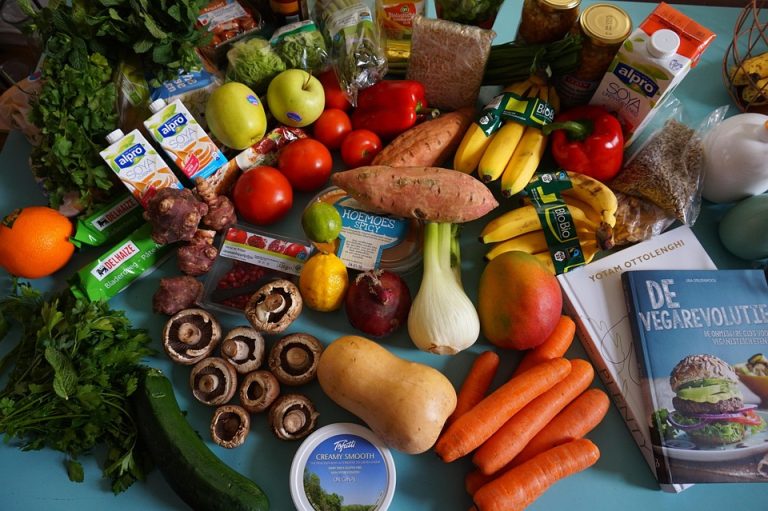
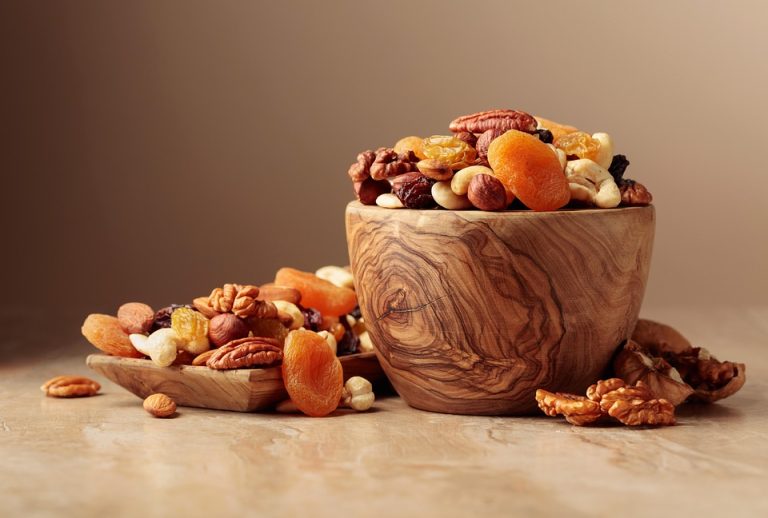
Nature packs sorbitol into many healthy fruits, particularly stone fruits and certain dried varieties. Foods with higher natural sorbitol concentrations include:
- Prunes and Prune Juice: Long renowned for their digestive-stimulating properties, largely due to high sorbitol content.
- Apples and Pears: Fresh, crisp fruits that pack moderate amounts of polyols, especially in their skins.
- Stone Fruits: Peaches, plums, cherries, and nectarines.
- Blackberries and Raspberries: Berries that contain small-to-moderate polyol levels.
Manufactured and Sugar-Free Items
Food manufacturers frequently use sorbitol (often labeled as E420) to reduce calorie counts or provide texture in processed goods. You are likely to find it in:
- Sugar-free chewing gums and breath mints
- Diet beverages and flavored water enhancers
- Diabetic-friendly chocolates, candies, and baked goods
- Certain liquid cough syrups and pharmaceutical chewable tablets
Practical Strategies for Managing Sorbitol Intake
If you suspect that sorbitol is contributing to your digestive discomfort, managing your intake does not mean you must completely banish whole fruits or live an overly restrictive lifestyle. A balanced, thoughtful approach is far more sustainable.
1. Pay Attention to Portion Sizes
Tolerance is often a matter of dose. Eating half an apple or a single plum might cause zero discomfort, whereas eating a large fruit salad loaded with stone fruits, apples, and dried prunes might cross your personal threshold. Scaling down serving sizes allows many people to continue enjoying their favorite produce.
2. Combine Foods Strategically
Consuming sorbitol-heavy foods on an empty stomach often leads to faster transit and more noticeable symptoms. Eating fruit as part of a balanced meal containing proteins, healthy fats, and complex carbohydrates can slow down gastric emptying, giving your digestive tract more time to process nutrients gradually.
3. Keep a Food and Symptom Diary
Before making sweeping changes to your diet, track your intake alongside your daily physical responses for a week or two. Note down:
- The specific foods and portion sizes consumed
- The timing of meals and snacks
- Any digestive symptoms that occur and how long after eating they appear
This written record helps you and a registered dietitian or physician identify genuine patterns rather than relying on guesswork.
4. Read Ingredient Labels Carefully
When shopping for packaged foods, scanning the ingredient list can reveal hidden polyols. Look out for sorbitol, maltitol, xylitol, and mannitol—especially if you frequently purchase items marketed as “sugar-free,” “keto-friendly,” or “no added sugar.”
Maintaining Nutritional Balance
One of the greatest risks of self-diagnosis and unguided dietary restriction is accidentally cutting out nutrient-dense foods that your body genuinely needs. Fruits like apples and pears supply vital dietary fiber, vitamin C, and antioxidants that support long-term wellness.
If you decide to reduce certain high-sorbitol foods temporarily, ensure you replace them with alternative produce choices that fit your comfort zone—such as bananas, citrus fruits, or blueberries, which naturally contain lower levels of polyols. Staying adequately hydrated with water throughout the day also supports smooth digestive transit and overall metabolic function.
Frequently Asked Questions
Is sorbitol intolerance the same thing as a food allergy?
No. A food allergy involves an immune system response (such as IgE antibodies) that can trigger dangerous reactions like hives, swelling, or anaphylaxis. Sorbitol intolerance is a digestive processing issue occurring entirely within the gastrointestinal tract, resulting from incomplete absorption and subsequent bacterial fermentation.
Will avoiding sorbitol permanently cure my digestive sensitivity?
Sorbitol intolerance is generally a reflection of your gut’s current digestive capacity and microbiome activity rather than a disease that can be “cured.” Many people find that their tolerance fluctuates over time, and they can comfortably reintroduce small amounts of high-sorbitol foods after a brief period of digestive rest.
Why do sugar-free candies with sorbitol have a laxative warning?
Because sorbitol draws water into the colon and accelerates fermentation, consuming large quantities—such as eating an entire bag of sugar-free mints—frequently results in a strong laxative effect. Food labeling regulations require manufacturers to warn consumers when a product contains levels of polyols likely to cause this reaction.
Can cooking or baking reduce the sorbitol content in fruit?
Heat does not significantly break down or destroy sorbitol molecules. Stewing apples or baking pears will change their texture and make them easier to chew, but the total amount of sorbitol remaining in the dish stays relatively consistent.
How can I distinguish between fructose malabsorption and sorbitol intolerance?
Both conditions involve FODMAPs (fermentable oligosaccharides, disaccharides, monosaccharides, and polyols) and share very similar symptom profiles. A specialized breath test administered by a gastroenterologist, combined with guidance from a clinical nutritionist, is typically required to differentiate between them accurately.