


Meta Description: Discover how your genetics shape your health. Learn the basics of DNA, inherited traits, family history, and lifestyle factors in this beginner-friendly guide. Introduction Have you ever wondered why you have your mother’s eye color, your father’s height, or why heart disease seems to run on one side of your family? The answers lie hidden deep inside nearly every cell in your body. Welcome to the microscopic world of genetics and health. For a long time, people thought our health was entirely a matter of luck or that our destiny was completely written in our biological code from birth. Today, we know the picture is much more fascinating—and empowering. While you cannot change the biological code you inherited from your parents, understanding how your genes work can help you make informed lifestyle choices to support your overall wellness. In this article, we will break down the science of genetics into plain, everyday language. We’ll explore what DNA is, how inherited traits work, why family health history matters, and how your daily habits interact with your genetic makeup. What Is DNA and How Does It Work? To understand genetics, we first need to look at the building blocks of life. Think of your body as a massive, highly complex library. Cells: The library building. Your body is made up of trillions of microscopic cells. Chromosomes: The bookshelves. Inside almost every cell, you have 23 pairs of chromosomes (46 in total) that neatly organize your genetic material. DNA: The books …
Meta Description: Discover how your genetics shape your health. Learn the basics of DNA, inherited traits, family history, and lifestyle factors in this beginner-friendly guide.
Introduction
Have you ever wondered why you have your mother’s eye color, your father’s height, or why heart disease seems to run on one side of your family? The answers lie hidden deep inside nearly every cell in your body.
Welcome to the microscopic world of genetics and health.
For a long time, people thought our health was entirely a matter of luck or that our destiny was completely written in our biological code from birth. Today, we know the picture is much more fascinating—and empowering. While you cannot change the biological code you inherited from your parents, understanding how your genes work can help you make informed lifestyle choices to support your overall wellness.
In this article, we will break down the science of genetics into plain, everyday language. We’ll explore what DNA is, how inherited traits work, why family health history matters, and how your daily habits interact with your genetic makeup.
What Is DNA and How Does It Work?
To understand genetics, we first need to look at the building blocks of life. Think of your body as a massive, highly complex library.
- Cells: The library building. Your body is made up of trillions of microscopic cells.
- Chromosomes: The bookshelves. Inside almost every cell, you have 23 pairs of chromosomes (46 in total) that neatly organize your genetic material.
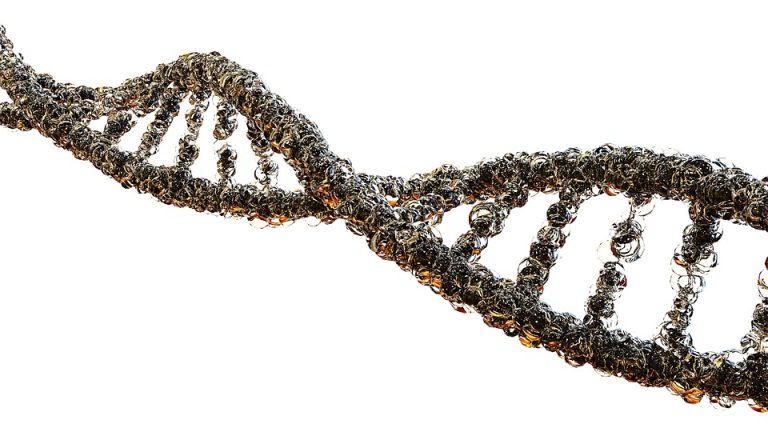
- DNA: The books themselves. DNA stands for deoxyribonucleic acid. It is a long, twisted ladder-like molecule—known as a double helix—that contains the written instructions for building and maintaining your body.
- Genes: The sentences and paragraphs within the books. A gene is a specific segment of DNA that contains instructions for making proteins, which are the fundamental workhorses of your cells.
Your genes dictate everything from the pigment in your skin to how your body digests food. However, having a gene for a specific trait or condition does not mean it operates in a vacuum. It simply provides the instructions; how those instructions are read and executed can depend on many other influences.
Inherited Traits and Family Health History
Every person inherits 50% of their DNA from their biological mother and 50% from their biological father. This explains why children often share physical resemblances and personality traits with their parents.
These inherited traits fall into two main categories:
- Simple Traits: Traits influenced primarily by a single gene, such as attached versus unattached earlobes or certain rare, single-gene medical conditions.
- Complex Traits: Traits and health conditions influenced by multiple genes acting together, often combined with lifestyle and environmental factors. Most common health conditions—such as high blood pressure, type 2 diabetes, and asthma—fall into this category.
Why Your Family Health History Matters
Your family health history is essentially a snapshot of your shared genetics and shared environments across generations. Because close biological relatives share a higher percentage of their DNA, patterns of health conditions often run in families.
Mapping out your family tree’s medical history can reveal valuable insights. Questions to consider include:
- What chronic conditions did your parents, grandparents, siblings, and aunts/uncles have?
- At what age did these conditions typically develop?
- Are there patterns of specific health issues, such as heart disease, cancer, or autoimmune disorders?
Sharing this information with an appropriately qualified healthcare professional can help them assess your potential genetic risk factors and recommend personalized screening schedules or lifestyle modifications.
Understanding Genetic Risk Factors
When people hear the term “genetic risk,” they often feel a sense of dread, assuming a diagnosis is inevitable. However, medical science views risk very differently.
Risk Is Not Destiny
It is crucial to understand that genetic risk does not guarantee a condition.
Having a genetic variant associated with a disease—such as a BRCA gene mutation linked to breast and ovarian cancer, or variants associated with cardiovascular disease—means your likelihood or susceptibility of developing that condition is higher than average. However, many people with genetic risk factors never develop the condition, while others without known genetic risk factors still do.
Think of a genetic risk factor like having a tendency to sunburn easily. It doesn’t mean you will get a sunburn today, but it does mean you need to be more careful, wear sunscreen, and limit your exposure compared to someone with a different skin type.
Genetics vs. Lifestyle: The Nature and Nurture Interaction
If genes are the blueprint, lifestyle and environment are the builders. Very few health conditions are determined by genetics alone. Instead, your health is the result of a continuous dialogue between your genes and your environment.
This interaction is studied in a field called epigenetics, which looks at how external factors can turn genes “on” or “off” without changing the underlying DNA sequence.
Environmental and Lifestyle Influences Include:
- Diet and Nutrition: What you eat fuels your cellular processes and impacts metabolic health.
- Physical Activity: Regular exercise influences cardiovascular health, insulin sensitivity, and gene expression related to inflammation.
- Stress Management: Chronic stress releases hormones that can impact immune and cardiovascular function over time.
- Toxins and Exposures: Smoking, excessive alcohol consumption, and exposure to environmental pollutants can interact with your genetic vulnerabilities.
For example, an individual might inherit a genetic predisposition toward high cholesterol. If they adopt a heart-healthy diet, exercise regularly, and avoid smoking, they can often manage their cholesterol levels effectively and significantly reduce their overall health risks.
Genetic Testing: What You Need to Know
With the rise of direct-to-consumer DNA kits and advanced clinical screenings, genetic testing has become a household topic. But how does it work, and what can it actually tell you?
Types of Genetic Tests
- Direct-to-Consumer (DTC) Tests: These kits, purchased online, often focus on ancestry, wellness traits (like caffeine metabolism or fitness response), and sometimes carrier status for certain conditions.
- Clinical Genetic Tests: Ordered by healthcare providers, these are diagnostic or predictive tests used to look for specific, clinically significant gene mutations related to hereditary conditions.
Limitations of Genetic Testing
While genetic testing can provide fascinating insights, it has important limitations:
- Not All-Inclusive: DTC tests usually look at a fraction of your DNA, meaning they might miss important risk factors.
- Context Is Everything: Raw genetic data can be confusing or alarming without proper clinical context.
- No Personal Medical Advice: Genetic test results alone cannot predict your exact future health outcomes because they don’t account for your unique lifestyle, medical history, and environment.
If you are considering genetic testing—especially for medical or family-planning purposes—it is wise to consult with an appropriately qualified healthcare professional or a certified genetic counselor. They can help you choose the right test, interpret the complex results accurately, and guide you on the next steps.
Practical Takeaways for Everyday Health
You cannot rewrite your DNA, but you have immense power over how you live your life. Here are a few practical ways to use your understanding of genetics to support your wellness:
- Investigate Your Roots: Talk to your family members and document your family health history. Keep an updated record of chronic conditions and ages of onset to share with your doctor.
- Focus on What You Can Control: Prioritize foundational health habits—such as eating a balanced, nutrient-dense diet, exercising regularly, getting quality sleep, and managing stress. These habits benefit everyone, regardless of their genetic makeup.
- Partner with Your Doctor: Be proactive during annual check-ups. Share your family medical history and ask what preventative screenings (like blood pressure checks, cholesterol panels, or cancer screenings) make sense for you based on your unique profile.
- Approach Genetic Data with Caution: If you explore genetic testing, remember that results represent probabilities, not certainties. Always seek professional guidance rather than trying to interpret complex genetic reports on your own.
Conclusion
Genetics is the foundational language of life, dictating how our bodies are built and how they function. While we inherit a unique combination of traits and potential genetic risk factors from our parents, our biology is not our destiny.
By understanding the interplay between your genes, family history, and daily lifestyle choices, you can take a proactive, informed approach to your health. Remember that small, positive daily habits—paired with guidance from qualified healthcare professionals—are your most powerful tools for lifelong wellness.
Frequently Asked Questions (FAQs)
1. Does having a family history of a disease mean I will definitely get it?
No. A family history indicates that you share genetic and environmental factors that may increase your risk, but it does not guarantee that you will develop the condition. Many people with a family history never develop the disease, especially if they maintain healthy lifestyle habits.
2. Can I change my genes through diet and exercise?
You cannot change your underlying DNA sequence (the genetic code you were born with), but lifestyle factors like diet and exercise can influence how your genes are expressed. This concept, known as epigenetics, means healthy habits can help turn on beneficial biological pathways and mitigate certain genetic risks.
3. Are direct-to-consumer DNA tests accurate for health information?
Direct-to-consumer genetic tests can provide general insights about ancestry and certain wellness traits, but their medical utility can be limited. They often look at only a small portion of your DNA and should not replace clinical genetic testing or professional medical advice.
4. What is the difference between a gene and a chromosome?
Think of chromosomes as books and genes as the sentences inside those books. Chromosomes are tightly packed structures made of DNA located inside your cells, while genes are specific segments of that DNA that provide instructions for making proteins.
5. When should I consult a genetic counselor?
You might consider consulting a genetic counselor if you have a strong family history of a specific inherited condition (like certain cancers or heart disorders), if you are planning a family and want to understand carrier risks, or if you have complex clinical genetic test results that require expert interpretation.
6. Can genetic testing diagnose all health conditions?
No. Genetic testing can identify specific genetic variants associated with certain inherited conditions, but many common health issues (such as heart disease, diabetes, and mental health conditions) are complex and influenced by a combination of multiple genes, lifestyle, and environmental factors that cannot be diagnosed by a single genetic test.