





Meta Description: Discover the foundations of evidence-based nutrition with The Health Care. Learn how to choose wholesome foods, master meal planning, and build balanced eating habits for life. An engaging approach to nutrition doesn't have to be complicated, restrictive, or tied to the latest fleeting diet trend. At its core, the science of eating well is about nourishing your body with the right mix of macro- and micronutrients to support daily energy, long-term wellness, and optimal physiological function. Whether you are looking to refine your daily meals or establish a more mindful relationship with food, understanding the principles of balanced nutrition is the most effective way to reach your wellness goals. In this comprehensive guide, we explore the essentials of healthy food choices, practical meal planning strategies, and evidence-based habits that make healthy eating sustainable. What is Balanced Nutrition? Balanced nutrition refers to consuming the appropriate proportions of various food groups and nutrients to support bodily functions, growth, and overall health. Rather than eliminating entire food groups or demonizing specific ingredients, a balanced dietary pattern embraces variety, moderation, and adequacy. The Role of Macronutrients Macronutrients are the nutrients your body needs in large amounts to supply energy and maintain structure: Carbohydrates: The body’s primary and most efficient source of fuel. Found in whole grains, fruits, vegetables, and legumes. Proteins: Essential for building and repairing tissues, supporting immune function, and synthesizing enzymes and hormones. Found in poultry, fish, beans, tofu, dairy, and lean meats. Fats: Crucial for hormone production, nutrient absorption …
Meta Description: Discover the foundations of evidence-based nutrition with The Health Care. Learn how to choose wholesome foods, master meal planning, and build balanced eating habits for life.
An engaging approach to nutrition doesn’t have to be complicated, restrictive, or tied to the latest fleeting diet trend. At its core, the science of eating well is about nourishing your body with the right mix of macro- and micronutrients to support daily energy, long-term wellness, and optimal physiological function.
Whether you are looking to refine your daily meals or establish a more mindful relationship with food, understanding the principles of balanced nutrition is the most effective way to reach your wellness goals. In this comprehensive guide, we explore the essentials of healthy food choices, practical meal planning strategies, and evidence-based habits that make healthy eating sustainable.
What is Balanced Nutrition?
Balanced nutrition refers to consuming the appropriate proportions of various food groups and nutrients to support bodily functions, growth, and overall health. Rather than eliminating entire food groups or demonizing specific ingredients, a balanced dietary pattern embraces variety, moderation, and adequacy.
The Role of Macronutrients
Macronutrients are the nutrients your body needs in large amounts to supply energy and maintain structure:
- Carbohydrates: The body’s primary and most efficient source of fuel. Found in whole grains, fruits, vegetables, and legumes.
- Proteins: Essential for building and repairing tissues, supporting immune function, and synthesizing enzymes and hormones. Found in poultry, fish, beans, tofu, dairy, and lean meats.
- Fats: Crucial for hormone production, nutrient absorption (specifically fat-soluble vitamins A, D, E, and K), and cellular health. Found in olive oil, avocados, nuts, seeds, and fatty fish.
Micronutrients: Vitamins and Minerals
While needed in smaller quantities, micronutrients are vital catalysts for metabolic processes. Eating a colorful array of plant and animal foods ensures your body receives adequate amounts of iron, calcium, potassium, vitamin C, and B-complex vitamins, among others.
Healthy Food Choices: Quality Matters
Nutrition is not just about counting calories; it is fundamentally about nutrient density—the amount of vitamins, minerals, and wholesome compounds a food provides relative to its calorie content.
Focus on Whole and Minimally Processed Foods
Prioritizing whole foods forms the cornerstone of a healthy diet. Examples include:
- Fresh Fruits and Vegetables: Berries, leafy greens, cruciferous veggies (like broccoli and cauliflower), and citrus fruits.
- Whole Grains: Quinoa, brown rice, oats, barley, and whole-wheat products.
- Lean Proteins: Salmon, chicken breast, lentils, chickpeas, and eggs.
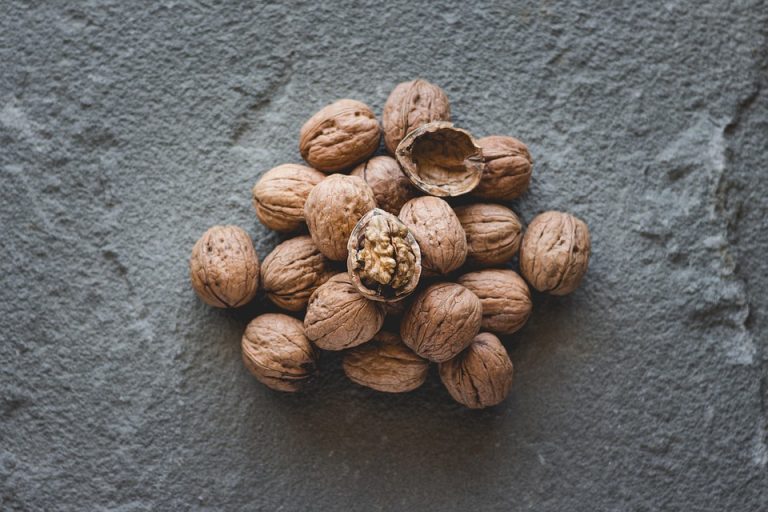
- Healthy Fats: Extra virgin olive oil, walnuts, chia seeds, and avocado.
Navigating Nutrition Labels
When purchasing packaged foods, becoming a savvy label reader helps you make informed choices. Look for items with short ingredient lists, minimal added sugars, and adequate fiber content.
Practical Meal Planning for Everyday Life
One of the greatest hurdles to maintaining healthy eating habits is the daily question of “What’s for dinner?” Meal planning takes the guesswork out of eating, reduces food waste, and prevents impulsive food choices driven by excessive hunger.
Step-by-Step Meal Planning Tips
- Assess Your Schedule: Look at your upcoming week. Identify nights when you have little time to cook and reserve those for quick-assembly meals or leftovers.
- Batch Cook Staples: Prepare versatile base ingredients in advance, such as roasting a tray of mixed vegetables, boiling a batch of quinoa, or grilling chicken breasts.
- Build a Balanced Plate: Use the plate method as a visual guide for lunch and dinner:
- ½ plate: Non-starchy vegetables and salad.
- ¼ plate: Quality protein sources.
- ¼ plate: Complex carbohydrates or whole grains.
- Healthy Fats: Incorporated in cooking oils, dressings, or as toppings (like pumpkin seeds or avocado slices).
Healthy Eating Habits Beyond the Plate
Nutrition is as much about how we eat as it is about what we eat. Cultivating positive behavioral habits supports better digestion, satisfaction, and long-term adherence.
Practice Mindful Eating
In our fast-paced world, eating in front of a screen or on the go is common. Mindful eating involves paying full attention to the experience of eating—noticing textures, flavors, and fullness cues. Eating slowly allows your brain time to register satiety, preventing accidental overeating.
Prioritize Hydration
Water is involved in nearly every metabolic process in the human body. Dehydration can often mimic feelings of hunger or fatigue. Keep a reusable water bottle nearby and sip consistently throughout the day. Herbal teas and water-infused with fresh fruit or cucumber are also excellent options.
Individual Variability in Nutrition
It is important to recognize that nutritional needs are not one-size-fits-all. Factors such as age, biological sex, activity level, genetics, and metabolic health influence individual requirements. What works well for one person may not be ideal for another.
Important Health Note: Readers with pre-existing medical conditions, food allergies, specific cultural preferences, or those who are pregnant or breastfeeding should consult a qualified healthcare professional, registered dietitian, or physician before making significant changes to their diet.
Conclusion
Embracing balanced nutrition is a journey of self-care rather than a rigid set of rules. By focusing on nutrient-dense foods, practicing thoughtful meal planning, and listening to your body’s natural hunger and fullness cues, you can build a sustainable foundation for lifelong health. Start with small, manageable changes today, and let consistency pave the way to lasting wellness.
Frequently Asked Questions
1. What is the most important rule of balanced nutrition?
The most important principle is variety and moderation. No single food provides all the essential nutrients your body needs, so eating a wide range of whole foods from all food groups ensures nutritional adequacy.
2. How can I start meal planning if I am a beginner?
Start small. Instead of planning 21 meals a week, try planning just three dinners for your upcoming week. Make a shopping list based on those recipes to stay organized and reduce stress.
3. Are carbohydrates bad for weight management?
No. Carbohydrates are the body’s preferred energy source. The key is choosing complex, fiber-rich carbohydrates—such as oats, quinoa, beans, and vegetables—over heavily processed, refined grains and sugary foods.
4. How much water should I drink daily?
Fluid needs vary based on climate, activity level, and body size. A general guideline is to drink when you are thirsty and monitor your urine color, aiming for a pale, straw-like yellow.
5. Do I need to take vitamin supplements?
For most people, a balanced diet rich in whole foods provides all necessary vitamins and minerals. However, certain individuals (such as those with restricted diets, diagnosed deficiencies, or pregnant individuals) may benefit from supplementation under professional guidance.
6. How do I handle social eating while trying to eat healthily?
Flexibility is key to a healthy relationship with food. Enjoy social gatherings without guilt by practicing moderation, focusing on the company and conversation, and returning to your regular routine with your next meal.
7. When should I consult a registered dietitian?
If you have specific health conditions (such as diabetes, gastrointestinal disorders, or cardiovascular disease), severe food allergies, or if you feel overwhelmed by conflicting nutrition information, consulting a registered dietitian nutritionist can provide tailored, evidence-based guidance.