





SEO-Friendly Meta Description: Discover the fundamentals of evidence-based nutrition for The Health Care. Learn how to build balanced meals, choose nutrient-dense foods, and adopt sustainable healthy eating habits. In a world filled with conflicting diet trends, viral social media advice, and endless lists of "superfoods," figuring out how to eat well can feel overwhelming. Everywhere you look, a new protocol promises rapid transformations, often by cutting out entire food groups or demonizing everyday ingredients. However, sustainable wellness doesn't come from rigid restriction or following the latest fad. True vitality is built on the foundation of evidence-based nutrition—an approach rooted in science, flexibility, and long-term consistency. At The Health Care, we believe that food should nourish both your body and your mind. Whether you are looking to optimize your daily energy levels, support long-term wellness, or simply build a more harmonious relationship with food, understanding the core principles of balanced eating is the first step. Let’s explore how to navigate nutrition with confidence, clarity, and science-backed strategies. What is Evidence-Based Nutrition? Evidence-based nutrition relies on scientific research, clinical studies, and established dietary guidelines rather than anecdotal trends or personal opinions. Instead of focusing on single, isolated nutrients or miracle ingredients, this approach looks at the overall dietary pattern. Science consistently shows that no single food holds the key to optimal health. Instead, health outcomes are determined by the cumulative effect of what you eat over weeks, months, and years. The Shift from Restriction to Inclusion Traditional dieting often focuses on what …
SEO-Friendly Meta Description: Discover the fundamentals of evidence-based nutrition for The Health Care. Learn how to build balanced meals, choose nutrient-dense foods, and adopt sustainable healthy eating habits.
In a world filled with conflicting diet trends, viral social media advice, and endless lists of “superfoods,” figuring out how to eat well can feel overwhelming. Everywhere you look, a new protocol promises rapid transformations, often by cutting out entire food groups or demonizing everyday ingredients.
However, sustainable wellness doesn’t come from rigid restriction or following the latest fad. True vitality is built on the foundation of evidence-based nutrition—an approach rooted in science, flexibility, and long-term consistency.
At The Health Care, we believe that food should nourish both your body and your mind. Whether you are looking to optimize your daily energy levels, support long-term wellness, or simply build a more harmonious relationship with food, understanding the core principles of balanced eating is the first step. Let’s explore how to navigate nutrition with confidence, clarity, and science-backed strategies.
What is Evidence-Based Nutrition?
Evidence-based nutrition relies on scientific research, clinical studies, and established dietary guidelines rather than anecdotal trends or personal opinions. Instead of focusing on single, isolated nutrients or miracle ingredients, this approach looks at the overall dietary pattern.
Science consistently shows that no single food holds the key to optimal health. Instead, health outcomes are determined by the cumulative effect of what you eat over weeks, months, and years.
The Shift from Restriction to Inclusion
Traditional dieting often focuses on what you cannot have. Evidence-based nutrition flips this script by focusing on what you can add to your plate. By prioritizing nutrient-dense foods—items that provide a high amount of vitamins, minerals, and antioxidants relative to their calorie content—you naturally crowd out less nutritious options without feeling deprived.
The Core Building Blocks of a Balanced Diet
To fuel your body effectively, your meals should ideally incorporate a mix of macronutrients (proteins, carbohydrates, and fats) alongside micronutrients (vitamins and minerals). Each plays a distinct, vital role in physiological function.
1. Quality Carbohydrates: Your Body’s Preferred Energy Source
Carbohydrates are often unfairly maligned in modern diet culture, but they are your body’s primary and most efficient source of fuel—especially for your brain and muscles.
- Complex Carbohydrates: These are rich in dietary fiber, which slows digestion, supports gut health, and promotes steady blood sugar levels. Examples include whole grains (oats, quinoa, brown rice, whole-wheat bread), legumes (beans, lentils, chickpeas), and starchy vegetables (sweet potatoes, squash).
- Fiber: Aim for a diet rich in fiber to support digestive health, cardiovascular wellness, and satiety.
2. Proteins: The Building Blocks of Life
Protein is essential for repairing tissues, supporting immune function, producing enzymes and hormones, and maintaining muscle mass.
- Animal Sources: Lean meats, poultry, fish, eggs, and dairy provide complete proteins containing all essential amino acids.
- Plant-Based Sources: Tofu, tempeh, edamame, lentils, beans, nuts, and seeds are fantastic plant-based protein options that also deliver fiber and healthy fats.
3. Healthy Fats: Essential for Brain and Cellular Health
Dietary fats are crucial for hormone production, nutrient absorption (specifically fat-soluble vitamins A, D, E, and K), and protecting vital organs.
- Unsaturated Fats: Found in olive oil, avocados, nuts, seeds, and fatty fish (like salmon, mackerel, and sardines), these fats support heart and brain health.
- Limiting Saturated Fats: While small amounts are fine, public health guidelines generally recommend moderating intake of heavily processed and saturated fats to support long-term cardiovascular health.
Practical Strategies for Meal Planning and Healthy Food Choices
Knowing what nutrients you need is one thing; putting them onto a plate every day is another. Meal planning is one of the most effective tools for bridging the gap between nutrition knowledge and daily behavior.
The “Plate Method” Visual Guide
If counting calories or tracking macros feels exhausting, use the simple and intuitive Plate Method for your main meals:
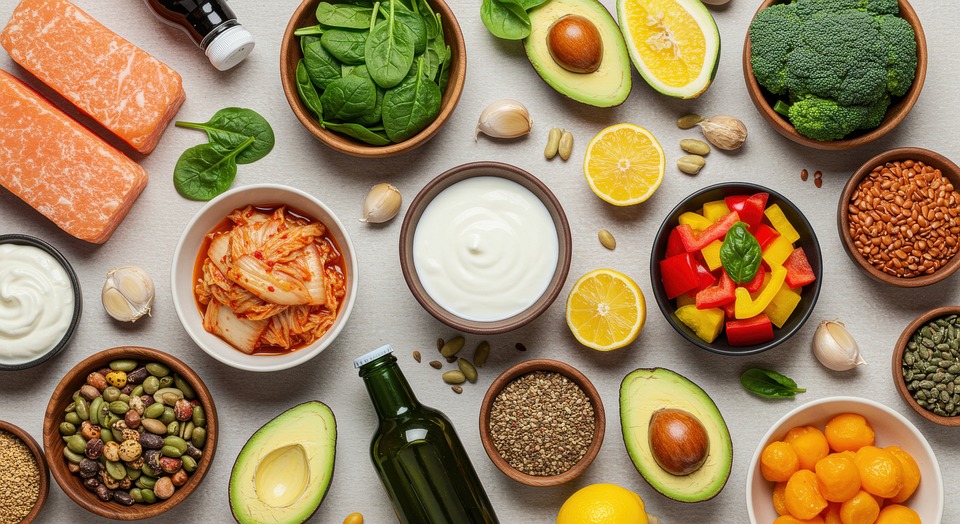
- ½ Plate Non-Starchy Vegetables: Fill half your plate with colorful vegetables or a side salad (e.g., spinach, broccoli, bell peppers, zucchini, carrots) to maximize fiber, vitamins, and hydration.
- ¼ Plate Protein: Dedicate a quarter of your plate to a high-quality protein source (chicken breast, tofu, lentils, fish).
- ¼ Plate Complex Carbohydrates: Fill the final quarter with whole grains or starchy vegetables (quinoa, brown rice, roasted sweet potatoes).
- Healthy Fats: Incorporate fats during cooking (such as cooking with olive oil) or as a topping (avocado slices, a sprinkle of pumpkin seeds).
Smart Grocery Shopping Tips
Your nutrition habits start in the grocery store. Here are a few ways to set yourself up for success:
- Shop the Perimeter: Most whole, unprocessed foods—fresh produce, meat, fish, and dairy—are located around the outer edges of the supermarket.
- Read Nutrition Labels: Pay attention to ingredient lists. As a general rule, products with shorter ingredient lists containing recognizable items tend to be less processed.
- Keep Staples on Hand: Stock your pantry and freezer with versatile, long-lasting basics like canned beans, frozen berries, whole grains, and canned tuna or salmon for quick, balanced meals on busy days.
Cultivating Sustainable Healthy Eating Habits
Nutrition is not a short-term sprint; it is a lifelong lifestyle. Adopting sustainable habits ensures that your healthy eating pattern endures through busy workweeks, social events, and life transitions.
Practice Nutritional Flexibility
Perfection is the enemy of progress. Rigid “all-or-nothing” thinking often leads to burnout and a cycle of restrictive dieting followed by overeating. Allow room for flexibility. Enjoying your favorite treats occasionally does not ruin your progress; balance allows for both nourishing foods and soul foods.
Listen to Your Body (Mindful Eating)
In our fast-paced world, many of us eat while distracted—scrolling on phones, working at desks, or watching television. Mindful eating encourages you to slow down, pay attention to the flavors and textures of your food, and tune into your body’s natural hunger and fullness cues. This practice can improve digestion and prevent overeating.
Individual Variability: One Size Does Not Fit All
It is important to recognize that nutritional needs can vary significantly between individuals. Factors such as age, biological sex, activity level, genetics, underlying health status, and personal lifestyle all influence optimal dietary requirements. What works wonderfully for a high-performance endurance athlete may look very different from what supports a sedentary office worker or an older adult.
Medical Disclaimer: The information provided in this article is for educational and informational purposes only and does not constitute medical or nutritional advice. Readers with pre-existing medical conditions, those who are pregnant or breastfeeding, individuals with severe food allergies, or anyone with specialized dietary requirements should consult a qualified healthcare professional, registered dietitian, or physician before making significant changes to their diet.
Conclusion
Evidence-based nutrition doesn’t have to be complicated, restrictive, or stressful. By shifting your focus toward whole, nutrient-dense foods, building balanced plates, and practicing mindful, sustainable habits, you can nourish your body effectively for the long term. Remember that small, consistent changes yield the most meaningful results. Start where you are, focus on progress rather than perfection, and build a healthy lifestyle that works uniquely for you.
Frequently Asked Questions
1. What is the most important component of a healthy diet?
There is no single “most important” component, as overall health relies on a combination of nutrient-dense foods. However, establishing an eating pattern rich in fiber (from vegetables, fruits, and whole grains), adequate protein, and healthy fats while minimizing ultra-processed foods is a widely accepted, evidence-based standard for health.
2. Do I need to cut out carbs to eat healthy?
No. Carbohydrates are your body’s primary energy source. Rather than eliminating them, focus on choosing complex, fiber-rich carbohydrates (like whole grains, beans, and vegetables) over heavily refined sugars and refined grain products.
3. How can I start meal planning if I have a busy schedule?
Start small. Instead of planning 21 meals a week, try planning just three dinners and batch-cooking grains or proteins so they are ready to assemble during busy weeknights. Utilize frozen vegetables and canned beans to save time on prep work without sacrificing nutrition.
4. Are “superfoods” necessary for good health?
No. The term “superfood” is primarily a marketing buzzword rather than a scientific classification. While certain foods (like berries, leafy greens, and fatty fish) are exceptionally nutrient-dense, health comes from your entire dietary pattern, not any single magical ingredient.
5. How do I know if I am eating enough protein?
Protein needs vary based on body weight, age, and activity level. Generally, active individuals require more protein to support muscle repair. Including a protein source (such as eggs, poultry, fish, tofu, beans, or Greek yogurt) at each main meal is a practical way to meet daily needs. Consult a registered dietitian for personalized recommendations.
6. Can I still eat foods I love while maintaining a healthy diet?
Yes! Evidence-based nutrition supports a flexible approach where all foods can fit in moderation. Denying yourself favorite foods entirely often backfires. Allowing yourself to enjoy treats mindfully helps create a sustainable, healthy relationship with food.