
The Anti-Burnout Morning Routine: 4 Steps to a Calmer Day

healthy habits

In today’s fast-paced world, achieving optimal well-being often feels like chasing a moving target. Everywhere we look, we are bombarded by conflicting advice on the latest superfoods, extreme workout routines, and strict wellness trends. For readers of The Health Care, the good news is that sustainable wellness does not require a complete lifestyle overhaul. True vitality is built on the foundation of small, consistent actions practiced every single day. Implementing healthy habits into your daily routine is the most effective way to support your physical, mental, and emotional health over the long term. Rather than aiming for perfection, focusing on progress allows you to build a resilient body and mind. Let’s explore evidence-based strategies to help you cultivate lasting well-being. Understanding the Power of Daily Healthy Habits When we think about health, we often focus on major milestones—running a marathon, losing a specific amount of weight, or drastically changing our diet. However, research in behavioral science shows that our long-term health is determined by our micro-choices. Healthy habits are automatic behaviors that we perform with little conscious effort. When you automate positive behaviors, you conserve mental energy while continuously supporting your body's natural functions. Establishing these routines helps regulate stress, maintain stable energy levels, and support immune function. Nourishing Your Body with Intentional Nutrition Nutrition is one of the most visible pillars of wellness. However, eating well does not mean restriction or following rigid dietary dogma. Instead, it is about providing your body with the diverse nutrients it needs to …


In today’s fast-paced world, achieving optimal well-being often feels like chasing a moving target. Everywhere we look, we are bombarded by conflicting advice on the latest superfoods, extreme workout routines, and strict wellness trends. For readers of The Health Care, the good news is that sustainable wellness does not require a complete lifestyle overhaul. True vitality is built on the foundation of small, consistent actions practiced every single day.

Implementing healthy habits into your daily routine is the most effective way to support your physical, mental, and emotional health over the long term. Rather than aiming for perfection, focusing on progress allows you to build a resilient body and mind. Let’s explore evidence-based strategies to help you cultivate lasting well-being.


Understanding the Power of Daily Healthy Habits

When we think about health, we often focus on major milestones—running a marathon, losing a specific amount of weight, or drastically changing our diet. However, research in behavioral science shows that our long-term health is determined by our micro-choices.

Healthy habits are automatic behaviors that we perform with little conscious effort. When you automate positive behaviors, you conserve mental energy while continuously supporting your body’s natural functions. Establishing these routines helps regulate stress, maintain stable energy levels, and support immune function.


Nourishing Your Body with Intentional Nutrition

Nutrition is one of the most visible pillars of wellness. However, eating well does not mean restriction or following rigid dietary dogma. Instead, it is about providing your body with the diverse nutrients it needs to thrive.

Focus on Whole, Nutrient-Dense Foods

Your cells require adequate vitamins, minerals, antioxidants, and macronutrients to perform daily repair and maintenance. Prioritizing whole foods—such as fresh vegetables, fruits, whole grains, lean proteins, and healthy fats—ensures your body gets a broad spectrum of nutrients.

  • Fill half your plate with colorful vegetables: Different colors represent different phytonutrients and antioxidants.
  • Opt for whole grains: Foods like quinoa, brown rice, and oats provide sustained energy and support digestive health through fiber.
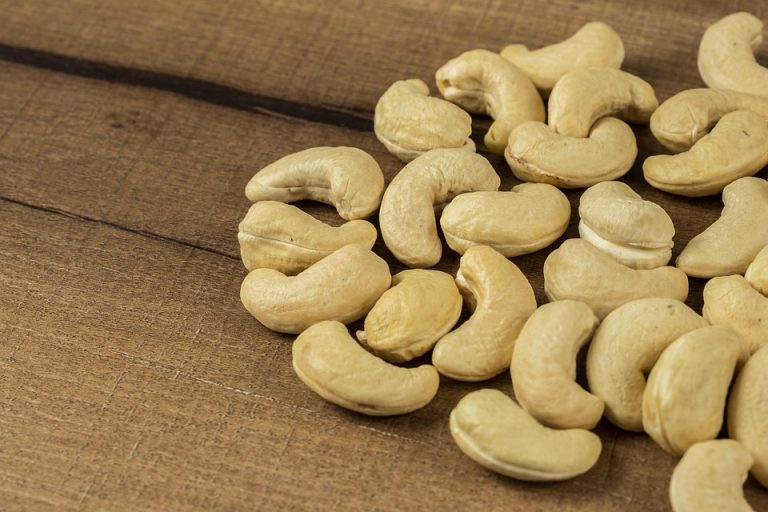
  • Include healthy fats: Avocados, nuts, seeds, and olive oil support brain function and cellular health.

The Importance of Mindful Hydration

Water makes up a significant portion of the human body and is involved in nearly every physiological process, including digestion, temperature regulation, and nutrient transport. Mild dehydration can lead to fatigue, headaches, and difficulty concentrating. Keeping a reusable water bottle with you throughout the day is one of the easiest healthy habits you can adopt to maintain optimal hydration.


Moving Your Body Every Day

Physical activity is essential for cardiovascular health, muscular strength, metabolic function, and mental well-being. Yet, many people struggle to maintain an exercise routine because they view it as a chore.

Shift from Exercise to Movement

The key to long-term physical activity is finding movement that you genuinely enjoy. You do not need to spend hours in a gym to reap the benefits of an active lifestyle.

  • Incorporate Non-Exercise Activity Thermogenesis (NEAT): Take the stairs, park farther away from store entrances, or do light stretching while watching television.
  • Prioritize consistency over intensity: A brisk 20-minute daily walk is often more sustainable and beneficial than an exhausting, sporadic workout.
  • Include strength training: Engaging in bodyweight exercises or resistance training a few times a week helps preserve muscle mass and supports bone density as we age.


Prioritizing Restful Sleep

In modern society, sleep is frequently sacrificed in the name of productivity. However, sleep is not a passive state of rest; it is an active period during which the brain and body undergo critical repair, memory consolidation, and hormonal regulation.

Building an Effective Sleep Routine

Improving your sleep hygiene can profoundly impact your daytime energy and overall health. Consider integrating these sleep-focused healthy habits into your evening:

  • Maintain a consistent schedule: Go to bed and wake up at the same time every day, even on weekends, to support your body’s internal circadian rhythm.
  • Limit screen time before bed: The blue light emitted by smartphones, tablets, and computers can interfere with the natural production of melatonin, a hormone necessary for sleep.
  • Optimize your sleep environment: Keep your bedroom cool, dark, and quiet to encourage deep, uninterrupted rest.


Managing Stress and Supporting Mental Well-Being

Mental health is an inseparable component of overall wellness. Chronic stress can negatively impact the immune system, digestion, and cardiovascular health. Developing healthy coping mechanisms is essential for maintaining balance.

Cultivating Mindfulness and Connection

Practices that ground us in the present moment can significantly reduce the physiological toll of daily stress.

  • Practice deep breathing: Taking a few slow, diaphragmatic breaths can activate the parasympathetic nervous system, signaling your body to relax.
  • Spend time in nature: Often referred to as “shinrin-yoku” or forest bathing, spending time outdoors has been shown to lower cortisol levels and improve mood.
  • Foster social connections: Maintaining strong, supportive relationships with friends, family, and community contributes greatly to emotional resilience and longevity.


Key Takeaways

  • Consistency over perfection: Sustainable wellness is built on small, daily micro-choices rather than extreme lifestyle overhauls.
  • Nourish intentionally: Focus on whole foods, diverse nutrients, and adequate hydration to support cellular function and energy.
  • Find enjoyable movement: Regular physical activity, whether through formal exercise or daily walking, supports cardiovascular and metabolic health.
  • Protect your sleep: Quality rest is essential for physical repair, mental clarity, and emotional regulation.
  • Manage stress actively: Incorporating mindfulness, deep breathing, and social connection helps build resilience against chronic stress.


Frequently Asked Questions (FAQs)

1. How long does it take to form a new habit?

While a popular myth suggests it takes 21 days, psychological research shows that the time it takes to build a new routine varies widely depending on the individual, the complexity of the behavior, and consistency. On average, it can take anywhere from a few weeks to several months for an action to become automatic.

2. Can I make up for poor sleep during the week by sleeping in on weekends?

While sleeping in on the weekend can help mitigate temporary fatigue, it cannot fully reverse the physiological effects of chronic sleep deprivation. Maintaining a consistent sleep schedule throughout the entire week is much more beneficial for your circadian rhythm and long-term health.

3. What is the best type of exercise for overall health?

The best exercise is the one you enjoy and can maintain consistently. A well-rounded routine typically includes a combination of cardiovascular activity (like walking, swimming, or cycling) and resistance training (like bodyweight exercises or lifting weights) to support heart, muscle, and bone health.

4. How much water should I drink every day?

Individual hydration needs vary based on body size, activity level, climate, and overall health. A good general guideline is to drink water regularly throughout the day and monitor your thirst cues, aiming for pale yellow urine as an indicator of adequate hydration.

5. How can I start incorporating healthy habits if I feel overwhelmed?

The most effective approach is to start small. Choose just one micro-habit—such as drinking a glass of water upon waking or taking a 10-minute walk after lunch—and focus on practicing it consistently before introducing additional changes.


Related Posts

genetic traits
October 25, 2026
### Quirky & Fun (Focus on odd traits like cilantro taste, ear wiggling, etc.)

When most people hear the word "genetics," they picture complicated laboratory equipment, double helices spinning on high-tech screens, or scientists in white coats mapping the human genome. But genetics isn't just an abstract concept reserved for clinical trials and textbooks. It is happening inside you right now. Every single day, your genes are hard at work behind the scenes, influencing everything from how quickly your body metabolizes your morning coffee to how your immune system responds to seasonal changes. Understanding the basics of genetics doesn't require a degree in molecular biology. By breaking down how your DNA works—and recognizing that your genes aren't an absolute destiny—you can take a more active, informed role in your personal health journey. What Is DNA, Really? The Ultimate Instruction Manual To understand health and genetics, it helps to start with a familiar analogy. Imagine your body is a massive, highly sophisticated city. To keep that city running smoothly, millions of construction projects, waste management routines, and electrical grids must operate simultaneously without missing a beat. Your DNA is the master blueprint library for that city. Inside almost every cell in your body, you carry a complete set of instructions stored in long strands of DNA (deoxyribonucleic acid). If you were to stretch out all the DNA in a single cell, it would measure about six feet long, yet it is packed so tightly that it fits invisibly inside the cell's nucleus. This master library is organized into chapters called chromosomes. Humans typically have 23 …

foods that may cause digestive discomfort
October 25, 2026
Direct & Informative (Best for Medical & Educational Sites)

For many adults, enjoying a creamy latte or a slice of artisanal cheese can occasionally be followed by an unwelcome wave of abdominal cramping, bloating, or unexpected trips to the restroom. When dairy products consistently cause digestive friction, the underlying cause is frequently related to how the body processes milk sugar. Understanding the mechanics of dairy digestion, recognizing individual tolerance thresholds, and making informed culinary choices can help maintain both gut comfort and nutritional balance without requiring you to completely abandon your favorite foods. What Happens During Lactose Digestion? To understand why dairy can sometimes cause distress, it helps to look at the chemistry of milk. Milk and dairy products contain a natural sugar called lactose. For the body to absorb this sugar, the small intestine produces an enzyme known as lactase. Lactase acts like a specialized key, splitting lactose into two simpler sugars—glucose and galactose—which the intestinal lining can easily absorb into the bloodstream. When the small intestine produces insufficient amounts of lactase, however, unabsorbed lactose continues its journey further down the digestive tract into the large intestine. Once there, resident gut bacteria ferment the leftover sugar. This fermentation process produces gases like hydrogen and carbon dioxide, which can lead to bloating, flatulence, and abdominal discomfort. Additionally, unabsorbed lactose can draw extra water into the colon, occasionally resulting in loose stools. Recognizing the Spectrum of Dairy Sensitivity Reactions to dairy vary widely from person to person. While some individuals experience noticeable discomfort after consuming a large glass of milk, …

mental wellness tips
October 25, 2026
Action-Oriented & Practical

We have all been there: waking up stiff as a board or collapsing onto the living room rug after a grueling day at the desk, desperately needing to unwind. When it comes to improving flexibility and easing joint stiffness, timing can make all the difference. But should you spend ten minutes moving your joints when the sun comes up, or is a deep, restorative stretch before bed the secret to feeling better? To answer this, we need to look past the general advice of "just stretch more" and examine how our circadian rhythms, muscle temperature, and nervous systems interact with movement. Let’s break down the science, the benefits, and how to choose the right routine for your unique lifestyle. The Morning Movement Philosophy: Waking Up the Engine Morning routines are having a massive moment, and for good reason. However, there is a fundamental difference between what most people do in the AM (static stretching) and what their bodies actually need (mobility). When you sleep, your body remains relatively still for hours. Fluid accumulates in your spinal discs, and your muscles cool down and shorten slightly. Jumping straight into deep, long-hold stretches right out of the sheet can actually strain cold connective tissue. Instead, morning mobility focuses on lubricating the joints, elevating your core temperature gently, and signaling to your nervous system that the day has begun. Why Morning Mobility Works Joint Lubrication: Movement stimulates the production of synovial fluid, which acts as natural WD-40 for your hips, knees, and spine. …

nutrient rich foods
October 25, 2026
The Nutrient Jackpot: 7 Foods That Deliver Maximum Bang for Your Buck

Meta Description: Discover how to navigate the grocery aisles with confidence, select the highest-quality ingredients, and build a nutrient-dense diet from the ground up. When was the last time you walked down a supermarket aisle and felt entirely overwhelmed by competing labels, marketing buzzwords, and endless varieties of the same staple food? Choosing wholesome ingredients for your daily meals should feel empowering, yet modern food shopping often turns into a confusing guessing game. The secret to a nourishing diet doesn’t start in the kitchen or on your plate—it begins at the grocery store. Understanding how to evaluate food quality, decode product packaging, and select the best possible options for your pantry forms the foundation of sustainable healthy eating. By changing the way you approach food selection, you can transform ordinary grocery bags into a diverse toolkit for vibrant daily wellness. The Art of Reading Between the Lines on Food Labels Navigating ingredient lists and nutrition panels is one of the most valuable skills you can develop for long-term dietary health. Front-of-package marketing often highlights isolated vitamins or buzzwords like "natural" or "multigrain," but the real story lies on the back of the package. Decoding the Ingredient Deck The ingredients listed on any packaged food item appear in descending order by weight. This means the components present in the greatest amounts are listed first. Look for short, recognizable ingredient lists where whole foods take precedence. Be mindful of multiple aliases for added sugars, such as cane syrup, maltose, brown rice syrup, …

genetic testing
October 24, 2026
Health, Medical, & Wellness (Best for clinical genetics and disease risk)

When people hear the phrase genetic risk explained, their minds often jump straight to worst-case scenarios. Movies, news headlines, and sensationalized science reporting frequently frame our DNA as an inescapable destiny—a ticking biological clock waiting to go off. However, modern genetics paints a vastly more nuanced, hopeful, and empowering picture. Your genetic makeup is not a crystal ball. Instead, think of it as a complex blueprint or a deck of cards you've been dealt. While you cannot change the cards in your hand, you have an immense amount of control over how you play them. Understanding how genetic risk works is one of the most powerful steps you can take for your long-term health literacy. Let’s break down what genetic risk actually means, how scientists measure it, and how your everyday choices interact with the code inside your cells. The Blueprint Analogy: Reading Your Biological Code To grasp genetic risk, it helps to move away from rigid, deterministic metaphors and look at how DNA actually functions in the human body. Imagine your genome as a massive, multi-volume cookbook. Every gene is a distinct recipe. Some recipes tell your cells how to build structural proteins for your muscles, while others dictate how to manufacture enzymes that digest your food or regulate your blood pressure. Now, imagine that some recipe variations include subtle typos or alternative ingredients. In genetics, these variations are called polymorphisms or mutations. Some typos are completely harmless; they might just dictate the color of your earlobes or whether …

sensitive stomach
October 24, 2026
Practical & Actionable (Best for Health & Wellness Advice)

For many individuals, the journey toward digestive comfort involves looking beyond broad categories like gluten or dairy and examining specific types of carbohydrates. Among these, fructans have garnered significant attention in nutritional science and gastroenterology. If you have ever experienced uncomfortable bloating, cramping, or unpredictable changes in bowel habits after eating seemingly healthy foods like wheat-based bread, onions, or garlic, fructans might be the hidden factor at play. Understanding how your body processes these specific molecules can open the door to better symptom management without sacrificing nutritional variety. Rather than adopting restrictive eating habits out of guesswork, taking a structured, informed approach to fructans helps clarify what is happening in your digestive tract and how to eat comfortably. What Are Fructans and Where Are They Found? Fructans are a type of oligosaccharide—specifically, chains of fructose molecules linked together with a glucose molecule at the end. They belong to a broader category of poorly absorbed short-chain carbohydrates known collectively as FODMAPs (Fermentable Oligosaccharides, Disaccharides, Monosaccharides, and Polyols). Because human small intestines lack the specific enzyme (inulinase) required to break down the chemical bonds holding these fructose chains together, fructans pass relatively undigested into the large intestine. Once they reach the colon, resident bacteria eagerly ferment them. This natural bacterial fermentation process produces gas and draws water into the bowel, which is entirely normal. However, for some individuals, this process happens in excess or triggers heightened visceral sensitivity, leading to noticeable discomfort. Fructans are naturally occurring and widely distributed across many nutritious …