
3. Morning & Night Routines

healthy habits

In today’s fast-paced world, achieving optimal health can often feel like chasing a moving target. Everywhere you turn, new wellness trends promise rapid transformations, miraculous weight loss, or instant boosts in energy. Yet, true wellness is rarely the result of a sudden lifestyle overhaul or an expensive supplement. Instead, sustainable health is built quietly, day by day, through small and consistent healthy habits. At The Health Care, we believe that understanding your body and making informed, realistic choices is the cornerstone of lifelong vitality. You do not need to turn your entire routine upside down to experience positive changes. By focusing on foundational, evidence-based practices, you can support your physical health, mental clarity, and emotional balance. Let’s explore seven impactful healthy habits that you can integrate into your daily life to cultivate lasting wellness. 1. Prioritize Restorative Sleep In our hustle-culture society, sleep is often the first thing we sacrifice. Whether staying up late to finish a work project or binge-watching a favorite show, many of us consistently fall short of the recommended seven to nine hours of quality rest per night. However, sleep is not a passive state of inactivity; it is a critical biological process. During sleep, your brain consolidates memories, clears out cellular waste, and regulates vital hormones that control appetite, stress, and immune function. How to Build Better Sleep Habits: Maintain a consistent schedule: Go to bed and wake up at the same time every day, even on weekends, to regulate your internal body clock. Optimize …


In today’s fast-paced world, achieving optimal health can often feel like chasing a moving target. Everywhere you turn, new wellness trends promise rapid transformations, miraculous weight loss, or instant boosts in energy. Yet, true wellness is rarely the result of a sudden lifestyle overhaul or an expensive supplement. Instead, sustainable health is built quietly, day by day, through small and consistent healthy habits.

At The Health Care, we believe that understanding your body and making informed, realistic choices is the cornerstone of lifelong vitality. You do not need to turn your entire routine upside down to experience positive changes. By focusing on foundational, evidence-based practices, you can support your physical health, mental clarity, and emotional balance.

Let’s explore seven impactful healthy habits that you can integrate into your daily life to cultivate lasting wellness.


1. Prioritize Restorative Sleep

In our hustle-culture society, sleep is often the first thing we sacrifice. Whether staying up late to finish a work project or binge-watching a favorite show, many of us consistently fall short of the recommended seven to nine hours of quality rest per night.

However, sleep is not a passive state of inactivity; it is a critical biological process. During sleep, your brain consolidates memories, clears out cellular waste, and regulates vital hormones that control appetite, stress, and immune function.

How to Build Better Sleep Habits:

  • Maintain a consistent schedule: Go to bed and wake up at the same time every day, even on weekends, to regulate your internal body clock.
  • Optimize your sleep environment: Keep your bedroom cool, dark, and quiet.
  • Limit screen time before bed: The blue light emitted by phones and laptops can interfere with the production of melatonin, the hormone responsible for sleep-wake cycles.


2. Nourish Your Body with Whole Foods

Nutrition plays a profound role in how you feel, think, and move. Adopting healthy habits around food does not mean adhering to restrictive diets or labeling foods as “good” or “bad.” Rather, it is about fueling your body with a diverse array of nutrient-dense whole foods.

A balanced diet rich in vegetables, fruits, whole grains, lean proteins, and healthy fats provides the essential vitamins and minerals your cells need to function optimally.

Key Dietary Principles to Consider:

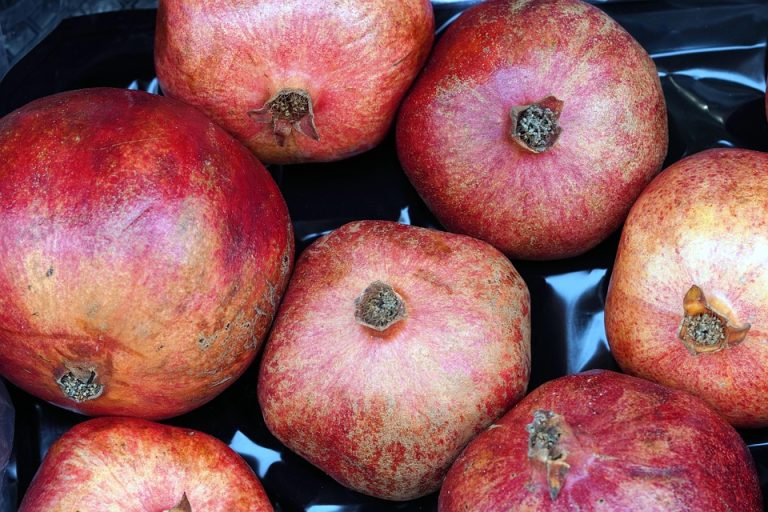
  • Focus on color: Eating a rainbow of fruits and vegetables ensures a wide variety of antioxidants and phytonutrients.
  • Stay hydrated: Water is essential for almost every bodily function, from digestion to temperature regulation. Keep a reusable water bottle with you throughout the day.
  • Practice mindful eating: Pay attention to your hunger and fullness cues, and try to minimize distractions like television while eating.


3. Move Your Body Every Day

Exercise is often viewed through the narrow lens of weight management, but its benefits extend far beyond the scale. Regular physical activity supports cardiovascular health, strengthens bones and muscles, improves mood, and enhances cognitive function.

The key to long-term success with fitness is finding something you genuinely enjoy. Movement does not have to mean intense gym sessions; it can be integrated into your daily routine in various ways.

Simple Ways to Increase Daily Movement:

  • Take brisk walks during your lunch break.
  • Choose the stairs instead of the elevator when possible.
  • Incorporate stretching or yoga into your morning or evening routine to improve flexibility.


4. Cultivate Mental Resilience and Stress Management

Mental health and physical health are deeply interconnected. Chronic stress triggers the release of cortisol, a hormone that, when elevated over long periods, can negatively impact your immune system, sleep quality, and cardiovascular health.

Developing healthy habits for managing stress is essential for maintaining overall balance. While you cannot eliminate stress entirely, you can change how your body and mind respond to it.

Effective Stress-Reduction Techniques:

  • Mindfulness and Meditation: Spending just a few minutes a day focusing on your breath can help calm the nervous system.
  • Journaling: Writing down your thoughts can provide clarity and help process difficult emotions.
  • Connecting with Others: Strong social connections and supportive relationships are vital emotional buffers against stress.


5. Practice Consistency Over Perfection

One of the biggest pitfalls in health and wellness is the “all-or-nothing” mindset. Many people adopt strict routines, only to abandon them entirely after missing a workout or eating a treat.

True, sustainable wellness relies on consistency, not perfection. Missing a workout or indulging in a favorite comfort food occasionally will not derail your long-term progress. What matters most is your overall pattern of behavior over weeks, months, and years.


6. Engage in Lifelong Learning and Mental Stimulation

Just as your muscles require physical exercise to stay strong, your brain benefits from continuous mental engagement. Keeping your mind active can help build cognitive reserve and support long-term brain health.

Ways to Keep Your Mind Sharp:

  • Read books, articles, or essays outside of your professional field.
  • Learn a new language, musical instrument, or craft.
  • Engage in strategic games, puzzles, or problem-solving activities.


7. Schedule Regular Preventive Health Check-Ups

Prevention is a vital component of a proactive wellness strategy. Waiting until symptoms arise before seeing a healthcare professional can miss opportunities for early intervention.

Routine screenings, blood pressure checks, and wellness exams allow you to establish a baseline for your health and catch potential issues before they become serious. Partnering with a qualified healthcare provider ensures you receive personalized guidance tailored to your unique medical history.


Key Takeaways

  • Small changes matter: Sustainable wellness is built through consistent, manageable healthy habits rather than sudden, drastic lifestyle overhauls.
  • Focus on the fundamentals: Prioritizing quality sleep, balanced nutrition, and regular movement creates a strong foundation for physical and mental health.
  • Manage stress actively: Incorporating mindfulness and social connection helps mitigate the negative physical effects of chronic stress.
  • Embrace flexibility: Avoid the all-or-nothing mindset; consistency and self-compassion are far more effective than perfection.
  • Be proactive: Regular check-ups with healthcare professionals help you monitor your health and prevent future complications.


Frequently Asked Questions (FAQs)

What are the most important healthy habits to start with?

If you are just beginning your wellness journey, focus on the basics: getting adequate sleep, drinking enough water, incorporating daily movement, and eating whole foods. Once these feel like second nature, you can layer in other practices like meditation or advanced fitness routines.

How long does it take to form a new healthy habit?

Research shows that the time it takes to form a new habit varies widely depending on the behavior, the individual, and the circumstances. While popular culture often cites 21 days, studies suggest it can take anywhere from a few weeks to several months for a new action to become automatic. The key is patience and consistency.

Can small lifestyle changes really make a big difference?

Yes. Small, incremental changes are much easier to maintain over the long term than drastic overhauls. Over time, these micro-habits compound, leading to significant improvements in your overall health and well-being.

How can I stay motivated when trying to build healthy habits?

Motivation naturally fluctuates. Instead of relying solely on motivation, focus on building systems and routines. Make your healthy choices as easy as possible (e.g., laying out workout clothes the night before) and practice self-compassion when setbacks occur.

When should I consult a healthcare professional about my lifestyle?

You should consult a qualified healthcare provider before making major changes to your diet or exercise routine, especially if you have pre-existing medical conditions, take prescription medications, or experience persistent symptoms such as chronic fatigue, unexplained pain, or mood disturbances.


Related Posts

healthy living
August 28, 2026
Mental Health & Mindfulness (Stress, Sleep, and Balance)

In today’s fast-paced world, the quest for healthy living often feels like navigating a maze of conflicting advice. One day, a specific diet is trending; the next, a new high-intensity workout promises overnight transformation. Amid this noise, it is easy to feel overwhelmed and abandon the pursuit of wellness altogether. However, true wellbeing is not about drastic, short-term overhauls or rigid restrictions. Sustainable healthy living is about making small, consistent choices that nourish your body, calm your mind, and support your daily energy levels. Welcome to this comprehensive guide brought to you by The Health Care. Whether you are starting your wellness journey from scratch or looking to refine your current routine, this article explores evidence-based, practical strategies to help you cultivate a balanced and vibrant lifestyle. What Does Healthy Living Actually Mean? When people hear the term healthy living, they often picture a strict gym schedule and a plate of plain salad. In reality, wellness is a multidimensional concept. It encompasses physical vitality, mental resilience, emotional balance, and social connection. Instead of viewing health as a destination, it helps to view it as a continuous practice. Small, intentional adjustments compound over time, creating a foundation that supports you through life's inevitable ups and downs. Pillar 1: Nourishing Your Body with Mindful Nutrition Food is information, fuel, and pleasure. Adopting a balanced approach to eating is one of the cornerstones of healthy living. Rather than focusing on what you should eliminate, shift your mindset toward what you can add to …

wellness
August 28, 2026
Quiet the Chaos: Simple Mindfulness Techniques for Anxious Days

In today's fast-paced world, the pursuit of health often feels like a full-time job. We are constantly bombarded with conflicting advice about the latest superfoods, grueling workout routines, and high-tech biohacking gadgets. For many people, this creates a sense of overwhelm. We try to overhaul our entire lives overnight, only to burn out a few weeks later. True wellness is not about perfection, extreme restrictions, or chasing an impossible physical ideal. Instead, it is a dynamic, lifelong journey of making choices that lead toward a more balanced and fulfilling life. When we view wellness through a wider, more compassionate lens, it transforms from a rigid checklist into a flexible, sustainable lifestyle. Welcome to The Health Care guide on redefining wellness for the modern era. Let’s explore what it truly means to care for your mind, body, and spirit without the stress. What Is Wellness, Really? Many people use the terms "health" and "wellness" interchangeably, but there is a subtle, important difference. Health is often viewed as a state of being—the absence of disease or illness. Wellness, on the other hand, is an active process of becoming aware of and making choices toward a healthy and fulfilling existence. According to major health organizations, wellness is multidimensional. It encompasses physical health, certainly, but it also heavily relies on your mental, emotional, social, and environmental well-being. If you eat a pristine diet and run five miles a day, but you are chronically lonely, stressed, and sleep-deprived, you are missing key pillars of complete …

healthy living
August 28, 2026
The Busy Person’s Guide to Eating Clean on a Budget

In today’s fast-paced world, the pursuit of wellness often feels overwhelming. Everywhere you look, a new miracle supplement, an extreme fitness regimen, or a restrictive diet promises rapid transformation. Yet, true well-being rarely comes from quick fixes or overnight extremes. Sustainable healthy living is not about achieving perfection; it is about building a foundation of consistent, daily habits that support your physical, mental, and emotional health over the long term. Welcome to The Health Care. In this guide, we will cut through the noise and explore practical, evidence-based strategies for healthy living. Whether you are looking to boost your energy, manage stress, or simply feel better in your daily routine, these actionable insights will help you create a balanced lifestyle that works for you. What Does Healthy Living Really Mean? At its core, healthy living means making choices that nurture your body and mind. It is a holistic concept that goes beyond simply eating vegetables and going to the occasional workout. True wellness encompasses how you move, what you eat, how you rest, and how you manage the mental demands of everyday life. When we view healthy living as a spectrum rather than a rigid set of rules, it becomes much easier to maintain. Small, incremental changes compound over time, creating significant improvements in your overall quality of life. Pillar 1: Nourishing Your Body with Mindful Nutrition Food is information, fuel, and pleasure. Adopting a balanced approach to nutrition is one of the most powerful steps you can take toward …

healthy habits
August 28, 2026
The Science of Willpower: How to Automate Your Healthy Choices

In a world full of fast fixes, 30-day challenges, and conflicting nutrition advice, taking care of your health can feel overwhelming. Everywhere you look, a new trend promises instant energy, rapid weight loss, or total body transformation. But true well-being does not come from extreme measures or restrictive routines. Instead, it is built through small, consistent, and sustainable daily actions. Welcome to The Health Care, your trusted resource for practical, evidence-based wellness guidance. In this article, we will explore the foundational healthy habits that support long-term physical and mental vitality. By focusing on small adjustments rather than sweeping overhauls, you can create a lifestyle that naturally nurtures your body and mind. What Are Healthy Habits and Why Do They Matter? Before diving into the specifics, it helps to understand what makes a habit truly beneficial. Healthy habits are routine behaviors that consistently promote your physical, mental, and emotional health. According to behavioral psychology, our daily routines account for a massive portion of our everyday actions. When healthy choices become automatic, you no longer have to rely solely on willpower to eat well, move your body, or get enough rest. Over time, these small behaviors compound, leading to significant improvements in your overall quality of life, energy levels, and resilience against everyday stress. 1. Prioritize Quality Sleep as Your Foundation It is easy to view sleep as an optional luxury—something you sacrifice to get more work done or squeeze in extra leisure time. However, research consistently shows that restorative sleep is …

wellness
August 28, 2026
Is Your Phone Ruining Your Focus? Here’s How to Take Back Control

In a world that constantly demands more of our time, energy, and attention, the concept of wellness often feels like a luxury we can barely afford. Between work deadlines, family responsibilities, and the endless scroll of social media, caring for ourselves easily slips to the bottom of the daily to-do list. We wait until burnout sets in, or until a physical symptom forces us to slow down, before we decide to take our health seriously. However, true wellness is not a destination you finally reach, nor is it a rigid checklist of green juices, early morning workouts, and strict meditation schedules. Instead, it is a dynamic, lifelong journey of making daily choices that support your physical, mental, and emotional vitality. Welcome to The Health Care guide on modern wellness. In this article, we will explore what it truly means to live a balanced life, how to build sustainable habits, and why small, consistent changes often yield the most profound results for your long-term health. What Is Wellness, Really? Many people use the words "health" and "wellness" interchangeably, but there is a subtle, important difference. Health is generally viewed as the state of your body free from disease. Wellness, on the other hand, is an active process of becoming aware of and making choices toward a healthy and fulfilling life. Think of health as a state of being, and wellness as the active pursuit of that state. It encompasses multiple interconnected dimensions that influence how you feel every single day. The …

healthy living
August 28, 2026
How to Reset Your Circadian Rhythm for Deep, Restorative Sleep

In today’s fast-paced world, the pursuit of healthy living can often feel overwhelming. Between conflicting diet trends, endless workout routines, and the daily pressures of modern life, many people struggle to find a sustainable approach to wellness. However, genuine well-being does not require drastic overhauls or extreme restrictions. Instead, true healthy living is built on small, consistent choices that nourish your body, mind, and spirit over the long term. Welcome to The Health Care, your trusted resource for evidence-based wellness insights. In this comprehensive guide, we will explore the foundational pillars of healthy living, breaking down complex health concepts into practical, everyday habits. Whether you are looking to boost your energy, manage stress, or simply feel better in your own skin, this article will help you navigate your wellness journey with confidence. What Does Healthy Living Really Mean? At its core, healthy living is an active process of making choices toward a more successful existence. It is not merely the absence of disease, but a dynamic state of physical, mental, and social well-being. Many people make the mistake of viewing health as a destination—a specific weight on the scale or a particular fitness milestone. In reality, healthy living is an ongoing practice. It adapts to your changing life stages, personal circumstances, and biological needs. By focusing on sustainable lifestyle adjustments rather than quick fixes, you set the stage for lasting vitality. Pillar 1: Nourishing Your Body with Whole Foods Nutrition is one of the most visible pillars of healthy living. …