





In today’s fast-paced world, the pursuit of wellness often feels like navigating a maze. From trending superfoods and high-intensity workout crazes to miracle sleep hacks, we are constantly bombarded with advice on how to improve our lives. But true healthy living does not require drastic transformations, expensive supplements, or punishing routines. Instead, it is built on small, consistent daily habits that support your physical, mental, and emotional health over the long term. Welcome to The Health Care. In this guide, we will cut through the noise and explore evidence-based, sustainable strategies for healthy living. Whether you are looking to boost your daily energy, manage stress more effectively, or simply feel better in your own skin, these foundational principles will help you create a balanced lifestyle that works for you. What Does Healthy Living Really Mean? When people hear the term healthy living, they often picture restrictive diets and grueling hours at the gym. However, wellness is a multidimensional concept. It encompasses how you nourish your body, how you move, how you rest, and how you interact with the world around you. According to major health organizations, a balanced approach to wellness focuses on prevention, moderation, and self-care. It is not about perfection; rather, it is about making choices that serve your well-being most of the time. 1. Nourishing Your Body: The Foundation of Nutrition Diet plays a central role in healthy living, but the goal should be nourishment rather than restriction. Modern nutritional science emphasizes whole, nutrient-dense foods that provide …
In today’s fast-paced world, the pursuit of wellness often feels like navigating a maze. From trending superfoods and high-intensity workout crazes to miracle sleep hacks, we are constantly bombarded with advice on how to improve our lives. But true healthy living does not require drastic transformations, expensive supplements, or punishing routines. Instead, it is built on small, consistent daily habits that support your physical, mental, and emotional health over the long term.
Welcome to The Health Care. In this guide, we will cut through the noise and explore evidence-based, sustainable strategies for healthy living. Whether you are looking to boost your daily energy, manage stress more effectively, or simply feel better in your own skin, these foundational principles will help you create a balanced lifestyle that works for you.
What Does Healthy Living Really Mean?
When people hear the term healthy living, they often picture restrictive diets and grueling hours at the gym. However, wellness is a multidimensional concept. It encompasses how you nourish your body, how you move, how you rest, and how you interact with the world around you.
According to major health organizations, a balanced approach to wellness focuses on prevention, moderation, and self-care. It is not about perfection; rather, it is about making choices that serve your well-being most of the time.
1. Nourishing Your Body: The Foundation of Nutrition
Diet plays a central role in healthy living, but the goal should be nourishment rather than restriction. Modern nutritional science emphasizes whole, nutrient-dense foods that provide the vitamins, minerals, and macronutrients your body needs to function optimally.
Focus on Whole Foods
Whole foods—such as fresh fruits, vegetables, whole grains, lean proteins, and healthy fats—should form the cornerstone of your daily meals. These foods provide essential fiber, antioxidants, and micronutrients that support immune function and sustained energy levels.
The Power of Hydration
Water is essential for nearly every bodily function, including digestion, temperature regulation, and cognitive performance. While individual water needs vary based on activity level, climate, and body size, a good general rule is to drink water consistently throughout the day rather than waiting until you feel thirsty.
- Keep a reusable water bottle at your desk or in your bag.
- Infuse your water with lemon, cucumber, or mint if you find plain water unappealing.
- Monitor your hydration levels by checking the color of your urine; pale yellow typically indicates adequate hydration.
2. Moving with Purpose: The Importance of Physical Activity
Exercise is a critical pillar of healthy living, but it should be viewed as a celebration of what your body can do, not a punishment for what you ate. Regular physical activity offers profound benefits for your cardiovascular health, metabolic function, mood, and sleep quality.
Find Activities You Enjoy
The best exercise routine is the one you will actually stick to. If you hate running, do not force yourself to run. Instead, explore activities that bring you joy:
- Bickering brisk walks in nature
- Swimming or water aerobics
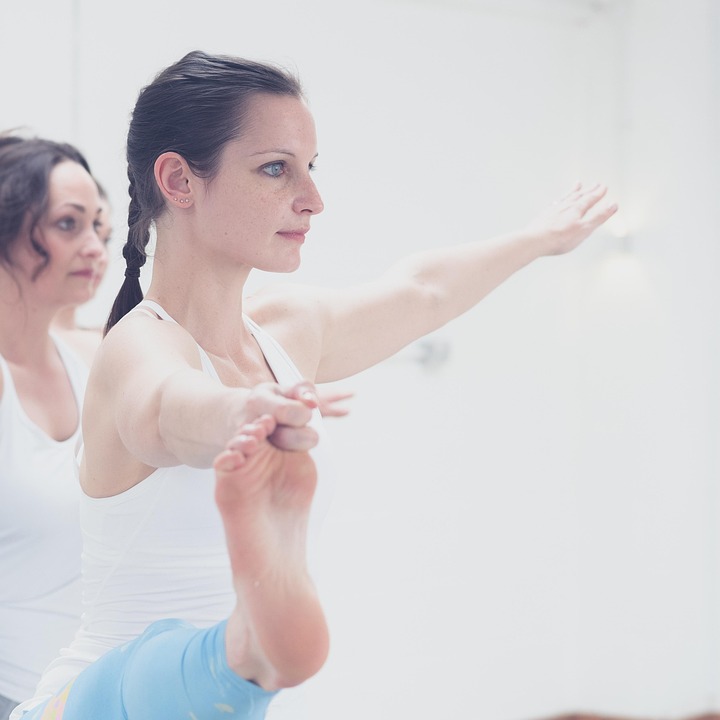
- Dancing, yoga, or pilates
- Strength training using body weight or resistance bands
Incorporate Movement Throughout the Day
Formal workouts are great, but non-exercise activity thermogenesis (NEAT)—the energy expended for everything we do that is not sleeping, eating, or sports—matters just as much. Take the stairs, park further away from store entrances, and take short stretching breaks if you have a desk job.
3. The Forgotten Pillar: Quality Sleep
In our hustle culture, sleep is often the first thing we sacrifice. However, restorative sleep is non-negotiable for healthy living. During sleep, your brain consolidates memories, clears out cellular waste, and your body repairs muscle tissue and regulates vital hormones.
Strategies for Better Sleep Hygiene
If you struggle with falling or staying asleep, improving your sleep environment and bedtime routine can make a significant difference:
- Maintain a consistent schedule: Go to bed and wake up at the same time every day, even on weekends.
- Limit screen time: Turn off phones, tablets, and computers at least 60 minutes before bed. The blue light emitted by screens can interfere with melatonin production.
- Optimize your bedroom: Keep your sleeping space dark, quiet, and cool (ideally around 65°F or 18°C).
- Watch evening stimulants: Limit caffeine and heavy meals in the hours leading up to bedtime.
4. Nurturing Mental Health and Managing Stress
Physical health and mental well-being are deeply interconnected. Chronic stress releases hormones like cortisol, which, over time, can impact immune function, digestion, and cardiovascular health. Practicing effective stress management is essential for a balanced lifestyle.
Practical Mindfulness Techniques
Mindfulness is the practice of being fully present in the moment without judgment. You do not need to sit in silence for hours to practice mindfulness. Simple daily habits can help calm your nervous system:
- Deep breathing exercises: Taking a few slow, diaphragmatic breaths can immediately activate the parasympathetic nervous system (the “rest and digest” response).
- Journaling: Writing down your thoughts or things you are grateful for can help process emotions and reduce anxiety.
- Setting boundaries: Learn to say no to commitments that drain your energy and protect your personal time.
Building Sustainable Habits
The biggest mistake people make when adopting a healthy living routine is trying to change everything at once. This often leads to burnout and frustration.
Instead, focus on micro-habits—tiny, manageable changes that require minimal willpower. For example, rather than vowing to work out every day for an hour, commit to a 10-minute walk after lunch. Once that habit becomes second nature, you can build upon it. Consistency always beats intensity.
Key Takeaways
- Holistic Approach: True wellness combines balanced nutrition, regular movement, restorative sleep, and mental well-being.
- Prioritize Whole Foods: Focus on nourishing your body with nutrient-dense foods and stay adequately hydrated throughout the day.
- Move Joyfully: Find physical activities you genuinely enjoy rather than forcing yourself into grueling routines.
- Protect Your Sleep: Treat sleep as a vital biological necessity by maintaining a consistent bedtime routine and optimizing your sleep environment.
- Start Small: Build sustainable habits through consistency and small, manageable lifestyle adjustments rather than drastic overhauls.
Frequently Asked Questions (FAQs)
1. How much water should I drink daily?
While the classic “eight glasses a day” rule is a helpful baseline, individual water needs vary based on factors like body weight, activity level, and climate. Pay attention to your body’s thirst cues and aim to keep your urine a pale yellow color throughout the day.
2. What is the best type of exercise for overall health?
The best exercise is a combination of aerobic activity (such as walking, swimming, or cycling) and strength training (using body weight, resistance bands, or weights). The most important factor is consistency, so choose activities that you enjoy and can maintain long-term.
3. How can I improve my sleep quality naturally?
You can support better sleep by establishing a consistent sleep schedule, limiting exposure to screens an hour before bed, keeping your bedroom cool and dark, and avoiding heavy meals or caffeine close to bedtime.
4. How do I start making healthy lifestyle changes without feeling overwhelmed?
The key is to focus on micro-habits. Pick one small, manageable change—such as adding a vegetable to dinner or going for a 15-minute daily walk—and practice it consistently before introducing new goals.
5. Why is stress management important for physical health?
Chronic stress keeps the body in a prolonged state of high alertness, releasing stress hormones like cortisol. Over time, this can negatively impact immune function, sleep, digestion, and cardiovascular health, making stress reduction an essential part of wellness.