


In today’s fast-paced world, the pursuit of wellness often feels like a full-time job. Between conflicting diet trends, high-intensity fitness challenges, and endless advice on social media, it is easy to feel overwhelmed. Many people approach healthy living with an "all-or-nothing" mindset—committing to strict routines only to burn out within a few weeks. However, sustainable well-being is not about drastic overhauls or quick fixes. True health is built on small, consistent choices that fit seamlessly into your daily life. At The Health Care, we believe that wellness should feel empowering, flexible, and achievable. This guide explores the foundational pillars of healthy living, offering evidence-based strategies to help you nourish your body, calm your mind, and build habits that last a lifetime. Understanding the Foundation of Healthy Living When we think about health, we often focus exclusively on physical metrics like weight, cholesterol, or how much we can lift. While physical fitness is important, it is only one piece of the puzzle. Healthy living encompasses a holistic approach to well-being. It is the dynamic balance of physical, mental, and emotional health. When one area is neglected, the others often feel the impact. For example, chronic stress can disrupt sleep, which in turn affects your food choices and energy levels for physical activity. Recognizing this interconnectedness is the first step toward lasting wellness. The Shift from Perfection to Progress One of the biggest barriers to healthy living is the pursuit of perfection. Eating a single cookie will not derail your nutrition, and …
In today’s fast-paced world, the pursuit of wellness often feels like a full-time job. Between conflicting diet trends, high-intensity fitness challenges, and endless advice on social media, it is easy to feel overwhelmed. Many people approach healthy living with an “all-or-nothing” mindset—committing to strict routines only to burn out within a few weeks.
However, sustainable well-being is not about drastic overhauls or quick fixes. True health is built on small, consistent choices that fit seamlessly into your daily life. At The Health Care, we believe that wellness should feel empowering, flexible, and achievable.
This guide explores the foundational pillars of healthy living, offering evidence-based strategies to help you nourish your body, calm your mind, and build habits that last a lifetime.
Understanding the Foundation of Healthy Living
When we think about health, we often focus exclusively on physical metrics like weight, cholesterol, or how much we can lift. While physical fitness is important, it is only one piece of the puzzle.
Healthy living encompasses a holistic approach to well-being. It is the dynamic balance of physical, mental, and emotional health. When one area is neglected, the others often feel the impact. For example, chronic stress can disrupt sleep, which in turn affects your food choices and energy levels for physical activity. Recognizing this interconnectedness is the first step toward lasting wellness.
The Shift from Perfection to Progress
One of the biggest barriers to healthy living is the pursuit of perfection. Eating a single cookie will not derail your nutrition, and missing a workout will not erase your fitness progress. Sustainable wellness thrives on consistency, not perfection. Shifting your mindset to focus on daily progress allows you to build resilience and enjoy the journey without guilt.
Pillar 1: Nourishing Your Body with Mindful Nutrition
Food is information, fuel, and comfort. Adopting a healthy relationship with food is essential for long-term vitality. Rather than following restrictive fad diets that label foods as “good” or “bad,” focus on nourishment and balance.
Focus on Whole Foods
A balanced plate supports optimal bodily function, stabilizes energy levels, and provides essential vitamins and minerals. Prioritize whole, minimally processed foods whenever possible.
- Colorful Vegetables and Fruits: Aim for a variety of colors on your plate to ensure a diverse intake of antioxidants, fiber, and micronutrients.
- Quality Protein Sources: Incorporate lean meats, fish, eggs, legumes, tofu, and tempeh to support muscle repair and satiety.
- Complex Carbohydrates: Choose whole grains like quinoa, brown rice, oats, and whole-wheat products for sustained energy.
- Healthy Fats: Include sources like avocados, nuts, seeds, and olive oil to support brain function and hormone production.
Hydration Matters
Water makes up a significant portion of our body weight and is involved in nearly every physiological process, including digestion, temperature regulation, and cognitive function. Mild dehydration can lead to fatigue, headaches, and difficulty concentrating. While individual water needs vary based on activity level, climate, and body size, keeping a reusable water bottle nearby is a simple way to stay mindful of your daily intake.
Pillar 2: Movement as Celebration, Not Punishment
Exercise is often marketed as a tool for weight loss or a way to “burn off” what you ate. This perspective can turn physical activity into a chore. A more sustainable approach is to view movement as a celebration of what your body can do.
Finding Your Form of Joy
The best workout is the one you actually enjoy. If you hate running, forcing yourself to run every morning is a recipe for quitting. Physical activity should be diverse and tailored to your personal preferences.
- Cardiovascular Health: Activities like brisk walking, cycling, swimming, or dancing elevate your heart rate and support heart health.
- Strength Training: Incorporating bodyweight exercises, resistance bands, or free weights helps maintain muscle mass, bone density, and metabolic health as you age.
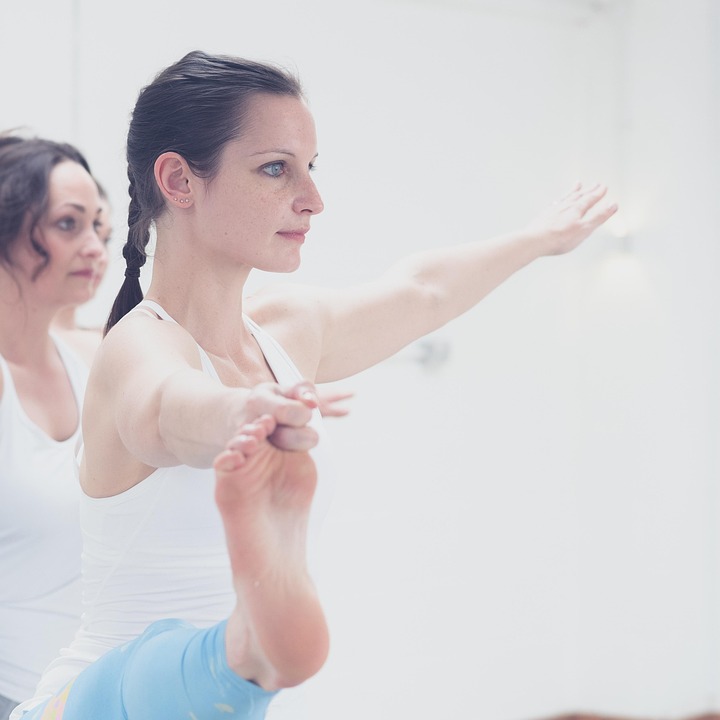
- Flexibility and Mobility: Practices like yoga, tai chi, or simple daily stretching improve joint health, posture, and balance.
Incorporating Non-Exercise Activity Thermogenesis (NEAT)
Formal workouts are great, but they usually only account for a fraction of your day. NEAT refers to the energy expended for everything we do that is not sleeping, eating, or sports—such as walking the dog, gardening, taking the stairs, or even standing while working. Increasing your daily NEAT is a powerful way to support overall metabolic health without spending extra time at the gym.
Pillar 3: The Power of Restorative Sleep
In modern culture, sleep is frequently sacrificed in the name of productivity. Yet, sleep is not a luxury; it is a biological necessity. During sleep, your brain consolidates memories, your tissues repair themselves, and your immune system recharges.
Optimizing Your Sleep Hygiene
Improving your sleep quality—often referred to as sleep hygiene—can profoundly impact your daily energy, mood, and long-term health. Consider implementing the following habits:
- Maintain a Consistent Schedule: Go to bed and wake up at the same time every day, even on weekends, to support your body’s internal circadian rhythm.
- Create a Digital Curfew: Turn off phones, tablets, and computers at least 30 to 60 minutes before bed. The blue light emitted by screens can interfere with the production of melatonin, the sleep-inducing hormone.
- Optimize Your Environment: Keep your bedroom cool, dark, and quiet. Blackout curtains, white noise machines, or eye masks can be helpful tools.
- Watch Evening Stimulants: Limit caffeine and heavy meals in the hours leading up to bedtime to prevent digestive discomfort and sleep disruptions.
Pillar 4: Cultivating Mental and Emotional Well-being
Physical health cannot thrive in the absence of mental well-being. Chronic psychological stress triggers the release of cortisol, a hormone that, in excess, can impact immune function, digestion, and sleep.
Stress Management Techniques
While you cannot eliminate stress entirely, you can change how your body and mind respond to it. Building a personal toolkit of stress-reduction techniques is essential for healthy living.
- Mindfulness and Meditation: Spending just a few minutes a day focusing on your breath or practicing guided meditation can help anchor you in the present moment and reduce anxiety.
- Social Connection: Strong social ties are consistently linked to longevity and improved mental health. Make time for meaningful interactions with friends, family, or community groups.
- Setting Boundaries: Learning to say “no” to commitments that drain your energy is a vital form of self-care. Protecting your time allows you to focus on what truly matters.
- Spending Time in Nature: Often referred to as “ecotherapy,” spending time outdoors has been shown to lower blood pressure, reduce stress hormones, and improve mood.
Key Takeaways
- Embrace Consistency Over Perfection: Sustainable healthy living is built on small, daily habits rather than extreme, short-term changes.
- Nourish Your Body: Focus on a balanced diet rich in whole foods, colorful vegetables, quality proteins, and healthy fats while staying well-hydrated.
- Move with Joy: Find physical activities you genuinely enjoy, incorporating a mix of cardio, strength training, and mobility work.
- Prioritize Sleep: Treat rest as a non-negotiable pillar of health by maintaining consistent sleep schedules and optimizing your sleep environment.
- Manage Stress: Protect your mental well-being through mindfulness, strong social connections, healthy boundaries, and time in nature.
Frequently Asked Questions (FAQs)
1. What is the most important component of healthy living?
There is no single “most important” component, as physical health, nutrition, sleep, and mental well-being are deeply interconnected. However, many wellness experts consider sleep and foundational nutrition to be the bedrock upon which other healthy habits are built.
2. How can I start making healthy changes without feeling overwhelmed?
The key is to start small. Choose one manageable habit—such as drinking an extra glass of water each day or taking a 10-minute walk after lunch—and practice it consistently before introducing new changes.
3. Do I need to cut out specific food groups to be healthy?
Generally, no. Unless you have specific medical conditions, allergies, or intolerances diagnosed by a healthcare professional, a balanced diet that includes a variety of food groups is the most sustainable approach to nutrition.
4. How much physical activity do adults actually need?
Major health organizations typically recommend aiming for at least 150 minutes of moderate-intensity aerobic activity (such as brisk walking) per week, alongside two or more days of muscle-strengthening activities. However, any movement is better than none.
5. How does stress impact physical health?
Chronic stress keeps the body in a prolonged “fight or flight” state, which can elevate blood pressure, disrupt sleep, weaken immune function, and negatively affect digestion. Developing stress-management strategies is therefore a crucial aspect of overall wellness.