

In today’s fast-paced world, the concept of wellness often gets buried under a mountain of conflicting advice. From extreme detox diets to exhausting workout regimes promising overnight transformations, the wellness industry can feel overwhelming. But true well-being is not about perfection or rigid rules. Instead, healthy living is about building sustainable, everyday habits that nurture your mind, body, and spirit over the long haul. Welcome to The Health Care. Whether you are just beginning your wellness journey or looking to refine your current routine, this guide is designed to cut through the noise. Here, we explore evidence-based, practical steps to help you embrace healthy living without stress, burnout, or unrealistic expectations. What Does Healthy Living Really Mean? At its core, healthy living is a proactive approach to life that empowers you to make choices leading to optimal physical, mental, and emotional health. It is not merely the absence of disease; rather, it is a dynamic state of vitality. When we talk about healthy living, we are looking at the big picture. It encompasses how you fuel your body, how you move, how you manage stress, and how you connect with the world around you. By focusing on small, consistent changes rather than drastic overhauls, you can create a lifestyle that feels good and lasts a lifetime. Pillar 1: Nourishing Your Body Mindfully Nutrition is often the first thing that comes to mind when discussing healthy living, but it doesn't have to be complicated. The goal is to nourish your body …
In today’s fast-paced world, the concept of wellness often gets buried under a mountain of conflicting advice. From extreme detox diets to exhausting workout regimes promising overnight transformations, the wellness industry can feel overwhelming. But true well-being is not about perfection or rigid rules. Instead, healthy living is about building sustainable, everyday habits that nurture your mind, body, and spirit over the long haul.
Welcome to The Health Care. Whether you are just beginning your wellness journey or looking to refine your current routine, this guide is designed to cut through the noise. Here, we explore evidence-based, practical steps to help you embrace healthy living without stress, burnout, or unrealistic expectations.
What Does Healthy Living Really Mean?
At its core, healthy living is a proactive approach to life that empowers you to make choices leading to optimal physical, mental, and emotional health. It is not merely the absence of disease; rather, it is a dynamic state of vitality.
When we talk about healthy living, we are looking at the big picture. It encompasses how you fuel your body, how you move, how you manage stress, and how you connect with the world around you. By focusing on small, consistent changes rather than drastic overhauls, you can create a lifestyle that feels good and lasts a lifetime.
Pillar 1: Nourishing Your Body Mindfully
Nutrition is often the first thing that comes to mind when discussing healthy living, but it doesn’t have to be complicated. The goal is to nourish your body with wholesome, nutrient-dense foods that provide steady energy throughout the day.
Focus on Whole Foods
The foundation of a balanced diet rests on whole, minimally processed foods. These include:
- Fresh fruits and vegetables of various colors
- Whole grains like oats, quinoa, and brown rice
- Lean proteins such as fish, poultry, beans, and lentils
- Healthy fats found in avocados, nuts, seeds, and olive oil
The Power of Hydration
Water is essential for nearly every bodily function, including digestion, temperature regulation, and cognitive performance. While individual needs vary based on activity level and climate, making water your primary beverage is a cornerstone of healthy living. Carry a reusable water bottle with you and sip throughout the day.
Practice Mindful Eating
How you eat is just as important as what you eat. Mindful eating involves paying attention to your food, savoring every bite, and listening to your body’s natural hunger and fullness cues. Slowing down during meals can improve digestion and help you build a healthier relationship with food.
Pillar 2: Moving Your Body with Joy
Physical activity is vital for cardiovascular health, muscle strength, metabolic function, and mental well-being. However, the best exercise routine is the one you actually enjoy.
Find Activities You Love
If you hate running, forcing yourself to run every morning is a recipe for burnout. Healthy living encourages movement that feels like a celebration of what your body can do, not a punishment for what you ate.
Consider incorporating a mix of the following into your weekly schedule:
- Cardiovascular exercise: Brisk walking, cycling, swimming, or dancing to get your heart rate up.
- Strength training: Bodyweight exercises, resistance bands, or weightlifting to preserve muscle mass and bone density.
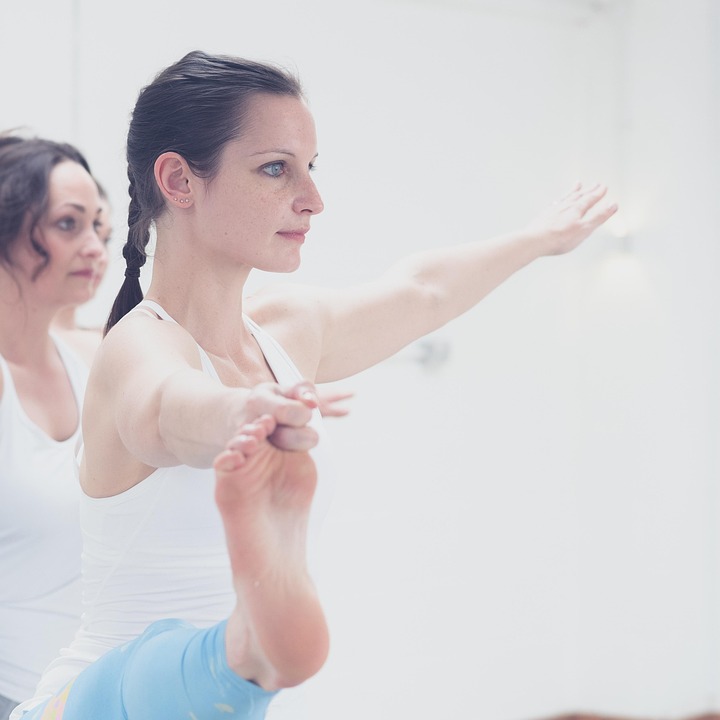
- Flexibility and balance: Yoga, tai chi, or simple daily stretching to improve mobility and reduce stiffness.
Consistency Over Intensity
You don’t need to spend hours in the gym to reap the benefits of physical activity. Regular, moderate movement—such as a brisk 30-minute daily walk—can significantly support your journey toward healthy living.
Pillar 3: Prioritizing Rest and Recovery
In our hustle culture, sleep is often the first thing we sacrifice. Yet, restorative sleep is non-negotiable when it comes to healthy living.
The Science of Sleep
During sleep, your body undergoes critical repair processes. Your brain consolidates memories, tissues grow and repair, and immune function is regulated. Chronic sleep deprivation is linked to a host of health challenges, making quality rest a top priority.
Tips for Better Sleep Hygiene
- Maintain a consistent schedule: Go to bed and wake up at the same time every day, even on weekends.
- Create a restful environment: Keep your bedroom cool, dark, and quiet.
- Limit screen time: Turn off phones, tablets, and computers at least an hour before bedtime to reduce exposure to blue light.
- Watch evening stimulants: Limit caffeine and heavy meals in the hours leading up to sleep.
Pillar 4: Cultivating Mental and Emotional Resilience
Mental health is an inseparable component of healthy living. Stress is a normal part of life, but chronic, unmanaged stress can take a heavy toll on your physical and emotional well-being.
Stress Management Techniques
Finding healthy outlets for stress helps regulate your nervous system. Effective strategies include:
- Mindfulness and meditation: Taking just a few minutes a day to focus on your breath can center your mind.
- Spending time in nature: Connecting with the outdoors has been shown to lower cortisol levels and boost mood.
- Journaling: Writing down your thoughts can help process complex emotions and clear mental clutter.
Nurturing Social Connections
Humans are inherently social creatures. Strong, supportive relationships with family, friends, and community members contribute significantly to longevity and happiness. Prioritize meaningful conversations and shared experiences with people who uplift you.
Key Takeaways
- Progress over perfection: Healthy living is built on small, sustainable daily habits, not extreme lifestyle overhauls.
- Focus on whole foods: Fuel your body with a colorful variety of fruits, vegetables, whole grains, and lean proteins while staying hydrated.
- Move with joy: Choose physical activities you genuinely enjoy and prioritize consistency over high intensity.
- Respect rest: Aim for quality sleep to allow your body and mind time to repair and recharge.
- Protect your peace: Manage stress through mindfulness, nature, and building strong, supportive social connections.
Frequently Asked Questions (FAQs)
1. What is the most important aspect of healthy living?
There is no single “most important” aspect, as healthy living is holistic. However, finding a sustainable balance between nutritious eating, regular movement, quality sleep, and mental well-being creates a solid foundation for overall health.
2. How can I start living a healthier lifestyle if I feel overwhelmed?
Start small. Choose just one manageable change—such as drinking an extra glass of water each day or taking a 15-minute walk—and build from there. Consistency with small habits leads to lasting transformation.
3. How much physical activity do I need each week?
Health guidelines generally recommend at least 150 minutes of moderate-intensity aerobic activity, alongside muscle-strengthening activities at least two days a week. The key is to find movement that fits your lifestyle and feels sustainable.
4. Why is sleep so crucial for daily wellness?
Sleep is essential for cognitive function, immune support, emotional regulation, and physical recovery. Without adequate rest, your body struggles to perform at its best, making healthy choices harder to maintain.
5. Can mental health really affect physical health?
Yes. The mind and body are deeply connected. Chronic stress, anxiety, and emotional distress can manifest physically, impacting digestion, immune function, and cardiovascular health. Prioritizing mental well-being is vital for complete wellness.