SEO Meta Description: Discover how sorbitol intolerance affects digestion. Learn about high-sorbitol foods, symptom patterns, and practical ways to support digestive comfort. Sorbitol is a type of sugar alcohol—scientifically known as a polyol—that occurs naturally in a wide variety of stone fruits and berries while also seeing widespread use as a low-calorie sweetener in sugar-free gums, mints, and diet foods. While many people process this compound without a second thought, others find that consuming even moderate amounts triggers a cascade of unexpected digestive distress. Navigating gut comfort when dealing with suspected sugar alcohol sensitivities requires more than just eliminating sweet treats from your pantry. Understanding how your digestive tract handles polyols, recognizing individual tolerance thresholds, and maintaining a balanced, nourishing plate are essential steps toward feeling your best. What Is Sorbitol and How Does the Body Process It? Sorbitol is a carbohydrate that sits chemically between a sugar and an alcohol, though it contains no ethanol and will not cause intoxication. Your body absorbs sorbitol relatively slowly in the small intestine through passive diffusion rather than active transport. Because this absorption process is slow and capacity-limited, a portion of the sorbitol you consume inevitably travels onward into the large intestine. Once it reaches the colon, resident gut bacteria ferment these unabsorbed molecules. Fermentation produces gases like hydrogen and methane, along with short-chain fatty acids. For some individuals, this normal microbial fermentation happens quietly. For others with a lower physiological absorption capacity or a sensitive gut, the process draws excess water …

When people talk about genetics, they often envision an unchangeable script—a biological destiny written at conception that dictates everything from your height to your predisposition for certain health conditions. This deterministic view of DNA can make health feel like a game of genetic roulette. However, modern genomics reveals a far more dynamic and empowering reality. Your genes do not act in a vacuum. Instead, they operate more like a sophisticated set of architectural blueprints, while your daily habits, environment, and lifestyle serve as the construction crew. Understanding how these elements interact is one of the most powerful steps you can take toward optimizing your personal well-being. The Blueprint Analogy: Genes as Instructions, Not Commands To understand how genetics influences everyday health, it helps to move away from the idea of "genetic fate" and embrace the concept of genetic susceptibility and resilience. Imagine you inherit a set of architectural blueprints for a house. These plans might specify that the structure has large windows, hardwood floors, and a particular layout. However, the blueprints don't dictate whether the house is well-maintained, whether the lights are turned on, or how the rooms are furnished. In biological terms: Your Genotype is the blueprint—the complete collection of DNA instructions you received from your biological parents. Your Phenotype is the finished house—the observable traits, physical characteristics, and current health states that result from those instructions meeting the real world. Certain genetic variations might make a person more efficient at metabolizing caffeine, more prone to developing sun-sensitive skin, …
Have you ever wondered why some mornings feel sluggish and heavy, even after a full eight hours in bed, while others start with a natural wave of alertness? More often than not, the secret isn't your mattress, your pillow, or even the exact minute you fell asleep—it's what you do within the first hour of waking up. In the world of everyday wellness, few habits are as biologically powerful, yet astonishingly overlooked, as morning sunlight exposure. Far more than just a pleasant way to greet the day, catching early rays acts as a master reset button for your internal clock, optimizing everything from your daytime focus to your nighttime rest. Let’s explore how harnessing the morning light can transform your daily energy, reset your sleep-wake cycle, and support your overall well-being. Understanding Your Internal Master Clock Deep inside your brain lies a tiny, highly specialized region called the suprachiasmatic nucleus (SCN). Think of the SCN as the conductor of your body's symphony, orchestrating your circadian rhythm—the roughly 24-hour internal clock that dictates when you feel awake, when you feel hungry, and when you start winding down for sleep. While your circadian rhythm operates on a natural loop, it relies heavily on external environmental cues known as zeitgebers (German for "time givers"). Light is, by far, the most potent zeitgeber of all. When photons of natural morning light hit specialized photoreceptors in your eyes, they send an immediate signal to your SCN. This biological handshake tells your brain that daytime has …
Meta Description: Discover how to select, purchase, and store lentils like a pro. Learn about different varieties, quality markers, and pantry tips for healthy eating. Lentils are one of the most reliable and nourishing staples you can keep in your kitchen. As a nutritional powerhouse packed with plant-based protein, complex carbohydrates, and dietary fiber, these tiny pulses deserve a prominent spot in any balanced diet. Yet, many home cooks view them with hesitation, unsure of which bag to grab off the grocery shelf or how to keep them fresh in the pantry. Mastering the art of purchasing and preserving lentils transforms them from a mysterious dried legume into a go-to ingredient for effortless weeknight cooking. Understanding what to look for at the market ensures you always bring home the highest quality product, maximizing both flavor and wellness benefits in every bowl. Decoding the Lentil Aisle: Varieties and Best Culinary Uses The first step toward successful legume cookery is recognizing that not all lentils behave the same way in the kitchen. Different varieties offer distinct textures, cooking times, and flavor profiles that suit specific dishes. Brown Lentils: The Everyday All-Rounder If you only keep one variety in your cupboard, make it the standard brown lentil. These earthy, mild pulses hold their shape reasonably well during cooking while softening enough to blend into hearty soups. They work wonderfully in vegetable stews, as a meat extender in ground beef dishes, or tossed into grain bowls with roasted root vegetables and leafy greens. Red …
SEO Meta Description: Learn about fructose malabsorption, how the digestive tract processes simple sugars, practical dietary adjustments, and when to seek professional medical advice. When a refreshing slice of watermelon or a bowl of fresh cherries leads to unexpected abdominal rumbling, cramping, or bloating, it is easy to assume that healthy eating simply does not agree with your system. However, individual reactions to specific carbohydrates can sometimes trace back to how the small intestine absorbs certain sugars. Fructose malabsorption is a digestive condition where the body struggles to efficiently absorb fructose, a simple sugar found naturally in fruits, honey, and various root vegetables, as well as in manufactured sweeteners like high-fructose corn syrup. Understanding how this process works can help individuals make informed choices about their daily nutrition without resorting to unnecessarily restrictive diets. Understanding Fructose Malabsorption To grasp why certain foods trigger discomfort, it helps to look at how the digestive system normally processes dietary sugars. Fructose is a monosaccharide, meaning it is a single-molecule sugar that the small intestine typically absorbs directly into the bloodstream with the help of specific transport proteins, primarily GLUT5 and GLUT2. In individuals with fructose malabsorption, these transport mechanisms operate less efficiently. When excess fructose remains unabsorbed in the intestinal lumen, it travels onward into the large intestine. Once there, resident gut bacteria rapidly ferment the unabsorbed sugar. This fermentation process produces short-chain fatty acids and gases—such as hydrogen, carbon dioxide, and sometimes methane—which account for the characteristic pressure, bloating, and changes in …
When most people hear the word "genetics," they picture a microscopic double helix spinning in a glowing blue laboratory animation. We tend to think of DNA as our ultimate biological destiny—an unchangeable instruction manual that dictates our eye color, our height, and whether we are doomed to inherit certain diseases. However, modern genomics has revealed a far more dynamic and empowering reality. Rather than a rigid script, your DNA is closer to a complex musical score. It provides the notes, but your daily habits, environment, and lifestyle help determine how that music is actually played. Understanding genetic variation—the subtle differences in DNA sequences from one person to the next—is one of the most powerful tools you can cultivate for your personal health journey. By moving past the myth of genetic determinism, you can learn how your unique genetic makeup interacts with the world around you to influence everything from your sleep patterns to how your body processes nutrients. The Blueprint and the Builders: What Is Genetic Variation? To understand how genetics impacts your daily wellness, it helps to look at how DNA actually works. Every human being shares about 99.9% of their genetic code. That remaining 0.1% is what makes you entirely unique. It accounts for everything from facial features to microscopic differences in how your enzymes break down medications or metabolize caffeine. These tiny differences are known as genetic variations or polymorphisms. Think of your genome as a massive library containing billions of letters. A genetic variation is essentially …
Have you ever stared at the ceiling at 2:00 AM, replaying an awkward work conversation from three years ago while simultaneously drafting tomorrow’s grocery list? If your mind treats bedtime like a 24-hour global news network, you are far from alone. When the lights go out and external distractions fade, the brain finally gets a moment of quiet—which, ironically, often gives anxious thoughts a megaphone. Enter the nighttime brain dump: a remarkably simple, science-backed evening ritual designed to get the swirling chaos out of your head and onto a piece of paper. At The Health Care, we’re exploring how this five-minute habit can transform your evenings, protect your mental health, and dramatically improve your sleep quality. What Exactly Is a Nighttime Brain Dump? A brain dump is the act of rapidly transferring everything taking up mental bandwidth—tasks, worries, brilliant ideas, random reminders, and nagging frustrations—onto a physical medium without filtering, organizing, or judging it. Unlike a traditional to-do list (which is neat, prioritized, and actionable), a brain dump is messy. It is a cognitive purge. You are essentially telling your central nervous system: "I don't need to hold onto this data right now because it's safely recorded elsewhere." Why the Brain Craves This Release From a psychological standpoint, our brains rely on something called the Zeigarnik effect. This phenomenon describes our tendency to remember uncompleted or interrupted tasks better than completed ones. When you go to bed with loose ends swirling in your head—like an unanswered email or a looming …
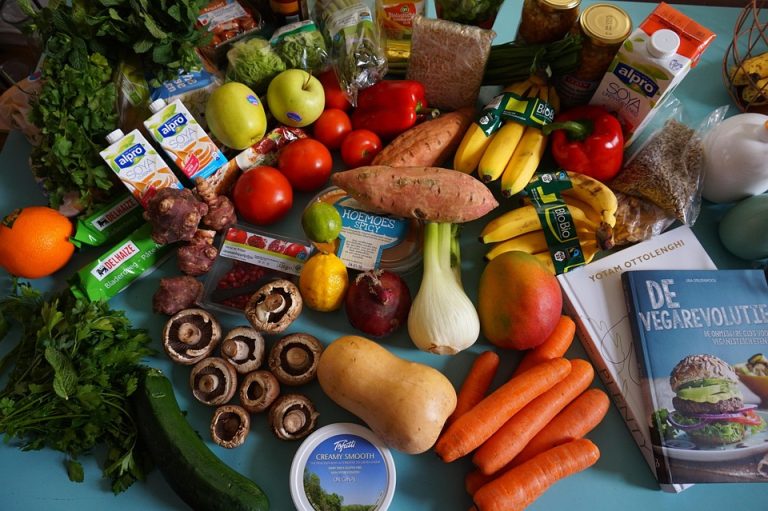
SEO Title: Master Your Weekly Grocery Run: Smart Shopping Secrets for Healthy Eating Meta Description: Transform your weekly grocery run into a masterclass in healthy eating. Discover smart shopping secrets, label-reading hacks, and budget-friendly strategies for nutritious food choices. Walking through the brightly lit aisles of a supermarket can sometimes feel like navigating an obstacle course. With thousands of products all shouting for your attention through flashy packaging and bold health claims, filling your cart with genuinely wholesome foods takes a bit of strategy. The secret to a nourishing diet doesn’t just start in the kitchen; it begins long before that, right in the aisles of the grocery store. When you learn how to decode food labels, navigate store layouts with intention, and pick out quality ingredients, healthy eating becomes a seamless part of your routine. Let’s explore how to transform your next grocery trip into an empowering, health-focused mission that supports your overall wellness goals. The Layout Strategy: Navigating the Perimeter Most standard grocery stores are architecturally designed in a very specific way. If you pay close attention, you will notice that the outer edges—often called the perimeter—tend to house the items that undergo the least amount of processing. Meanwhile, the inner aisles are usually packed with boxed, bagged, and canned goods. While a truly balanced diet certainly utilizes the inner aisles for essentials like grains, beans, and spices, starting your shopping journey along the perimeter can dramatically shift the quality of your cart. Fresh Produce Abundance The produce …
SEO Meta Description: Learn how fructose malabsorption affects digestion, recognize common symptom triggers like fruit and honey, and discover balanced strategies for digestive comfort. For many individuals, the natural sweetness found in everyday foods can occasionally lead to unexpected digestive unrest. While fresh fruits, honey, and various sweeteners are celebrated for their nutritional value, digesting certain simple sugars can sometimes prove challenging for the human gastrointestinal tract. When the small intestine struggles to efficiently absorb specific types of simple sugars—most notably fruit sugar—the body may signal its distress through bloating, gas, and abdominal rumbling. Understanding how this biological process works can help individuals make informed, balanced choices to support everyday digestive wellness without unnecessarily cutting out wholesome foods. Understanding Fructose Malabsorption Fructose malabsorption occurs when the specialized transport proteins located in the lining of the small intestine do not process fructose efficiently. Fructose is a simple sugar naturally present in a wide array of plant foods, including tree fruits, berries, certain vegetables, and sweeteners like agave and honey. When these transport mechanisms become overwhelmed, excess unabsorbed sugar travels further down the digestive tract into the large intestine. Here, normal resident bacteria interact with the sugar through a process of fermentation. This natural bacterial breakdown produces gases and draws additional water into the bowel, which frequently accounts for the distinct physical sensations people experience. It is worth noting that fructose malabsorption is a functional digestive characteristic rather than a classic food allergy or a permanent immune-mediated disease. Unlike a true food …