

When most people hear the word "wellness," they immediately think of green smoothies, grueling gym sessions, or expensive meditation retreats. Modern culture often sells wellness as a luxury product or a rigid set of rules that you must follow to achieve perfection. But true wellness is far more accessible, flexible, and personal than the wellness industry suggests. At its core, wellness is an active, ongoing process of making choices toward a healthy and fulfilling life. It is not a destination you reach and check off your list. Instead, it is a dynamic state of physical, mental, and social well-being that shifts and adapts as you move through different seasons of life. Welcome to The Health Care, your trusted resource for evidence-based health insights. In this article, we will explore what wellness truly means, how the different dimensions of wellness connect, and how you can build simple, sustainable habits to support your overall health. What Is True Wellness? The World Health Organization (WHO) defines health not merely as the absence of disease or infirmity, but as a state of complete physical, mental, and social well-being. Expanding on this, wellness is the conscious integration of your mind, body, and spirit. Historically, society viewed health through a very narrow lens: if you weren't sick, you were healthy. Today, we understand that human beings are complex systems. How you sleep, how you manage stress, how you connect with others, and how you find purpose in your day all play a massive role in your …

SEO Meta Description: Discover what galactans are, how these complex plant carbohydrates affect digestive wellness, and practical strategies for balanced, gut-friendly meal planning. When you finish a hearty bowl of lentil soup or a generous serving of roasted chickpeas, you might occasionally notice your midsection feeling like an uninflated balloon ready to burst. While legumes, beans, and certain whole grains form the cornerstone of many nutritious eating patterns, they can also introduce complex carbohydrates that test our digestive limits. Among these are galactans—a specific category of short-chain carbohydrates that frequently spark conversations around digestive comfort and dietary choices. Understanding how your body interacts with these plant-based compounds can help you fine-tune your plate without compromising on nutritional diversity or unnecessarily cutting out nourishing foods. What Are Galactans? Galactans belong to a broader family of fermentable carbohydrates known scientifically as oligosaccharides. More specifically, they are chains of galactose molecules attached to a sucrose molecule. Because human digestive enzymes lack the specific capability to break down the chemical bonds holding these carbohydrate chains together, they pass through the upper gastrointestinal tract largely unabsorbed. Once these intact molecules reach the large intestine, resident gut bacteria eagerly ferment them. This microbial feast is a natural and normal biological process, but it produces gases such as hydrogen, methane, and carbon dioxide. For many individuals, this process occurs quietly in the background. For others, the volume of gas or the speed of fermentation can lead to noticeable physical sensations. It is helpful to view galactans not …
When people talk about genetics, they often default to a deterministic view of health. You might catch yourself thinking of your DNA as an unalterable blueprint—a rigid set of instructions that dictates whether you will develop certain conditions, how fast you will metabolize your morning coffee, or how your body handles physical stress. However, modern genetics paints a far more dynamic picture. Your genetic code is not a script that must be strictly followed word for word; rather, it functions more like a sprawling library of potential responses. Which pages of that library get opened, read, and acted upon often depends heavily on the world around you. This fascinating interplay between our biological inheritance and our daily lives is known as gene-environment interaction. For readers of The Health Care, understanding this relationship shifts the focus from feeling helpless about inherited risks to realizing how lifestyle choices can actively influence gene expression. Let’s dive into how your DNA and your environment continuously converse to shape your overall wellness. The Blueprint Analogy: Genes as Potentials, Not Destinies To grasp how gene-environment interactions work, it helps to step away from overly technical jargon and use a practical analogy. Imagine you inherit an old, beautifully crafted acoustic guitar from a skilled artisan in your family. That instrument represents your genotype—your unique, inherited set of genetic instructions. The wood, the strings, the frets, and the body shape are fixed. You cannot easily turn an acoustic guitar into an electric bass. Now, imagine placing that guitar …
Practical insights, expert guidance, and simple tips to help you make healthier food choices.
Meta Description: Discover the fundamentals of balanced nutrition with The Health Care. Learn evidence-based eating …
Meta Title: Mastering Healthy Eating: A Guide to Balanced Nutrition & Meal Planning Meta Description: …
SEO Meta Description: Discover the science-backed principles of balanced eating with our comprehensive guide on …
SEO Meta Description: Discover the fundamentals of evidence-based nutrition with The Health Care. Learn practical …
- « Previous
- 1
- …
- 3
- …
- 9
- Load MoreLoading...
The Health Care
rusted Health Information for a Healthier Life
Welcome to The Health Care, an online health and medical information platform created to make healthcare knowledge easier to understand and access.
Related posts
Better Health Starts With Better Information
From understanding symptoms to learning about prevention and healthy living, The Health Care provides accessible medical information to help you become more informed about your health.
Find useful insights, practical ideas, and easy-to-follow tips to build healthier habits into your daily routine.
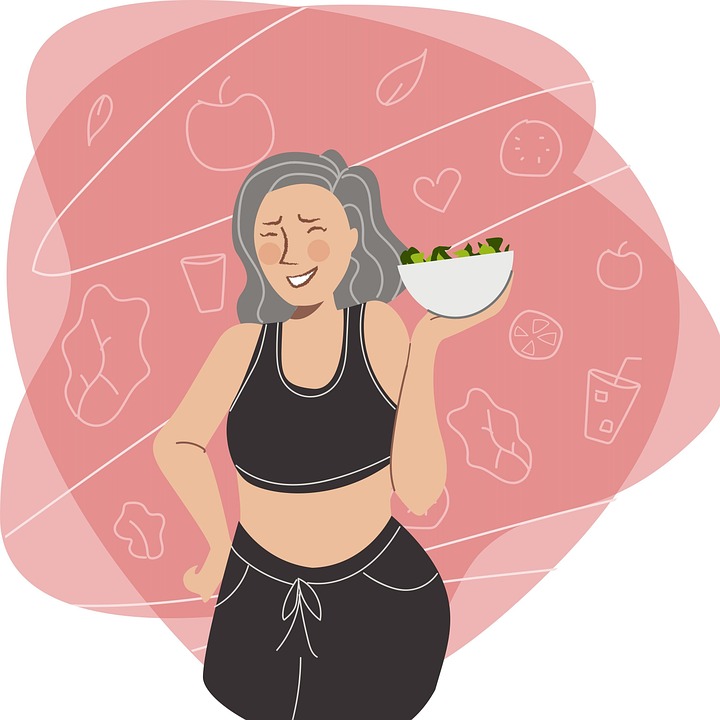
The Internet is full of information on the topic of losing weight. …
We live in an era that glorifies being busy. Between back-to-back notifications, …
Looking for simple ways to improve your health? Explore 15 practical health …
Struggling to get quality sleep? Discover 8 simple sleep tips that can …
Discover Better Ways to Live
Explore practical guidance, expert-backed insights, and everyday inspiration to support a healthier, more balanced life.
In today’s fast-paced world, the concept of wellness often gets buried under an avalanche of conflicting advice. From extreme morning routines that start at 4:00 AM to expensive superfood powders and complicated fitness regimens, pursuing a healthier lifestyle can quickly feel overwhelming. However, true wellness does not require perfection or a complete life overhaul. At its core, wellness is an active, ongoing process of making choices toward a healthy and fulfilling life. It is about understanding that your physical, mental, and emotional health are deeply interconnected. Welcome to The Health Care guide on modern wellness. In this article, we will cut through the noise and explore practical, evidence-based strategies to help you cultivate sustainable habits that support your overall well-being. What Is Wellness, Really? Before diving into how to improve your health, it helps to define what wellness actually means. The World Health Organization (WHO) defines health not merely as the absence of disease, but as a state of complete physical, mental, and social well-being. Wellness builds on this definition. It is self-directed and evolving. When you focus on wellness, you look at the big picture rather than just fixing a single symptom or problem. To make this concept easier to apply, experts often break wellness down into several key dimensions: Physical Wellness: Caring for your body through proper nutrition, adequate rest, and regular movement. Mental and Emotional Wellness: Managing stress, building emotional resilience, and nurturing a positive self-image. Social Wellness: Building healthy, supportive relationships and feeling connected to a …
The Internet is full of information on the topic of losing weight. You’ve had more than one weight loss attempt. Do you want to understand what is right for you and remove those extra pounds?