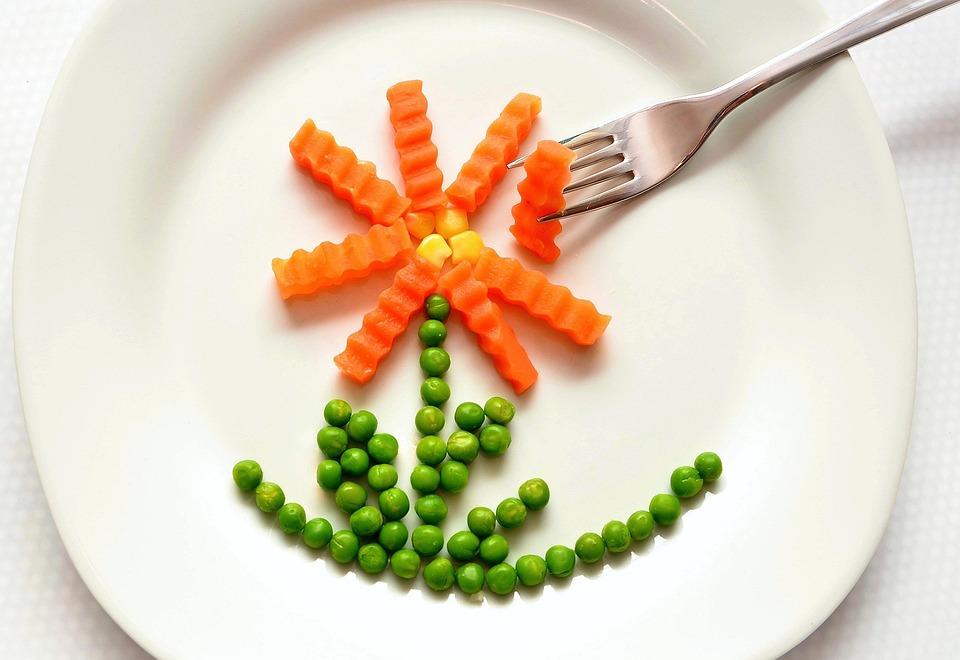


SEO Title: Decoding Dietary Discomfort: Understanding Fructans and Digestive Wellness SEO Meta Description: Explore how fructans affect digestive wellness, recognize common symptom patterns, learn which foods contain them, and discover balanced meal planning tips. When a fresh loaf of artisan sourdough or a bowl of creamy garlic-infused pasta leaves you feeling unexpectedly sluggish and bloated, it is easy to blame gluten automatically. However, for many individuals navigating everyday digestive friction, the actual culprit hiding in plain sight is not a protein at all, but a specific category of carbohydrates known as fructans. As part of the broader family of short-chain carbohydrates often discussed in modern nutrition, fructans play a fascinating role in how our gastrointestinal tract processes everyday meals. Understanding what these compounds are, where they reside in our kitchens, and how they interact with our digestive systems can help you navigate mealtime with greater comfort and confidence. What Are Fructans and Where Do They Hide? To understand how fructans impact your daily routine, it helps to look at what they actually are. Fructans are water-soluble carbohydrates composed of chains of fructose molecules linked together, often ending with a glucose molecule. Plants naturally produce fructans as a form of stored energy and protection against cold weather. Because the human small intestine lacks the specific enzymes required to efficiently break down the chemical bonds holding these fructose chains together, fructans pass relatively undigested into the large intestine. Once they arrive in the colon, resident gut bacteria eagerly ferment them. This natural …

When people hear the word "genetics," they often picture a binary switch: either you inherit a faulty gene and get sick, or you inherit healthy genes and stay well. In reality, modern genetics tells a far more nuanced story. Understanding your genetic risk explained properly is not about predicting a fixed destiny; rather, it is about recognizing probabilities, spotting biological patterns, and using that information to make proactive health decisions. Whether you are looking at your family health tree, considering direct-to-consumer genetic testing, or discussing a chronic condition with your physician, knowing how DNA influences susceptibility to disease is a powerful tool. This educational guide breaks down how genetic risk works, why having a risk variant does not guarantee illness, and how lifestyle factors interact with your unique biological blueprint. The Blueprint Analogy: Understanding DNA and Variation To understand genetic risk, it helps to look at how your body uses DNA. Imagine your genome as an exhaustive, multi-volume cookbook containing every recipe needed to build, maintain, and repair your body. Every person inherits two copies of this cookbook—one from each biological parent. Within these pages, sentences are written using four chemical letters: A, T, C, and G. Most of these recipes are identical across all human beings because heart muscles, lungs, and neurological systems fundamentally work the same way in everyone. However, just like any printed cookbook, subtle typos can occur across generations. In genetics, these variations are called polymorphisms or mutations. Common Variations (Polymorphisms): These are normal spelling differences …
The laptop finally clicks shut, or the final shift ends. You walk through your front door, but mentally, you are still handling emails, deadlines, or the cognitive load of a demanding day. If you regularly find yourself collapsing onto the couch in a state of exhaustion—too tired to cook, too wired to sleep, and scrolling endlessly through your phone just to feel some semblance of control—you are experiencing post-work burnout. At The Health Care, we understand that true wellness isn't just about what you eat or how hard you work out; it is deeply tied to how you transition from productivity to rest. Without a deliberate boundary between your professional life and your personal hours, work stress bleeds into your evening, robbing you of genuine recovery. Let’s explore how to dismantle evening depletion and establish a restorative post-work routine that actually refills your energy reserves. Why the "Second Shift" Drains You When you finish your workday, your nervous system is often locked in a state of low-grade sympathetic activation—commonly known as the fight-or-flight response. Even if your job isn't physically dangerous, mental pressure triggers the same stress hormones (cortisol and adrenaline). When you transition straight from work to household chores, parenting, or social obligations without a reset period, you force your body into a "second shift." Over time, this chronic lack of decompression leads to emotional numbness, disrupted sleep architecture, and a persistent sense of dread when morning rolls around again. Recharging isn't an indulgence; it is a biological necessity. …
Practical insights, expert guidance, and simple tips to help you make healthier food choices.
When we look for pantry ingredients that bridge the gap between heavy comfort food and …
Meta Description: Discover how to easily add chia seeds to your daily meals. Learn practical …
Meta Description: Discover how to pick, store, and cook sweet potatoes like a pro. Elevate …
The Health Care
rusted Health Information for a Healthier Life
Welcome to The Health Care, an online health and medical information platform created to make healthcare knowledge easier to understand and access.
Related posts
Better Health Starts With Better Information
From understanding symptoms to learning about prevention and healthy living, The Health Care provides accessible medical information to help you become more informed about your health.
Find useful insights, practical ideas, and easy-to-follow tips to build healthier habits into your daily routine.
The Internet is full of information on the topic of losing weight. …
The laptop finally clicks shut, or the final shift ends. You walk …
Looking for simple ways to improve your health? Explore 15 practical health …
Struggling to get quality sleep? Discover 8 simple sleep tips that can …
Discover Better Ways to Live
Explore practical guidance, expert-backed insights, and everyday inspiration to support a healthier, more balanced life.
When most people hear the word wellness, they immediately think of kale salads, grueling gym sessions, or sitting cross-legged on a yoga mat. While nutrition and exercise are certainly part of the equation, true wellness goes far deeper than physical appearance or eating clean. In today’s fast-paced world, modern life bombards us with constant notifications, professional pressures, and endless to-do lists. Amid this chaos, taking care of our overall wellness often falls by the wayside. We wait until burnout strikes, sleep deprivation sets in, or stress takes a physical toll before we decide to make a change. However, achieving lasting wellness is not about drastic overhauls or expensive cleanses. It is about building small, sustainable habits that nourish your mind, body, and spirit over time. Welcome to your comprehensive guide on cultivating practical, everyday wellness with insights brought to you by The Health Care. What Does Wellness Really Mean? According to the World Health Organization (WHO), health is not merely the absence of disease or infirmity, but a state of complete physical, mental, and social well-being. Expanding on this, wellness is an active, conscious process of making choices that lead toward a more successful, balanced, and fulfilling existence. Think of health as a destination (though a constantly shifting one), and wellness as the active journey of getting there. It is dynamic, multi-dimensional, and entirely personal. What works for a friend, colleague, or social media influencer might not work for you. Building a personalized wellness routine requires tuning into your own …
When you hear the word "wellness," what comes to mind? For many of us, it conjures up images of expensive green juices, flawless yoga poses on sandy beaches, or strict, restrictive diets. With the modern wellness industry generating trillions of dollars globally, it is easy to feel like true health is something you have to buy, or a rigid standard you have to constantly chase. At The Health Care, we believe it is time to redefine what wellness truly means. True wellness is not about perfection, rigid rules, or achieving an impossible aesthetic. Instead, it is an active, ongoing process of making choices toward a healthy and fulfilling life. It is about building a foundation of habits that support your physical body, calm your mind, and nurture your spirit—all within the realistic constraints of your busy daily routine. In this comprehensive guide, we will explore what wellness actually looks like, how the different dimensions of health connect, and practical, evidence-based steps you can take to cultivate lasting balance. What Does Wellness Really Mean? The World Health Organization (WHO) has long defined health not merely as the absence of disease or infirmity, but as a state of complete physical, mental, and social well-being. Building on this, wellness is the dynamic process of awareness and decision-making that leads toward a more balanced and conscious existence. Unlike quick fixes or short-term health trends, wellness looks at the bigger picture. It recognizes that you are a whole person. If you eat a perfectly balanced …
In today’s fast-paced world, the definition of health often gets reduced to a simple number on a scale or the absence of an obvious illness. Yet, true well-being goes far deeper. It encompasses how we feel when we wake up in the morning, how we manage the inevitable stress of daily life, and how connected we feel to our communities and purpose. Welcome to The Health Care, your trusted resource for evidence-based living. In this guide, we explore what wellness truly means in the modern era and how you can cultivate a balanced, vibrant lifestyle without falling for quick fixes or restrictive fads. What Is Wellness, Really? At its core, wellness is an active, ongoing process of making choices toward a healthy and fulfilling life. Unlike health, which can be viewed as a state of being at a given moment, wellness is about action, awareness, and continuous growth. The concept is rarely isolated to just one part of your routine. Instead, experts view it through a multidimensional lens. Recognizing these different facets can help you pinpoint areas of your life that might need a little extra care and attention. The Dimensions of Well-Being To achieve a balanced life, it helps to understand the core pillars that support overall vitality: Physical Wellness: Involves caring for your body through balanced nutrition, restorative sleep, regular movement, and routine medical checkups. Mental and Emotional Wellness: Encompasses your ability to cope with stress, process emotions, maintain a positive outlook, and seek support when needed. Social …