

For some individuals, biting into a crisp apple, enjoying a bowl of fresh cherries, or sweetening a beverage with honey can unexpectedly lead to hours of stubborn bloating, abdominal cramping, and unpredictable digestive distress. While fruit and natural sweeteners are typically celebrated as cornerstones of a nutritious eating pattern, people experiencing fructose malabsorption process these wholesome foods rather differently. Understanding how the body handles specific types of simple sugars can transform daily digestive comfort. Rather than resorting to confusing, highly restrictive eating habits, learning the underlying mechanics of sugar absorption empowers individuals to make informed, balanced choices that support both gut health and overall culinary enjoyment. What Is Fructose Malabsorption? Fructose malabsorption occurs when the small intestine has a limited capacity to absorb fructose—a simple sugar naturally found in fruits, vegetables, honey, and high-fructose corn syrup. When the specialized transporter proteins in the intestinal lining cannot keep up with the amount of fructose consumed, the excess sugar travels onward into the large intestine. Once unabsorbed fructose reaches the colon, resident bacteria ferment it rapidly. This natural fermentation process produces hydrogen and methane gases, along with short-chain fatty acids. The accumulation of gas and osmotic fluid shifts within the bowel is what gives rise to the classic physical sensations associated with the condition. It is helpful to distinguish fructose malabsorption from hereditary fructose intolerance (HFI). While fructose malabsorption is a relatively common, non-life-threatening digestive quirk involving intestinal transport, HFI is a rare, serious genetic metabolic disorder diagnosed in infancy that involves …
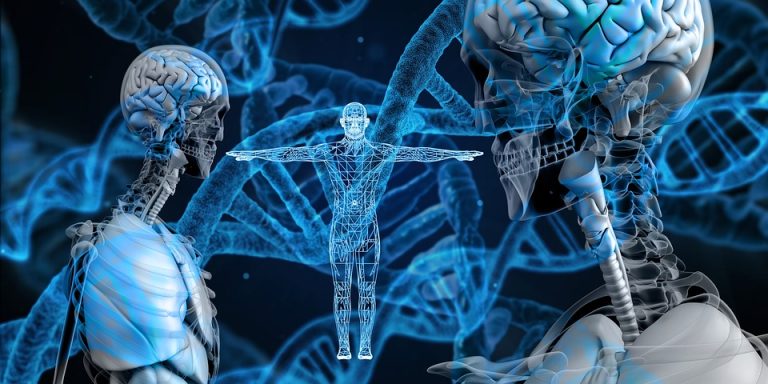
Have you ever wondered why you might possess your mother’s sharp eye for detail, yet your sibling inherited your father’s musical pitch? Or perhaps you have puzzled over why a certain health condition seems to run down one side of your family tree while skipping other relatives entirely? The answers to these everyday biological mysteries lie within genetic variation—the tiny, natural differences in our DNA that make every human being unique. While the word "genetics" often brings to mind complex laboratory equipment or clinical charts, understanding the basics of how our DNA varies is one of the most empowering things you can do for your personal health literacy. In this guide, we will break down what genetic variation actually means, how these differences influence our health and traits, and why this microscopic diversity is essential for human survival. What is Genetic Variation, Anyway? To understand variation, we first need to look at the master manual of life: DNA (deoxyribonucleic acid). Think of your DNA as a massive recipe book stored inside almost every cell in your body. This book is written using an alphabet of just four chemical building blocks, commonly represented by their letters: A, T, C, and G. These letters spell out genes, which act as specific instructions for building proteins—the workhorse molecules that keep your body functioning. Across the entire human population, our DNA is remarkably similar. In fact, any two humans share about 99.9% of their genetic code. We are all profoundly alike. However, that remaining …
We often treat our physical health and mental wellbeing as two entirely separate entities. When we catch a cold, we reach for vitamin C; when we feel anxious, we try to calm our thoughts. Yet, modern medical science increasingly confirms what ancient traditions have taught for millennia: the mind and body operate as a single, deeply integrated system. Your daily thought patterns, stress levels, and emotional responses do not just float around in the ether—they trigger biochemical cascades that directly influence your immune function, energy levels, and long-term physical vitality. Understanding this intricate bridge is essential for anyone looking to optimize their overall health. By exploring the practical intersection of mental habits and physiological wellness, you can unlock a more holistic approach to everyday self-care. The Biological Bridge: How Thoughts Become Physical Every thought and emotion you experience translates into a chemical signal. When you perceive a threat—whether it is an actual physical danger or a stressful work email—your brain activates the sympathetic nervous system, commonly known as the "fight-or-flight" response. This triggers the release of stress hormones like cortisol and adrenaline. In short bursts, this mechanism is life-saving. However, when chronic worry, pessimism, or high-pressure lifestyles keep your nervous system in a constant state of low-grade alarm, the physical toll begins to accumulate. Over time, elevated cortisol levels can: Suppress optimal immune system function, making you more susceptible to illness. Contribute to chronic, low-grade systemic inflammation. Disrupt digestion, leading to gut health imbalances. Interfere with deep, restorative sleep cycles. …
Practical insights, expert guidance, and simple tips to help you make healthier food choices.
Walking down the grocery store aisles can sometimes feel like trying to solve a complex …
SEO Title: Navigating Dietary Fiber: Daily Intake, Whole Foods, and Digestive Health Meta Description: Discover …
Walking down the grocery store aisles can sometimes feel like navigating a complex maze. With …
The Health Care
rusted Health Information for a Healthier Life
Welcome to The Health Care, an online health and medical information platform created to make healthcare knowledge easier to understand and access.
Related posts
Better Health Starts With Better Information
From understanding symptoms to learning about prevention and healthy living, The Health Care provides accessible medical information to help you become more informed about your health.
Find useful insights, practical ideas, and easy-to-follow tips to build healthier habits into your daily routine.
The Internet is full of information on the topic of losing weight. …
We often treat our physical health and mental wellbeing as two entirely …
Looking for simple ways to improve your health? Explore 15 practical health …
Struggling to get quality sleep? Discover 8 simple sleep tips that can …
Discover Better Ways to Live
Explore practical guidance, expert-backed insights, and everyday inspiration to support a healthier, more balanced life.
In today’s fast-paced world, the pursuit of health often feels like a full-time job. Between managing career demands, family responsibilities, and the endless stream of digital notifications, it is easy to feel overwhelmed. Many of us wait until we are completely burnt out before paying attention to our personal well-being. However, true wellness is not about drastic lifestyle overhauls or achieving perfection. Instead, it is a continuous, dynamic journey of making small, intentional choices that support your mind, body, and spirit. Welcome to The Health Care. In this guide, we will explore what wellness truly means in the modern era, break down its core pillars, and provide practical, evidence-based strategies to help you cultivate a more balanced, fulfilling life. What is Wellness? Before diving into daily habits, it helps to define the term itself. Many people use the words "health" and "wellness" interchangeably, but there is a distinct difference. Health is generally viewed as a state of being—the absence of disease or illness. Wellness, on the other hand, is an active process of becoming aware of and making choices toward a healthy and fulfilling existence. According to the World Health Organization (WHO), health is "a state of complete physical, mental, and social well-being and not merely the absence of disease or infirmity." Therefore, pursuing wellness means looking at the big picture. It acknowledges that physical fitness is only one piece of the puzzle. Emotional stability, mental clarity, social connection, and environmental harmony all play vital roles in how you feel …
In today’s fast-paced world, achieving optimal health can often feel like a complicated puzzle. Everywhere you look, there is a new trend, a restrictive diet, or an intense workout program promising overnight transformations. But true wellness is rarely built on extreme measures. Instead, sustainable well-being is the quiet result of daily choices—the small, consistent actions we take day after day. Welcome to The Health Care, your trusted resource for evidence-based wellness guidance. In this article, we explore the science of building healthy habits that stick. Rather than overhauling your entire lifestyle at once, we will look at how manageable, incremental changes can lead to profound, long-term improvements in your physical and mental health. What Are Healthy Habits, and Why Do They Matter? At its core, a habit is a routine behavior that is repeated regularly and tends to occur subconsciously. Healthy habits are specific behaviors that positively impact your physical, mental, and emotional health. When you rely solely on motivation to eat better, move more, or sleep soundly, you will eventually struggle. Motivation fluctuates based on stress, sleep, and mood. Habits, however, run on autopilot. Once a behavior becomes automatic, it requires far less mental energy to execute. Research in behavioral psychology shows that building routines gradually helps rewire the brain's neural pathways, making positive choices feel natural rather than forced. By focusing on sustainable healthy habits, you lay a strong foundation for lifelong vitality. Pillar 1: Nourishing Your Body Mindfully Nutrition is often the first area people try to …
When most people hear the word "wellness," they immediately think of green smoothies, grueling gym sessions, or expensive meditation retreats. Modern culture often sells wellness as a luxury product or a rigid set of rules that you must follow to achieve perfection. But true wellness is far more accessible, flexible, and personal than the wellness industry suggests. At its core, wellness is an active, ongoing process of making choices toward a healthy and fulfilling life. It is not a destination you reach and check off your list. Instead, it is a dynamic state of physical, mental, and social well-being that shifts and adapts as you move through different seasons of life. Welcome to The Health Care, your trusted resource for evidence-based health insights. In this article, we will explore what wellness truly means, how the different dimensions of wellness connect, and how you can build simple, sustainable habits to support your overall health. What Is True Wellness? The World Health Organization (WHO) defines health not merely as the absence of disease or infirmity, but as a state of complete physical, mental, and social well-being. Expanding on this, wellness is the conscious integration of your mind, body, and spirit. Historically, society viewed health through a very narrow lens: if you weren't sick, you were healthy. Today, we understand that human beings are complex systems. How you sleep, how you manage stress, how you connect with others, and how you find purpose in your day all play a massive role in your …
- « Previous
- 1
- …
- 3
- …
- 8
- More CoursesLoading...