

October 4, 2026

Could That Healthy Salad Be Making You Sick? Spotting Hidden Sensitivities

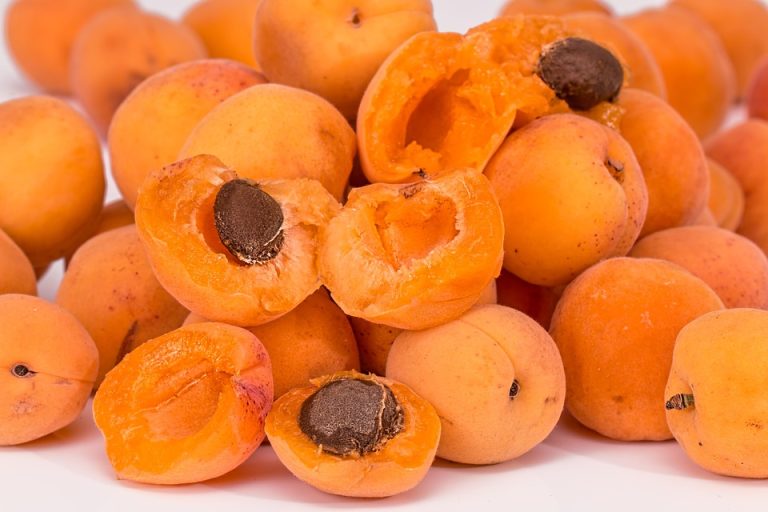
SEO Meta Description: Discover what fructose malabsorption is, how it differs from a fruit allergy, and practical strategies for enjoying meals while managing digestive comfort. For many health-conscious eaters, ramping up fruit and vegetable intake is a cornerstone of daily wellness. However, for a segment of the population, an increased intake of fresh produce, honey, and certain sweeteners can trigger an unexpected chain reaction of bloating, gas, and abdominal discomfort. Rather than an issue with the fiber content or a classic food allergy, this reaction often points toward a specific metabolic quirk in the small intestine: fructose malabsorption. Understanding how the body processes simple fruit sugars can transform how you plan your meals, helping you achieve digestive peace without unnecessarily banning entire categories of nourishing foods. Decoding How the Small Intestine Processes Fructose Fructose is a simple sugar, or monosaccharide, naturally found in fruits, berries, root vegetables, honey, and agave nectar. It is also a building block of table sugar (sucrose) and high-fructose corn syrup (HFCS). In an efficient digestive tract, specialized transport proteins located in the lining of the small intestine—specifically a transporter known as GLUT5—absorb fructose directly into the bloodstream, where it travels to the liver for processing. When someone experiences fructose malabsorption, these transport mechanisms work less efficiently. Instead of being readily absorbed in the upper section of the small intestine, excess fructose molecules travel further down into the lower digestive tract. Once there, resident gut bacteria ferment the unabsorbed sugars, producing gases like hydrogen and methane, …


food sensitivity symptoms
October 4, 2026

* Mutations, Mismatches, and Magic: What Makes Us All Unique

We often hear DNA described as the "blueprint" of the human body—a master instruction manual that dictates everything from eye color to how tall we will grow. While this metaphor is helpful for grasping the basics, modern genetics reveals that the picture is far more dynamic. DNA is less like a rigid architectural blueprint and more like a massive, open-source library. Every individual possesses a unique collection of texts with subtle typographic differences. It is these tiny spelling variations—known as genetic variation—that make each person distinct, while also playing a massive role in shaping our overall health, disease risks, and how our bodies respond to the world around us. Understanding genetic variation is essential for anyone looking to take a proactive approach to their personal well-being. This article explores how these microscopic differences arise, how they influence health outcomes, and what they mean for the future of personalized medicine. What Is Genetic Variation? (And Why You Aren’t a Clone) To understand genetic variation, we first need to look at the raw material. Every human cell contains a genome made up of roughly 3 billion base pairs of DNA. When scientists compare the DNA of any two random humans, they find that we are about 99.9% identical. That remaining 0.1%, however, accounts for millions of individual differences. These variations are the result of mutations, evolutionary adaptations, and the shuffling of genes that happens every time a new generation is conceived. The Three Main Types of Genetic Variation Genetic variation isn't just …

genetic variation
October 4, 2026

Stop Hitting Snooze: Why Your Mornings Are Ruining Your Health

You crushed your workout yesterday. Your muscles are whispering—or screaming—reminders of that final set, and today is officially your scheduled rest day. But instead of feeling relieved, a nagging voice in your head whispers that you are losing progress, burning fewer calories, and sliding backward on your fitness journey. If this mental tug-of-war sounds familiar, it is time to shift your perspective on downtime. Traditional rest days often translate to binge-watching television from the couch while avoiding any movement more strenuous than reaching for a snack. However, modern fitness science champions a much more dynamic approach: active recovery. Far from being an excuse to be lazy, active recovery bridges the gap between intense training and absolute stillness. It is a strategic component of a balanced wellness routine that keeps your circulation moving, accelerates tissue repair, and prepares your body for the next big challenge. What Exactly Is Active Recovery? In the simplest terms, active recovery involves engaging in low-intensity physical movement on days when you would typically take a complete break from structured exercise. While passive recovery—lying completely still or sleeping—has its place, it can sometimes lead to increased muscle stiffness and stagnant blood flow. Active recovery, on the other hand, keeps the engine running at an idle speed. By maintaining a light heart rate, you encourage fresh blood to circulate through your fatigued muscles, delivering vital oxygen and nutrients while efficiently sweeping away metabolic waste products like lactic acid. The golden rule of active recovery is keeping the intensity …

morning health habits
Nutrition & Healthy Eating

Practical insights, expert guidance, and simple tips to help you make healthier food choices.

The Health Care
rusted Health Information for a Healthier Life

Welcome to The Health Care, an online health and medical information platform created to make healthcare knowledge easier to understand and access.

The Health Care

Better Health Starts With Better Information

From understanding symptoms to learning about prevention and healthy living, The Health Care provides accessible medical information to help you become more informed about your health.

Everyday advice & health tips

Find useful insights, practical ideas, and easy-to-follow tips to build healthier habits into your daily routine.

home
Discover Better Ways to Live
Healthy habits and wellness insights

Explore practical guidance, expert-backed insights, and everyday inspiration to support a healthier, more balanced life.

wellness
Rated 5 out of 5
What Happens to Your Body When You Spend 15 Minutes in Nature Every Day

In today’s fast-paced world, the pursuit of health often feels like a full-time job. Between managing career demands, family responsibilities, and the endless stream of digital information, it is easy to feel overwhelmed. Everywhere you look, new fitness trends, restrictive diets, and miracle supplements promise instant transformations. However, true wellness is not about drastic overhauls or chasing perfection. Instead, it is a dynamic, lifelong journey of making intentional choices that support your physical, mental, and emotional health. Welcome to The Health Care guide on redefining wellness. In this article, we will explore what sustainable wellness actually looks like, how to build healthy habits that stick, and why small, everyday changes yield the most profound long-term results. Understanding True Wellness For generations, society measured health primarily by the absence of disease. If your lab results came back normal, you were considered "healthy." Today, however, health professionals view wellness through a much broader lens. Wellness is an active process of becoming aware of and making choices toward a healthy and fulfilling life. It is multidimensional, encompassing several interconnected areas: Physical Wellness: Nourishing your body through balanced nutrition, regular movement, and adequate rest. Mental and Emotional Wellness: Managing stress, cultivating emotional resilience, and maintaining a positive mindset. Social Wellness: Building meaningful relationships and fostering a strong sense of community and support. Environmental Wellness: Creating living and working spaces that promote safety, comfort, and peace. When one area of your life is neglected, the others often feel the strain. For example, chronic stress (mental) …

healthy habits
Rated 5 out of 5
How to Break Bad Habits and Replace Them with Good Ones

In today’s fast-paced world, the pursuit of wellness often feels like chasing a moving target. Everywhere we look, we are bombarded with conflicting advice: drink a gallon of water, eliminate entire food groups, wake up at 5:00 AM, or try the latest high-intensity fitness trend. It is easy to feel overwhelmed, leading many of us to abandon our wellness goals before they even truly begin. At The Health Care, we believe true wellness does not come from extreme overhauls or overnight transformations. Instead, it is built through the quiet, consistent power of healthy habits. Understanding how to form and maintain these routines is the cornerstone of long-term vitality. Rather than striving for perfection, sustainable health is about making small, incremental changes that seamlessly integrate into your daily life. Let’s explore the science of habit formation and practical ways to cultivate a healthier lifestyle without the burnout. The Psychology of Habit Formation To build lasting healthy habits, we first need to understand how the human brain creates routines. According to psychological research, habits are formed through a neurological loop consisting of three parts: a cue, a routine, and a reward. The Cue: A trigger that initiates the behavior (e.g., your alarm clock ringing). The Routine: The actual behavior or action you perform (e.g., lacing up your running shoes). The Reward: The positive reinforcement your brain receives, which solidifies the habit (e.g., the endorphin boost or a sense of accomplishment). When you try to change too many things at once, you overload …

wellness
Rated 5 out of 5
The Wellness Trends Worth Your Time (And the Ones to Skip)

In today’s fast-paced world, the pursuit of health often feels like a full-time job. Between managing career demands, family responsibilities, and the endless stream of digital notifications, it is easy to feel overwhelmed. Many of us wait until we are completely burnt out before paying attention to our personal well-being. However, true wellness is not about drastic lifestyle overhauls or achieving perfection. Instead, it is a continuous, dynamic journey of making small, intentional choices that support your mind, body, and spirit. Welcome to The Health Care. In this guide, we will explore what wellness truly means in the modern era, break down its core pillars, and provide practical, evidence-based strategies to help you cultivate a more balanced, fulfilling life. What is Wellness? Before diving into daily habits, it helps to define the term itself. Many people use the words "health" and "wellness" interchangeably, but there is a distinct difference. Health is generally viewed as a state of being—the absence of disease or illness. Wellness, on the other hand, is an active process of becoming aware of and making choices toward a healthy and fulfilling existence. According to the World Health Organization (WHO), health is "a state of complete physical, mental, and social well-being and not merely the absence of disease or infirmity." Therefore, pursuing wellness means looking at the big picture. It acknowledges that physical fitness is only one piece of the puzzle. Emotional stability, mental clarity, social connection, and environmental harmony all play vital roles in how you feel …

Newsletter Signup

Be the first to get our latest tips