

SEO Meta Description: Explore the key differences between food allergies, intolerances, and sensitivities. Learn how distinct bodily responses affect digestive wellness. When eating a meal, the body quietly breaks down proteins, carbohydrates, and fats to fuel daily activities. However, for some individuals, this routine process encounters friction. Discomfort, bloating, skin changes, or unpredictable digestion can follow a meal, leaving people searching for answers. Navigating these post-meal reactions often begins with terminology. In casual conversation, phrases like "food sensitivity," "food intolerance," and "food allergy" are frequently used interchangeably. From a clinical perspective, however, these terms describe entirely different biological mechanisms. Understanding these distinctions is the first step toward making informed decisions about nutrition, digestive health, and overall well-being. Unpacking the Terminology: Allergy, Intolerance, and Sensitivity To make sense of physical reactions to food, it helps to examine how the body interacts with what is on the plate. Not all adverse food reactions involve the same systems. While symptoms may occasionally look similar on the surface, the internal pathways are distinct. Food Allergies: The Immune System on High Alert A true food allergy is an immune-mediated reaction. When someone has a food allergy, their immune system mistakenly identifies a harmless food protein—such as those found in peanuts, shellfish, milk, or eggs—as a dangerous invader. In response, the immune system produces antibodies, primarily Immunoglobulin E (IgE). Upon subsequent exposure to that protein, these antibodies trigger the release of chemicals like histamine, leading to symptoms that can range from mild hives and swelling to …
When you look in the mirror, you see the obvious results of your genetics: the color of your eyes, the curl of your hair, perhaps the shape of your nose. But beneath the surface, your DNA is whispering—or sometimes shouting—about things you cannot see, including your susceptibility to various health conditions. For many people, hearing the phrase "genetic risk" triggers immediate anxiety. It is easy to assume that our genes act as an unbreakable script, dictating a predetermined medical destiny from the moment we are born. Fortunately, modern genetics reveals a much more empowering and nuanced picture. In this comprehensive guide, we will break down what genetic risk actually means, how scientists measure it, why having a "bad gene" is rarely a guaranteed outcome, and how you can use this knowledge to make proactive choices for your long-term wellness. What Is Genetic Risk? (And How It Differs From Destiny) To understand genetic risk, it helps to look at how our DNA functions on a daily basis. Inside almost every cell in your body are chromosomes containing your genome—a vast instruction manual made up of approximately 3 billion chemical base pairs. Most of these instructions are identical across all human beings, but small variations, known as polymorphisms, make each of us unique. Some of these variations can influence how efficiently your body metabolizes certain medications, how your cells repair damaged tissue, or how your cardiovascular system handles stress. Genetic Risk: This is a statistical probability. It indicates that you have inherited …
In our hyper-connected, productivity-driven world, exercise is often treated as another chore to check off a to-do list. We log miles on a treadmill while staring at a screen, lift weights while listening to a fast-paced podcast, or push through yoga classes while mentally drafting tomorrow’s emails. While physical activity of any kind is beneficial, this "mindless" movement often leaves our nervous systems locked in a state of low-grade stress. Enter somatic movement—a practice that shifts the focus from how fast or how heavy you can move to what it actually feels like to inhabit your physical body. At The Health Care, we believe true wellness bridges the gap between physical vitality and mental peace. This practical guide explores how integrating mindful body awareness into your day can transform your relationship with movement, alleviate chronic tension, and enhance your overall well-being. What Is Somatic Awareness? The word somatic stems from the Greek root soma, meaning "the body experienced from within." Unlike traditional workouts that focus on external performance—such as burning calories, increasing speed, or building visible muscle—somatic awareness tunes into your internal sensory landscape. It is the practice of noticing: Where you are holding unconscious tension (like a clenched jaw or elevated shoulders). How your weight is distributed as you stand or sit. The rhythm of your breath as your ribs expand and contract. The subtle feedback your joints and muscles provide during motion. By developing this internal compass, you stop fighting against your body and start collaborating with it. …
Practical insights, expert guidance, and simple tips to help you make healthier food choices.
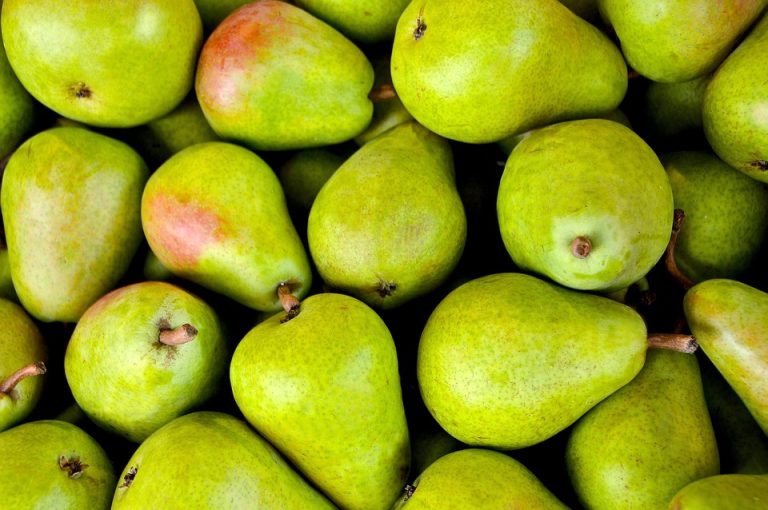
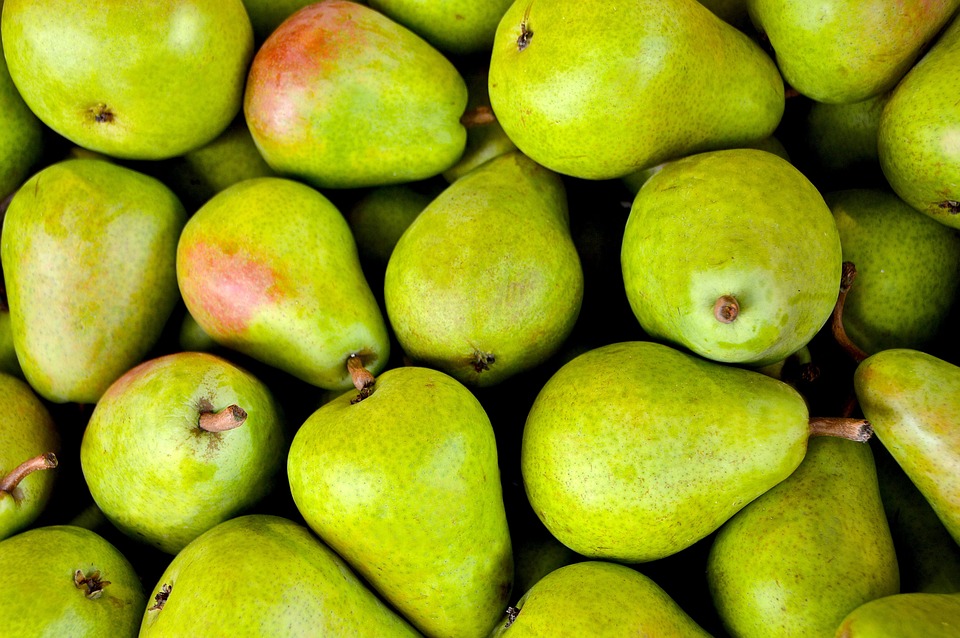
Meta Description: Discover expert shopping strategies for selecting the freshest, most nutrient-dense produce at the …
The Health Care
rusted Health Information for a Healthier Life
Welcome to The Health Care, an online health and medical information platform created to make healthcare knowledge easier to understand and access.
Related posts
Better Health Starts With Better Information
From understanding symptoms to learning about prevention and healthy living, The Health Care provides accessible medical information to help you become more informed about your health.
Find useful insights, practical ideas, and easy-to-follow tips to build healthier habits into your daily routine.
The Internet is full of information on the topic of losing weight. …
In our hyper-connected, productivity-driven world, exercise is often treated as another chore …
Looking for simple ways to improve your health? Explore 15 practical health …
Struggling to get quality sleep? Discover 8 simple sleep tips that can …
Discover Better Ways to Live
Explore practical guidance, expert-backed insights, and everyday inspiration to support a healthier, more balanced life.
In today’s fast-paced world, achieving optimal health can often feel like chasing a moving target. Everywhere you look, there is a new trend, a restrictive diet, or a high-intensity workout regime promising overnight transformation. However, true well-being is rarely the result of dramatic, short-term fixes. Instead, the foundation of a vibrant, healthy life is built quietly, day by day, through the consistent practice of healthy habits. At The Health Care, we believe that understanding your body and making small, sustainable lifestyle adjustments is the most effective way to support your physical and mental wellness. You do not need to overhaul your entire routine by tomorrow morning. By focusing on fundamental healthy habits, you can create a balanced lifestyle that naturally supports your long-term vitality. Let’s explore the evidence-based practices that can help you cultivate a healthier, happier everyday life. The Power of Consistency in Health When it comes to wellness, consistency always outweighs intensity. Many people fall into the trap of all-or-nothing thinking—going to the gym for two hours one day, and then doing nothing for the next two weeks. Unfortunately, this cycle often leads to burnout and frustration. True health is cumulative. The small, seemingly insignificant choices you make every single day—what you eat for breakfast, how many steps you take, how much water you drink, and how you wind down at night—compound over time. Adopting healthy habits means shifting your focus away from rigid perfection and toward sustainable progress. 1. Nourish Your Body with Mindful Nutrition Food is …
In a world filled with endless productivity hacks, trending superfoods, and conflicting fitness advice, the pursuit of health can often feel overwhelming. Many of us fall into the trap of all-or-nothing thinking: adopting an intense workout routine and a restrictive diet, only to burn out a few weeks later. True wellness is not about perfection, rigid rules, or a total lifestyle overhaul overnight. Instead, it is a dynamic, lifelong journey of making intentional choices that support your physical, mental, and emotional vitality. Welcome to The Health Care guide on modern wellness. In this article, we will explore what it truly means to live well, break down the foundational pillars of health, and provide actionable, evidence-based strategies to help you build sustainable habits that last a lifetime. What is Wellness? Beyond the Absence of Disease For generations, healthcare focused primarily on the absence of illness. If your blood work came back normal and you weren't bedridden, you were considered "healthy." Today, our understanding has evolved. The World Health Organization (WHO) defines health as a state of complete physical, mental, and social well-being, not merely the absence of disease or infirmity. Wellness is the active pursuit of activities, choices, and lifestyles that lead to a holistic state of well-being. Think of it this way: health is a destination or a state of being, while wellness is the active process of getting there and staying there. It requires looking at the whole person rather than just treating individual symptoms. The Core Pillars of …
In today’s fast-paced world, the pursuit of wellness often feels like a full-time job. Between conflicting diet trends, high-intensity workout crazes, and endless wellness advice flooding our social media feeds, it is easy to feel overwhelmed. Many people approach healthy living as an all-or-nothing endeavor—a strict regimen of restriction and grueling routines that rarely lasts more than a few weeks. However, true wellness is not about perfection or rigid rules. Sustainable healthy living is about making small, consistent choices that support your physical, mental, and emotional well-being over the long term. By shifting your focus from quick fixes to daily habits, you can build a balanced lifestyle that feels natural, enjoyable, and sustainable. Welcome to The Health Care guide on mastering the art of everyday wellness. Let’s explore practical, evidence-based strategies to help you thrive. What Is Healthy Living Really About? At its core, healthy living is an active process of making choices toward a healthy and fulfilling life. It encompasses much more than just eating vegetables and going to the gym. True wellness is multidimensional, involving a harmonious balance of several key pillars: Nourishing your body with wholesome foods Staying physically active in ways you genuinely enjoy Prioritizing restorative sleep for recovery and mental clarity Managing daily stress to protect your mental health Cultivating meaningful social connections When one of these areas is neglected, the others often suffer. Adopting a holistic approach ensures that you are caring for your whole self, rather than just focusing on a single metric …
- « Previous
- 1
- …
- 4
- …
- 7
- More CoursesLoading...