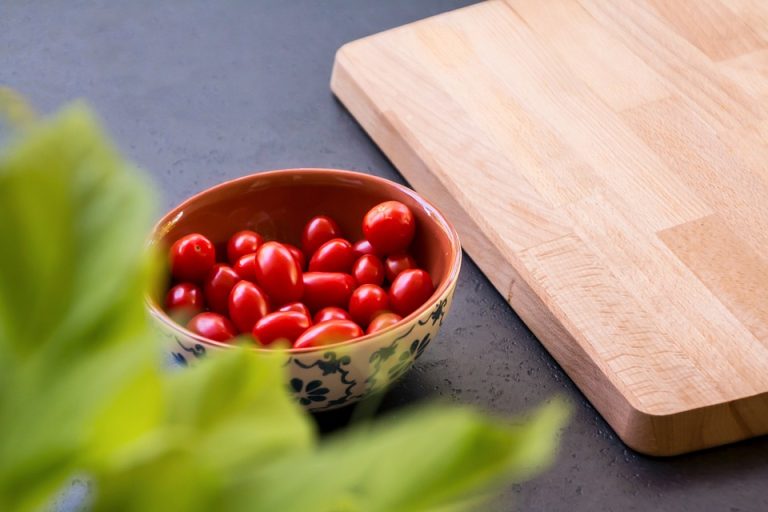


Dietary patterns can sometimes spark unexpected physical responses. While many people digest a wide variety of plant foods with ease, others notice that certain carbohydrate-rich ingredients lead to persistent bloating, abdominal discomfort, or changes in daily rhythm. Among the various compounds found in everyday produce and grains, fructans frequently emerge as a topic of discussion for individuals exploring digestive wellness. Understanding how the body interacts with these specific chains of sugars can help you make informed choices about your meals without falling into cycles of unnecessary restriction. Here is a look at what fructans are, where they appear in our food supply, and how to approach digestive comfort with a balanced perspective. What Are Fructans and Where Do They Hide? Fructans are a type of oligosaccharide—specifically, chains of fructose molecules linked together with a glucose molecule at the end. Plants naturally produce fructans as a form of energy storage. Because human digestive enzymes in the small intestine lack the specific capacity to break down the chemical bonds holding these sugar chains together, fructans pass relatively intact further down the digestive tract. Once they reach the large intestine, resident gut bacteria ferment these carbohydrates. This fermentation process is entirely normal and natural; however, in some individuals, it can produce noticeable amounts of gas, fluid shifts, and subsequent abdominal distension or cramping. Fructans are found in a surprisingly diverse array of everyday foods, spanning several major food groups: Alliums: Garlic, onions (including shallots, leeks, and scallions), and chives contain notably high concentrations …

When you look in the mirror, you see the obvious traits passed down from your parents: the shape of your nose, the color of your eyes, or perhaps the way your hair curls on a humid day. But beneath the surface, a vastly more complex microscopic library is at work. Every single second, your biological blueprint dictates everything from how your cells repair themselves after a workout to how your body metabolizes your morning cup of coffee. Understanding the intersection of genetics and health no longer requires a Ph.D. in molecular biology. As direct-to-consumer genetic testing becomes more common and conversations about family health histories evolve, everyday people are increasingly curious about how their DNA shapes their wellness journey. Let’s pull back the double helix and explore how your genetic code influences your health, debunk a few common myths, and look at practical ways to use this knowledge to live a healthier life. The Instruction Manual Inside Your Cells To understand genetics, think of your body as a massive, multi-story corporate headquarters. Inside almost every single room (cells) is a master library (the nucleus). Within that library are 23 pairs of encyclopedias (chromosomes). Each individual encyclopedia is packed with chapters, paragraphs, and sentences made up of a four-letter alphabet: A, T, C, and G. These letters represent nucleotides, the fundamental building blocks of DNA (deoxyribonucleic acid). A gene is a specific sentence within this instruction manual that tells your cells how to build a particular protein. Proteins are the workhorses …
We often look at health through a macro lens. We think about the gym membership we use twice a week, the annual blood work panel, or whether we managed to eat a green vegetable with dinner. Yet, true day-to-day vitality is rarely eroded by massive, obvious lifestyle disasters. Instead, it is slowly siphoned away by an accumulation of microscopic, seemingly harmless behaviors woven into the fabric of our everyday routines. At The Health Care, we believe that understanding these subtle drains is the first step toward reclaiming your energy. Let’s examine the hidden micro-habits that quietly sabotage wellness, and how you can course-correct before exhaustion becomes your new baseline. The Anatomy of Micro-Drainage Micro-habits are automatic behaviors that take less than a few minutes—sometimes even seconds—to execute. Individually, they register a zero on your body's stress scale. Chronically, however, they trigger a continuous, low-grade activation of your nervous system or metabolic pathways. Think of it like leaving a dozen phone apps running quietly in the background; your battery drains by noon, even though you haven't been playing games or watching videos. Three Subtle Habits Draining Your Energy (And How to Fix Them) 1. The "Just One More" Digital Micro-Check You pick up your phone to check the weather, and twenty minutes later, you are knee-deep in a digital rabbit hole. While the time loss is frustrating, the real health cost is cognitive. The Hidden Toll: Rapid context-switching fries your dopamine receptors and keeps your prefrontal cortex in a state of …
Practical insights, expert guidance, and simple tips to help you make healthier food choices.
SEO Title: Master Your Plate: The Ultimate Guide to Nutrient-Dense Eating Meta Description: Discover how …
The Health Care
rusted Health Information for a Healthier Life
Welcome to The Health Care, an online health and medical information platform created to make healthcare knowledge easier to understand and access.
Related posts
Better Health Starts With Better Information
From understanding symptoms to learning about prevention and healthy living, The Health Care provides accessible medical information to help you become more informed about your health.
Find useful insights, practical ideas, and easy-to-follow tips to build healthier habits into your daily routine.
The Internet is full of information on the topic of losing weight. …
We often look at health through a macro lens. We think about …
Looking for simple ways to improve your health? Explore 15 practical health …
Struggling to get quality sleep? Discover 8 simple sleep tips that can …
Discover Better Ways to Live
Explore practical guidance, expert-backed insights, and everyday inspiration to support a healthier, more balanced life.
In today’s fast-paced world, the pursuit of better health often feels like an overwhelming juggling act. Between chasing career goals, managing family responsibilities, and staying connected through digital devices, it is easy to put your personal well-being on the back burner. Many people try to overhaul their routines overnight—joining high-intensity gyms, cutting out entire food groups, or waking up an hour earlier—only to experience burnout within a few weeks. True wellness is not about drastic, short-term fixes or rigid rules. Instead, it is a dynamic, lifelong journey of making intentional choices that support a balanced and fulfilling life. When approached correctly, wellness integrates physical vitality, mental clarity, and emotional resilience into a seamless daily rhythm. Welcome to your comprehensive guide brought to you by The Health Care. In this article, we will explore what wellness truly means, examine its foundational pillars, and provide actionable, evidence-based strategies to help you cultivate lasting health without the stress. What is Wellness? Beyond the Absence of Disease For generations, healthcare focused primarily on the treatment of illness. If you were not actively sick, you were considered healthy. Today, modern science recognizes a much broader definition of health—one where the absence of sickness is just the starting line. Wellness is an active process of becoming aware of and making choices toward a healthy and fulfilling existence. It encompasses how you nourish your body, how you process stress, how you sleep, and how you connect with the world around you. Importantly, wellness is deeply personal. What …
In today’s fast-paced world, the concept of healthy living often feels like a moving target. Everywhere we look, social media feeds and wellness magazines push conflicting advice. One day, a specific superfood is the secret to longevity; the next day, a grueling new workout routine is branded as essential. It is easy to feel overwhelmed, leading many of us to abandon our wellness goals before they even begin. However, true healthy living does not require drastic lifestyle overhauls, expensive supplements, or restrictive diets. Instead, it is built on the foundation of small, sustainable daily habits. When you focus on consistency rather than perfection, wellness becomes a natural extension of your daily routine rather than a chore. Welcome to your practical guide from The Health Care. In this article, we will break down the core pillars of healthy living, offering evidence-based strategies to help you feel your best, boost your energy, and cultivate long-term vitality. What Does Healthy Living Actually Mean? At its core, healthy living is a holistic approach to life that optimizes your physical, mental, and emotional well-being. It is not merely the absence of illness; it is an active state of thriving. Many people make the mistake of viewing wellness through a single lens, such as hitting the gym every day or eating only salads. True well-being requires balance. Your body and mind are deeply connected; what affects one inevitably impacts the other. By nurturing multiple areas of your life, you build a resilient foundation that can withstand …
In today’s fast-paced world, the pursuit of better health often feels overwhelming. Everywhere we look, a new wellness trend promises overnight transformations, extreme diets, or miracle routines. Yet, lasting vitality is rarely built on drastic, short-term changes. Instead, true well-being is the quiet result of small, consistent actions repeated day after day. Welcome to The Health Care, where we believe that taking charge of your health should be empowering, accessible, and grounded in reality. Developing healthy habits does not require overhauling your entire life by tomorrow morning. Rather, it is about making mindful choices that nourish your mind, body, and spirit over the long haul. Let’s explore evidence-based strategies to help you build a sustainable routine that supports your overall wellness. What Are Healthy Habits and Why Do They Matter? At its core, a habit is a routine behavior that is repeated regularly and tends to occur subconsciously. When applied to our daily lives, healthy habits act as the scaffolding for a balanced lifestyle. Behavioral science shows that our daily choices compound over time. Just as small financial savings accumulate into a secure nest egg, daily wellness practices add up to create physical resilience, mental clarity, and emotional stability. The Compound Effect of Daily Choices Many people make the mistake of waiting for motivation to strike before making positive changes. However, motivation is fleeting. Systems and routines, on the other hand, keep us moving forward even on days when we feel tired or uninspired. By focusing on small, manageable adjustments, …
- « Previous
- 1
- …
- 5
- …
- 7
- More CoursesLoading...