
7 Daily Habits of People Who Never Seem to Get Sick

healthy lifestyle

In a world filled with quick-fix diets, intense 30-day fitness challenges, and endless wellness trends, it is easy to feel overwhelmed. Many of us try to overhaul our daily routines overnight, only to burn out within a few weeks. True wellness, however, is not found in extreme measures. It is built through small, consistent, and sustainable daily habits that nourish both your body and your mind. At The Health Care, we believe that achieving optimal well-being should feel empowering, not exhausting. This guide explores the foundational pillars of a truly healthy lifestyle, offering practical, evidence-based strategies to help you thrive for the long term. What Does Living a Healthy Lifestyle Really Mean? A healthy lifestyle is often misunderstood as simply eating salads and hitting the gym seven days a week. In reality, it is a multidimensional approach to living that encompasses physical, mental, and emotional health. It is about creating balance, listening to your body, and making choices that support your longevity and quality of life. Rather than aiming for perfection, focus on progress. Every positive choice you make—whether it is drinking an extra glass of water, taking a brisk walk, or getting to bed 30 minutes earlier—accumulates over time to create profound changes. Pillar 1: Nourishing Your Body with Mindful Nutrition Food is information, fuel, and the building block of every cell in your body. Adopting a balanced approach to eating is one of the most impactful steps you can take toward a healthy lifestyle. Focus on Whole Foods …


In a world filled with quick-fix diets, intense 30-day fitness challenges, and endless wellness trends, it is easy to feel overwhelmed. Many of us try to overhaul our daily routines overnight, only to burn out within a few weeks. True wellness, however, is not found in extreme measures. It is built through small, consistent, and sustainable daily habits that nourish both your body and your mind.

At The Health Care, we believe that achieving optimal well-being should feel empowering, not exhausting. This guide explores the foundational pillars of a truly healthy lifestyle, offering practical, evidence-based strategies to help you thrive for the long term.


What Does Living a Healthy Lifestyle Really Mean?

A healthy lifestyle is often misunderstood as simply eating salads and hitting the gym seven days a week. In reality, it is a multidimensional approach to living that encompasses physical, mental, and emotional health. It is about creating balance, listening to your body, and making choices that support your longevity and quality of life.

Rather than aiming for perfection, focus on progress. Every positive choice you make—whether it is drinking an extra glass of water, taking a brisk walk, or getting to bed 30 minutes earlier—accumulates over time to create profound changes.


Pillar 1: Nourishing Your Body with Mindful Nutrition

Food is information, fuel, and the building block of every cell in your body. Adopting a balanced approach to eating is one of the most impactful steps you can take toward a healthy lifestyle.

Focus on Whole Foods

The foundation of a nutritious diet lies in whole, minimally processed foods. These provide the vitamins, minerals, and antioxidants your body needs to function optimally.

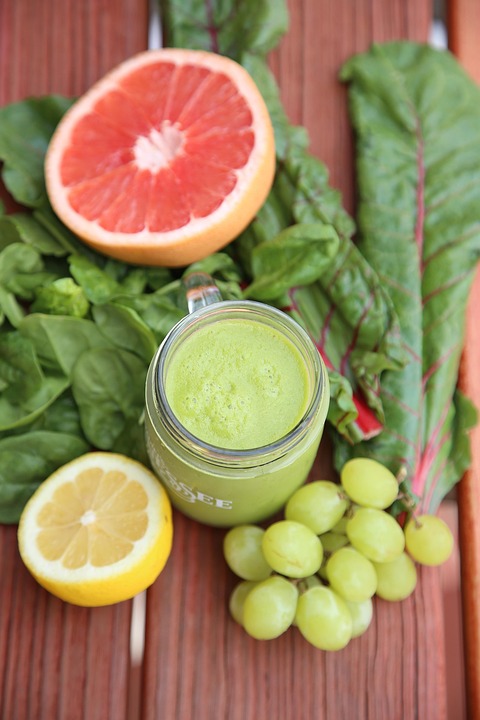
  • Colorful Fruits and Vegetables: Aim to fill half your plate with produce at most meals. Different colors represent different phytonutrients that support immune function and reduce inflammation.
  • Quality Proteins: Incorporate lean meats, fish, eggs, legumes, and plant-based proteins to support muscle maintenance and repair.
  • Complex Carbohydrates: Choose whole grains like quinoa, brown rice, oats, and whole-wheat options for sustained energy and digestive health.
  • Healthy Fats: Include sources like avocados, olive oil, nuts, and seeds to support brain health and hormone regulation.

Hydration is Key

Water makes up roughly 60% of the adult human body. Staying properly hydrated supports digestion, nutrient absorption, skin health, and cognitive function. Carry a reusable water bottle with you throughout the day, and flavor your water with lemon, cucumber, or mint if you find plain water unappealing.


Pillar 2: Moving Your Body with Joy and Consistency

Exercise is a non-negotiable component of a healthy lifestyle, but it should never feel like a punishment. The best workout is the one you actually enjoy and can maintain consistently.

The Power of Daily Movement

Structured exercise—like running, lifting weights, or attending a fitness class—is fantastic. However, “non-exercise activity thermogenesis” (NEAT) is just as important. NEAT includes everyday movements like walking, gardening, cleaning, and taking the stairs.

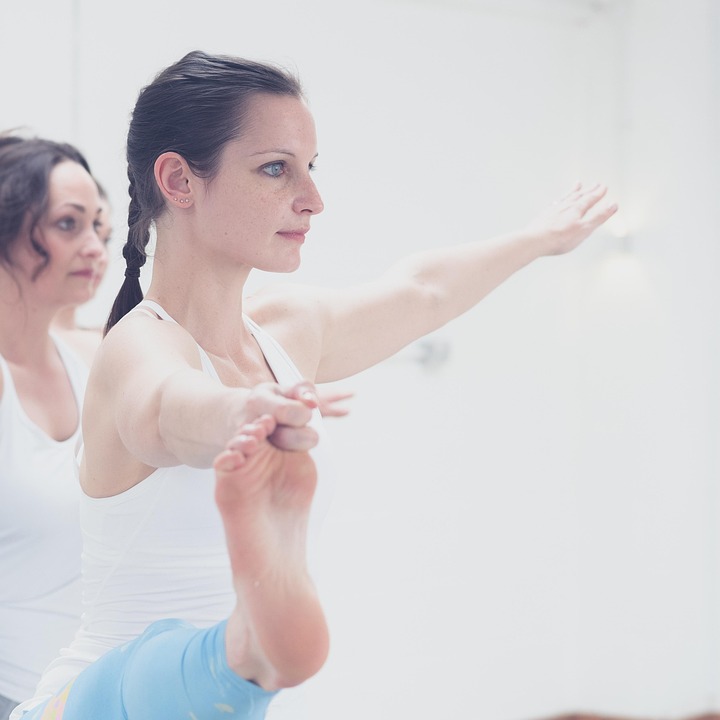
  • Find Your Activity: Whether it is dancing, swimming, cycling, or yoga, choose movements that bring you joy.
  • Aim for Consistency: The World Health Organization recommends at least 150 minutes of moderate-intensity aerobic physical activity per week, alongside muscle-strengthening activities on two or more days.
  • Prioritize Mobility: Incorporate stretching or yoga into your weekly routine to maintain joint health, improve posture, and prevent injury.


Pillar 3: The Forgotten Pillar – Quality Sleep

You can eat the cleanest diet and exercise daily, but if you are chronically sleep-deprived, your health will suffer. Sleep is the time when your body repairs tissues, consolidates memories, and clears out metabolic waste from the brain.

Tips for Better Sleep Hygiene

Creating a restorative sleep routine is vital for maintaining a healthy lifestyle. Try incorporating these habits into your evening:

  • Consistent Schedule: Go to bed and wake up at the same time every day, even on weekends.
  • Digital Sunset: Turn off screens, phones, and tablets at least 60 minutes before bed. The blue light emitted by devices can interfere with your natural melatonin production.
  • Cool and Dark Environment: Keep your bedroom cool, dark, and quiet to encourage deep sleep cycles.
  • Limit Caffeine and Alcohol: Avoid caffeine in the afternoon and evening, and remember that while alcohol might make you drowsy, it disrupts deep and REM sleep later in the night.


Pillar 4: Cultivating Mental and Emotional Resilience

Mental health is just as important as physical health. Stress, anxiety, and emotional burnout can manifest physically, impacting your immune system, digestion, and heart health.

Managing Stress Effectively

While you cannot eliminate stress entirely, you can change how your body and mind respond to it.

  • Mindfulness and Meditation: Spending just 5 to 10 minutes a day focusing on your breath can lower cortisol levels and calm your nervous system.
  • Social Connections: Nurture meaningful relationships with friends and family. Strong social ties are consistently linked to greater longevity and happiness.
  • Set Boundaries: Learn to say no to commitments that drain your energy, creating space for rest and self-care.


How to Make Sustainable Changes That Stick

The secret to a long-lasting healthy lifestyle is avoiding the trap of all-or-nothing thinking. Here is how to build habits that endure:

  1. Start Micro: Instead of deciding to work out for an hour every day, commit to a 10-minute daily walk. Make the habit so small that it is impossible to fail.
  2. Habit Stacking: Attach a new habit to an existing one. For example, “While my morning coffee is brewing, I will do two minutes of deep breathing.”
  3. Focus on How You Feel: Shift your motivation from superficial goals (like changing your appearance) to how a habit makes you feel (like having more energy, better mood, or less joint stiffness).
  4. Forgive Slip-Ups: Missing a workout or eating a treat does not ruin your progress. A healthy lifestyle is built on the overall pattern of your choices, not perfection.


Key Takeaways

  • Balance Over Perfection: A healthy lifestyle is built on sustainable, everyday habits rather than extreme restrictions.
  • Nourish Intentionally: Focus on whole foods, adequate protein, and proper hydration to fuel your body.
  • Move Regularly: Find physical activities you genuinely enjoy and incorporate movement throughout your entire day.
  • Protect Your Sleep: Prioritize 7 to 9 hours of quality sleep to allow your body and mind to repair and recharge.
  • Nurture Mental Health: Manage stress through mindfulness, strong social connections, and healthy personal boundaries.


Frequently Asked Questions (FAQs)

1. What is the most important part of a healthy lifestyle?

No single component stands alone; rather, a healthy lifestyle requires a balance of nutrition, movement, sleep, and mental well-being. However, many wellness experts view quality sleep and balanced nutrition as foundational starting points because they directly influence your energy levels and ability to maintain other healthy habits.

2. How can I start living healthier if I have a very busy schedule?

Begin with micro-habits. You do not need hours of free time to improve your well-being. Focus on small, high-impact changes, such as drinking a glass of water first thing in the morning, taking a 15-minute walk during your lunch break, or setting a firm bedtime to ensure adequate rest.

3. Do I need to cut out my favorite foods to be healthy?

Not at all. A sustainable healthy lifestyle embraces the “80/20 rule.” Eating nutrient-dense whole foods 80% of the time allows flexibility for your favorite treats 20% of the time. Deprivation often leads to binge eating, whereas moderation fosters a healthy relationship with food.

4. How much water should I drink every day?

While the classic “eight glasses a day” is a helpful general guideline, individual water needs vary based on body size, activity level, climate, and overall health. A good indicator of proper hydration is pale-colored urine and feeling generally energized without excessive thirst.

5. How long does it take to form a new healthy habit?

Research shows that it takes anywhere from 18 days to 254 days to form a new habit, with an average of about 66 days, depending on the complexity of the behavior and the individual. Be patient with yourself, focus on consistency, and celebrate small milestones along your wellness journey.


Related Posts

healthy habits
August 25, 2026
The 2-Minute Rule: How to Build Healthy Habits Without the Overwhelm

In today’s fast-paced world, the pursuit of better health often feels overwhelming. Everywhere you look, there is a new superfood to buy, an extreme workout routine to follow, or a strict wellness trend promising overnight transformations. But true well-being does not come from drastic, short-term measures. Instead, lasting vitality is built on the foundation of consistent, everyday healthy habits. At The Health Care, we believe that taking care of your body and mind should be approachable, realistic, and enjoyable. You do not need to overhaul your entire life by tomorrow morning. By making small, intentional adjustments to your daily routine, you can create positive changes that accumulate over time, supporting both your physical and mental health. Let’s explore how you can cultivate sustainable healthy habits to help you feel your best every single day. What Are Healthy Habits and Why Do They Matter? Healthy habits are regular behaviors that positively impact your physical, mental, and emotional well-being. Unlike rigid rules, habits are actions that become second nature through repetition. When you practice healthy habits consistently, you reduce your risk of developing chronic conditions, boost your energy levels, and improve your mood. More importantly, habits remove the need for constant decision-making. Once a behavior becomes routine, you do it without overthinking, making it much easier to maintain over the long run. Pillar 1: Nourishing Your Body with Intentional Nutrition Food is fuel. What you put on your plate directly influences your energy, cognitive function, and long-term health. However, healthy eating does …

wellness
August 25, 2026
Best for practical, step-by-step wellness content.

In today’s fast-paced world, the definition of health has shifted dramatically. Decades ago, being healthy simply meant not being sick. Today, we understand that true vitality encompasses much more than the absence of disease. It involves a dynamic, daily pursuit of balance across your physical body, mental state, and emotional landscape. Welcome to the modern approach to wellness. Whether you are looking to revitalize your daily routine, manage everyday stress, or build habits that support long-term vitality, understanding the core pillars of wellness is the first step. At The Health Care, we believe that sustainable health is built on small, consistent choices rather than extreme overhauls. Let’s explore what it truly means to live a balanced life and how you can cultivate everyday wellness starting today. What is Wellness, Anyway? Before diving into daily habits, it helps to define the concept. The World Health Organization defines health as a state of complete physical, mental, and social well-being. Wellness, on the other hand, is the active process of making choices toward a healthy and fulfilling existence. Unlike a static destination, wellness is an ongoing journey. It requires self-awareness, adaptability, and a willingness to listen to your body. When you focus on holistic wellness, you address multiple interconnected dimensions of your life: Physical: Movement, nutrition, sleep, and medical care. Mental: Stress management, lifelong learning, and emotional regulation. Social: Healthy relationships, community connection, and support systems. Environmental: Creating safe, clean, and inspiring living and working spaces. Neglecting one area often impacts the others. …

daily health tips
August 25, 2026
7 Simple Habits That Will Transform Your Health This Week

In a fast-paced world filled with endless notifications, work deadlines, and busy schedules, taking care of yourself often falls to the bottom of the to-do list. Many people believe that improving personal well-being requires a massive lifestyle overhaul—joining an expensive gym, following a restrictive diet, or waking up at 4:00 AM. Fortunately, sustainable wellness is built on small, consistent choices rather than drastic changes. Incorporating realistic daily health tips into your routine can transform how you feel physically and mentally over time. Welcome to The Health Care. In this guide, we explore practical, evidence-based daily health tips designed to help you build a balanced, vibrant lifestyle without feeling overwhelmed. Why Small Habits Matter More Than Quick Fixes When it comes to personal well-being, consistency always beats intensity. Trying to change everything at once often leads to burnout. By focusing on micro-habits—small, manageable actions integrated into your day—you create lasting behavioral changes. Establishing a routine centered around simple daily health tips helps regulate your sleep, support your immune system, boost your mood, and sustain your energy levels throughout the day. Let’s break down these foundational habits into actionable categories. Nutrition and Hydration: Fueling Your Body Right What you put into your body acts as the building blocks for your energy, immunity, and overall longevity. You do not need a complicated meal plan to nourish your body properly. 1. Prioritize Whole, Nutrient-Dense Foods Aim to fill your plate with a colorful variety of whole foods. Fruits, vegetables, lean proteins, whole grains, and …

preventive health
August 25, 2026
An Ounce of Prevention: Small Habits That Keep the Doctor Away

In today’s fast-paced world, it is easy to wait until something feels wrong before paying attention to our bodies. Many of us treat healthcare like car repair: we only visit the mechanic when the engine light turns on. However, modern wellness philosophy is shifting rapidly toward a more proactive approach. Instead of simply treating diseases after they develop, the goal today is to stop them before they start. Welcome to the core of preventive health. By focusing on early detection, healthy daily habits, and regular medical screenings, you can take control of your future well-being. At The Health Care, we believe that understanding and implementing preventive care is the single most powerful step you can take toward living a vibrant, active life. What Is Preventive Health? Preventive health refers to the measures taken to prevent diseases—or injuries—rather than curing them or treating their symptoms. It encompasses everything from routine doctor visits and vaccinations to the lifestyle choices you make every single day. Think of your body as a garden. Waiting until weeds choke your plants to act is much harder than regularly watering, weeding, and nurturing the soil. Preventive medicine acts as the daily care that keeps your garden thriving. The Two Main Categories of Prevention Medical professionals typically divide preventive efforts into two primary categories: Primary Prevention: Actions taken to prevent a disease from ever occurring. This includes eating a nutritious diet, exercising regularly, getting vaccinated, and avoiding tobacco. Secondary Prevention: Actions aimed at early detection and prompt treatment …

wellness tips
August 25, 2026
7 Daily Habits of People Who Never Seem Stressed

In today’s fast-paced world, the pursuit of optimal health can often feel like an overwhelming puzzle. Between conflicting dietary advice, complex fitness trends, and the endless demands of daily life, it is easy to burn out before you even begin. However, achieving sustainable well-being does not require a complete lifestyle overhaul overnight. In fact, lasting health is built upon small, consistent, and science-backed daily habits. Welcome to The Health Care, your trusted resource for practical health education. In this guide, we explore actionable wellness tips designed to help you nurture your physical body, support your mental clarity, and build a balanced lifestyle. Whether you are looking to revitalize your daily routine or simply seeking fresh inspiration for your self-care journey, these foundational strategies will help you thrive. What Does True Wellness Mean? Before diving into specific strategies, it is helpful to define what wellness actually is. True well-being goes beyond the mere absence of illness. It is an active, ongoing process of making choices toward a healthy and fulfilling existence. Physical health is only one piece of the puzzle. Mental, emotional, and social factors all play a critical role in how you feel each day. By implementing simple wellness tips across multiple areas of your life, you can create a synergistic effect that promotes long-term vitality. 1. Prioritize Quality Sleep Hygiene Sleep is not a luxury; it is a biological necessity. During deep sleep, your body repairs tissues, consolidates memories, and regulates vital hormones. Chronic sleep deprivation, on the other …

healthy living
August 25, 2026
Small Changes, Big Results: 7 Habits of Genuinely Healthy People

In today’s fast-paced world, the concept of wellness often gets buried under a mountain of conflicting advice. From extreme detox diets to exhausting workout regimes promising overnight transformations, the wellness industry can feel overwhelming. But true well-being is not about perfection or rigid rules. Instead, healthy living is about building sustainable, everyday habits that nurture your mind, body, and spirit over the long haul. Welcome to The Health Care. Whether you are just beginning your wellness journey or looking to refine your current routine, this guide is designed to cut through the noise. Here, we explore evidence-based, practical steps to help you embrace healthy living without stress, burnout, or unrealistic expectations. What Does Healthy Living Really Mean? At its core, healthy living is a proactive approach to life that empowers you to make choices leading to optimal physical, mental, and emotional health. It is not merely the absence of disease; rather, it is a dynamic state of vitality. When we talk about healthy living, we are looking at the big picture. It encompasses how you fuel your body, how you move, how you manage stress, and how you connect with the world around you. By focusing on small, consistent changes rather than drastic overhauls, you can create a lifestyle that feels good and lasts a lifetime. Pillar 1: Nourishing Your Body Mindfully Nutrition is often the first thing that comes to mind when discussing healthy living, but it doesn't have to be complicated. The goal is to nourish your body …