


SEO Meta Description: Learn about fructose malabsorption, how the digestive system handles fruit sugars, recognizing symptom patterns, and maintaining a balanced, nutritious diet. The morning bowl of sliced stone fruit, the drizzle of honey in afternoon tea, or the quick gulp of a flavored sparkling water—for most people, these everyday choices are refreshing and energizing. However, for individuals navigating digestive unpredictability, sweet and fruity foods can sometimes trigger a cascade of uncomfortable physical reactions. When bloating, abdominal cramping, and sudden changes in bowel habits consistently follow a healthy salad dressed with fruit-infused vinegar or a handful of fresh cherries, it prompts a closer look at how the body processes specific carbohydrates. Rather than pointing immediately to a general "food sensitivity," digestive wellness experts often examine a specific mechanism of sugar breakdown known as fructose malabsorption. Understanding how the small intestine processes dietary sugars helps demystify these physical reactions and points the way toward sensible, balanced management strategies that do not require giving up healthy eating entirely. Understanding Fructose Handling in the Digestive Tract Fructose is a simple sugar naturally found in fruits, berries, honey, and some root vegetables, as well as in manufactured sweeteners like high-fructose corn syrup. Under normal physiological conditions, specialized transport proteins in the lining of the small intestine absorb fructose molecules, passing them into the bloodstream where they can be utilized for energy. In cases of fructose malabsorption, however, these transport mechanisms operate less efficiently. When a person consumes more fructose than their small intestinal transporters …
SEO Meta Description: Learn about fructose malabsorption, how the digestive system handles fruit sugars, recognizing symptom patterns, and maintaining a balanced, nutritious diet.
The morning bowl of sliced stone fruit, the drizzle of honey in afternoon tea, or the quick gulp of a flavored sparkling water—for most people, these everyday choices are refreshing and energizing. However, for individuals navigating digestive unpredictability, sweet and fruity foods can sometimes trigger a cascade of uncomfortable physical reactions.
When bloating, abdominal cramping, and sudden changes in bowel habits consistently follow a healthy salad dressed with fruit-infused vinegar or a handful of fresh cherries, it prompts a closer look at how the body processes specific carbohydrates. Rather than pointing immediately to a general “food sensitivity,” digestive wellness experts often examine a specific mechanism of sugar breakdown known as fructose malabsorption.
Understanding how the small intestine processes dietary sugars helps demystify these physical reactions and points the way toward sensible, balanced management strategies that do not require giving up healthy eating entirely.
Understanding Fructose Handling in the Digestive Tract
Fructose is a simple sugar naturally found in fruits, berries, honey, and some root vegetables, as well as in manufactured sweeteners like high-fructose corn syrup. Under normal physiological conditions, specialized transport proteins in the lining of the small intestine absorb fructose molecules, passing them into the bloodstream where they can be utilized for energy.
In cases of fructose malabsorption, however, these transport mechanisms operate less efficiently. When a person consumes more fructose than their small intestinal transporters can comfortably process at one time, the excess sugar molecules continue traveling further down the digestive tract into the large intestine.
Once unabsorbed fructose reaches the colon, resident bacteria ferment the sugar. This natural microbial fermentation process produces hydrogen and methane gases, along with short-chain fatty acids. The rapid production of gas, combined with osmotic shifts that draw water into the bowel lumen, creates the characteristic physical sensations associated with the condition.
The Role of Glucose in Fructose Absorption
An interesting biochemical nuance of human digestion is that fructose absorption is significantly enhanced in the presence of glucose.
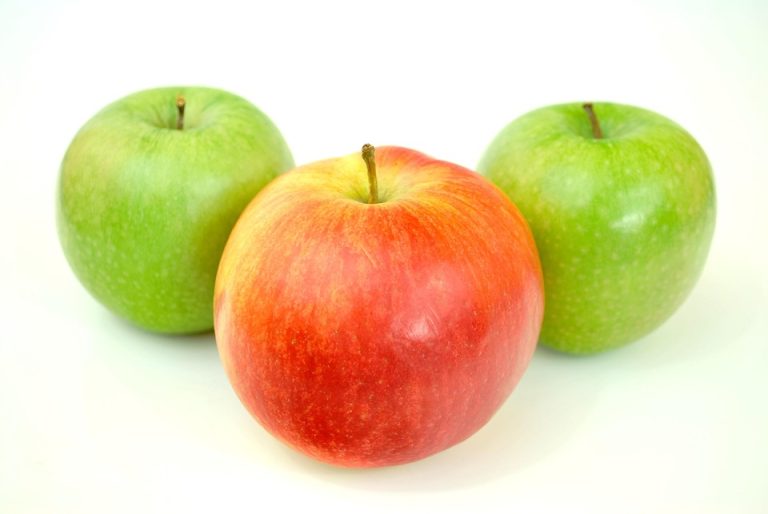
When foods contain a balanced or higher ratio of glucose to fructose—such as table sugar (sucrose) or certain fruits like bananas and blueberries—the glucose helps escort the fructose across the intestinal barrier more effectively. Conversely, foods where fructose outnumbers glucose, such as apples, pears, and pure agave nectar, are much more likely to provoke symptoms when eaten in large quantities.
Recognizing Common Symptom Patterns
Digestive responses to unabsorbed fructose can vary widely from person to person. Because the physiological process relies on fermentation in the large intestine, the physical signs usually emerge anywhere from a few hours to a day after consuming triggering foods.
Frequently reported experiences include:
- Abdominal Bloating and Distension: A noticeable feeling of tightness or fullness in the stomach area caused by gas production.
- Cramping and Discomfort: Mild to moderate lower abdominal discomfort as the bowel stretches and reacts to increased gas and fluid.
- Excessive Gas and Flatulence: An increase in intestinal gas resulting from bacterial fermentation.
- Altered Bowel Habits: Ranging from loose stools and urgency to periods of sluggish digestion, depending on individual gut motility and sensitivity.
Differentiating Reactions: Allergy, Intolerance, and Sensitivity
It is helpful to separate how the body reacts to foods into distinct categories. Fructose malabsorption is classified as a metabolic or digestive intolerance, meaning it stems from a limitation in how the body processes a specific chemical substance rather than an immune system reaction.
- Food Allergies involve the immune system producing antibodies (such as IgE) in response to a specific protein, potentially leading to rapid and severe reactions like hives, swelling, or respiratory distress.
- Food Intolerances and Sensitivities—such as fructose malabsorption or lactose intolerance—do not involve the immune system. They occur within the gastrointestinal tract due to enzymatic or transport limitations.
Because persistent digestive symptoms can stem from many different origins—ranging from standard dietary habits to underlying gastrointestinal conditions like celiac disease or inflammatory bowel disease—experiencing discomfort does not automatically confirm a specific sugar intolerance. Persistent or worsening symptoms always warrant a professional evaluation by a healthcare provider or gastroenterologist.
Practical Food Choices and Balancing the Diet
Managing fructose malabsorption is rarely about eliminating all sweet or fruity foods permanently. Instead, it involves understanding portion sizes, recognizing ingredient profiles, and learning which combinations the digestive system handles comfortably.
Fructose-Forward Foods vs. More Tolerable Options
Individual tolerance thresholds vary considerably. What triggers symptoms in one person may be easily digested by another. However, general patterns among common foods include:
- Higher Fructose Content (Often Moderated Initially): Apples, pears, watermelons, cherries, mangoes, dried fruits (figs, raisins, dates), honey, agave nectar, and high-fructose corn syrup.
- Lower Fructose Content (Typically Better Tolerated): Bananas (especially slightly firm ones), strawberries, raspberries, blueberries, citrus fruits (lemons, limes, oranges), cantaloupe, and standard table sugar (in reasonable portions).
Maintaining Nutritional Variety
An overly restrictive diet can lead to nutritional deficiencies and unnecessary mealtime stress. Maintaining dietary variety is vital for overall health and supports a diverse, thriving gut microbiome.
- Spread Out Portions: Rather than eating a large bowl of fruit in one sitting, smaller servings distributed throughout the day are often handled much more easily by intestinal transport proteins.
- Pair Foods Wisely: Combining fruits with proteins or healthy fats, or eating them alongside a meal containing glucose, can sometimes assist with overall digestive comfort.
- Stay Hydrated: Adequate water intake supports normal bowel motility and helps the digestive system process fiber and nutrients smoothly.
Investigating Triggers Sensibly
When trying to identify whether fructose or another dietary component contributes to digestive discomfort, a methodical and balanced approach works best.
Rather than jumping to restrictive elimination diets that cut out entire food groups without guidance, consider these steps:
- Keep a Food and Symptom Diary: Track what you eat, portion sizes, and the timing and nature of any symptoms for a week or two. This helps reveal actual patterns rather than relying on guesswork.
- Examine Ingredient Labels: Look beyond fresh produce to packaged foods, beverages, and condiments where high-fructose corn syrup, fruit concentrates, or honey may be added.
- Consult a Professional: A registered dietitian or physician can help design a structured, temporary dietary adjustment if needed, ensuring you maintain balanced nutrition and accurate symptom interpretation.
Conclusion
Navigating fructose malabsorption requires listening to your body’s unique digestive signals without resorting to extreme or unnecessary dietary restrictions. By understanding how the small intestine processes natural sugars, recognizing the difference between immune responses and digestive intolerances, and making informed choices regarding portion sizes and food combinations, you can enjoy a varied, satisfying, and nourishing diet while maintaining long-term digestive wellness.
Frequently Asked Questions
Can fructose malabsorption improve over time?
For many people, tolerance levels can fluctuate. Working with a healthcare professional or dietitian to temporarily manage intake often helps calm an irritated digestive tract, after which small amounts of previously restricted foods can often be gradually reintroduced.
Is high-fructose corn syrup the same thing as natural fruit sugar?
Chemically, both contain fructose and glucose. However, high-fructose corn syrup is often manufactured with a higher proportion of free fructose relative to glucose, which can sometimes make it harder for the intestinal tract to absorb efficiently compared to naturally balanced foods.
Does fructose malabsorption mean I must give up all fruit?
No. Most people with fructose malabsorption do not need to eliminate fruit entirely. Many fruits have favorable ratios of glucose to fructose or lower overall fructose loads and can be enjoyed comfortably in modest portions.
How do healthcare professionals evaluate fructose malabsorption?
Clinicians often look closely at a detailed dietary and symptom history. In some clinical settings, a hydrogen breath test may be used to measure expired breath gases after consuming a specific fructose solution, helping assess how completely the sugar was absorbed.
Are artificial sweeteners safe if I have fructose malabsorption?
Most non-nutritive artificial sweeteners (such as sucralose or aspartame) are chemically distinct from fructose and do not rely on the same intestinal transporters. However, some sugar alcohols (like sorbitol and mannitol) can also cause digestive discomfort and are often evaluated alongside fructose.