

When most people hear the word "genetics," they picture complicated laboratory equipment, double-helix models spinning on computer screens, or complex medical charts filled with unpronounceable terminology. But at its core, genetics is simply the biological instruction manual that makes you you. Understanding how your genes work doesn't require a degree in molecular biology. By breaking down the basics of inheritance, variation, and gene-environment interactions, you can gain a much clearer picture of how your biological blueprint influences your day-to-day wellness, longevity, and health risks. Let’s pull back the curtain on the microscopic world inside your cells and explore what your DNA actually does for your health. The Master Blueprint: What Are Genes and DNA? To understand how genetics impacts your health, it helps to start at the very beginning: the cell. Inside almost every single one of the trillion cells in your body is a nucleus, and inside that nucleus lies your DNA (deoxyribonucleic acid). Think of your DNA as a massive, multi-volume recipe book. Every cell in your body has access to the exact same library of recipes, but different cells only read the recipes they need. For example, a skin cell reads the instructions for making skin proteins, while a muscle cell focuses on contraction proteins. The Anatomy of Heredity DNA: The chemical code made up of four building blocks (adenine, thymine, cytosine, and guanine)—often abbreviated as A, T, C, and G. The unique sequence of these letters spells out instructions. Genes: Specific segments of DNA that serve …
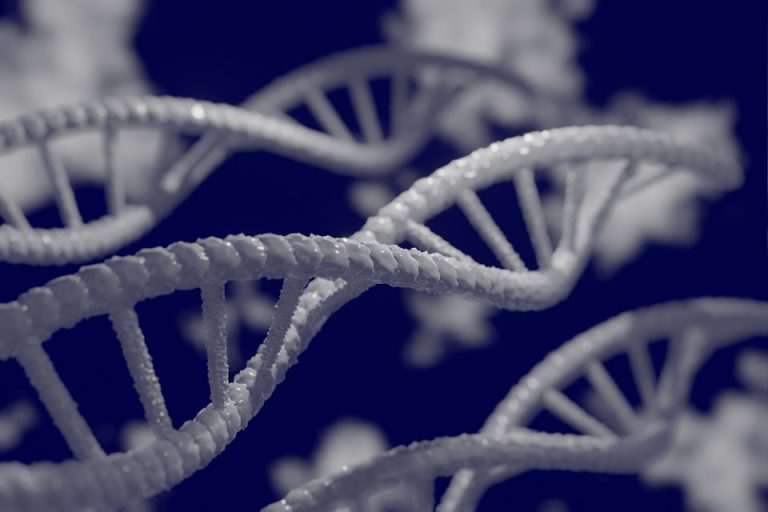
When most people hear the word “genetics,” they picture complicated laboratory equipment, double-helix models spinning on computer screens, or complex medical charts filled with unpronounceable terminology. But at its core, genetics is simply the biological instruction manual that makes you you.
Understanding how your genes work doesn’t require a degree in molecular biology. By breaking down the basics of inheritance, variation, and gene-environment interactions, you can gain a much clearer picture of how your biological blueprint influences your day-to-day wellness, longevity, and health risks.
Let’s pull back the curtain on the microscopic world inside your cells and explore what your DNA actually does for your health.
The Master Blueprint: What Are Genes and DNA?
To understand how genetics impacts your health, it helps to start at the very beginning: the cell. Inside almost every single one of the trillion cells in your body is a nucleus, and inside that nucleus lies your DNA (deoxyribonucleic acid).
Think of your DNA as a massive, multi-volume recipe book. Every cell in your body has access to the exact same library of recipes, but different cells only read the recipes they need. For example, a skin cell reads the instructions for making skin proteins, while a muscle cell focuses on contraction proteins.
The Anatomy of Heredity
- DNA: The chemical code made up of four building blocks (adenine, thymine, cytosine, and guanine)—often abbreviated as A, T, C, and G. The unique sequence of these letters spells out instructions.
- Genes: Specific segments of DNA that serve as functional units. If DNA is the entire recipe book, a gene is an individual recipe for a specific product, usually a protein.
- Chromosomes: The physical structures where your DNA is packaged. Humans typically have 23 pairs of chromosomes (46 in total), inheriting one set of 23 from each biological parent.
These proteins manufactured by your genes do the heavy lifting of keeping you alive. They build tissues, regulate hormones, transport oxygen through your bloodstream, and defend your body against foreign invaders. When a gene contains a variation, the resulting protein might function a bit differently—and this is where health, traits, and susceptibilities come into play.
Inherited Traits: Why You Look (and Run) Like Your Family
Have you ever wondered why you might have your mother’s eye color, your grandfather’s hairline, or a stubborn predisposition to seasonal allergies similar to your siblings? The answer lies in how genetic information is passed down through generations.
The Mechanics of Inheritance
You are a genetic mosaic of your parents. When reproduction occurs, biological parents each contribute half of their chromosome pairs to their offspring. This means you receive a random 50% of your genetic material from your mother and 50% from your father.
However, “random” is the operative word here. Siblings do not receive the exact same mix of genetic material (unless they are identical twins). This biological lottery explains why brothers and sisters can look so different or have completely different health profiles despite sharing the same household and parents.
Dominant vs. Recessive Traits
Not all genes express themselves with equal force. Geneticists categorize traits using several patterns of inheritance:
- Dominant Traits: It only takes one copy of a gene variant (inherited from just one parent) for the trait or condition to appear.
- Recessive Traits: Requires two copies of the gene variant—one from each parent—for the trait or condition to manifest. If a person inherits only one copy, they are typically considered a “carrier” without experiencing symptoms themselves.
Beyond the Blueprint: The Dance Between Genes and Environment
One of the most persistent myths in human health is the idea of genetic determinism—the fatalistic belief that “your genes are your destiny.”
In reality, very few health conditions are dictated solely by your DNA. Conditions caused by a mutation in a single gene (such as Huntington’s disease or cystic fibrosis) do exist, but the vast majority of everyday health outcomes—like heart health, metabolism, and mental well-being—are multifactorial. This means they are influenced by a complex interplay between multiple genes and your lifestyle.
[ Genetic Predisposition ] + [ Lifestyle & Environment ] = [ Health Outcome ]
An Everyday Analogy: The Seed and the Soil
Imagine your genetic makeup is a packet of heirloom tomato seeds. These seeds carry the inherent potential to grow tall, produce fruit, and resist certain diseases. However, whether that plant actually thrives depends entirely on its environment:
- Does it get enough water?
- Is the soil rich in nutrients?
- Does it receive adequate sunlight?
- Is it protected from pests?
Even the highest-quality seed will wither in poor soil with no water. Conversely, a less-than-perfect seed can often yield a decent harvest if it is meticulously cared for in an optimal environment.
In human terms, your lifestyle choices—such as nutrition, physical activity, sleep quality, stress management, and exposure to toxins—act as the soil and water. You cannot change the genetic seeds you were born with, but you have immense control over the environment in which they grow.
Family Health History: Your Most Accessible Genetic Tool
Before ordering a consumer DNA kit or speaking with a genetic counselor, you already possess a powerful, cost-free genetic screening tool: your family health history.
Because you share a significant percentage of your DNA with your blood relatives, patterns of health and illness within a family tree often point directly to shared genetic vulnerabilities.
What to Look For
When mapping out your family health history, try to gather information spanning at least three generations (grandparents, parents, aunts/uncles, siblings, and children). Pay close attention to:
- Age of onset: Did a relative develop heart disease or cancer at a very young age (e.g., under 50)? Early-onset conditions often have a stronger genetic component than those appearing later in life.
- Recurring patterns: Do multiple family members suffer from conditions like type 2 diabetes, high blood pressure, or autoimmune disorders?
- Rare conditions: Note any uncommon disorders or unusual combinations of health issues.
Sharing this information with your primary care provider allows them to tailor preventative screening schedules specifically to your familial risk profile, helping you catch potential health issues long before symptoms arise.
Practical Takeaways: Making Your Genetics Work for You
Knowing that your DNA isn’t an unbreakable prison sentence should be empowering. Here are a few actionable ways to apply basic genetic literacy to your everyday health routine:
- Focus on Modifiable Risk Factors: If heart disease runs in your family, you cannot change your baseline genetic risk. However, you can focus heavily on the factors you control: eating a heart-healthy diet, engaging in regular cardiovascular exercise, managing stress, and avoiding tobacco.
- Document Your Family Tree: Sit down with older relatives during family gatherings to record medical histories. Keep this information updated and share it during your annual physical exams.
- Be Critical of Direct-to-Consumer Genetic Tests: At-home DNA kits can provide fascinating insights into ancestry and wellness trends, but they rarely tell the whole story. Always consult a qualified healthcare professional or genetic counselor before making major medical decisions based on commercial test results.
- Prioritize Proactive Healthcare: Use your genetic predispositions as motivation to stay ahead of routine screenings. If your family history suggests a susceptibility to certain conditions, work with your doctor to establish an aggressive, proactive prevention timeline.
Conclusion
Genetics is not a crystal ball that predicts your exact future; rather, it is a detailed weather map. It shows you where storms are more likely to form so you can pack an umbrella, batten down the hatches, or adjust your travel plans accordingly.
By understanding the basics of how DNA works, recognizing the profound impact of gene-environment interactions, and honoring the insights hidden within your family health history, you can take a more active, informed role in steering your long-term wellness.
Frequently Asked Questions
Can I change my genes if I eat right and exercise?
No, your underlying DNA sequence (the nucleotide letters you inherited at birth) remains constant throughout your life. However, lifestyle factors can influence epigenetics—chemical tags attached to your DNA that control whether specific genes are turned “on” or “off.” So while you can’t rewrite your genetic code, you can significantly influence how your body expresses those genes.
If both of my parents have a certain health condition, does that mean I will definitely develop it?
Not necessarily. While having both parents affected by a hereditary condition increases your risk, many conditions depend heavily on environmental triggers and lifestyle factors. Furthermore, inheritance patterns vary widely. A conversation with your doctor or a genetic counselor can help you assess your specific individual risk.
Are genetic tests at home accurate for diagnosing medical conditions?
Direct-to-consumer genetic tests are generally accurate at reading specific markers in your DNA sample, but they are typically designed for wellness insights, ancestry, or carrier screening rather than definitive medical diagnoses. Many commercial tests only look at a fraction of the variants associated with a given condition. Always verify consumer test results with a medical professional.
What is the difference between a geneticist and a genetic counselor?
A geneticist is a medical doctor or PhD researcher who studies, diagnoses, and treats complex genetic disorders at a clinical or molecular level. A genetic counselor is a specialized healthcare professional who helps patients interpret family health histories, assesses risk for inherited conditions, and guides individuals through the emotional and practical implications of genetic testing.