

When most people hear the word "genetics," they picture complicated laboratory equipment, double-helix diagrams spinning on computer screens, or high-tech medical dramas. It feels like an abstract science reserved for scientists in white coats. Yet, genetics is happening inside you right this very second. Every breath you take, every heartbeat, and every time your immune system fights off a stray cold, your genes are directing the show. Understanding how your unique genetic code influences your daily health doesn't require a Ph.D. in molecular biology. By exploring the fundamental concepts of genetic variation and how our DNA interacts with the world around us, we can unlock a more personalized approach to wellness. Let's pull back the curtain on the human genome and look at how your biological blueprint impacts your everyday life. The Master Library: Understanding Your Genome Imagine your body as a massive, sprawling metropolis. In this city, there is a central library containing thousands of instruction manuals. These manuals tell the city’s workers how to build skyscrapers, pave roads, manage waste, and keep the power grid running smoothly. In biological terms, your genome is that master library. The Books (Chromosomes): Your library is divided into 23 pairs of books, known as chromosomes. You inherit one set of books from your biological mother and the other set from your biological father. The Chapters (Genes): Each book is broken down into chapters called genes. There are roughly 20,000 to 25,000 genes in the human body. Each gene serves as a specific …
When most people hear the word “genetics,” they picture complicated laboratory equipment, double-helix diagrams spinning on computer screens, or high-tech medical dramas. It feels like an abstract science reserved for scientists in white coats. Yet, genetics is happening inside you right this very second. Every breath you take, every heartbeat, and every time your immune system fights off a stray cold, your genes are directing the show.
Understanding how your unique genetic code influences your daily health doesn’t require a Ph.D. in molecular biology. By exploring the fundamental concepts of genetic variation and how our DNA interacts with the world around us, we can unlock a more personalized approach to wellness. Let’s pull back the curtain on the human genome and look at how your biological blueprint impacts your everyday life.
The Master Library: Understanding Your Genome
Imagine your body as a massive, sprawling metropolis. In this city, there is a central library containing thousands of instruction manuals. These manuals tell the city’s workers how to build skyscrapers, pave roads, manage waste, and keep the power grid running smoothly.
In biological terms, your genome is that master library.
- The Books (Chromosomes): Your library is divided into 23 pairs of books, known as chromosomes. You inherit one set of books from your biological mother and the other set from your biological father.
- The Chapters (Genes): Each book is broken down into chapters called genes. There are roughly 20,000 to 25,000 genes in the human body. Each gene serves as a specific recipe for making proteins—the workhorse molecules that build your tissues, regulate your hormones, and transport oxygen through your bloodstream.
- The Letters (DNA Sequence): Every gene is written using a four-letter chemical alphabet: Adenine (A), Thymine (T), Cytosine (C), and Guanine (G). The exact order, or sequence, of these letters dictates the instructions written in the recipe.
The Power of a Single Typo
What happens if a single letter in a recipe changes? Sometimes, nothing at all. Other times, it can completely alter the final product.
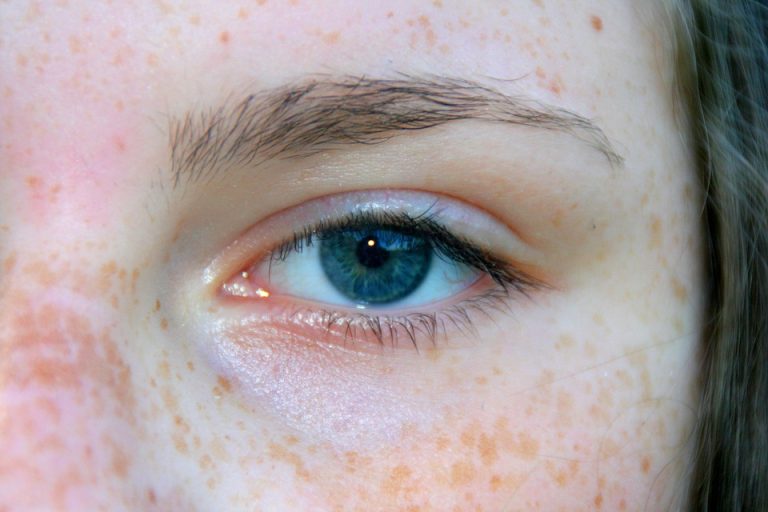
Think of a cookbook recipe for chocolate chip cookies. If the recipe accidentally says “add 2 cups of salt” instead of sugar, the final batch of cookies is ruined. Similarly, tiny alterations in your DNA sequence can change how a protein is built or how much of it is produced. These spelling variations are the foundation of what makes every human being on Earth uniquely different—from the color of your eyes to how efficiently your body metabolizes your morning coffee.
The Spice Rack Analogy: Genetic Variation vs. Genetic Destiny
One of the most persistent misconceptions in healthcare is the idea of “genetic destiny”—the fatalistic belief that if a certain trait or health condition runs in your family, you are automatically doomed to experience it.
To clear this up, let’s use the analogy of a master chef setting up a spice rack.
Your genetics provide you with a specific collection of spices. Some people are handed a rack heavily stocked with fiery chili powders and robust garlic; others receive a collection of sweet cinnamon and delicate herbs. These inherited spices represent your genetic variation. They give you natural predispositions, tendencies, and baseline flavors.
However, having a jar of fiery chili powder in your kitchen does not force you to eat a bowl of raw cayenne pepper. You still get to decide how you cook. You control the recipe, the heat of the stove, and what other ingredients you mix into the pot.
In scientific terms, your lifestyle choices, environment, diet, stress levels, and sleep habits represent the chef’s decisions. Genetic variation sets the baseline tendencies, but your daily habits determine how those genetic traits are ultimately expressed.
Nature Meets Nurture: The Dance of Gene-Environment Interaction
For decades, scientists debated the “Nature versus Nurture” question: Were humans shaped more by their biological inheritance (nature) or their upbringing and environment (nurture)? Today, modern genetics gives us a much more collaborative answer: It is a constant conversation between both.
This interplay is known as gene-environment interaction. Your genes do not operate in a vacuum; they respond dynamically to the signals they receive from your external environment.
How the Environment Modifies Gene Expression
You might be surprised to learn that your lifestyle can actually turn certain genes “on” or “off” without changing the underlying DNA sequence itself. This fascinating field of study is called epigenetics (meaning “above genetics”).
Consider the following everyday factors that influence how your genes behave:
- Nutrition: The foods you eat provide the biochemical building blocks your cells need to read and copy DNA accurately. Nutrient deficiencies can impair cellular repair mechanisms.
- Physical Activity: Regular exercise triggers molecular pathways that activate genes responsible for muscle repair, cardiovascular efficiency, and metabolic health.
- Stress and Sleep: Chronic psychological stress and sleep deprivation release hormones like cortisol, which can influence inflammatory gene pathways over time.
- Toxins and Sunlight: Exposure to ultraviolet light from the sun activates genes in your skin to produce melanin (tanning), while exposure to environmental pollutants can stress cellular defense systems.
By optimizing your daily environment and lifestyle choices, you can support your body’s natural resilience, working with your biological blueprint rather than against it.
Practical Takeaways: Translating Genetics Into Everyday Wellness
You don’t need a high-end commercial DNA test to start making health decisions grounded in modern genetic understanding. You can apply these principles right now:
- Map Your Family Health History: Your relatives share a significant portion of your genetic library. Sit down with older family members and document chronic conditions that appear across generations—such as heart disease, diabetes, or autoimmune disorders. Share this information proactively with your primary healthcare provider.
- Focus on Modifiable Factors: Remember the spice rack analogy. Even if your genetics suggest a higher predisposition toward a certain health challenge, focus aggressively on the things you can control: eating a nutrient-dense diet, managing stress, prioritizing restorative sleep, and staying physically active.
- Avoid One-Size-Fits-All Health Advice: Because genetic variations make us all unique, bodies respond differently to identical diets and exercise regimens. Pay attention to how your personal body responds to specific foods, sleep schedules, and workout intensities, and tailor your wellness routine accordingly.
- Consult Professionals Before Interpreting Genetic Tests: If you decide to explore direct-to-consumer genetic screening, remember that raw data is not a medical diagnosis. Always review complex genetic reports with a licensed physician or a certified genetic counselor.
Conclusion
Your DNA is not a rigid prison sentence; it is a dynamic, responsive instruction manual. While you cannot rewrite the biological letters you inherited from your ancestors, you have profound influence over how those instructions are interpreted every single day. By understanding the basics of genetic variation, embracing the power of healthy lifestyle choices, and respecting the dialogue between nature and nurture, you can take an empowered, proactive role in your lifelong well-being.
Frequently Asked Questions (FAQ)
1. Can my DNA change over time as I grow older?
Your core DNA sequence—the fundamental order of A, T, C, and G inherited at birth—generally remains stable throughout your life. However, your epigenome changes constantly. Chemical tags attach and detach from your DNA in response to aging, lifestyle habits, diet, and environmental exposures, altering which genes are actively expressed.
2. If a health condition runs in my family, will I definitely develop it?
Not necessarily. Many common health conditions are “multifactorial,” meaning they are influenced by a combination of multiple genes and environmental factors. Inheriting a genetic predisposition increases your relative risk, but it does not guarantee that you will develop the condition, especially if you maintain a supportive, healthy lifestyle.
3. What is the difference between a genetic trait and a genetic disorder?
A genetic trait is any characteristic determined by your DNA, ranging from harmless physical attributes (like freckles, earlobe attachment, or hitchhiker’s thumb) to biochemical tendencies (like how quickly your liver metabolizes caffeine). A genetic disorder, by contrast, is a specific medical condition caused by significant mutations or abnormalities in one or more genes.
4. Are direct-to-consumer DNA tests accurate for health screening?
Most commercial DNA testing kits use reliable laboratory techniques to analyze specific spelling variations (Single Nucleotide Polymorphisms, or SNPs) in your genome. However, these tests usually provide risk probabilities rather than definitive medical diagnoses. They should be used for educational and lifestyle insights rather than clinical decision-making, and results should always be discussed with a healthcare professional.