

When people talk about health, they often point fingers entirely at their DNA or entirely at their lifestyle. You might hear someone say, "Heart disease runs in my family, so it's just a matter of time," or conversely, "Eat clean and exercise enough, and your genetics don't matter." Modern genetics and health science tell a much more nuanced, empowering story. Your DNA is not a fixed, unyielding destiny. Instead, it operates more like a sophisticated set of architectural blueprints, while your environment, diet, stress levels, and daily habits act as the contractors deciding which rooms get built, which walls get painted, and how the building responds to weather over time. This fascinating intersection of biology and daily living is known as gene-environment interaction—the scientific study of how our genetic predispositions respond to the world around us. Understanding this dynamic transforms how we look at preventive healthcare. It shifts our mindset from helpless fatalism to proactive wellness, showing us that while we cannot rewrite our inherited code, we can significantly influence how that code expresses itself. The Master Blueprint: Understanding Genetic Predisposition To grasp how our genes and environment interact, we first need to look at what DNA actually does. Every cell in your body contains roughly 20,000 to 25,000 genes. These genes provide instructions for making proteins, which are the fundamental building blocks and functional units of life. However, having a gene for a specific trait or health condition does not mean that trait is guaranteed to manifest. The Analogy …
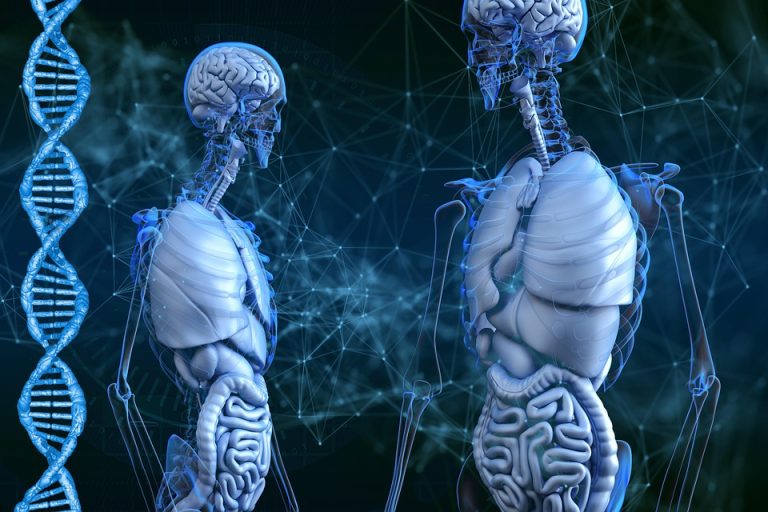
When people talk about health, they often point fingers entirely at their DNA or entirely at their lifestyle. You might hear someone say, “Heart disease runs in my family, so it’s just a matter of time,” or conversely, “Eat clean and exercise enough, and your genetics don’t matter.”
Modern genetics and health science tell a much more nuanced, empowering story. Your DNA is not a fixed, unyielding destiny. Instead, it operates more like a sophisticated set of architectural blueprints, while your environment, diet, stress levels, and daily habits act as the contractors deciding which rooms get built, which walls get painted, and how the building responds to weather over time.
This fascinating intersection of biology and daily living is known as gene-environment interaction—the scientific study of how our genetic predispositions respond to the world around us.
Understanding this dynamic transforms how we look at preventive healthcare. It shifts our mindset from helpless fatalism to proactive wellness, showing us that while we cannot rewrite our inherited code, we can significantly influence how that code expresses itself.
The Master Blueprint: Understanding Genetic Predisposition
To grasp how our genes and environment interact, we first need to look at what DNA actually does. Every cell in your body contains roughly 20,000 to 25,000 genes. These genes provide instructions for making proteins, which are the fundamental building blocks and functional units of life.
However, having a gene for a specific trait or health condition does not mean that trait is guaranteed to manifest.
The Analogy of the Light Switch
Think of your genetic code as an extensive library of light switches installed throughout a house. Some switches control overhead lights, some control appliances, and others control security systems.
- Genetics determines which switches exist in your house and where they are wired.
- The Environment (including your nutrition, sleep, toxin exposure, and physical activity) determines whether someone actually flips those switches on or off.
Some genetic switches are like heavy-duty master switches; they are almost always flipped on or off regardless of what happens in the house. These are associated with highly penetrant, single-gene disorders like Huntington’s disease.
However, the vast majority of everyday health traits—such as metabolism, cardiovascular health, immune response, and mental well-being—are governed by complex, multi-gene networks that act more like dimmers. Their activity levels can be dialed up or down based on external inputs.
When Nature Meets Nurture: Classic Examples in Health
Scientists have spent decades studying how external factors modify genetic expression. Here are three primary ways gene-environment interactions play out in everyday health outcomes.
1. Metabolism and Dietary Response
Have you ever wondered why two people can follow the exact same diet, yet one loses weight effortlessly while the other struggles? Part of the answer lies in nutrigenetics—how our genetic variations influence our body’s response to nutrients.
For instance, variations in the FTO gene are commonly associated with a higher predisposition to obesity and increased appetite. However, extensive population studies have revealed a powerful counter-measure: physical activity. Individuals carrying the high-risk FTO variants who engage in regular, moderate-to-vigorous exercise can reduce the genetic impact on their body mass index by up to 30%. The gene creates a vulnerability, but the lifestyle choice actively suppresses it.
2. Stress, Resilience, and Mental Health
Mental well-being provides a profound example of how environment interacts with our neurological wiring. Genes related to neurotransmitter regulation, such as serotonin transporter genes, influence how individuals process emotional stress.
Research shows that individuals with certain genetic variants may be more sensitive to stressful life events, putting them at a higher statistical risk for anxiety or depression. Yet, when those same individuals are placed in supportive, nurturing environments with strong community ties and healthy coping mechanisms, the elevated risk often remains dormant. The genetic vulnerability requires the environmental trigger—chronic, unmanaged stress—to manifest as clinical distress.
3. Detoxification and Environmental Toxins
Our bodies encounter countless foreign chemicals daily, from pollutants in the air to compounds in processed foods. We rely on specific liver enzymes (such as the cytochrome P450 family) to metabolize and clear these substances.
Genetic variations can make these internal detoxification pathways run slower or faster. Someone with a slower metabolic clearance rate for certain compounds might be more sensitive to environmental pollutants or dietary habits, meaning they benefit from a diet exceptionally rich in antioxidants and targeted liver-supportive foods compared to someone with a more robust enzymatic profile.
The Role of Epigenetics: The Volume Control of DNA
If genetics is the hardware, and the environment is the user, epigenetics is the software system that manages the interface.
Epigenetics involves chemical modifications made to your DNA and its supporting proteins (histones) that alter gene expression without changing the underlying DNA sequence. These tags act like bookmarks, highlighters, or sticky notes on your genetic text. They tell cellular machinery to read a specific gene loudly, whisper it quietly, or ignore it entirely.
What Can Influence Your Epigenetic Tags?
Because epigenetic modifications are dynamic and responsive to daily life, they represent the biological bridge between your habits and your chromosomes. Key environmental influencers include:
- Nutrition: Certain dietary compounds—like folate, vitamin B12, and polyphenols found in green tea and berries—serve as molecular donors for the chemical processes that attach or remove epigenetic tags.
- Sleep and Circadian Rhythm: Chronic sleep deprivation has been shown in clinical studies to alter the expression of genes related to inflammation and immune function.
- Physical Movement: Exercise induces rapid epigenetic changes in muscle tissue, turning on genes responsible for glucose uptake and mitochondrial energy production.
- Chronic Psychological Stress: Prolonged activation of the stress response releases cortisol and adrenaline, which over time can negatively shift epigenetic markers associated with cardiovascular and immune health.
Practical Takeaways: Leveraging Your Genes for Better Health
Knowing that your environment influences your genetic expression empowers you to take charge of your wellness journey. You do not need to map your entire genome to make smart, health-promoting choices.
Here are four actionable ways to work with your biology, rather than against it:
1. Prioritize Whole-Food, Nutrient-Dense Diets
Your cells require specific micronutrients to execute DNA repair, methylation, and enzyme production. A diet rich in colorful vegetables, quality proteins, and healthy fats provides the foundational biochemical raw materials your genes need to function optimally.
2. Move Consistently Throughout the Week
Exercise is one of the most potent environmental modifiers available. It doesn’t require extreme athletic training; consistent walking, strength training, and mobility work send powerful signals to your muscular and metabolic genes to maintain insulin sensitivity and reduce systemic inflammation.
3. Manage Chronic Stress Proactively
Because mental and emotional stress directly impacts hormonal and epigenetic pathways, building a resilient nervous system is a physical health imperative. Practices like mindfulness, adequate sleep, time in nature, and strong social connections act as biological shields.
4. Utilize Family Health History as a Guide
You don’t always need expensive consumer genetic testing to understand your potential vulnerabilities. Mapping your family health history—noting patterns of high blood pressure, diabetes, autoimmune issues, or longevity—provides a practical roadmap for where to focus your preventive lifestyle efforts.
Conclusion
The old debate of “nature versus nurture” is officially outdated. Science has replaced it with a collaborative model: nature via nurture.
Your genetic code is not a life sentence; it is a dynamic instrument. While you cannot choose the sheet music you were handed at birth, you have immense control over how skillfully you play it. By understanding gene-environment interactions, you can approach everyday health not with fear of your family history, but with the confidence that your daily choices matter deeply.
Frequently Asked Questions (FAQ)
1. Can lifestyle changes actually alter my DNA sequence?
No. Your underlying DNA sequence (the order of your A, C, T, and G nucleotides) remains fixed throughout your life. However, lifestyle changes can alter gene expression via epigenetics, meaning they change how actively your cells read those instructions without changing the code itself.
2. If a health condition runs in my family, is it guaranteed that I will develop it?
Not necessarily. While a family history increases your genetic predisposition, many conditions require specific environmental triggers to develop. Proactive lifestyle modifications—such as diet, exercise, and stress management—can often mitigate or delay the expression of inherited risks.
3. What is the difference between genetics and epigenetics?
Genetics is the study of inherited genes and the physical DNA sequence passed down from parents to children. Epigenetics is the study of how external factors (like diet, stress, and toxins) attach chemical tags to your DNA, turning specific genes “on” or “off” without altering the underlying code.
4. Are direct-to-consumer genetic tests accurate for predicting health risks?
Consumer genetic tests can provide interesting insights into your ancestry and certain genetic predispositions, but they rarely tell the whole story. Because most everyday health traits involve dozens of genes working alongside environmental factors, a genetic report should be viewed as a general probability guide rather than a definitive medical diagnosis. Always consult a healthcare professional or genetic counselor to interpret results meaningfully.