

When you sit down at a family holiday dinner, conversation usually wanders into familiar territory: old neighborhood stories, updates on career changes, and humorous childhood anecdotes. Rarely does the talk turn to medical charts. Yet, sitting quietly beneath those shared facial expressions, quirks, and eye colors is a powerful tool for predicting and protecting your future wellness: your family health history. In the realm of modern health care, we often look toward advanced laboratory panels, wearable fitness trackers, and complex DNA sequencing to understand our bodies. However, long before direct-to-consumer genetic kits existed, families were quietly passing down a different kind of biological library. This article explores how your family’s medical lineage interacts with your personal genetics, why gathering this information acts as an everyday health shield, and how you can map your heritage to make smarter, proactive healthcare choices. The Biological Tapestry: How Traits and Risks Travel Through Generations To understand why your grandmother’s chronic condition or your uncle’s early diagnosis matters to you, it helps to look at how biological inheritance actually works. Every human inherits roughly 20,000 to 25,000 genes, packaged neatly into 23 pairs of chromosomes—half from your biological mother, half from your biological father. These genes serve as an instructional manual for your cells, dictating everything from how efficiently your metabolism burns fuel to how your immune system responds to foreign invaders. However, genetic inheritance is rarely a simple black-and-white equation. Health conditions generally fall into a few distinct genetic categories: Monogenic (Single-Gene) Disorders: Conditions …
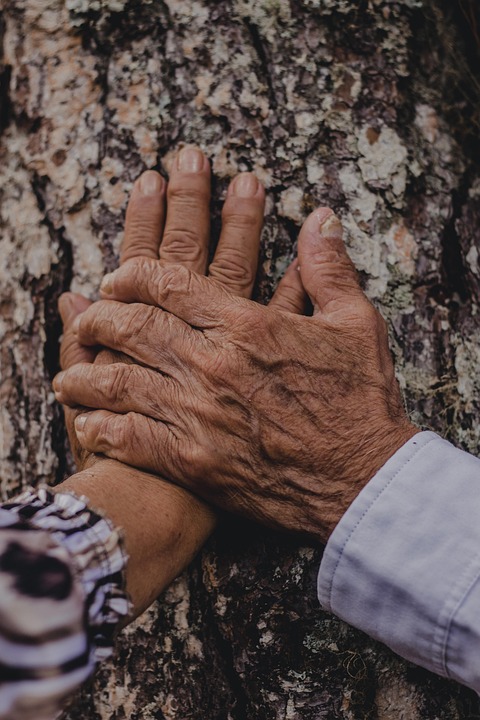
When you sit down at a family holiday dinner, conversation usually wanders into familiar territory: old neighborhood stories, updates on career changes, and humorous childhood anecdotes. Rarely does the talk turn to medical charts. Yet, sitting quietly beneath those shared facial expressions, quirks, and eye colors is a powerful tool for predicting and protecting your future wellness: your family health history.
In the realm of modern health care, we often look toward advanced laboratory panels, wearable fitness trackers, and complex DNA sequencing to understand our bodies. However, long before direct-to-consumer genetic kits existed, families were quietly passing down a different kind of biological library.
This article explores how your family’s medical lineage interacts with your personal genetics, why gathering this information acts as an everyday health shield, and how you can map your heritage to make smarter, proactive healthcare choices.
The Biological Tapestry: How Traits and Risks Travel Through Generations
To understand why your grandmother’s chronic condition or your uncle’s early diagnosis matters to you, it helps to look at how biological inheritance actually works.
Every human inherits roughly 20,000 to 25,000 genes, packaged neatly into 23 pairs of chromosomes—half from your biological mother, half from your biological father. These genes serve as an instructional manual for your cells, dictating everything from how efficiently your metabolism burns fuel to how your immune system responds to foreign invaders.
However, genetic inheritance is rarely a simple black-and-white equation. Health conditions generally fall into a few distinct genetic categories:
- Monogenic (Single-Gene) Disorders: Conditions caused by a variation in a single specific gene. Examples include cystic fibrosis or Huntington’s disease. These follow strict inheritance patterns (like autosomal dominant or recessive).
- Chromosomal Abnormalities: Conditions arising from missing or extra chromosomes, such as Down syndrome.
- Multifactorial (Complex) Disorders: The vast majority of common health concerns—including heart disease, type 2 diabetes, high blood pressure, and many forms of cancer—fall here. These conditions arise from a complex interplay between multiple genes and environmental factors.
Think of single-gene conditions like a faulty line of code in a computer program that causes the software to crash immediately. Complex conditions, on the other hand, are more like a recipe where multiple minor adjustments—too much salt, not enough heat, a different oven—combine to change the final flavor of the dish.
Why Your Family Tree is Your First Genetic Screen
Before you schedule an expensive genomic workup, looking backward into your family tree provides an invaluable, low-cost preview of your biological vulnerabilities.
Medical researchers often refer to family history as the ultimate screening test. Why? Because your biological relatives share a significant percentage of your genetic material, as well as a common environment and lifestyle habits during formative years.
When multiple family members develop the same chronic illness, it often points to a shared genetic susceptibility. Consider these key indicators that suggest a strong hereditary component:
- Early Onset: Diseases that appear much younger than average (e.g., a heart attack at age 40 instead of 70).
- Multiple Affected Generations: Conditions passing from parent to child across consecutive generations.
- Rare Combinations: Certain cancers occurring in the same individual, or uncommon tumors appearing across several family branches.
- Bilateral Disease: Conditions affecting paired organs, such as cancer appearing in both breasts or both kidneys.
By mapping these patterns, you can transition from reactive medicine (treating a problem after it surfaces) to proactive medicine (intercepting risk factors before they cause damage).
Nature vs. Nurture: The Dance Between DNA and Lifestyle
A common misconception in human genetics is genetic determinism—the fatalistic belief that “it’s in my genes, so there is nothing I can do about it.”
Science tells a far more hopeful story. This is where the fascinating field of gene-environment interaction comes into play.
Imagine your DNA as a massive piano keyboard. You are born with a specific set of keys (your genetic code). Some keys produce harmonious chords, while others might strike discordant notes if pressed incorrectly. However, the music that gets played depends entirely on the pianist: your lifestyle, diet, stress levels, sleep patterns, and environmental exposures.
+————————————————————-+
THE WELLNESS EQUATION
+————————————————————-+
[ Genetic Predisposition ] + [ Environmental Choices ]
\ /
\ /
v v
[ YOUR OVERALL HEALTH & WELLNESS OUTCOME ]
+————————————————————-+
For instance, you might inherit a genetic predisposition for elevated cholesterol. If you consume a diet high in processed fats, live a sedentary lifestyle, and smoke, that genetic risk is amplified, turning a theoretical vulnerability into a clinical reality. Conversely, if you balance that genetic predisposition with regular cardiovascular exercise, a fiber-rich plant-forward diet, and routine medical monitoring, you can often keep those high-risk genes “switched off” or muted.
Understanding your family health history does not lock you into a predetermined fate; rather, it shines a spotlight on the specific areas where your lifestyle choices can make the biggest impact.
Practical Steps: How to Build and Use Your Family Health Legacy
Gathering medical data from relatives can feel awkward. People may be private about their health, or memories of long-past illnesses may be fuzzy. Approaching this process with empathy and curiosity yields the best results.
Step 1: Start Close and Expand Outward
Begin by documenting the health histories of your first-degree relatives (parents, full siblings, children), then move outward to second-degree relatives (grandparents, aunts, uncles, nieces, nephews), and finally third-degree relatives (first cousins).
Step 2: Focus on the Right Details
When talking with family members, collect more than just the name of a disease. Try to uncover:
- At what age were they diagnosed?
- What were the specific characteristics of the condition (e.g., which organ was affected)?
- For deceased relatives, what was the age and cause of death?
- What lifestyle factors were present (e.g., heavy smoking history versus lifelong marathon runner)?
Step 3: Organize Your Findings
Utilize digital health tools, downloadable templates from public health organizations (such as the Surgeon General’s My Family Health Portrait), or a simple spreadsheet. Keep this information updated as new health events occur within your family.
Step 4: Partner With Your Healthcare Provider
Bring your completed family health tree to your next primary care checkup. A physician or genetic counselor can analyze the patterns, determine if you meet the criteria for specialized clinical screening (such as earlier mammograms or colonoscopies), or recommend professional genetic testing if a hereditary syndrome is suspected.
Frequently Asked Questions About Genetics and Family History
Can I inherit a health condition even if nobody else in my family has it?
Yes. This frequently happens for two reasons. First, a condition can be caused by a de novo (new) genetic mutation that occurred spontaneously in your own DNA without being passed down from parents. Second, many recessive conditions require both parents to carry a silent gene variant for the child to manifest the condition, meaning the family tree may look entirely healthy on the surface.
How accurate are direct-to-consumer genetic testing kits for health risks?
At-home genetic tests provide interesting insights into ancestry and carrier status for certain well-studied gene variants (such as specific BRCA mutations), but they are generally not comprehensive diagnostic tools. They often test only a fraction of known gene variations and can give a false sense of security or unnecessary anxiety. Always confirm consumer genetic findings with a qualified physician or certified genetic counselor.
Does a clean family health history mean I have zero risk of disease?
Not at all. While a clear family history significantly lowers your risk for hereditary syndromes, chronic conditions like heart disease, cancer, and diabetes are heavily influenced by lifestyle, aging, and environmental exposures. Everyone faces baseline risks simply through the process of aging.
What should I do if I don’t know my biological family history (e.g., adoption)?
If you are adopted or estranged from your biological relatives, do not panic. Focus heavily on the factors you can control: maintaining a heart-healthy diet, staying physically active, avoiding tobacco, limiting alcohol, and undergoing routine, age-appropriate preventative screenings. You can also discuss your situation with a doctor to tailor a personalized screening schedule.
Summary Takeaways
- Your DNA is not a life sentence: Genes establish baseline vulnerabilities, but your daily lifestyle and environmental choices largely determine how those genes express themselves.
- Family history is your first diagnostic tool: Sharing biological blueprints with relatives makes your family tree a powerful indicator of potential health risks.
- Look for red flags: Pay special attention to conditions that appear at unusually young ages or repeat across multiple generations.
- Collaborate with professionals: Translate your family health tree into actionable preventative care by partnering with your doctor or a genetic counselor to schedule the right screenings at the right times.