

When people think about healthcare, their minds usually drift to hospitals, prescription medications, and visits to the doctor when something feels wrong. This traditional approach focuses heavily on treating illness after it develops. However, a profound shift is happening in modern medicine. Today, experts and patients alike are turning their attention toward preventive health. Preventive health is about taking proactive steps to protect your well-being, catch potential health issues early, and maintain a high quality of life as you age. Rather than waiting for a medical crisis to strike, preventive healthcare empowers you to take control of your daily habits, screenings, and lifestyle choices. Welcome to The Health Care guide on preventive health. In this article, we will explore what preventive health truly means, why it matters, and how you can implement evidence-based strategies to support a vibrant, healthy future. What Is Preventive Health? At its core, preventive health encompasses all measures taken to prevent diseases, injuries, and other health conditions before they start or worsen. It bridges the gap between daily lifestyle choices and professional medical care. Medical professionals generally divide preventive care into three distinct categories: Primary Prevention: Measures aimed at preventing a disease or injury from ever occurring. This includes maintaining a balanced diet, exercising regularly, getting vaccinated, and avoiding harmful substances like tobacco. Secondary Prevention: Early identification and treatment of a disease before it causes significant harm. This includes routine screenings, such as blood pressure checks, mammograms, and cholesterol tests. Tertiary Prevention: Managing existing chronic conditions …
When people think about healthcare, their minds usually drift to hospitals, prescription medications, and visits to the doctor when something feels wrong. This traditional approach focuses heavily on treating illness after it develops. However, a profound shift is happening in modern medicine. Today, experts and patients alike are turning their attention toward preventive health.
Preventive health is about taking proactive steps to protect your well-being, catch potential health issues early, and maintain a high quality of life as you age. Rather than waiting for a medical crisis to strike, preventive healthcare empowers you to take control of your daily habits, screenings, and lifestyle choices.
Welcome to The Health Care guide on preventive health. In this article, we will explore what preventive health truly means, why it matters, and how you can implement evidence-based strategies to support a vibrant, healthy future.
What Is Preventive Health?
At its core, preventive health encompasses all measures taken to prevent diseases, injuries, and other health conditions before they start or worsen. It bridges the gap between daily lifestyle choices and professional medical care.
Medical professionals generally divide preventive care into three distinct categories:
- Primary Prevention: Measures aimed at preventing a disease or injury from ever occurring. This includes maintaining a balanced diet, exercising regularly, getting vaccinated, and avoiding harmful substances like tobacco.
- Secondary Prevention: Early identification and treatment of a disease before it causes significant harm. This includes routine screenings, such as blood pressure checks, mammograms, and cholesterol tests.
- Tertiary Prevention: Managing existing chronic conditions to prevent them from progressing or causing severe complications. While similar to treatment, it focuses heavily on rehabilitation and lifestyle management to improve daily function.
By focusing heavily on primary and secondary prevention, you can dramatically lower your risk of developing chronic illnesses such as heart disease, type 2 diabetes, and certain cancers.
Why Preventive Health Matters
The human body is an incredible, interconnected system, but it also sends subtle warning signals when things are out of balance. Unfortunately, many serious conditions—including high blood pressure and prediabetes—develop silently over many years without causing obvious symptoms.
The Benefits of a Proactive Approach
- Early Detection Saves Lives: Many diseases are significantly easier to treat and manage when caught in their earliest stages.
- Improved Quality of Life: Staying active, eating well, and managing stress help you maintain your physical and mental independence as you grow older.
- Reduced Financial Stress: Managing chronic illnesses can become costly. Investing in routine screenings and healthy habits often reduces long-term medical expenses.
- Empowerment: Taking charge of your health gives you a sense of agency, transforming you from a passive patient into an active participant in your wellness journey.
Core Pillars of a Preventive Lifestyle
Achieving long-term wellness does not require drastic overnight changes. Instead, it relies on consistency across several foundational pillars.
1. Nutrition as Medicine
What you put on your plate serves as the building blocks for your cells, tissues, and immune system. A balanced diet supports metabolic health and reduces systemic inflammation.
- Focus on whole foods: Prioritize fresh fruits, vegetables, lean proteins, nuts, seeds, and whole grains.
- Limit ultra-processed foods: Minimize your intake of foods high in added sugars, refined carbohydrates, and unhealthy fats.
- Stay hydrated: Water plays a vital role in digestion, circulation, and temperature regulation.
2. Regular Physical Movement
The human body was designed to move. Regular physical activity strengthens your cardiovascular system, builds muscle mass, supports bone density, and boosts mental health.
- Cardiovascular exercise: Aim for at least 150 minutes of moderate-intensity aerobic activity—such as brisk walking, cycling, or swimming—each week.
- Strength training: Incorporate resistance exercises at least two days a week to maintain muscle mass and joint health.
- Reduce sedentary time: Break up long periods of sitting by standing up, stretching, or walking around every hour.
3. Prioritizing Restful Sleep
Sleep is not merely a time of rest; it is an active period during which your body repairs tissue, consolidates memories, and regulates hormones.
- Consistency is key: Go to bed and wake up at the same time every day, even on weekends.
- Optimize your sleep environment: Keep your bedroom dark, quiet, and cool.
- Limit screen time: Avoid smartphones, tablets, and computers for at least an hour before bedtime to support natural melatonin production.
4. Stress Management and Mental Well-being
Mental health and physical health are deeply intertwined. Chronic stress floods the body with cortisol and adrenaline, which over time can negatively impact immune function, blood pressure, and digestion.
- Practice mindfulness: Techniques such as meditation, deep breathing exercises, and yoga can help calm the nervous system.
- Build strong social connections: Maintaining meaningful relationships provides emotional support and resilience against stress.
- Seek professional guidance: Therapy and counseling are valuable tools for navigating life’s challenges and maintaining emotional balance.
The Role of Routine Medical Screenings
Lifestyle habits are crucial, but they cannot catch everything on their own. Routine medical check-ups and screenings are vital components of preventive health. These tests are designed to catch asymptomatic conditions before they turn into major health concerns.
Essential Screenings to Discuss with Your Healthcare Provider
- Blood Pressure Checks: High blood pressure often has no symptoms, earning it the nickname “the silent killer.” Regular checks help protect your heart and blood vessels.
- Cholesterol Panels: Measuring your lipid levels helps assess your risk for cardiovascular disease.
- Blood Glucose Tests: Screening for fasting blood sugar or A1C levels helps identify prediabetes and type 2 diabetes early.
- Cancer Screenings: Depending on your age, family history, and gender, your doctor may recommend screenings such as mammograms, Pap smears, colonoscopies, or skin checks.
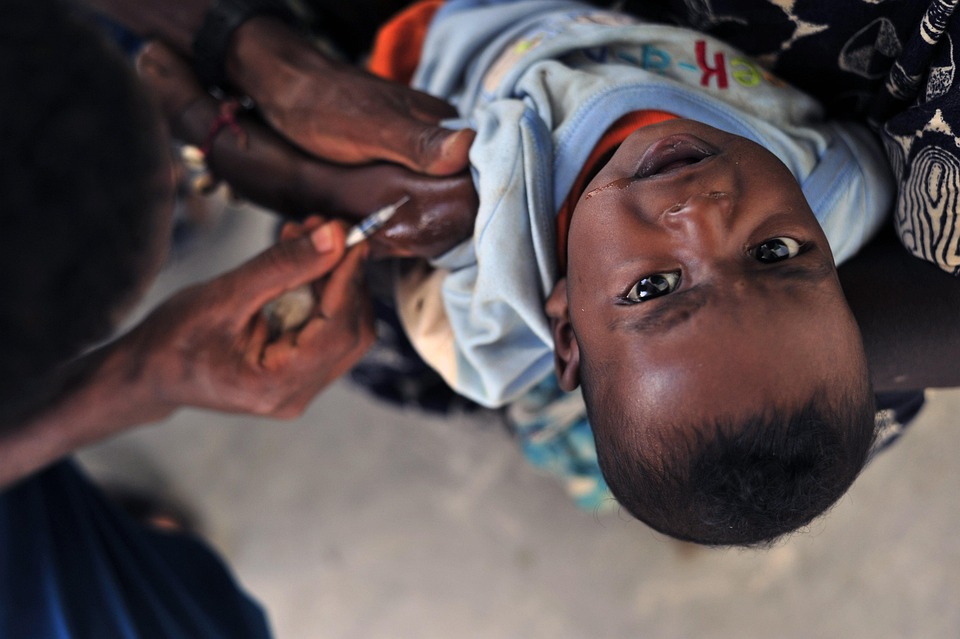
- Immunizations: Staying up to date on vaccines—such as annual flu shots, boosters, and shingles vaccines—protects both you and your community from preventable infectious diseases.
Note: Always consult with a qualified healthcare professional to determine which screenings are appropriate for your specific age, medical history, and risk factors.
Overcoming Barriers to Preventive Care
Despite the clear benefits, many people struggle to maintain a consistent preventive health routine. Common obstacles include lack of time, financial concerns, and fear of medical settings.
Practical Tips to Stay on Track
- Schedule in advance: Treat your annual physical exams and routine dental appointments like non-negotiable business meetings. Put them on your calendar months ahead of time.
- Focus on micro-habits: If going to the gym for an hour feels overwhelming, start with a 15-minute daily walk. Small, sustainable habits are much easier to maintain over time.
- Find a trusted partner: Establish a relationship with a primary care physician who listens to your concerns and collaborates with you on your wellness goals.
- Utilize health insurance benefits: Many insurance plans cover annual wellness visits and standard preventive screenings at little to no extra cost. Check your policy to see what is included.
Key Takeaways
- Proactive over reactive: Preventive health focuses on stopping diseases before they start, rather than just treating them after symptoms appear.
- Foundation of wellness: Daily habits—including a nutrient-dense diet, regular movement, quality sleep, and stress management—form the bedrock of long-term health.
- The power of screenings: Routine medical check-ups and screenings can catch silent conditions early, when they are most manageable.
- Personalization is key: Your preventive health plan should be tailored to your unique age, lifestyle, family history, and individual risk factors.
- Consistency beats perfection: Small, sustainable lifestyle adjustments yield far better long-term results than drastic, short-lived changes.
Frequently Asked Questions (FAQs)
1. What is the main goal of preventive health?
The primary goal of preventive health is to protect, promote, and maintain health and well-being while preventing disease, disability, and premature death. It aims to catch potential health issues early and promote lifestyle habits that support long-term vitality.
2. How often should I see my doctor for a preventive check-up?
For most adults, scheduling an annual wellness visit with a primary care physician is recommended. However, the exact frequency can vary depending on your age, overall health status, and existing medical conditions.
3. Are lifestyle changes really as effective as medication for prevention?
Lifestyle changes are a powerful first line of defense in primary prevention. Eating a balanced diet, exercising regularly, and managing stress can significantly reduce the risk of developing chronic conditions like heart disease and type 2 diabetes. In some cases, lifestyle changes alone are sufficient; in others, they work best in partnership with medical guidance.
4. What are the most important preventive screenings for adults?
Common preventive screenings include blood pressure measurements, cholesterol panels, blood glucose tests, and age-appropriate cancer screenings (such as mammograms, colonoscopies, and skin checks). Your healthcare provider can help you create a personalized screening schedule based on your personal and family medical history.
5. How can I start a preventive health routine if I am currently inactive?
Begin slowly and focus on sustainable changes. You can start by adding a 10-to-15-minute daily walk to your routine, increasing your water intake, and scheduling a basic check-up with your doctor. Building momentum with small steps helps prevent burnout and leads to lasting healthy habits.