

SEO Meta Description: Explore how fructans—short-chain carbohydrates found in wheat, onions, and garlic—affect digestive comfort. Learn about triggers, balanced eating, and when to seek advice. Walk down any grocery store aisle, and you will notice a growing focus on digestive health. Among the myriad components of our daily meals, certain carbohydrates frequently come up in conversations about post-meal bloating and stomach rumbling. One group of compounds receiving significant attention is fructans. If you have ever felt unexpectedly puffed up after eating a bowl of pasta or a slice of artisan sourdough, fructans might be part of the picture. Understanding what these compounds are, where they hide, and how the human digestive system interacts with them can help you make informed, balanced choices at the dinner table without resorting to extreme or unnecessary dietary restrictions. What Are Fructans and Where Are They Found? Fructans are a type of oligosaccharide—specifically, chains of fructose molecules linked together with a glucose molecule at the end. They belong to a broader category of short-chain carbohydrates often referred to as fermentable oligo-, di-, mono-saccharides, and polyols. Plants produce fructans naturally as a way to store energy. Because human small intestines lack the specific enzyme (invertase or fructanase) required to break down the chemical bonds holding these fructose chains together, fructans pass through the upper digestive tract largely intact. When they reach the large intestine, resident gut bacteria eagerly ferment them. This fermentation process produces gas and other byproducts, which is a normal and natural part of …
SEO Meta Description: Explore how fructans—short-chain carbohydrates found in wheat, onions, and garlic—affect digestive comfort. Learn about triggers, balanced eating, and when to seek advice.
Walk down any grocery store aisle, and you will notice a growing focus on digestive health. Among the myriad components of our daily meals, certain carbohydrates frequently come up in conversations about post-meal bloating and stomach rumbling. One group of compounds receiving significant attention is fructans.
If you have ever felt unexpectedly puffed up after eating a bowl of pasta or a slice of artisan sourdough, fructans might be part of the picture. Understanding what these compounds are, where they hide, and how the human digestive system interacts with them can help you make informed, balanced choices at the dinner table without resorting to extreme or unnecessary dietary restrictions.
What Are Fructans and Where Are They Found?
Fructans are a type of oligosaccharide—specifically, chains of fructose molecules linked together with a glucose molecule at the end. They belong to a broader category of short-chain carbohydrates often referred to as fermentable oligo-, di-, mono-saccharides, and polyols.
Plants produce fructans naturally as a way to store energy. Because human small intestines lack the specific enzyme (invertase or fructanase) required to break down the chemical bonds holding these fructose chains together, fructans pass through the upper digestive tract largely intact.
When they reach the large intestine, resident gut bacteria eagerly ferment them. This fermentation process produces gas and other byproducts, which is a normal and natural part of human digestion. However, for some individuals, this process can generate excess gas, fluid shifts, and noticeable abdominal distension.
Fructans are surprisingly common in everyday foods. They are typically divided into two main structural types:
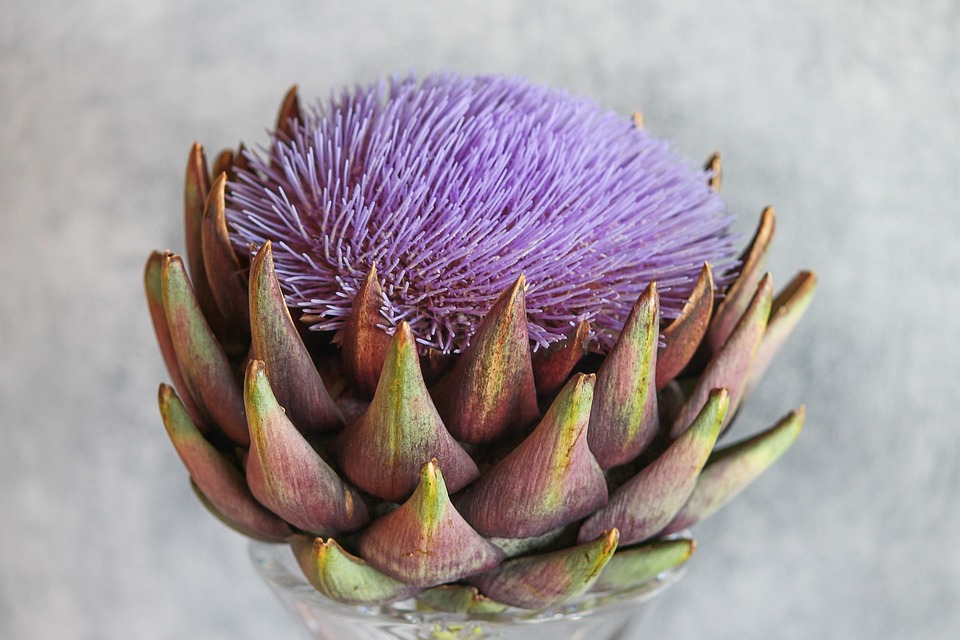
- Inulin-type fructans: Found abundantly in chicory root, Jerusalem artichokes, garlic, onions, leeks, and asparagus.
- Levan-type fructans: Commonly found in wheat, barley, rye, and certain grasses.
Fructans, Wheat, and the Modern Diet
For many people, the primary source of fructans in their daily routine is not a gourmet vegetable like the Jerusalem artichoke, but rather staple grain products. Wheat is a major contributor to fructan intake in Western diets.
This creates a common point of confusion. Individuals who experience abdominal discomfort after consuming bread, pastries, or cereal often assume they have a gluten issue or a wheat allergy. While celiac disease and non-celiac wheat sensitivity are genuine medical conditions involving immune responses or specific reactions to wheat proteins, many people who react poorly to wheat are actually sensitive to the fructans contained within the grain rather than the gluten protein itself.
Grains and Ingredients High in Fructans:
- Wheat (bread, pasta, couscous, crackers)
- Barley and rye
- Spelt and kamut (ancient wheat varieties also contain fructans, though amounts can vary)
Allium Vegetables and Other Plant Sources:
- Onions (including shallots, spring onions, and onion powder)
- Garlic (fresh, minced, and in garlic-infused powders)
- Leeks and scallions
- Chicory root (frequently added to fiber-enriched bars and coffee substitutes)
- Cabbage and Brussels sprouts (contain modest amounts alongside other fermentable fibers)
Recognizing Common Physical Responses
When fructans are fermented rapidly by gut bacteria, the resulting gas production and fluid changes can lead to several distinct physical sensations. These experiences vary drastically from person to person; what causes a mild sensation of fullness in one individual might trigger significant discomfort in another.
- Abdominal Bloating: A feeling of tightness or a visible swelling in the midsection as gas accumulates.
- Excess Gas: Increased flatulence or belching resulting from bacterial breakdown in the colon.
- Cramping or Abdominal Discomfort: Mild to moderate tugging or aching sensations in the gut.
- Changes in Bowel Habits: Stool consistency and frequency may shift toward looser movements or temporary urgency due to osmotic shifts in the bowel.
It is important to remember that these symptoms are not exclusive to fructan consumption. Similar digestive patterns can stem from stress, eating too quickly, hormonal fluctuations, structural digestive disorders, or other dietary components like lactose or excess fructose. Experiencing bloating after a heavy meal does not automatically mean you have a formal food sensitivity.
Food Allergy vs. Food Intolerance vs. Sensitivity
In everyday conversation, terms like “allergy,” “intolerance,” and “sensitivity” are frequently used interchangeably. From a clinical perspective, however, they describe entirely different biological mechanisms:
- Food Allergy: This involves the immune system. The body mistakes a harmless food protein for a dangerous invader and launches an immune response, releasing histamines. Allergies can cause hives, swelling, breathing difficulties, or anaphylaxis. Fructan reactions are not allergies because fructans are carbohydrates, not proteins, and they do not trigger IgE-mediated immune responses.
- Food Intolerance: This typically involves a digestive enzyme deficiency or a physiological inability to process a substance properly. A classic example is lactose intolerance, where the body lacks sufficient lactase to break down milk sugar. Fructan handling is somewhat related, as humans lack the internal machinery to break them down directly, relying instead on microbial fermentation.
- Food Sensitivity: A broader term often used when an individual experiences consistent, non-allergic adverse reactions to certain foods or chemical components, frequently mediated through the nervous system of the gut or microbiome activity.
If you ever experience severe symptoms—such as difficulty breathing, swelling of the lips or tongue, or sudden widespread hives—seek prompt medical attention immediately, as these can indicate a serious food allergy or other acute medical condition.
Practical Strategies for Navigating Digestive Comfort
If you suspect that fructans contribute to your daily digestive distress, navigating your diet requires a thoughtful, balanced approach. Eliminating entire food groups without a clear plan can lead to nutritional deficiencies and a less diverse gut microbiome.
1. Keep a Detailed Food and Symptom Diary
Before making drastic changes, track what you eat alongside any physical symptoms for one to two weeks. Note portion sizes, meal times, and stress levels. This record helps you and a healthcare professional spot genuine patterns rather than relying on guesswork.
2. Focus on Portion Awareness Rather Than Strict Elimination
Because fructans are dose-dependent—meaning a small amount might cause no reaction while a large serving triggers discomfort—portion control is often more effective than complete avoidance. For instance, using garlic-infused oil (where fructans, being water-soluble rather than oil-soluble, remain behind) allows you to enjoy garlic flavor without the fructan load.
3. Emphasize Dietary Variety and Fiber Diversity
Your gut microbiome thrives on a diverse range of plant fibers. If you reduce certain high-fructan foods, ensure you incorporate other fiber-rich, nutrient-dense alternatives like oats, quinoa, rice, carrots, cucumbers, and blueberries to support overall digestive wellness.
4. Consult a Qualified Professional
If your digestive symptoms are persistent, recurring, or significantly impact your quality of life, consult a registered dietitian or a gastroenterologist. They can help evaluate your symptoms, rule out underlying medical conditions like celiac disease or irritable bowel syndrome (IBS), and guide you through structured dietary assessments safely.
Conclusion
Fructans are a natural part of many wholesome foods, from nutritious whole grains to flavorful alliums like garlic and onions. While their fermentation in the gut can lead to bloating and discomfort for sensitive individuals, they are not inherently harmful. By understanding how your body interacts with these carbohydrates, practicing mindful portion awareness, and seeking professional guidance when symptoms persist, you can maintain a balanced, enjoyable relationship with food while supporting your digestive comfort.
Frequently Asked Questions
Are fructans the same thing as gluten?
No. Fructans are short-chain carbohydrates (sugars), whereas gluten is a family of proteins found in wheat, barley, and rye. Many people who believe they react poorly to gluten are actually experiencing a reaction to the fructans present in those same grains.
Why do garlic and onions cause more bloating than other vegetables?
Garlic and onions are exceptionally rich in inulin-type fructans. Because humans cannot digest these compounds in the upper GI tract, they travel down to the colon where gut bacteria ferment them rapidly, producing noticeable gas and distension.
Can cooking reduce the fructan content in food?
Unlike some other food compounds, fructans are generally heat-stable and water-soluble. Cooking onions or wheat does not break down the fructan molecules. However, boiling vegetables can leach some fructans into the cooking water, though this effect varies depending on the preparation method.
How can I enjoy garlic flavor if I am sensitive to fructans?
Fructans are soluble in water, but they do not dissolve in oil. Many people who are sensitive to fructans can safely use garlic-infused oils, as the flavorful compounds transfer to the oil while the fructans remain behind in the solid garlic pieces (which are discarded).
When should I see a doctor about persistent bloating?
You should consult a healthcare professional if your digestive symptoms are chronic, worsening, accompanied by unexplained weight loss, fatigue, persistent changes in bowel habits, or blood in your stool. These signs require a proper medical evaluation to rule out underlying conditions.