

When a crisp autumn apple or a refreshing glass of fruit juice leaves you feeling uncomfortably bloated, gassy, or dealing with sudden abdominal cramping, you might naturally assume your digestive system is simply rebelling against healthy eating. However, for a growing number of people, these recurring reactions point toward a specific physiological condition known as fructose malabsorption. Unlike a classic food allergy, which triggers an immediate immune system response, fructose malabsorption is a digestive processing issue. Understanding how your small intestine handles certain simple sugars can help you find relief from discomfort without unnecessarily stripping variety and nutrition from your daily meals. What Is Fructose Malabsorption? Fructose is a simple sugar, or monosaccharide, naturally found in fruits, honey, root vegetables, and various added sweeteners like high-fructose corn syrup. In a typical digestive tract, specialized transport proteins in the lining of the small intestine absorb fructose and move it into the bloodstream, where the body can use it for energy. When someone experiences fructose malabsorption, those intestinal transport proteins are either less efficient or easily overwhelmed. Instead of being properly absorbed in the upper part of the digestive tract, excess fructose travels further down into the large intestine. Once the unabsorbed sugar reaches the colon, resident bacteria enthusiastically ferment it. This fermentation process produces hydrogen and methane gases, along with short-chain fatty acids. The resulting gas production and fluid shifts are what lead to the characteristic feelings of bloating, pressure, and changes in bowel habits. Fructose Malabsorption vs. Fructose Intolerance It …
When a crisp autumn apple or a refreshing glass of fruit juice leaves you feeling uncomfortably bloated, gassy, or dealing with sudden abdominal cramping, you might naturally assume your digestive system is simply rebelling against healthy eating. However, for a growing number of people, these recurring reactions point toward a specific physiological condition known as fructose malabsorption.
Unlike a classic food allergy, which triggers an immediate immune system response, fructose malabsorption is a digestive processing issue. Understanding how your small intestine handles certain simple sugars can help you find relief from discomfort without unnecessarily stripping variety and nutrition from your daily meals.
What Is Fructose Malabsorption?
Fructose is a simple sugar, or monosaccharide, naturally found in fruits, honey, root vegetables, and various added sweeteners like high-fructose corn syrup. In a typical digestive tract, specialized transport proteins in the lining of the small intestine absorb fructose and move it into the bloodstream, where the body can use it for energy.
When someone experiences fructose malabsorption, those intestinal transport proteins are either less efficient or easily overwhelmed. Instead of being properly absorbed in the upper part of the digestive tract, excess fructose travels further down into the large intestine.
Once the unabsorbed sugar reaches the colon, resident bacteria enthusiastically ferment it. This fermentation process produces hydrogen and methane gases, along with short-chain fatty acids. The resulting gas production and fluid shifts are what lead to the characteristic feelings of bloating, pressure, and changes in bowel habits.
Fructose Malabsorption vs. Fructose Intolerance
It is important to avoid confusing fructose malabsorption with hereditary fructose intolerance (HFI).
- Fructose Malabsorption: This is a common, non-life-threatening digestive condition affecting how the small intestine processes fructose. It is managed primarily through dietary adjustments and portion control.
- Hereditary Fructose Intolerance (HFI): This is a rare, serious genetic metabolic disorder. Individuals with HFI completely lack the liver enzyme needed to break down fructose, leading to dangerous metabolic crises and liver or kidney damage. HFI is typically diagnosed in infancy and requires lifelong, strict avoidance of fructose and sucrose.
If you experience digestive discomfort after eating fruit, you are almost certainly dealing with the much more common malabsorption pattern rather than HFI.
Common Signs and Symptom Patterns
The physical response to unabsorbed fructose can vary significantly from person to person. Because digestive symptoms are rarely exclusive to a single cause, recognizing common patterns requires looking at your overall eating habits. Frequently reported signs include:
- Abdominal Bloating and Distension: A noticeable feeling of fullness or tightness in the belly, often worsening as the day progresses.
- Excessive Gas and Flatulence: Resulting directly from the bacterial fermentation of leftover sugar in the colon.
- Cramping and Lower Abdominal Discomfort: Ranging from mild aches to sharp, uncomfortable contractions.
- Changes in Bowel Habits: Alternating bouts of loose stools or diarrhea, and occasionally constipation, depending on how fluid moves through the digestive tract.
- Systemic Sensations: Some individuals report mild fatigue or brain fog following high-fructose meals, though research is ongoing regarding the exact connection between gut fermentation and these secondary experiences.
Because these symptoms overlap heavily with other conditions—such as irritable bowel syndrome (IBS), celiac disease, or simple fiber overload—it is vital not to self-diagnose based on a single uncomfortable meal.
Foods and Ingredients Associated with Fructose Malabsorption
Managing this sensitivity is rarely about cutting out all fruit forever. Instead, it involves understanding how different foods stack up in terms of their fructose-to-glucose ratio and overall portion sizes.
The Role of Glucose
An interesting quirk of human digestion is that fructose is absorbed much more efficiently when glucose is present in equal or greater amounts. For example, a food with a balanced 1:1 ratio of glucose and fructose (like a banana) is often much easier to digest than a food containing a heavy excess of free fructose (like a pear or an apple).
Common High-Fructose Culprits
- Certain Fruits: Apples, pears, cherries, watermelon, mangoes, and dried fruits like raisins and figs.
- Concentrated Sweeteners: Honey, agave nectar, high-fructose corn syrup, and large amounts of fruit juice or fruit juice concentrates.
- Sugar Alcohols: While chemically different from fructose, sweeteners like sorbitol, xylitol, and maltitol (often found in sugar-free gums and candies) can compound digestive distress when paired with malabsorption.
Friendlier Alternatives
- Low-Fructose Fruits: Bananas (firm, slightly unripe), strawberries, blueberries, raspberries, oranges, clementines, and kiwi.
- Natural Sweeteners: Maple syrup (in modest amounts) or traditional table sugar (sucrose, which consists of bonded glucose and fructose and is often better tolerated in moderation).
Evaluating Symptoms with Professional Guidance
If persistent digestive issues interfere with your daily routine, the most responsible step is to consult a qualified healthcare professional, such as a gastroenterologist or a registered dietitian. They can help rule out more serious underlying conditions, such as inflammatory bowel disease or celiac disease, through appropriate diagnostic evaluations (such as a hydrogen breath test).
If a dietary adjustment is recommended, it should be approached methodically:
- Short-Term Modification: Temporarily reducing high-fructose foods under professional guidance to calm acute symptoms.
- Systematic Reintroduction: Gradually testing individual foods and portion sizes to identify your personal tolerance threshold.
- Long-Term Variety: Maintaining as diverse and nutritious a diet as possible, avoiding permanent, overly restrictive elimination habits.
Practical Meal-Planning Strategies for Everyday Eating
Living with fructose malabsorption does not mean sacrificing flavor or missing out on vital micronutrients. With a few mindful adjustments, you can build satisfying, balanced meals:
- Pair Fruits with Proteins or Fats: Enjoying a handful of berries with full-fat Greek yogurt or a piece of fruit alongside a handful of raw nuts can slow down overall gastric emptying and ease digestion.
- Watch Portion Sizes: Spreading your fruit intake across smaller, frequent portions throughout the day is often much kinder to your digestive tract than eating a large volume all at once.
- Prioritize Hydration: Plain water remains the best choice. Be cautious with commercial flavored waters, sodas, and sports drinks that frequently rely on high-fructose corn syrup or hidden fruit juices for flavoring.
- Read Labels Carefully: Look beyond the nutrition facts panel and check ingredient lists for hidden terms like “fruit juice concentrate,” “agave,” “honey,” or “high-fructose corn syrup” in processed sauces, dressings, and baked goods.
Conclusion
Navigating fructose malabsorption requires patience, observation, and a willingness to understand how your body responds to specific foods. By shifting away from rigid restrictions and focusing on portion awareness, balanced meals, and individualized tolerance thresholds, you can reclaim your digestive comfort without giving up the joy of eating well. Always partner with a healthcare professional to ensure your dietary choices remain safe, balanced, and tailored to your unique health profile.
Frequently Asked Questions
Can fructose malabsorption improve over time?
Yes, many people find that their personal tolerance threshold improves after a temporary, guided period of reducing high-fructose foods, allowing them to reintroduce many of their favorite fruits in sensible portions later on.
Is fructose malabsorption the same thing as a fruit allergy?
No. An allergy involves an immune system reaction that can cause hives, swelling, or respiratory issues. Fructose malabsorption is purely a mechanical and chemical processing issue within the digestive tract, resulting in gas, bloating, and changes in bowel habits.
Why do some fruits bother me while others do not?
The difference usually comes down to the ratio of free fructose to glucose in the fruit. Fruits with a balanced or higher amount of glucose relative to fructose (like strawberries or bananas) are typically absorbed much more easily than fruits heavy in excess free fructose (like apples or pears).
Are artificial sweeteners safe if I have fructose malabsorption?
True artificial sweeteners like aspartame, sucralose, and stevia are chemically distinct from fructose and generally do not cause malabsorption issues. However, sugar alcohols (sorbitol, xylitol) can sometimes trigger similar digestive symptoms and should be tested with caution.
Should I cut out all vegetables if I have this condition?
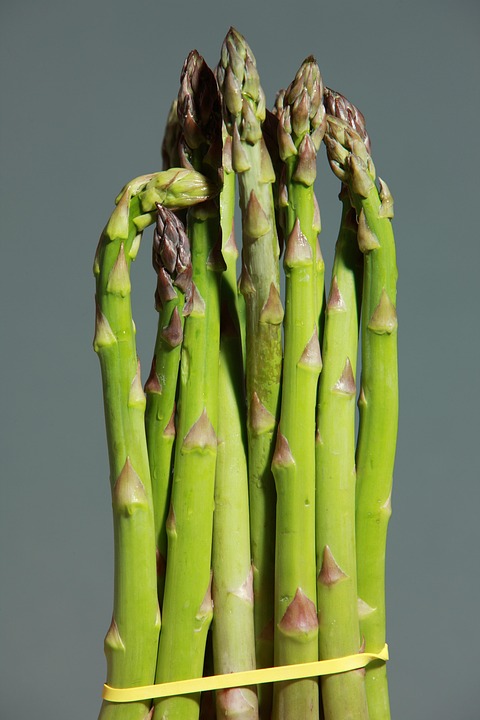
Not at all. While a few vegetables contain moderate amounts of fructose (such as sugar snap peas or asparagus), most everyday vegetables are well-tolerated. A balanced diet should continue to include a wide variety of non-starchy vegetables.
What should I do if my digestive symptoms do not improve with dietary changes?
If modifying your intake of high-fructose foods does not bring relief, schedule an appointment with a healthcare professional. Persistent digestive symptoms can stem from many other sources, including small intestinal bacterial overgrowth (SIBO), celiac disease, or non-celiac gluten sensitivity, which require proper medical evaluation.
SEO Meta Description: Learn about fructose malabsorption, its symptoms, trigger foods, and practical, balanced strategies for managing digestive comfort without extreme dietary restriction.