
Eat This, Not That: The Ultimate Healthy Swaps for Everyday Meals

healthy foods

Meta Description: Discover expert grocery shopping and food selection tips for fresh produce at The Health Care. Learn how to choose, inspect, and store fruit and vegetables. Navigating the vibrant aisles of the local produce section can sometimes feel overwhelming. Mountains of colorful fruits and vegetables promise vitality and wellness, yet selecting the absolute best items requires a keen eye and a bit of practical know-how. When you invest time in choosing high-quality whole foods, you set the foundation for flavorful home-cooked meals and optimal daily nourishment. Selecting groceries with intention goes beyond simply picking the shiniest apple in the bin. It involves understanding seasonal cycles, evaluating ripeness indicators, and knowing how different items react to temperature and humidity once you bring them home. Whether you are stocking up for a busy week of meal preparation or picking up ingredients for a single weekend feast, refining your produce selection and storage habits transforms your entire relationship with healthy eating. Decoding Quality: What to Look For in the Produce Aisle Before a vegetable or fruit reaches your kitchen cutting board, its journey through supply chains can impact its texture, flavor, and overall culinary potential. Developing a discerning eye for quality helps you minimize food waste and ensures you get the most out of your grocery budget. Assessing Tactile Cues and Structural Integrity Every category of produce communicates its freshness differently. Leafy greens should look crisp and vibrant, completely free of slimy textures, dark bruising, or excessive yellowing. Root vegetables like carrots, …


Meta Description: Discover expert grocery shopping and food selection tips for fresh produce at The Health Care. Learn how to choose, inspect, and store fruit and vegetables.

Navigating the vibrant aisles of the local produce section can sometimes feel overwhelming. Mountains of colorful fruits and vegetables promise vitality and wellness, yet selecting the absolute best items requires a keen eye and a bit of practical know-how. When you invest time in choosing high-quality whole foods, you set the foundation for flavorful home-cooked meals and optimal daily nourishment.

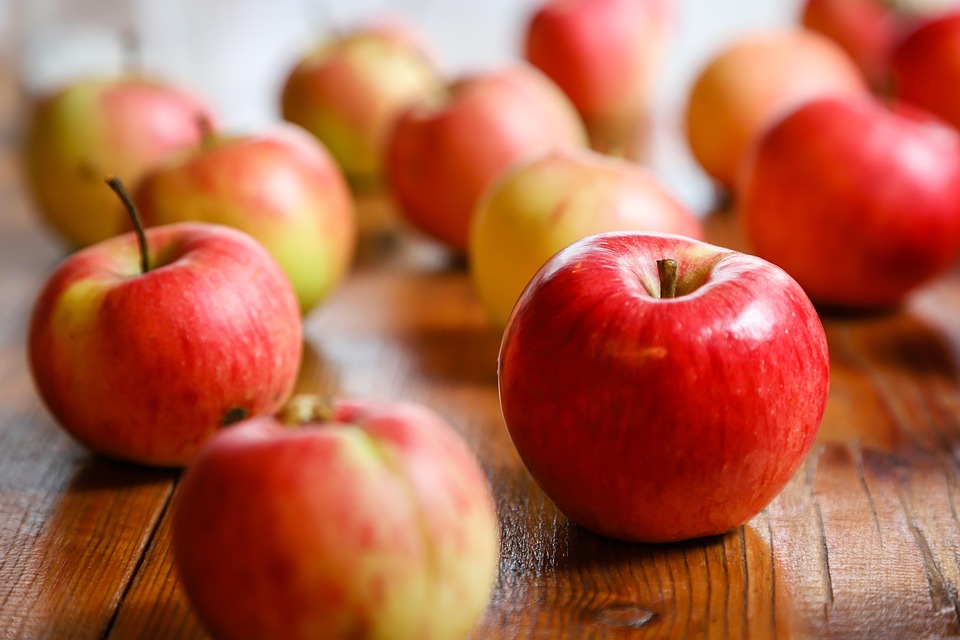
Selecting groceries with intention goes beyond simply picking the shiniest apple in the bin. It involves understanding seasonal cycles, evaluating ripeness indicators, and knowing how different items react to temperature and humidity once you bring them home. Whether you are stocking up for a busy week of meal preparation or picking up ingredients for a single weekend feast, refining your produce selection and storage habits transforms your entire relationship with healthy eating.


Decoding Quality: What to Look For in the Produce Aisle

Before a vegetable or fruit reaches your kitchen cutting board, its journey through supply chains can impact its texture, flavor, and overall culinary potential. Developing a discerning eye for quality helps you minimize food waste and ensures you get the most out of your grocery budget.

Assessing Tactile Cues and Structural Integrity

Every category of produce communicates its freshness differently. Leafy greens should look crisp and vibrant, completely free of slimy textures, dark bruising, or excessive yellowing. Root vegetables like carrots, beets, and radishes ought to feel firm and heavy for their size; any give or rubbery flexibility indicates moisture loss and age.

When inspecting larger fruits such as melons or citrus, lift them to gauge their weight. Heavier fruits generally contain more juice and have reached a more desirable stage of development. For delicate berries, always inspect the bottom of the container. Stained cardboard or damp plastic mesh often signals crushed berries hiding beneath the top layer.

The Significance of Aroma and Color

Your sense of smell remains one of the most powerful tools in the grocery store. Ripe stone fruits, pineapples, and melons typically emit a sweet, fragrant aroma near their stem ends. If a fruit smells completely neutral or flat, it was likely harvested too early and may never develop rich, natural sugars on your kitchen counter.

Color uniformity also matters, though with a caveat. While deep, vibrant hues generally indicate an abundance of protective plant pigments and antioxidants, natural variations exist. A slight blush on a peach or minor russeting on an apple does not diminish its quality; in fact, natural blemishes often result from sun exposure during growth.


Smart Purchasing Strategies for Balanced Meal Planning

Bringing home a chaotic assortment of random vegetables often leads to ingredients spoiling before you have a chance to use them. Aligning your shopping cart with a realistic meal plan prevents impulse buying and keeps your refrigerator organized.

Navigating Local Harvests and Seasonality

While modern logistics allow supermarkets to stock almost any food year-round, aligning your purchases with natural growing seasons elevates flavor profiles. Strawberries bought in mid-summer taste remarkably sweeter than those harvested out of season, and hearty winter squash develops deeper flavors during colder months.

Consider integrating these seasonal selection habits into your routine:

  • Spring: Focus on tender shoots, early herbs, and crisp radishes.
  • Summer: Embrace watermelons, stone fruits, and sun-ripened tomatoes.
  • Autumn: Select hard squashes, apples, and root vegetables.
  • Winter: Rely on hearty brassicas, citrus fruits, and stored tubers.

Quantities and Rotation Management

A common pitfall in healthy eating is overbuying perishable goods with ambitious intentions, only to watch them wilt away. Instead of buying bulk quantities of highly perishable items like baby spinach or fresh figs, purchase smaller amounts more frequently. Reserve bulk buying for shelf-stable staples or robust vegetables like onions, potatoes, and winter squashes that withstand longer storage periods.


Advanced Storage Science: Keeping Produce Fresher Longer

Proper storage is the hidden key to preserving the structural integrity and nutrient retention of your groceries. Treating every vegetable and fruit with identical care in the refrigerator is a recipe for premature spoilage.

Moisture Control and Environmental Separation

Moisture is the primary enemy of fresh produce longevity. Excess dampness encourages mold growth and bacterial breakdown, while dry refrigerator air robs vegetables of their crisp hydration.

  • Breathable Storage: Keep leafy greens in perforated bags or wrap them loosely in clean cotton tea towels to absorb excess condensation without drying them out entirely.
  • Ethylene Gas Management: Certain fruits—such as bananas, avocados, tomatoes, and apples—release high amounts of ethylene gas, a natural plant hormone that accelerates ripening and decay in neighboring produce. Store ethylene-sensitive items like berries and leafy greens in separate refrigerator compartments away from these gas producers.

Countertop Versus Refrigerator Real Estate

Not all produce belongs in cold storage. Refrigerating tropical fruits like bananas, mangoes, and whole pineapples can damage their cell walls, leading to chilling injury, mealiness, and flavor loss. Likewise, whole tomatoes, onions, garlic, and winter squash thrive best in cool, dark, well-ventilated pantry spaces rather than chilled environments. Once cut, however, all of these items require immediate refrigeration and food-safe storage containers.


Frequently Asked Questions

How can I tell if an avocado is ready to eat without squeezing it too hard?

Gently press near the stem end rather than the middle of the fruit. If it yields slightly to gentle, firm pressure without feeling mushy or leaving an indent, it is ready. If the stem cap easily pops off and reveals bright green underneath, it is ripe; if it reveals brown, the avocado may be overripe inside.

Is it safe to eat produce with minor bruising?

Yes, minor bruising is generally safe, provided the skin is unbroken and no mold is present. Simply cut away the bruised portion before preparation. However, if a fruit or vegetable is deeply bruised, soft, or leaking juices, discard it to avoid unpleasant textures or bacterial contamination.

What is the best way to wash fresh produce after getting home?

Wait to wash most produce until right before you plan to prepare or eat it. Excess moisture introduced during early washing encourages rapid spoilage. When you are ready, rinse items thoroughly under cool, running tap water, gently rubbing surfaces where appropriate. Avoid using harsh soaps, detergents, or bleach solutions, as porous plant skins can absorb chemical residues.

Why do my leafy greens turn slimy so quickly in the refrigerator?

Sliminess occurs when trapped moisture causes the delicate plant cells to break down and rot. To prevent this, line your storage container or bag with a dry paper towel to absorb ambient condensation, and ensure the bag remains slightly open to allow air circulation.

Do organic fruits and vegetables have a shorter shelf life than conventionally grown options?

Not necessarily. Shelf life is primarily determined by ripeness at harvest, transport conditions, variety, and storage temperature rather than farming methods. However, because organic produce is grown without synthetic post-harvest treatments, paying close attention to moisture and storage is especially important.

How should I store fresh herbs to prevent them from wilting within a day?

Treat delicate herbs like cilantro, parsley, and basil like fresh cut flowers. Trim a small fraction off the bottom of the stems, place them upright in a jar containing an inch of fresh water, and cover the leafy tops loosely with a plastic bag. Store delicate herbs in the refrigerator (except basil, which prefers a cool, shaded countertop), changing the water every couple of days.


Related Posts

immune health habits
September 20, 2026
Boost Your Immunity Without Buying a Single Supplement

In an era defined by relentless notifications, packed schedules, and the subtle pressure to optimize every waking hour, maintaining personal well-being can feel like trying to hit a moving target. Many of us approach health as a project—something to be fixed with a sudden two-week cleanse or an ambitious 5:00 AM workout regime, only to burn out by the middle of the month. True vitality, however, isn’t found in drastic overhauls. It is built in the quiet, consistent margins of everyday life. This practical lifestyle guide explores how to weave sustainable health habits into a demanding modern routine without losing your sanity, your weekends, or your joy. Shifting from "All-or-Nothing" to Micro-Habits The human brain loves efficiency, but it deeply resists sudden, massive disruptions to routine. When you decide to completely overhaul your diet, sleep schedule, and exercise habits overnight, your nervous system often perceives this as a threat, triggering resistance and eventual abandonment of the goal. Instead, sustainable wellness relies on micro-habits—tiny, frictionless adjustments that require minimal willpower. The Two-Minute Rule: If a healthy action takes less than two minutes (like drinking a glass of water immediately upon waking, or putting your phone in another room while eating), do it immediately. Habit Stacking: Anchor a new behavior to an existing one. For example: “While my morning coffee is brewing, I will do three minutes of gentle stretching.” By focusing on incremental shifts rather than grand transformations, you build a resilient foundation that withstands stressful weeks and busy travel schedules. …

healthy habits
September 20, 2026
The Busy Person’s Playbook for Eating Well and Moving More

In today’s fast-paced world, achieving optimal health can often feel like a complicated puzzle. Everywhere you look, there is a new trend, a restrictive diet, or an intense workout program promising overnight transformations. But true wellness is rarely built on extreme measures. Instead, sustainable well-being is the quiet result of daily choices—the small, consistent actions we take day after day. Welcome to The Health Care, your trusted resource for evidence-based wellness guidance. In this article, we explore the science of building healthy habits that stick. Rather than overhauling your entire lifestyle at once, we will look at how manageable, incremental changes can lead to profound, long-term improvements in your physical and mental health. What Are Healthy Habits, and Why Do They Matter? At its core, a habit is a routine behavior that is repeated regularly and tends to occur subconsciously. Healthy habits are specific behaviors that positively impact your physical, mental, and emotional health. When you rely solely on motivation to eat better, move more, or sleep soundly, you will eventually struggle. Motivation fluctuates based on stress, sleep, and mood. Habits, however, run on autopilot. Once a behavior becomes automatic, it requires far less mental energy to execute. Research in behavioral psychology shows that building routines gradually helps rewire the brain's neural pathways, making positive choices feel natural rather than forced. By focusing on sustainable healthy habits, you lay a strong foundation for lifelong vitality. Pillar 1: Nourishing Your Body Mindfully Nutrition is often the first area people try to …

food intolerance
September 20, 2026
Gluten, Dairy, and Beyond: How to Figure Out What’s Upsetting Your Stomach

When a crisp autumn apple or a refreshing glass of fruit juice leaves you feeling uncomfortably bloated, gassy, or dealing with sudden abdominal cramping, you might naturally assume your digestive system is simply rebelling against healthy eating. However, for a growing number of people, these recurring reactions point toward a specific physiological condition known as fructose malabsorption. Unlike a classic food allergy, which triggers an immediate immune system response, fructose malabsorption is a digestive processing issue. Understanding how your small intestine handles certain simple sugars can help you find relief from discomfort without unnecessarily stripping variety and nutrition from your daily meals. What Is Fructose Malabsorption? Fructose is a simple sugar, or monosaccharide, naturally found in fruits, honey, root vegetables, and various added sweeteners like high-fructose corn syrup. In a typical digestive tract, specialized transport proteins in the lining of the small intestine absorb fructose and move it into the bloodstream, where the body can use it for energy. When someone experiences fructose malabsorption, those intestinal transport proteins are either less efficient or easily overwhelmed. Instead of being properly absorbed in the upper part of the digestive tract, excess fructose travels further down into the large intestine. Once the unabsorbed sugar reaches the colon, resident bacteria enthusiastically ferment it. This fermentation process produces hydrogen and methane gases, along with short-chain fatty acids. The resulting gas production and fluid shifts are what lead to the characteristic feelings of bloating, pressure, and changes in bowel habits. Fructose Malabsorption vs. Fructose Intolerance It …

personalized health
September 20, 2026
Stop Guessing, Start Testing: How to Build a Routine That’s Uniquely Yours

When you look in the mirror, you see a unique blend of traits: the curve of your smile, the shade of your eyes, perhaps the way your hair defies humidity on rainy mornings. But beneath the surface of your skin lies an astonishingly complex instruction manual that dictates not just how you look, but how your body functions, metabolizes food, and fights off illness. For many people, the world of genetics feels like an intimidating realm reserved for scientists in white coats peering into microscopes. Yet, understanding the basics of your genetic blueprint is one of the most empowering steps you can take for your personal well-being. By exploring how DNA works, how traits pass down through generations, and how your lifestyle interacts with your genes, you can unlock a deeper understanding of your body. Welcome to a plain-English exploration of genetics—designed to demystify your DNA and show you how your genetic heritage influences your everyday health. What Is DNA? The Master Blueprint of Life To understand genetics, we must start at the very beginning: the molecule of heredity known as DNA (deoxyribonucleic acid). Imagine a massive, highly detailed encyclopedia set that contains every single instruction required to build, operate, and repair a human body. In this analogy, your entire body is the library. You have trillions of cells—tiny rooms within the library—and almost every single one of these cells houses a complete copy of the encyclopedia set. This DNA encyclopedia is written using a remarkably simple alphabet made up …

self care tips
September 20, 2026
The 5-Minute Self-Care Rituals That Will Transform Your Day

If the sound of your morning alarm fills you with an immediate sense of dread and a mad scramble to check emails before your feet even hit the floor, you are not alone. For many busy professionals, the morning hours feel like a high-stakes obstacle course of getting dressed, commuting, and rushing into meetings without a moment to breathe. When your day starts in a state of reactive panic, your nervous system remains on high alert, setting an anxious tone that lingers long after you’ve logged on. Taking control of the first hour of your day doesn't require waking up at 4:00 AM or committing to an impossible two-hour regimen of meditation, journaling, and juicing. Instead, it is about building a streamlined, intentional sequence that anchors your energy, sharpens your focus, and puts you in the driver's seat before the demands of the working world take over. Why the "First Hour" Dictates Your Professional Energy Neuroscience shows that our brains transition through distinct wave states upon waking. In the first few minutes after opening your eyes, your brain is typically in a receptive, plastic state. Reaching straight for your smartphone in this window hijacks that transition, flooding your system with cortisol and dopamine triggers tied to work demands, news alerts, and social media notifications. By intentionally delaying screen time and introducing simple, low-friction habits, you signal to your body that you are safe, grounded, and in control. This mental shift directly correlates with better emotional regulation, higher cognitive stamina, and …

nutrition tips
September 20, 2026
Eat This, Not That: The Nutritionist-Approved Swaps for Everyday Foods

Building a wholesome plate can sometimes feel like trying to solve a complex puzzle. With endless dietary trends, conflicting headlines, and changing recommendations, it is easy to lose sight of the fundamentals. Yet, achieving lasting wellness through food does not require extreme restriction or complicated calculation. Instead, it comes down to understanding how different components work together to fuel your daily life. When you look at your meals, the goal is to create a harmonious blend of macronutrients, micronutrients, and vibrant textures. This approach not only supports sustained energy levels but also transforms eating into a deeply satisfying sensory experience. Whether you are packing a quick lunch for a busy workday or sitting down to a relaxed weekend dinner, applying mindful principles to your food choices can elevate your overall vitality. Decoding the Anatomy of a Balanced Plate To understand how to nourish your body effectively, it helps to break down the core components that make up a well-rounded meal. Rather than obsessing over individual ingredients, focus on the big picture: how proteins, carbohydrates, healthy fats, and fiber interact. The Role of Quality Proteins Proteins are the structural building blocks of the body, essential for repairing tissues, supporting immune function, and maintaining muscle mass. Incorporating diverse sources—ranging from plant-based options like lentils, chickpeas, and tofu to lean animal proteins like poultry, fish, and eggs—ensures your body receives a complete array of amino acids. Navigating Carbohydrates and Fiber Carbohydrates are your body's primary energy source, but not all carbs are created …