

Meta Title: Understanding Genetics and Health: How Your DNA Shapes Wellness Meta Description: Explore how genetics and health intersect. Learn the basics of DNA, inherited traits, family health history, and how lifestyle interacts with your genes.When you look in the mirror, you might notice you have your mother’s eyes or your grandfather’s smile. These visible traits are the most obvious clues that something extraordinary is at work inside your body: your genetics. For decades, scientists have studied the human genome to understand why some people develop certain health conditions while others do not. While terms like "DNA," "inherited traits," and "genetic testing" often fill medical news headlines, the actual science can feel overwhelming. The good news is that understanding the basics of genetics and health doesn't require a degree in biology. By breaking down how your genetic blueprint works, you can gain valuable insights into your wellness, communicate more effectively with your doctor, and make informed lifestyle choices. What Is Genetics? The Basics Explained To understand genetics, it helps to start with the smallest building blocks. Inside almost every cell in your human body is a complete instruction manual for making and maintaining you. DNA (Deoxyribonucleic Acid): Think of DNA as a massive, detailed cookbook. It is a molecule that holds all the genetic instructions your body needs to grow, develop, function, and repair itself. Genes: If DNA is the cookbook, genes are the individual recipes. Every person has between 20,000 and 25,000 genes. Each gene contains the specific instructions …
Meta Title: Understanding Genetics and Health: How Your DNA Shapes Wellness
Meta Description: Explore how genetics and health intersect. Learn the basics of DNA, inherited traits, family health history, and how lifestyle interacts with your genes.
When you look in the mirror, you might notice you have your mother’s eyes or your grandfather’s smile. These visible traits are the most obvious clues that something extraordinary is at work inside your body: your genetics.
For decades, scientists have studied the human genome to understand why some people develop certain health conditions while others do not. While terms like “DNA,” “inherited traits,” and “genetic testing” often fill medical news headlines, the actual science can feel overwhelming.
The good news is that understanding the basics of genetics and health doesn’t require a degree in biology. By breaking down how your genetic blueprint works, you can gain valuable insights into your wellness, communicate more effectively with your doctor, and make informed lifestyle choices.
What Is Genetics? The Basics Explained
To understand genetics, it helps to start with the smallest building blocks. Inside almost every cell in your human body is a complete instruction manual for making and maintaining you.
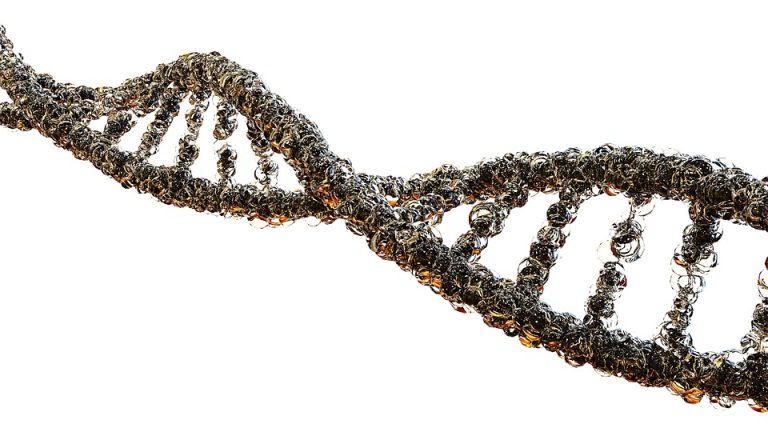
- DNA (Deoxyribonucleic Acid): Think of DNA as a massive, detailed cookbook. It is a molecule that holds all the genetic instructions your body needs to grow, develop, function, and repair itself.
- Genes: If DNA is the cookbook, genes are the individual recipes. Every person has between 20,000 and 25,000 genes. Each gene contains the specific instructions for making proteins, which are the workhorse molecules that build your tissues and regulate your body’s chemistry.
- Chromosomes: Genes don’t float around freely; they are packaged neatly into structures called chromosomes. Humans typically have 23 pairs of chromosomes, inheriting one set from each biological parent.
Inherited Traits vs. Acquired Characteristics
When looking at genetics and health, it is important to distinguish between traits you are born with and traits you develop over time.
- Inherited traits are passed down from parents to children through genes. Examples include your natural eye color, blood type, and a predisposition to certain health conditions.
- Acquired characteristics are traits you develop during your lifetime due to your environment, habits, or experiences. For instance, learning to ride a bike or developing muscles through weightlifting are acquired traits, not genetic ones.
The Role of Family Health History
Long before modern genetic testing was available, doctors relied on a powerful tool to understand a patient’s health risks: the family health history.
Your family health history is a record of diseases and medical conditions shared by your blood relatives (parents, siblings, grandparents, aunts, uncles, and cousins). Because family members share a high percentage of the same genes, looking at patterns of illness in a family can reveal valuable clues about inherited health risks.
Common conditions that can run in families include:
- Heart disease
- Diabetes
- Certain types of cancer (such as breast or colorectal cancer)
- High blood pressure
- Autoimmune disorders
Sharing a family history of a condition does not mean you will definitely develop it. However, it serves as an early warning system. Knowing your family health history allows you and your healthcare provider to implement targeted screening schedules, lifestyle modifications, and preventive care strategies early on.
Genetic Risk Factors: What Do They Mean?
One of the most common misconceptions in health is the idea that genetics is destiny—the belief that if a certain gene runs in your family, you are guaranteed to get sick.
In reality, most health conditions are influenced by genetic risk factors. A genetic risk factor is a variation or change in a gene that increases your susceptibility or chance of developing a particular disease. However, having a genetic risk factor does not mean a person will definitely develop the condition.
High-Risk vs. Multifactorial Conditions
- Monogenic (Single-Gene) Conditions: Some conditions are caused by a mutation in a single gene. Even in these cases, expression can vary. While certain rare genetic conditions have a very high penetrance (meaning a high likelihood of the disease developing), many others are influenced by outside factors.
- Multifactorial (Complex) Conditions: Most common health issues—like heart disease, type 2 diabetes, and obesity—are multifactorial. This means they are influenced by a combination of multiple genes working together, alongside lifestyle and environmental factors.
Nature vs. Nurture: Genetics Meet Lifestyle and Environment
If genes are only part of the puzzle, what else matters? The answer lies in the dynamic interplay between your genetics (nature) and your environment and lifestyle (nurture).
Epigenetics is the study of how your behaviors and environment can cause changes that affect the way your genes work. While your actual DNA sequence (your genetic code) doesn’t change, chemical tags can attach to your DNA and turn genes “on” or “off.”
How Lifestyle Interacts with Your DNA
- Diet and Nutrition: What you eat interacts directly with your metabolic processes, influencing how your body processes fats, sugars, and nutrients encoded by your genes.
- Physical Activity: Regular exercise can positively influence gene expression related to inflammation, metabolism, and cardiovascular health.
- Stress and Sleep: Chronic stress and poor sleep patterns can negatively impact cellular health and gene regulation over time.
- Environmental Exposures: Avoiding toxins, pollution, and harmful substances like tobacco smoke can significantly lower the risk of disease, even in individuals with genetic predispositions.
This interaction is empowering. It highlights the fact that lifestyle modifications can often help mitigate genetic risks. Even if you inherit a predisposition to a certain health condition, healthy daily habits play a profound role in your overall wellness.
Genetic Testing: What You Need to Know
With the rise of direct-to-consumer DNA kits and advanced clinical diagnostics, genetic testing has become a household topic. But how does it work, and what is its role in healthcare?
Types of Genetic Tests
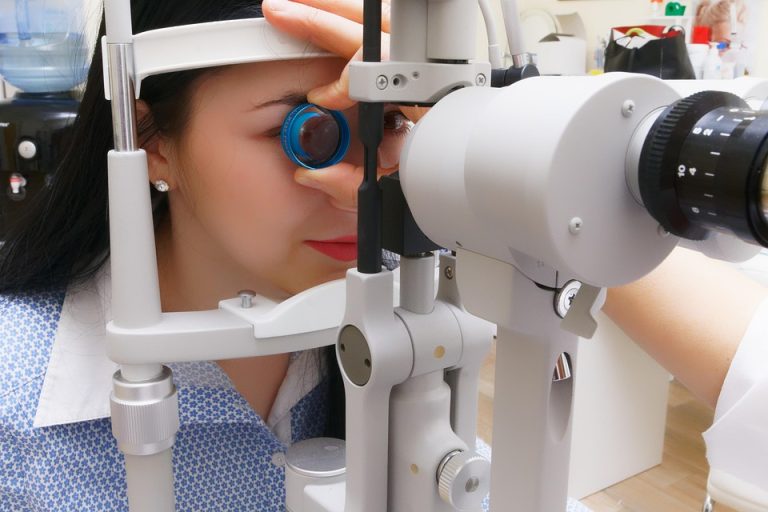
- Clinical Genetic Tests: Ordered by healthcare providers, these tests look for specific mutations associated with inherited disorders or increased cancer risks (such as BRCA1 and BRCA2 gene mutations). They are typically performed in a medical setting with professional guidance.
- Direct-to-Consumer (DTC) Tests: These are commercial kits you can order online, spit into a tube, and mail to a lab. They often provide insights into ancestry, wellness traits, and carrier status for certain conditions.
Navigating Genetic Test Results
It is crucial to approach genetic test results with care. A positive result on a risk-prediction test does not equal a diagnosis. Conversely, a negative result does not mean a person has zero risk of developing a condition.
Because genetic data can be complex and emotionally heavy, it is always recommended to consult with an appropriately qualified healthcare professional or a certified genetic counselor before and after undergoing genetic testing. A genetic counselor can help you interpret what results mean for you and your family in a clear, supportive, and medically accurate context.
Practical Takeaways for Your Health
While genetics might seem complex, you can take practical steps today to manage your health with your genes in mind:
- Document Your Family Tree: Talk to your relatives and write down a comprehensive family health history. Note chronic conditions, the ages at which they appeared, and causes of death if known.
- Partner with Your Healthcare Provider: Share your family health history during your regular check-ups. Ask if your medical history warrants any specialized screenings or earlier preventive care.
- Focus on Modifiable Factors: Remember that you have significant control over your lifestyle. Prioritize a balanced diet, regular physical activity, stress management, and avoidance of tobacco.
- Seek Professional Guidance: If you are considering genetic testing or have concerns about a hereditary condition, ask your doctor for a referral to a genetic counselor.
Conclusion
Your genetics are an essential part of who you are, acting as the instruction manual for your body. However, having a specific genetic risk factor does not mean a condition is inevitable. By understanding your family health history, recognizing the powerful role of lifestyle and environment, and working closely with healthcare professionals, you can take a proactive, informed approach to your lifelong wellness.
Frequently Asked Questions (FAQs)
1. Can genetics completely determine my health?
No. While genetics play a major role in your susceptibility to certain conditions, they do not completely determine your health. Lifestyle choices, diet, exercise, and environmental factors interact with your genes to influence your overall well-being.
2. If a disease runs in my family, will I definitely get it?
Not necessarily. Having a family history or a genetic risk factor increases your chances of developing a condition, but it does not guarantee it. Many people with genetic risks never develop the associated disease, especially when they maintain healthy lifestyle habits.
3. What is the difference between a gene and DNA?
Think of DNA as the entire library of genetic information in your body. Genes are individual chapters or recipes within that library that provide instructions for making specific proteins.
4. How can I find out my family health history?
You can start by having open conversations with your parents, siblings, aunts, uncles, and grandparents about their medical backgrounds. Document chronic illnesses, mental health conditions, and the ages at which family members experienced health issues to share with your doctor.
5. Are direct-to-consumer genetic tests accurate for medical diagnosis?
Direct-to-consumer DNA kits can offer interesting insights into ancestry and general wellness, but they are generally not comprehensive enough for formal medical diagnoses. If you have concerns about hereditary health risks, it is best to speak with a healthcare provider or a genetic counselor.
6. What does a genetic counselor do?
A genetic counselor is a healthcare professional with specialized training in medical genetics and counseling. They help individuals and families understand their genetic risks, evaluate family health histories, discuss the implications of genetic testing, and navigate complex medical decisions.