

In today’s fast-paced world, the pursuit of wellness often feels like navigating a maze of conflicting advice. One day, a specific diet is trending; the next, a new high-intensity workout promises instant transformation. For readers of The Health Care, cutting through this noise is essential. True well-being is not about chasing perfection or following restrictive rules. Instead, a truly healthy lifestyle is built on small, consistent daily choices that support your physical, mental, and emotional health over the long term. If you have ever started a new wellness routine only to abandon it a few weeks later, you are not alone. The secret to lasting change lies in sustainability. This guide explores evidence-based strategies to help you cultivate a healthy lifestyle that fits seamlessly into your daily routine, without burnout or overwhelm. What Does a Healthy Lifestyle Really Mean? A healthy lifestyle is often misunderstood as simply eating salads and spending hours at the gym. In reality, health is multidimensional. It encompasses how you nourish your body, how you move, how you manage stress, and how well you sleep. When we view wellness holistically, we realize that no single habit works in isolation. Good nutrition supports your energy levels for physical activity, quality sleep aids muscle recovery and mental clarity, and stress management keeps your immune system resilient. Embracing a healthy lifestyle means finding a personal balance among these interconnected pillars. Pillar 1: Nourishing Your Body with Intentional Nutrition Food is information, fuel, and pleasure. Adopting a balanced approach to …
In today’s fast-paced world, the pursuit of wellness often feels like navigating a maze of conflicting advice. One day, a specific diet is trending; the next, a new high-intensity workout promises instant transformation. For readers of The Health Care, cutting through this noise is essential. True well-being is not about chasing perfection or following restrictive rules. Instead, a truly healthy lifestyle is built on small, consistent daily choices that support your physical, mental, and emotional health over the long term.
If you have ever started a new wellness routine only to abandon it a few weeks later, you are not alone. The secret to lasting change lies in sustainability. This guide explores evidence-based strategies to help you cultivate a healthy lifestyle that fits seamlessly into your daily routine, without burnout or overwhelm.
What Does a Healthy Lifestyle Really Mean?
A healthy lifestyle is often misunderstood as simply eating salads and spending hours at the gym. In reality, health is multidimensional. It encompasses how you nourish your body, how you move, how you manage stress, and how well you sleep.
When we view wellness holistically, we realize that no single habit works in isolation. Good nutrition supports your energy levels for physical activity, quality sleep aids muscle recovery and mental clarity, and stress management keeps your immune system resilient. Embracing a healthy lifestyle means finding a personal balance among these interconnected pillars.
Pillar 1: Nourishing Your Body with Intentional Nutrition
Food is information, fuel, and pleasure. Adopting a balanced approach to eating is a cornerstone of any healthy lifestyle. Rather than focusing on what to restrict, focus on what you can add to your plate.
Focus on Whole Foods
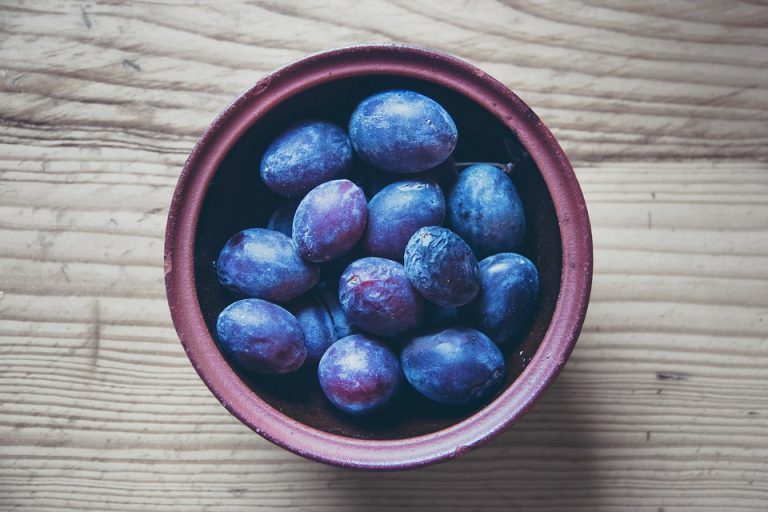
Whole, minimally processed foods provide the vitamins, minerals, and fiber your body needs to thrive. Incorporating a variety of colorful fruits and vegetables ensures a broad spectrum of antioxidants, which help protect your cells from damage.
The Power of Balanced Plates
A balanced meal typically includes:
- Complex Carbohydrates: Foods like quinoa, brown rice, sweet potatoes, and oats provide sustained energy.
- Quality Proteins: Beans, lentils, poultry, fish, tofu, and eggs support tissue repair and muscle maintenance.
- Healthy Fats: Avocados, nuts, seeds, and olive oil support brain function and hormone regulation.
Hydration Matters
Water is vital for almost every physiological function, including digestion, temperature regulation, and joint lubrication. Carrying a reusable water bottle throughout the day is a simple, effective way to maintain adequate hydration as part of your healthy lifestyle.
Pillar 2: Finding Joyful Movement
Exercise should not feel like a form of punishment for what you ate. Physical activity is a celebration of what your body can do. To maintain consistency, you need to find forms of movement that you genuinely enjoy.
The Importance of Variety
A well-rounded physical fitness routine generally includes:
- Cardiovascular Exercise: Brisk walking, swimming, cycling, or dancing to support heart health.
- Strength Training: Bodyweight exercises, resistance bands, or weightlifting to preserve bone density and muscle mass.
- Flexibility and Mobility: Yoga, stretching, or Pilates to improve range of motion and prevent injury.
Consistency Over Intensity
You do not need to spend two hours in the gym every day to reap the benefits of physical activity. Consistency is far more powerful than intensity. Even a brisk 20-minute daily walk can significantly improve your cardiovascular health, mood, and energy levels.
Pillar 3: Prioritizing Rest and Quality Sleep
In a culture that often glorifies busyness, sleep is frequently the first thing we sacrifice. However, restorative sleep is non-negotiable for a healthy lifestyle. During sleep, your brain consolidates memories, your tissues repair, and your immune system recharges.
Practical Sleep Hygiene Tips
- Maintain a Schedule: Go to bed and wake up at the same time every day, even on weekends.
- Optimize Your Sleep Environment: Keep your bedroom cool, dark, and quiet.
- Limit Screen Time: Turn off smartphones, tablets, and televisions at least 30 minutes before bed to reduce blue light exposure, which can interfere with melatonin production.
- Watch Late-Day Stimulants: Limit caffeine and heavy meals in the hours leading up to bedtime.
Pillar 4: Cultivating Mental Well-being and Stress Resilience
Mental health is just as important as physical health. Chronic stress can take a heavy toll on the body, impacting digestion, immune function, and cardiovascular health. Developing healthy coping mechanisms is a vital component of a healthy lifestyle.
Daily Mindfulness Practices
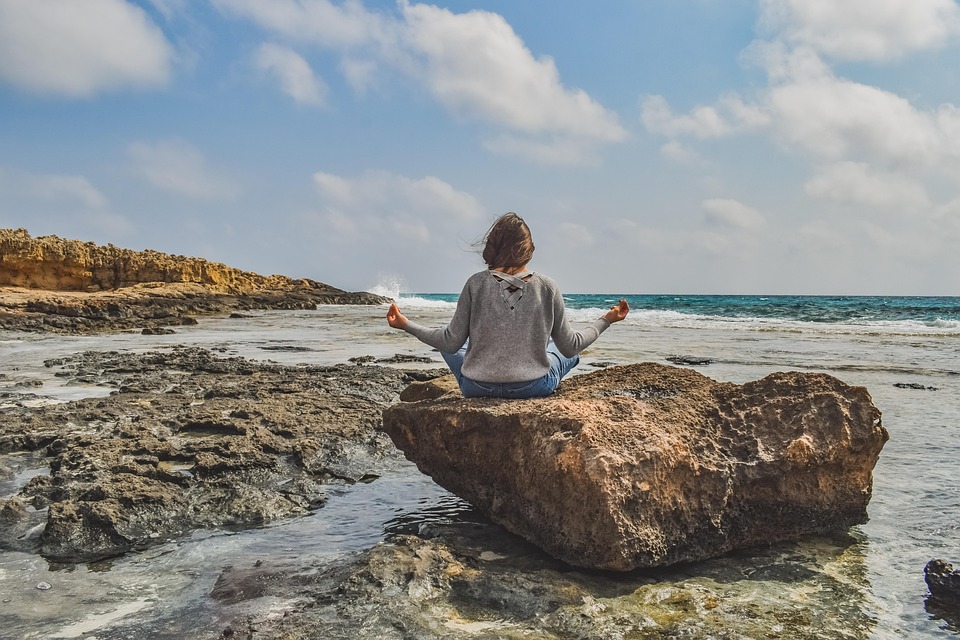
Mindfulness simply means staying present in the moment without judgment. Practices such as meditation, deep-breathing exercises, or journaling can help activate the parasympathetic nervous system (the “rest and digest” state), counteracting the effects of daily stress.
Building Strong Social Connections
Humans are inherently social creatures. Cultivating meaningful relationships and maintaining a strong support network contributes significantly to emotional resilience and overall longevity. Make time for friends, family, and community activities that uplift you.
Overcoming Common Barriers to Change
Transitioning toward a healthy lifestyle is rarely a straight line. Obstacles will inevitably arise, but anticipating them can help you stay on track.
The All-or-Nothing Trap
Many people believe that if they miss a workout or eat a piece of cake, their routine is ruined. This mindset often leads to giving up entirely. Instead, adopt a flexible mindset. A single meal or missed day does not define your overall progress.
Setting Realistic Goals
Vague goals like “I want to get healthy” are difficult to measure. Instead, use specific, achievable milestones. For example, “I will add a serving of vegetables to my lunch three times this week” is much easier to implement and celebrate.
Key Takeaways
- Holistic Health: A healthy lifestyle encompasses nutrition, physical activity, sleep, and mental well-being, not just diet and exercise.
- Sustainability Over Perfection: Small, consistent habits yield much better long-term results than drastic, short-term restrictions.
- Joyful Movement: Choose physical activities you enjoy so you are more likely to stick with them over time.
- Rest is Productive: Quality sleep and effective stress management are foundational pillars of physical and mental vitality.
- Flexibility is Key: Approach your wellness journey with self-compassion, recognizing that setbacks are a normal part of the process.
Frequently Asked Questions
What is the most important component of a healthy lifestyle?
There is no single “most important” component because physical health, nutrition, sleep, and mental well-being are deeply interconnected. However, many wellness experts consider consistent daily habits—such as adequate sleep and balanced nutrition—to be the foundational building blocks.
How can I start living a healthy lifestyle if I am very busy?
Start small. Focus on micro-habits, such as drinking an extra glass of water in the morning, taking a 10-minute walk during your lunch break, or going to bed 15 minutes earlier. Small changes compound over time into significant results.
Do I need to cut out my favorite foods to be healthy?
Not at all. A sustainable healthy lifestyle allows room for flexibility and enjoyment. Labeling foods as “good” or “bad” often leads to a restrictive mindset. The key is moderation and focusing on nourishing your body most of the time while enjoying treats occasionally without guilt.
How much physical activity do I need each week?
Health organizations generally recommend at least 150 minutes of moderate-intensity aerobic activity (such as brisk walking) per week, along with two or more days of muscle-strengthening activities. However, the best routine is the one you can maintain consistently.
How long does it take to form a new health habit?
While a popular myth suggests it takes 21 days, psychological research shows that the time it takes to form a new habit varies widely depending on the individual, the complexity of the behavior, and consistency—often ranging anywhere from a few weeks to several months. Patience and self-compassion are essential.