

When you look in the mirror, you might notice your mother’s eyes, your father’s hairline, or a physical quirk that seems to have skipped a generation. While these visible traits are the most obvious reminders of our biological roots, our genetic code influences far more than just surface-level appearances. It shapes how our bodies process nutrients, how we metabolize medications, and how susceptible we might be to certain chronic health conditions. Understanding the fundamentals of genetics does not require a degree in molecular biology. By breaking down how our DNA works, how traits are passed down through generations, and how our lifestyle choices interact with our inherited blueprint, you can take a more proactive approach to your personal well-being. The Blueprint of Life: What Is DNA? To understand human genetics, it helps to start at the absolute foundational level: the cell. Inside almost every cell in the human body is a nucleus, and inside that nucleus lies your genetic material, organized into structures called chromosomes. Humans typically have 23 pairs of these chromosomes, inheriting one set from their mother and one set from their father. If you were to unravel the DNA within a single cell, it would stretch out to about six feet long, yet it is tightly wound and packed into a microscopic space. DNA—short for deoxyribonucleic acid—is shaped like a twisted ladder, a structure known as a double helix. The Four Chemical Letters The rungs of this genetic ladder are made up of four chemical building blocks, …
When you look in the mirror, you might notice your mother’s eyes, your father’s hairline, or a physical quirk that seems to have skipped a generation. While these visible traits are the most obvious reminders of our biological roots, our genetic code influences far more than just surface-level appearances. It shapes how our bodies process nutrients, how we metabolize medications, and how susceptible we might be to certain chronic health conditions.
Understanding the fundamentals of genetics does not require a degree in molecular biology. By breaking down how our DNA works, how traits are passed down through generations, and how our lifestyle choices interact with our inherited blueprint, you can take a more proactive approach to your personal well-being.
The Blueprint of Life: What Is DNA?
To understand human genetics, it helps to start at the absolute foundational level: the cell. Inside almost every cell in the human body is a nucleus, and inside that nucleus lies your genetic material, organized into structures called chromosomes. Humans typically have 23 pairs of these chromosomes, inheriting one set from their mother and one set from their father.
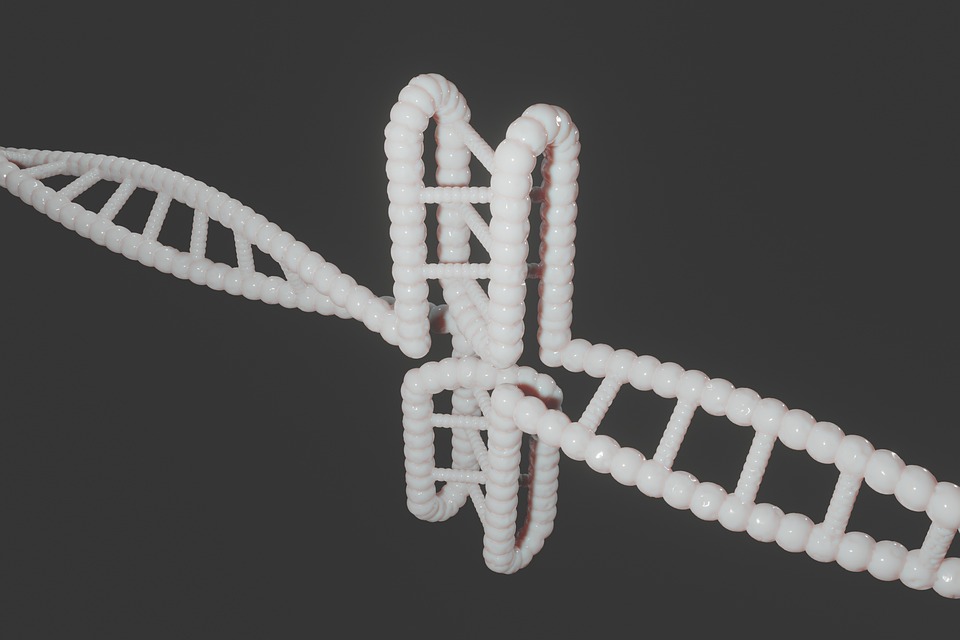
If you were to unravel the DNA within a single cell, it would stretch out to about six feet long, yet it is tightly wound and packed into a microscopic space. DNA—short for deoxyribonucleic acid—is shaped like a twisted ladder, a structure known as a double helix.
The Four Chemical Letters
The rungs of this genetic ladder are made up of four chemical building blocks, or bases:
- Adenine
- Thymine
- Cytosine
- Guanine
These four letters pair up in very specific ways (A with T, and C with G) to form a sequence. This sequence acts as a biological code book. Just as the letters of the alphabet combine to form words and sentences that convey instructions, the billions of A, T, C, and G combinations in your genome spell out the instructions for building and maintaining your entire body.
Genes vs. Genomes
People often use the terms “DNA,” “genes,” and “genome” interchangeably, but they refer to different levels of the same biological system:
- DNA is the raw material—the chemical molecule itself.
- A Gene is a specific functional segment of DNA that contains the instructions for making a particular protein. Proteins are the workhorses of your body, responsible for everything from building muscle tissue to driving biochemical reactions.
- The Genome is your complete set of genetic instructions, including all of your genes as well as the DNA regions that regulate how those genes are turned on or off.
How Traits Are Passed Down Through Families
Have you ever wondered why siblings can look and act so differently despite having the same parents? The answer lies in the mechanics of heredity—the biological process by which parents pass genetic information to their children.
The Role of Meiosis and Recombination
Before a child is conceived, specialized sex cells (sperm in males, eggs in females) are formed through a unique cell division process called meiosis. During this process, chromosomes from the parent undergo a shuffle known as genetic recombination.
Imagine taking two decks of cards, shuffling them together, and then dealing out random hands. Recombination ensures that no two sperm or egg cells are genetically identical. This is why you did not inherit an exact 50/50 clone of your mother’s chromosomes and a 50/50 clone of your father’s; instead, you received a unique mosaic.
Dominant and Recessive Patterns
Some traits follow straightforward inheritance patterns based on single-gene differences. Gregor Mendel, an Austrian monk whose 19th-century pea plant experiments laid the groundwork for modern genetics, identified how traits can be dominant or recessive.
- Dominant traits require only one copy of a mutated or variant gene (inherited from just one parent) for the trait or condition to be expressed.
- Recessive traits require two copies of the variant gene—one from each parent—for the trait or condition to appear. If an individual receives only one recessive variant, they typically become a “carrier” without showing symptoms themselves.
However, most human traits—including height, skin color, and predisposition to conditions like heart disease or diabetes—are polygenic. This means they are influenced by the combined effects of many genes working together, often interacting with environmental factors.
Nature vs. Nurture: Gene-Environment Interaction
One of the most persistent myths in biology is that human health and behavior are determined entirely by “nature” (genes) or entirely by “nurture” (environment). Modern science shows that this is a false dichotomy. Your genes are not an inescapable destiny; rather, they are a set of probabilities.
Epigenetics: The Volume Control of Your DNA
Think of your DNA sequence as the hardware of a computer, and epigenetics as the software that determines how that hardware is used. Epigenetic chemical tags attach to your DNA or the proteins that support it (histones), acting like dimmer switches. They can turn specific genes “up” (increasing protein production) or “down” (silencing them) without changing the underlying genetic code.
These chemical tags can be influenced by lifestyle factors, including:
- Diet and Nutrition: What you eat provides the chemical substrates needed for epigenetic reactions.
- Stress Levels: Chronic psychological stress can alter gene expression pathways, particularly those related to inflammation and immune function.
- Environmental Exposures: Toxins, smoking, and pollutants can leave lasting chemical signatures on your genome.
Practical Implications for Everyday Health
Because genes and environment interact constantly, positive lifestyle changes can have a profound impact even if you carry a genetic predisposition for certain health issues. For example, individuals with a family history of cardiovascular disease can significantly lower their personal risk through regular cardiovascular exercise, a balanced diet rich in whole foods, and routine medical monitoring. Your genetics load the gun, but your environment and lifestyle often pull the trigger—or keep the safety on.
Navigating Family Health History
Long before consumer DNA kits and complex genomic sequencing became available, the most powerful tool for understanding your personal health risks was sitting right at your family dinner table: your family health history.
Why Your Ancestral Health Record Matters
Your relatives share a significant portion of your DNA. If multiple family members on the same side of the family have experienced conditions like high blood pressure, early-onset heart disease, type 2 diabetes, or specific types of cancer, your probability of sharing those genetic vulnerabilities is higher than average.
Gathering a comprehensive family health history involves documenting:
- Major chronic medical conditions
- Age at the time of diagnosis
- Cause and age of death for deceased relatives
- Ethnic background, which can be associated with higher carrier rates for certain genetic conditions (such as Tay-Sachs disease in Ashkenazi Jewish populations or sickle cell anemia in individuals of African descent).
Limitations of Family History
While invaluable, family history has limitations. Small family sizes, estrangement, adoption, or early deaths from non-health-related causes can create gaps in your pedigree chart. This is where modern genetic screening and counseling can serve as a helpful complement to traditional family record-keeping.
Genetic Testing: What It Can (and Cannot) Tell You
With the rise of direct-to-consumer genetic testing kits, millions of people have explored their ancestry and basic genetic markers with a simple cheek swab or saliva sample. However, it is essential to understand the difference between recreational genetic tests and clinical diagnostic genetic tests.
Types of Genetic Tests
- Carrier Testing: Used to determine if healthy individuals carry a copy of a gene mutation that, if combined with a partner’s mutation, could affect their children.
- Predictive and Presymptomatic Testing: Looks for gene changes that increase a person’s risk of developing specific diseases later in life, such as BRCA1 and BRCA2 mutations associated with hereditary breast and ovarian cancer.
- Pharmacogenomics: Analyzes how your unique genetic makeup processes certain medications. This can help physicians select the most effective drugs and dosages with fewer side effects.
- Diagnostic Testing: Used to confirm or rule out a suspected genetic condition when symptoms are already present.
Managing Expectations
Genetic tests provide probabilities, not absolute guarantees. A positive result for a risk-associated gene variant does not mean you will definitely develop the condition, just as a negative result does not guarantee you will never face it. This is why professional genetic counseling is often recommended to help interpret complex results within the context of your overall health and personal history.
Practical Takeaways for a Genetically Informed Life
You cannot rewrite the genetic code you were born with, but you can optimize how you live alongside it. Here are actionable steps you can take today:
- Document Your Family Tree: Talk to older relatives, record medical histories, and keep an updated health log to share with your primary care physician during annual wellness visits.
- Focus on Modifiable Factors: Prioritize sleep, stress management, regular physical activity, and a nutrient-dense diet to support healthy gene expression (epigenetics).
- Partner with Healthcare Professionals: Do not rely solely on at-home genetic reports to make medical decisions. Discuss any findings or family concerns with a doctor or a certified genetic counselor.
- Stay Curious and Critical: The field of genetics is evolving rapidly. Approach new health headlines and miracle genetic supplements with healthy skepticism, relying on peer-reviewed science and medical guidance.
Conclusion
Genetics is the underlying architecture of human health, blending the fixed instructions of our DNA with the dynamic influence of our environment and daily habits. By moving past the misconception that our genes are an unchangeable fate, we empower ourselves to make informed, proactive choices. Whether it is tracking your family health history, adopting lifestyle habits that support positive gene expression, or exploring clinical screening options, understanding your biology is a vital step toward lifelong wellness.
Frequently Asked Questions
Can my DNA change over time?
Your core DNA sequence remains stable throughout your life, aside from rare random mutations that occur during cell division. However, your epigenome—the system of chemical tags that controls how your genes are expressed—changes constantly in response to aging, diet, stress, environment, and lifestyle habits.
If both of my parents have a genetic health condition, will I definitely get it?
Not necessarily. It depends entirely on the inheritance pattern of the condition. For dominant conditions, inheriting one variant gene is enough to cause the condition. For recessive conditions, you would need to inherit variant genes from both parents. Even with high-risk genetic variants, penetrance (the likelihood that a gene mutation will result in the disease) is rarely 100%.
Are direct-to-consumer genetic tests as accurate as clinical tests?
Direct-to-consumer tests are generally reliable for the specific markers they scan, but they typically look at only a fraction of your total genome. They are designed for wellness, ancestry, and informational purposes rather than medical diagnosis. Clinical genetic tests ordered by a physician are far more comprehensive and are processed in highly regulated medical laboratories.
How does my ethnicity affect my genetic health risks?
Certain genetic variations and hereditary conditions are more common in specific geographic or ethnic populations due to the historical migration and mating patterns of human ancestors. For example, cystic fibrosis is more prevalent in populations of Northern European descent, while sickle cell trait is more common in individuals of African, Mediterranean, Middle Eastern, and South Asian ancestry.
Can lifestyle changes really overcome a strong family history of disease?
While lifestyle changes cannot completely erase a genetic predisposition, they can dramatically lower your overall risk. Many chronic conditions—such as heart disease and type 2 diabetes—are heavily influenced by lifestyle. Eating a balanced diet, maintaining a healthy weight, exercising regularly, and avoiding tobacco can keep high-risk genes from turning into active health problems.