

For many individuals, a healthy meal that incorporates wholesome ingredients like garlic, onions, wheat, and certain fruits can sometimes trigger unexpected digestive distress. While these foods are nutritional staples and generally well-tolerated, some people experience persistent bloating, gas, and abdominal discomfort after eating them. Often, this reaction is not due to a classic food allergy or a standard digestive disorder, but rather a specific type of chemical component found within the plants themselves: fructans. Understanding how fructans interact with the digestive tract can help individuals make informed choices about their daily nutrition without resorting to unnecessary and overly restrictive diets. What Are Fructans and Where Are They Found? Fructans are a class of carbohydrates known as oligosaccharides. Specifically, they are chains of fructose molecules linked together with a glucose molecule at the end. Plants naturally produce fructans as a form of energy storage. Because human digestive enzymes in the small intestine lack the specific capability to break down the chemical bonds holding these long fructose chains together, fructans pass relatively unchanged into the large intestine. Once they reach the large intestine, resident gut bacteria ferment these carbohydrates. While fermentation is a normal and healthy part of digestion, an influx of rapidly fermenting fructans can produce excess gas and draw water into the bowel, leading to noticeable physical symptoms for susceptible individuals. Fructans are present in a remarkably wide variety of common foods, categorized broadly into several groups: Alliums: Garlic, onions, shallots, leeks, and scallions contain high concentrations of fructans. Grains: …
For many individuals, a healthy meal that incorporates wholesome ingredients like garlic, onions, wheat, and certain fruits can sometimes trigger unexpected digestive distress. While these foods are nutritional staples and generally well-tolerated, some people experience persistent bloating, gas, and abdominal discomfort after eating them. Often, this reaction is not due to a classic food allergy or a standard digestive disorder, but rather a specific type of chemical component found within the plants themselves: fructans.
Understanding how fructans interact with the digestive tract can help individuals make informed choices about their daily nutrition without resorting to unnecessary and overly restrictive diets.
What Are Fructans and Where Are They Found?
Fructans are a class of carbohydrates known as oligosaccharides. Specifically, they are chains of fructose molecules linked together with a glucose molecule at the end. Plants naturally produce fructans as a form of energy storage. Because human digestive enzymes in the small intestine lack the specific capability to break down the chemical bonds holding these long fructose chains together, fructans pass relatively unchanged into the large intestine.
Once they reach the large intestine, resident gut bacteria ferment these carbohydrates. While fermentation is a normal and healthy part of digestion, an influx of rapidly fermenting fructans can produce excess gas and draw water into the bowel, leading to noticeable physical symptoms for susceptible individuals.
Fructans are present in a remarkably wide variety of common foods, categorized broadly into several groups:
- Alliums: Garlic, onions, shallots, leeks, and scallions contain high concentrations of fructans.
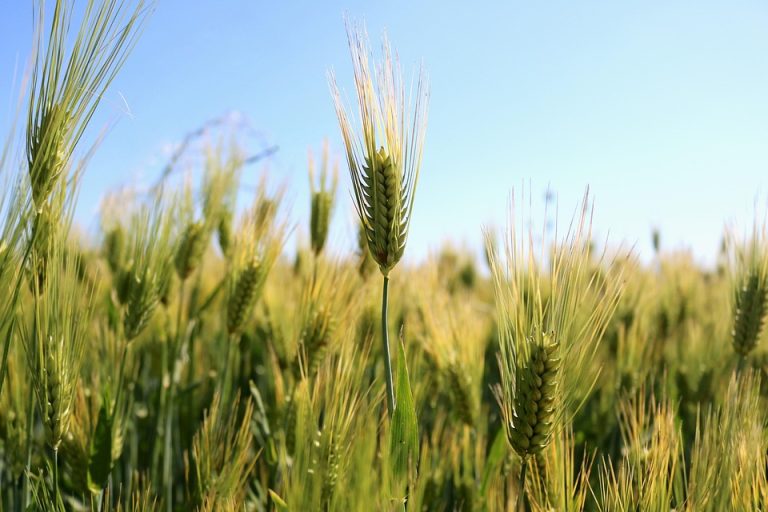
- Grains: Wheat, barley, and rye are primary dietary sources of fructans in Western diets, appearing in bread, pasta, cereals, and baked goods.
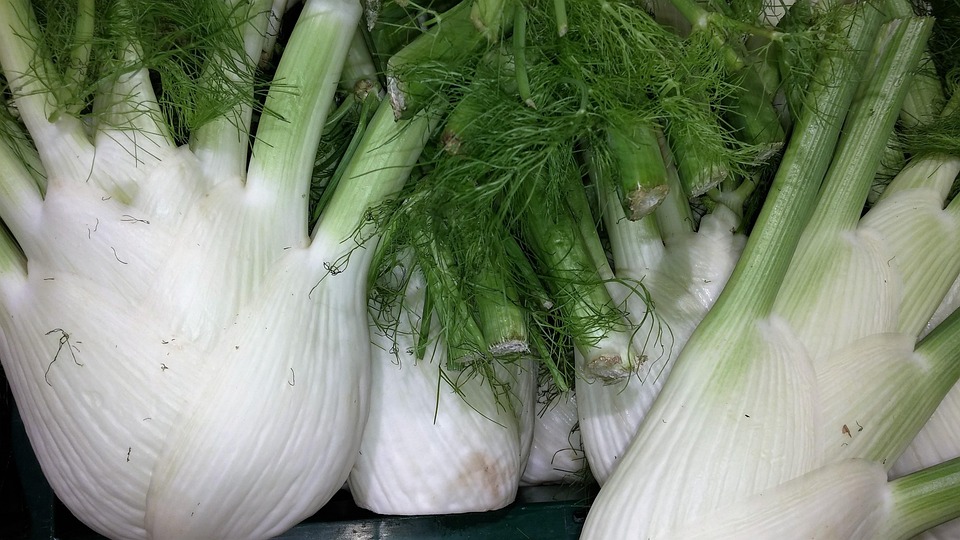
- Vegetables: Artichokes (both Globe and Jerusalem), asparagus, beetroot, brussels sprouts, and fennel contain notable amounts.
- Fruits: Watermelon, persimmon, and dried fruits like dates and raisins can contribute to overall fructan intake.
Fructan Sensitivity, Intolerance, and Allergy: Knowing the Difference
In everyday conversations, terms related to adverse reactions to food are frequently mixed up. However, from a physiological standpoint, fructan sensitivity operates entirely differently from other food-related immune responses or enzyme deficiencies.
- Food Allergies: These involve the body’s immune system, specifically Immunoglobulin E (IgE) antibodies, reacting to a food protein. True food allergies—such as a wheat allergy—can trigger rapid, severe, and potentially life-threatening reactions like hives, swelling, or anaphylaxis.
- Food Intolerances: This category usually describes a non-immune reaction stemming from the body’s inability to digest certain food substances properly. Classic examples include lactose intolerance, where the body lacks sufficient lactase enzyme. Fructan malabsorption functions similarly as a digestive intolerance, driven by the structural limits of human enzyme production rather than an immune attack.
- Food Sensitivities: A broader term often used to describe individual physical responses to specific food components that cause discomfort, frequently overlapping with functional gastrointestinal patterns like irritable bowel syndrome (IBS).
It is vital to recognize that experiencing discomfort after eating foods high in fructans does not automatically mean a person has a fixed medical condition. Digestive thresholds vary wildly from person to person.
Recognizing Common Symptom Patterns
When the large intestine ferments unabsorbed fructans, the resulting gas production and osmotic changes can manifest in several ways. The most commonly reported symptoms include:
- Abdominal Bloating and Distension: A feeling of fullness or visible swelling in the abdomen.
- Excess Gas: Increased flatulence resulting from bacterial fermentation.
- Cramping and Abdominal Discomfort: Mild to moderate pain or unease in the gut.
- Irregular Bowel Habits: Ranging from loose stools to constipation, depending on how an individual’s motility responds to gas and fluid shifts.
These symptoms, however, are not unique to fructan sensitivity. Many different gastrointestinal conditions—including celiac disease, inflammatory bowel disease, or simple dietary changes—can cause identical signs. Therefore, attributing symptoms to fructans requires careful observation rather than immediate assumptions.
Evaluating Personal Triggers Safely
Pinpointing whether fructans contribute to digestive discomfort requires a methodical approach. Jumping to conclusions or cutting out major food groups prematurely can lead to nutritional gaps and an unnecessarily restricted lifestyle.
1. Keeping a Detailed Food and Symptom Diary
Before making any changes to daily eating habits, tracking what is consumed alongside any physical symptoms for a week or two can reveal patterns. Note the timing of meals, portion sizes, and specific ingredients like garlic powder or wheat-based products.
2. Consulting a Healthcare Professional
Because overlapping symptoms can signal various underlying health concerns, persistent or severe digestive issues warrant a professional medical evaluation. A physician or registered dietitian can help rule out other conditions, such as celiac disease or non-celiac gluten sensitivity (noting that wheat contains both gluten proteins and fructan carbohydrates).
3. Understanding Structured Dietary Adjustments
If a healthcare professional suggests looking closer at fermentable carbohydrates, a structured approach—such as a temporary, professionally guided reduction phase followed by careful reintroduction—is often utilized. This process helps identify individual tolerance levels rather than enforcing permanent elimination.
Maintaining Balance and Nutrition
Dietary variety is the cornerstone of long-term health. Because fructan-containing foods like garlic, onions, and whole wheat are staples of flavorful cooking and provide essential fiber, completely avoiding them without cause is rarely necessary or beneficial for gut health.
When adjustments are helpful, numerous culinary strategies can maintain both flavor and nutrition:
- Infused Oils: Because fructans are water-soluble rather than oil-soluble, cooking with garlic-infused oil allows individuals to enjoy garlic flavor without consuming the fructans themselves.
- Alternative Grains: Incorporating naturally lower-fructan grains such as rice, quinoa, oats, or polenta can diversify grain intake without relying solely on wheat.
- Focus on Fiber: If certain whole grains or vegetables are limited temporarily, ensuring adequate fiber intake from alternative sources like carrots, cucumbers, spinach, or berries helps support overall digestive wellness.
Fructan sensitivity highlights the intricate relationship between what we eat and how our gut microbiome processes complex plant carbohydrates. By approaching dietary discomfort with curiosity, moderation, and professional guidance, individuals can achieve long-term digestive comfort while enjoying a diverse, satisfying diet.
Frequently Asked Questions
Is fructan sensitivity the same thing as a wheat allergy?
No. A wheat allergy is an immune system reaction to proteins found in wheat, which can trigger acute allergic symptoms. Fructan sensitivity involves the malabsorption of a specific type of carbohydrate found in wheat, onions, and other plants, resulting in localized digestive fermentation and discomfort.
Why do garlic and onions cause such strong reactions for some people?
Garlic and onions are among the richest dietary sources of fructans. Because human digestive enzymes cannot break down fructan chains, they travel intact to the large intestine where gut bacteria rapidly ferment them, producing gas and fluid shifts that can lead to significant bloating and discomfort in sensitive individuals.
Does cooking food destroy fructans?
No. Fructans are heat-stable chemical compounds. Cooking, boiling, baking, or roasting foods like onions and garlic does not break down their fructan content, meaning cooked dishes can still trigger symptoms for those who are sensitive.
Can my tolerance to fructans change over time?
Yes. Individual digestive tolerances can fluctuate due to factors such as overall stress levels, changes in the gut microbiome, sleep patterns, and portion sizes. Many people find they can tolerate smaller amounts of fructans without experiencing noticeable symptoms.
Should I cut out all foods containing fructans permanently?
No. Permanent elimination of all fructan-containing foods is generally not recommended, as many of these foods—such as garlic, onions, and whole grains—offer valuable culinary qualities and nutritional benefits. Any dietary adjustments are typically designed to be temporary, aiming to find an individual’s personal threshold through structured reintroduction.
How can I enjoy the flavor of garlic and onions if I am sensitive to fructans?
Fructans are water-soluble and do not dissolve in oil. Many people use garlic- or onion-infused oils in cooking, which captures the aromatic flavor compounds without transferring the fructans into the meal.
SEO Meta Description: Explore fructan sensitivity, where fructans are found, how they differ from allergies, and practical ways to manage digestive comfort naturally.