

It starts innocently enough. You enjoy a leisurely meal featuring aged cheddar, a glass of fermented red wine, and a side of sun-dried tomatoes—a quintessential evening spread. Yet, within a couple of hours, you notice a throbbing headache, a flushed face, or a sudden bout of mild nasal congestion. While it is easy to dismiss these sensations as stress or fatigue, your body might be reacting to a completely different culprit: dietary histamine. Histamine intolerance is a fascinating and often misunderstood physiological response. Rather than a traditional immune system malfunction, it represents an imbalance between the amount of histamine consumed in food and the body's capacity to break it down. For individuals navigating this digestive quirk, everyday eating requires a nuanced understanding of how biochemical pathways manage the compounds on our plates. What Is Histamine Intolerance? To understand why certain foods provoke unexpected discomfort, it helps to look at how histamine functions naturally within the human body. Histamine is a vital chemical messenger belonging to the amine family. It plays critical roles in regulating stomach acid secretion, transmitting neural signals, and orchestrating the immune system's inflammatory responses. Under normal circumstances, enzymes produced in the digestive tract—most notably diamine oxidase (DAO)—rapidly neutralize histamine ingested from food before it enters the bloodstream. However, when DAO production is diminished or overwhelmed, dietary histamine accumulates. This accumulation does not stem from an allergy. True food allergies involve an IgE-mediated immune reaction where the body attacks a harmless protein, which can trigger severe or life-threatening …
It starts innocently enough. You enjoy a leisurely meal featuring aged cheddar, a glass of fermented red wine, and a side of sun-dried tomatoes—a quintessential evening spread. Yet, within a couple of hours, you notice a throbbing headache, a flushed face, or a sudden bout of mild nasal congestion. While it is easy to dismiss these sensations as stress or fatigue, your body might be reacting to a completely different culprit: dietary histamine.
Histamine intolerance is a fascinating and often misunderstood physiological response. Rather than a traditional immune system malfunction, it represents an imbalance between the amount of histamine consumed in food and the body’s capacity to break it down. For individuals navigating this digestive quirk, everyday eating requires a nuanced understanding of how biochemical pathways manage the compounds on our plates.
What Is Histamine Intolerance?
To understand why certain foods provoke unexpected discomfort, it helps to look at how histamine functions naturally within the human body. Histamine is a vital chemical messenger belonging to the amine family. It plays critical roles in regulating stomach acid secretion, transmitting neural signals, and orchestrating the immune system’s inflammatory responses.
Under normal circumstances, enzymes produced in the digestive tract—most notably diamine oxidase (DAO)—rapidly neutralize histamine ingested from food before it enters the bloodstream. However, when DAO production is diminished or overwhelmed, dietary histamine accumulates.
This accumulation does not stem from an allergy. True food allergies involve an IgE-mediated immune reaction where the body attacks a harmless protein, which can trigger severe or life-threatening responses like anaphylaxis. Histamine intolerance, conversely, is a metabolic issue. It occurs due to a reduced capacity to process a specific chemical compound, leading to symptoms that mirror allergic reactions without involving the immune system.
Recognizing Common Symptom Patterns
Because histamine receptors are distributed widely throughout the body—including the gastrointestinal tract, skin, cardiovascular system, and brain—the manifestations of a breakdown in histamine processing can be remarkably diverse.
People frequently report a constellation of symptoms that shift depending on the cumulative load of histamine consumed throughout the day:
- Digestive disturbances: Bloating, abdominal cramping, gas, or irregular bowel habits.
- Cutaneous signs: Sudden flushing of the face and neck, hives, or mild itching.
- Neurological responses: Headaches, migraines, or a feeling of lightheadedness.
- Respiratory issues: Nasal congestion, a runny nose, or a sensation of a restricted airway without an apparent cold.
Because these signs overlap with countless other digestive and systemic conditions, experiencing them does not automatically point to a single cause. Similar discomfort can arise from stress, environmental factors, or other nutritional sensitivities.
If you experience persistent, severe, or worsening symptoms—especially those affecting breathing or cardiovascular function—it is essential to consult a qualified healthcare professional for a thorough evaluation to rule out allergies and other underlying medical concerns.
Foods and Ingredients Associated with Histamine
Histamine is not inherently toxic; it is naturally present in many wholesome, nutritious foods, particularly those that undergo microbial fermentation, curing, or aging. The longer a food sits, ages, or ferments, the higher its histamine content tends to climb.
Common Sources of Dietary Histamine
- Fermented items: Sauerkraut, kimchi, aged cheeses (like parmesan, gouda, and cheddar), and yogurt.
- Cured and processed meats: Salami, pepperoni, bacon, and smoked fish.
- Beverages: Red wine, beer, champagne, and certain vinegars (like balsamic or red wine vinegar).
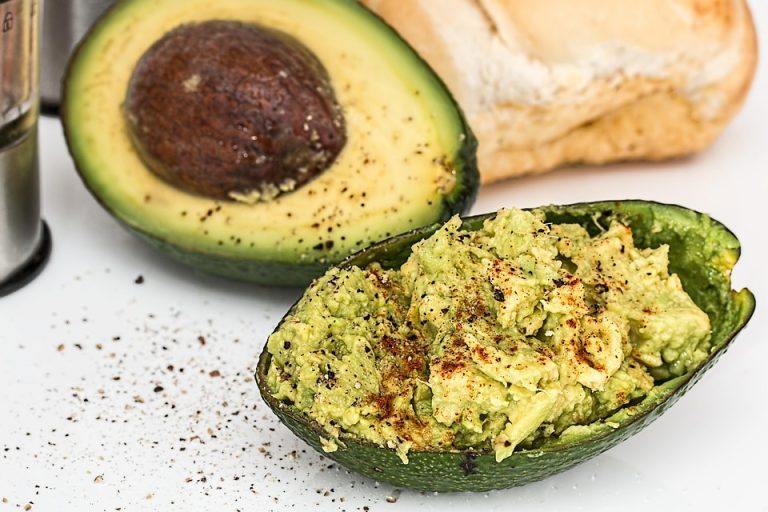
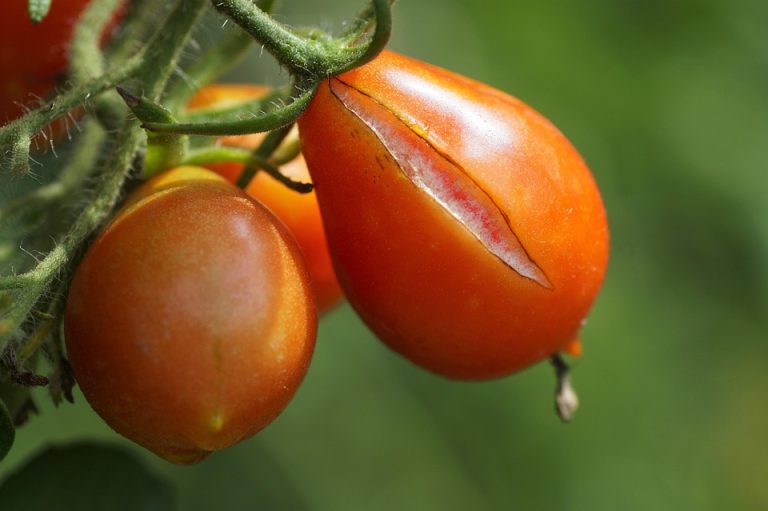
- Botanical produce: Tomatoes, spinach, eggplant, and avocados are frequently noted as higher-histamine or histamine-releasing foods.
The Concept of Histamine Liberators
Beyond foods that contain high levels of histamine itself, certain ingredients are classified as “histamine liberators.” These foods do not necessarily carry high histamine loads, but they can prompt the body’s own immune cells (mast cells) to release stored histamine into the bloodstream. Examples include citrus fruits, strawberries, tomatoes, and certain food additives.
Practical Strategies for Managing Daily Eating Habits
Navigating potential dietary triggers requires a balanced, thoughtful approach. Extreme restriction can lead to nutritional deficiencies and an unnecessarily stressful relationship with food. Rather than eliminating entire food groups permanently, understanding personal tolerance thresholds is key.
1. Prioritize Freshness and Preparation
Because histamine accumulates as foods age or sit at room temperature, food handling matters immensely.
- Purchase fresh meats, fish, and produce rather than pre-packaged or aged varieties.
- Cook meals promptly and avoid leaving leftovers sitting in the refrigerator for multiple days, as microbial activity can drive up histamine levels even in cold storage.
- Freeze leftovers immediately in single-portion containers if you cannot consume them within 24 hours.
2. Keep a Thoughtful Food and Symptom Diary
If you suspect dietary components are contributing to your discomfort, a structured journal can provide clarity. Note not just what you eat, but how meals are prepared, how long they were stored, and the exact timing of any physical responses. This record can be invaluable when discussing patterns with a registered dietitian or physician.
3. Maintain Dietary Variety and Balance
Restricting your diet too narrowly can rob your body of essential vitamins, minerals, and fiber. Focus on incorporating fresh, unprocessed whole foods—such as freshly cooked grains, fresh poultry, eggs, and non-citrus fruits—while ensuring adequate hydration and balanced portion sizes.
Common Misconceptions Regarding Histamine
Several myths surround histamine intolerance and digestive sensitivities in general. Clearing these up helps foster a more realistic approach to wellness:
- Myth: Histamine intolerance is a lifelong, unchangeable sentence.
- Reality: DAO enzyme production and overall digestive tolerance can fluctuate based on gut health, stress levels, nutritional status, and overall wellness.
- Myth: All fermented foods are unhealthy.
- Reality: Fermented foods like yogurt and kimchi offer fantastic gut-health benefits for the general population; they only pose challenges for individuals with specific metabolic sensitivities to amines.
- Myth: A strict elimination diet is a reliable cure.
- Reality: Elimination diets are diagnostic tools meant to be temporary, ideally conducted under professional supervision to ensure nutritional adequacy before systematically reintroducing foods.
Practical Takeaways
- Histamine intolerance is a metabolic issue involving the body’s ability to break down dietary histamine, distinct from a true food allergy.
- Symptoms can affect multiple systems—from digestion to skin and neurological function—and overlap with many other health conditions.
- Aged, fermented, cured, and processed foods tend to harbor higher histamine levels.
- Emphasizing fresh food preparation, minimizing leftovers, and avoiding unnecessary long-term restriction supports both nutritional health and digestive comfort.
- Always seek guidance from a qualified healthcare professional for persistent or unexplained symptoms.
Frequently Asked Questions
How can I tell the difference between a food allergy and histamine intolerance?
A true food allergy triggers an immediate immune system response involving IgE antibodies, which can cause severe reactions like hives, swelling, or difficulty breathing. Histamine intolerance is a non-allergic metabolic reaction stemming from a buildup of histamine that the body struggles to break down, typically resulting in milder, cumulative symptoms like headaches or digestive discomfort.
Are fresh fish and meat safe to eat?
Generally, yes. Freshly caught fish and freshly prepared meats contain very low levels of histamine. However, fish can spoil rapidly, causing bacterial activity to convert amino acids into high levels of histamine very quickly. Choosing high-quality, fresh sources and cooking them promptly is essential.
Can cooking destroy histamine in food?
Unfortunately, no. Histamine is a remarkably stable chemical compound. Standard cooking methods—such as boiling, baking, frying, or microwaving—do not significantly reduce or destroy the histamine content present in a food item.
Why do some days tolerate high-histamine foods better than others?
Tolerance often depends on your “total histamine load.” This includes not only the food you eat at a single meal, but also endogenous histamine production, stress levels, hormonal fluctuations, and your body’s current DAO enzyme activity. A small amount might cause no reaction on a calm day, while the same amount during a period of high stress could trigger symptoms.
Should I take DAO enzyme supplements?
DAO supplements are designed to help break down dietary histamine in the digestive tract. While some individuals find them helpful, they should be viewed as a supportive tool rather than a standalone fix. It is best to discuss supplement use with a healthcare provider or dietitian to ensure they fit your specific nutritional plan.
SEO Meta Description: Learn about histamine intolerance, common food triggers like aged and fermented items, symptom patterns, and practical ways to manage daily eating habits safely.