

For many individuals, a refreshing glass of apple juice or a bowl of fresh stone fruit brings immediate satisfaction. However, for a growing number of people, eating these same foods is followed by persistent bloating, abdominal cramping, and unexpected digestive distress. When the digestive tract struggles to process simple fruit sugar efficiently, the condition is often recognized as fructose malabsorption. Understanding how the body handles dietary sugars requires looking closely at how the small intestine functions. Rather than pointing immediately to a sweeping food sensitivity or an urgent medical emergency, exploring fructose malabsorption involves examining portion sizes, natural sugar structures, and the everyday choices that promote a comfortable digestive experience. What is Fructose Malabsorption? Fructose malabsorption occurs when cells in the small intestine have difficulty absorbing fructose—a simple sugar found naturally in many fruits, vegetables, and sweeteners like honey and high-fructose corn syrup. Unlike true fructose intolerance, which is a rare, inherited metabolic disorder diagnosed in infancy, fructose malabsorption is a functional digestive quirk rather than a lifelong genetic disease. When unabsorbed fructose travels onward into the large intestine, resident bacteria ferment it. This natural fermentation process produces gases and draws extra water into the bowel, leading to characteristic symptoms like bloating, flatulence, and altered bowel habits. It is worth noting that fructose is rarely absorbed entirely on its own. The presence of another simple sugar, glucose, actually assists the small intestine in taking up fructose more efficiently. Foods where fructose and glucose occur in roughly equal amounts are often …
For many individuals, a refreshing glass of apple juice or a bowl of fresh stone fruit brings immediate satisfaction. However, for a growing number of people, eating these same foods is followed by persistent bloating, abdominal cramping, and unexpected digestive distress. When the digestive tract struggles to process simple fruit sugar efficiently, the condition is often recognized as fructose malabsorption.
Understanding how the body handles dietary sugars requires looking closely at how the small intestine functions. Rather than pointing immediately to a sweeping food sensitivity or an urgent medical emergency, exploring fructose malabsorption involves examining portion sizes, natural sugar structures, and the everyday choices that promote a comfortable digestive experience.
What is Fructose Malabsorption?
Fructose malabsorption occurs when cells in the small intestine have difficulty absorbing fructose—a simple sugar found naturally in many fruits, vegetables, and sweeteners like honey and high-fructose corn syrup.
Unlike true fructose intolerance, which is a rare, inherited metabolic disorder diagnosed in infancy, fructose malabsorption is a functional digestive quirk rather than a lifelong genetic disease. When unabsorbed fructose travels onward into the large intestine, resident bacteria ferment it. This natural fermentation process produces gases and draws extra water into the bowel, leading to characteristic symptoms like bloating, flatulence, and altered bowel habits.
It is worth noting that fructose is rarely absorbed entirely on its own. The presence of another simple sugar, glucose, actually assists the small intestine in taking up fructose more efficiently. Foods where fructose and glucose occur in roughly equal amounts are often much easier to digest than foods where fructose exists in excess.
Common Signs and Symptom Patterns
The physical signs of fructose malabsorption can vary widely from person to person. Because every individual has a unique gut microbiome and a different capacity for sugar transport, two people can eat the exact same meal and experience entirely different outcomes.
Frequently reported signs include:
- Abdominal Bloating and Distension: A noticeable feeling of tightness or fullness in the stomach area, often worsening as the day progresses.
- Excess Gas and Flatulence: Resulting directly from the bacterial fermentation of unabsorbed sugars in the colon.
- Cramping and Discomfort: Ranging from mild twinges to sharper aches in the lower abdomen.
- Changes in Bowel Habits: Alternating periods of loose stools or occasional constipation, depending on how fluid is drawn into the digestive tract.
A Note on Overlapping Symptoms
Similar digestive symptoms can stem from many different sources. Conditions such as celiac disease, non-celiac gluten sensitivity, irritable bowel syndrome (IBS), or small intestinal bacterial overgrowth (SIBO) can present with very similar patterns of bloating and discomfort.
Because overlapping causes are common, persistent or severe digestive symptoms should always be evaluated by a qualified healthcare professional rather than assumed to be caused by fructose alone.
Food Sources: Where Fructose Appears
Fructose is present in a wide array of whole foods, packaged goods, and beverages. Rather than eliminating these items entirely, understanding their relative composition helps maintain a varied and enjoyable diet.
High-Fructose Foods to Approach Mindfully
- Certain Fruits: Apples, pears, cherries, watermelon, mangoes, and dried fruits like raisins and figs tend to contain a high excess of fructose relative to glucose.
- Sweeteners: Honey, agave nectar, and high-fructose corn syrup feature high concentrations of free fructose.
- Vegetables: Asparagus, sugar snap peas, and artichokes contain higher levels of specific short-chain carbohydrates (FODMAPs), including excess fructose.
Fructose-Friendly Alternatives
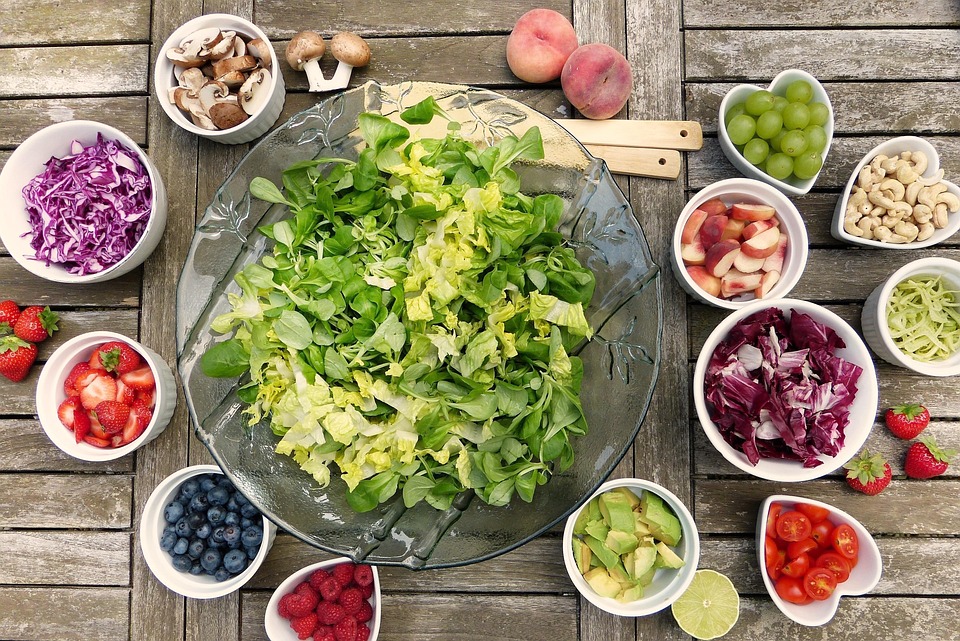
- Balanced Fruits: Bananas, strawberries, blueberries, raspberries, oranges, and grapes often have a more balanced ratio of glucose to fructose, making them easier for many people to tolerate in moderate portions.
- Alternative Sweeteners: Pure maple syrup or table sugar (sucrose, which consists of bound glucose and fructose) are sometimes better tolerated in everyday cooking, depending on individual thresholds.
Practical Strategies for Dietary Management
Managing fructose malabsorption is rarely about strict, permanent exclusion. Instead, it relies on finding an individual tolerance threshold and making thoughtful adjustments to daily eating habits.
1. Focus on Portion Control and Distribution
Eating a massive bowl of watermelon in one sitting might trigger symptoms, while enjoying a few smaller wedges alongside a meal containing proteins and fats may cause no discomfort at all. Spreading fruit intake throughout the day gives the digestive system less work to process at any one time.
2. Pair Fructose with Glucose
Because glucose aids in fructose absorption, eating high-fructose foods alongside a source of glucose can sometimes ease digestion. For example, pairing fruit with a small amount of yogurt or whole-grain toast can alter how the sugars are handled in the gut.
3. Keep a Thoughtful Food and Symptom Diary
Tracking what you eat alongside any physical symptoms for a week or two can help reveal personal patterns. If you notice discomfort after drinking apple juice, but feel fine after eating a banana, your diary provides clear, actionable insights to discuss with a dietitian or doctor.
4. Avoid Unnecessary Restrictions
Completely eliminating all fruits and vegetables from your diet can deprive your body of essential vitamins, minerals, and dietary fiber. A balanced approach protects overall nutrition while minimizing discomfort.
When to Seek Professional Guidance
If digestive changes are new, persistent, or worsening, professional medical guidance is essential. A healthcare provider, gastroenterologist, or registered dietitian can help rule out underlying conditions, perform appropriate evaluations, and guide any structured dietary adjustments—such as a short-term low-FODMAP approach—safely and effectively without nutritional compromise.
Frequently Asked Questions
What is the difference between fructose malabsorption and a fruit allergy?
Fructose malabsorption is a digestive process where the small intestine struggles to absorb simple fruit sugar efficiently, leading to gas and bloating. A food allergy, by contrast, is an immune system reaction involving antibodies like IgE, which can trigger rapid, potentially severe symptoms such as hives, swelling, or breathing difficulties.
Can my body’s ability to process fructose change over time?
Yes. Individual tolerance levels can fluctuate based on stress, overall gut health, medication use, changes in the gut microbiome, and overall dietary habits. Many people find their tolerance improves once temporary digestive irritation settles down.
Is high-fructose corn syrup the same thing as natural fruit sugar?
Chemically, both contain fructose and glucose. However, high-fructose corn syrup is industrially processed to contain high ratios of free fructose that are not bound to glucose, making it particularly prone to causing digestive distress for sensitive individuals when consumed in large amounts.
Do I need to avoid all fruits if I have fructose malabsorption?
Not at all. Most people with fructose malabsorption do not need to avoid fruit entirely. Many fruits are well tolerated, especially in modest portions or when chosen carefully based on their natural sugar balance.
Why do some vegetables cause symptoms if they aren’t sweet?
Many vegetables contain natural sugars and complex carbohydrates—collectively known as FODMAPs—that ferment in the gut, even if they do not taste sweet on the palate. Excess fructose is just one component of this broader category.
Can cooking or processing change how foods affect my digestion?
Cooking generally does not alter the actual sugar content of a food, but blending or consuming foods in liquid form can sometimes lead to faster ingestion and larger quantities of sugar hitting the small intestine all at once, potentially increasing symptoms.
SEO Meta Description
Learn about fructose malabsorption, common digestive triggers, balanced food choices, and practical strategies for managing everyday eating comfort safely.