

SEO Meta Description: Explore the realities of fructose intolerance and malabsorption. Learn how the body processes simple sugars, recognize common digestive signs, and discover balanced meal-planning strategies. The human digestive tract is an intricate processing plant, designed to break down a vast array of chemical structures into usable fuel. Yet, sometimes specific components of our daily nutrition require a little extra coordination. When certain simple sugars pass through the small intestine without being fully absorbed, they can spark unexpected rumblings, bloating, and discomfort. Understanding how the body handles specific carbohydrates—particularly fruit sugars—helps demystify why a seemingly healthy bowl of fresh fruit or a splash of fruit juice might occasionally leave you feeling less than your best. Rather than viewing nutrition through a rigid lens of "good" versus "bad" foods, exploring sugar malabsorption allows for a more personalized approach to everyday digestive wellness. Understanding Fructose Malabsorption At the heart of many sugar-related digestive quirks is the biological mechanism of absorption. Fructose is a simple monosaccharide naturally found in fruits, honey, agave nectar, and root vegetables, as well as in high-fructose corn syrup, a sweetener heavily integrated into commercial food production. In a typical digestive tract, specialized transport proteins—specifically one called GLUT5—assist in moving fructose across the lining of the small intestine and into the bloodstream. However, when the capacity of these transport mechanisms is exceeded, or if they function less efficiently, unabsorbed fructose continues its journey downward into the large intestine. Once this excess sugar reaches the colon, resident bacteria get …
SEO Meta Description: Explore the realities of fructose intolerance and malabsorption. Learn how the body processes simple sugars, recognize common digestive signs, and discover balanced meal-planning strategies.
The human digestive tract is an intricate processing plant, designed to break down a vast array of chemical structures into usable fuel. Yet, sometimes specific components of our daily nutrition require a little extra coordination. When certain simple sugars pass through the small intestine without being fully absorbed, they can spark unexpected rumblings, bloating, and discomfort.
Understanding how the body handles specific carbohydrates—particularly fruit sugars—helps demystify why a seemingly healthy bowl of fresh fruit or a splash of fruit juice might occasionally leave you feeling less than your best. Rather than viewing nutrition through a rigid lens of “good” versus “bad” foods, exploring sugar malabsorption allows for a more personalized approach to everyday digestive wellness.
Understanding Fructose Malabsorption
At the heart of many sugar-related digestive quirks is the biological mechanism of absorption. Fructose is a simple monosaccharide naturally found in fruits, honey, agave nectar, and root vegetables, as well as in high-fructose corn syrup, a sweetener heavily integrated into commercial food production.
In a typical digestive tract, specialized transport proteins—specifically one called GLUT5—assist in moving fructose across the lining of the small intestine and into the bloodstream. However, when the capacity of these transport mechanisms is exceeded, or if they function less efficiently, unabsorbed fructose continues its journey downward into the large intestine.
Once this excess sugar reaches the colon, resident bacteria get to work through a process called fermentation. This bacterial breakdown produces gases such as hydrogen, carbon dioxide, and methane, alongside short-chain fatty acids. This natural fermentation process is what frequently triggers physical sensations like abdominal distension, gas, and cramping.
It is helpful to distinguish between primary fructose malabsorption and hereditary fructose intolerance (HFI). While malabsorption is a relatively common and manageable digestive variation involving intestinal transport, HFI is a rare, serious genetic condition present from infancy that involves a deficiency in the liver enzyme needed to process fructose. The latter requires strict medical supervision and lifelong dietary exclusion, whereas functional malabsorption allows for flexible, individualized management strategies.
Recognizing Common Physical Signs
When the digestive system struggles to process a particular food component, it often communicates through clear, albeit non-specific, physical signals. Because similar symptoms can stem from various sources—such as stress, hurried eating habits, or other digestive conditions—it is wise to look at the broader picture rather than jumping to conclusions.
Frequently reported experiences associated with unabsorbed fruit sugars include:
- Abdominal Bloating: A noticeable feeling of tightness or fullness in the midsection, often developing a few hours after eating.
- Excess Gas: Increased flatulence resulting from the bacterial fermentation processes within the large intestine.
- Cramping or Discomfort: Mild to moderate abdominal aches as the bowel stretches and processes the excess content.
- Altered Bowel Habits: Shifts toward looser stools or unexpected urgency, depending on individual transit times and fluid shifts within the gut.
Because these symptoms overlap significantly with other dietary sensitivities, professional evaluation by a gastroenterologist or a registered dietitian is essential for ruling out alternative conditions like celiac disease, inflammatory bowel disease, or irritable bowel syndrome (IBS).
Mapping Everyday Dietary Triggers
Navigating carbohydrate malabsorption does not mean eliminating entire food groups forever. Instead, it involves understanding how different foods distribute their sugar content—specifically the balance between fructose and glucose.
Interestingly, glucose plays a helpful role in this equation. The presence of equal or greater amounts of glucose in a food often enhances the body’s ability to absorb fructose smoothly. This is why some foods high in fructose are tolerated much better when glucose is also present in adequate amounts.
High-Fructose and Excess Fructose Foods
Foods that feature a higher ratio of unbonded fructose frequently require closer attention:
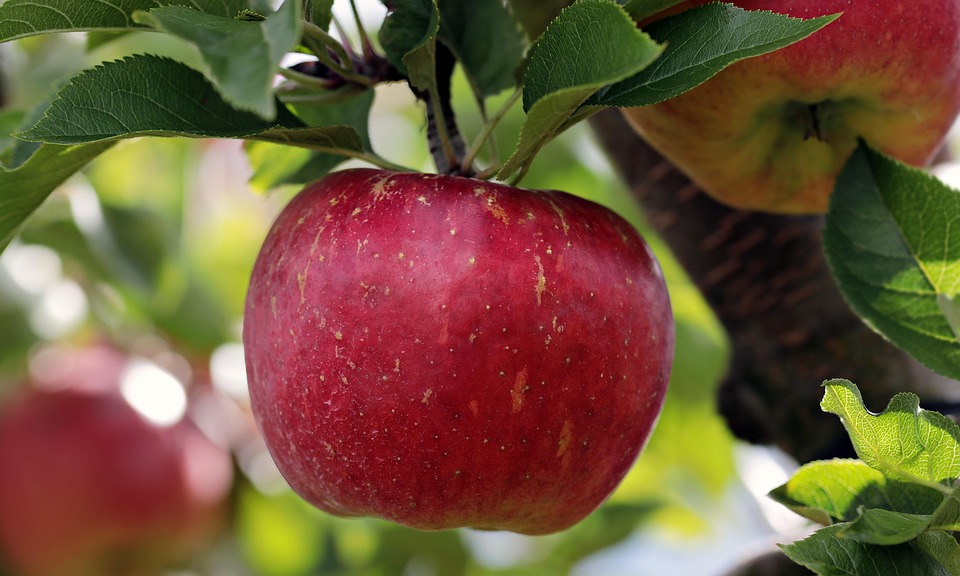
- Certain Fruits: Apples, pears, watermelon, cherries, and mangoes.
- Dried Fruits: Raisins, figs, dates, and dried apricots (where sugars become concentrated).
- Sweeteners: Pure honey, agave nectar, and concentrated fruit juice concentrates.
- Beverages: Fruit punches, sodas, and drinks sweetened with high-fructose corn syrup.
Moderately Tolerated or Balanced Options
Foods where glucose matches or exceeds fructose are often enjoyed with greater ease:
- Fruits: Bananas, blueberries, strawberries, raspberries, citrus fruits (oranges, lemons), and pineapples.
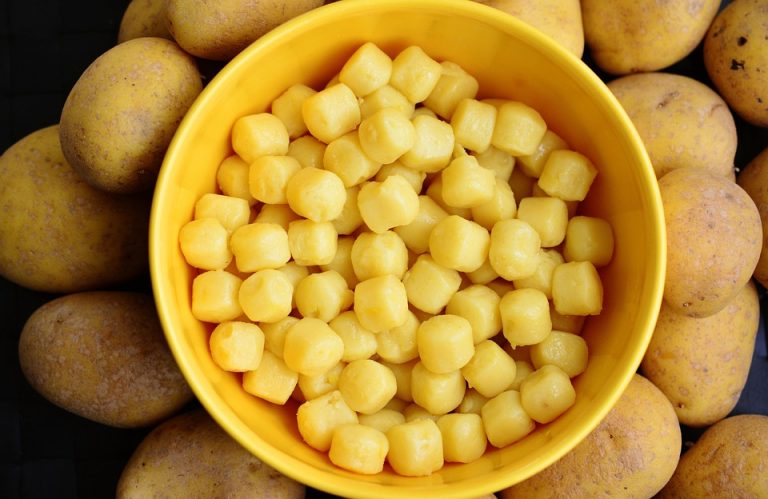
- Vegetables: Spinach, zucchini, carrots, green beans, and potatoes.
- Alternative Sweeteners: Maple syrup or standard cane sugar (sucrose, which is a bonded pair of glucose and fructose that breaks down differently during digestion).
Practical Strategies for Everyday Comfort
Managing dietary sensitivities is an exercise in mindfulness rather than strict deprivation. Building sustainable habits supports long-term comfort while preserving nutritional variety.
1. Focus on Portion Sizing
Often, a food is not entirely “off-limits,” but rather restricted by volume. Eating a small wedge of apple or a few cherries may cause zero discomfort, whereas consuming a large fruit smoothie packed with multiple servings of high-fructose fruits might overwhelm the digestive system.
2. Keep a Thoughtful Food and Symptom Diary
Tracking meals alongside physical responses for a week or two can reveal patterns that memory alone might miss. Note not just what was eaten, but the portion size, how fast the meal was consumed, and any physical sensations that followed.
3. Pair Foods Wisely
Combining potentially challenging foods with meals containing proteins, healthy fats, and glucose-balanced carbohydrates can slow down overall gastric emptying and support a smoother digestive process.
4. Consult a Professional Before Eliminating Foods
Embarking on a self-prescribed, highly restrictive elimination diet can lead to unintended nutritional gaps and an unnecessarily narrow diet. A qualified clinical dietitian can guide targeted adjustments and safe reintroduction phases.
Cultivating a Balanced, Enjoyable Relationship with Food
Dietary adjustments should enhance your quality of life, not diminish it. A truly nourishing approach embraces culinary creativity, flavor, and variety. By focusing on whole, unprocessed foods, staying well-hydrated, and tuning into your body’s unique signals, you can enjoy eating without constant apprehension.
Remember that digestive tolerance can shift over time due to stress, sleep quality, and overall health status. Treating your digestive system with patience and curiosity paves the way for lasting dietary comfort.
Frequently Asked Questions
What is the difference between fructose malabsorption and a fruit allergy?
A fruit allergy involves an immune system response where the body mistakenly identifies harmless proteins in a fruit as a threat, potentially causing itching, swelling, or hives. Fructose malabsorption is purely a digestive and metabolic process involving how simple sugars are broken down and absorbed in the gut, completely separate from an immune reaction.
Why do some people tolerate small amounts of fruit while larger amounts cause trouble?
Digestive tolerance often operates on a threshold model. The small intestine possesses a finite capacity to absorb simple sugars at any given time. Small quantities fall well within this operational limit, while larger surges exceed the available transport proteins, allowing excess sugar to reach the colon for fermentation.
Can food processing or cooking change how the body handles fructose?
Cooking or processing generally does not alter the fundamental chemical composition of fructose within a food. However, purees, juices, and concentrated liquids deliver sugars to the digestive tract much faster than whole fruits containing intact cellular structures and dietary fiber, which naturally slow digestion.
Is high-fructose corn syrup the same thing as natural fruit sugar?
Chemically, both contain mixtures of glucose and fructose. However, high-fructose corn syrup is an industrially manufactured sweetener where the sugars are freely floating and often tilted heavily toward a higher percentage of unbonded fructose, making it distinct from the structured matrix found in whole, fibrous fruits.
Should I cut out all fruits if I suspect I have trouble processing fructose?
No. Completely eliminating fruit is rarely necessary or recommended, as fruits provide essential vitamins, minerals, antioxidants, and fiber. A balanced approach focuses on identifying specific individual triggers and adjusting portion sizes rather than removing entire food categories.